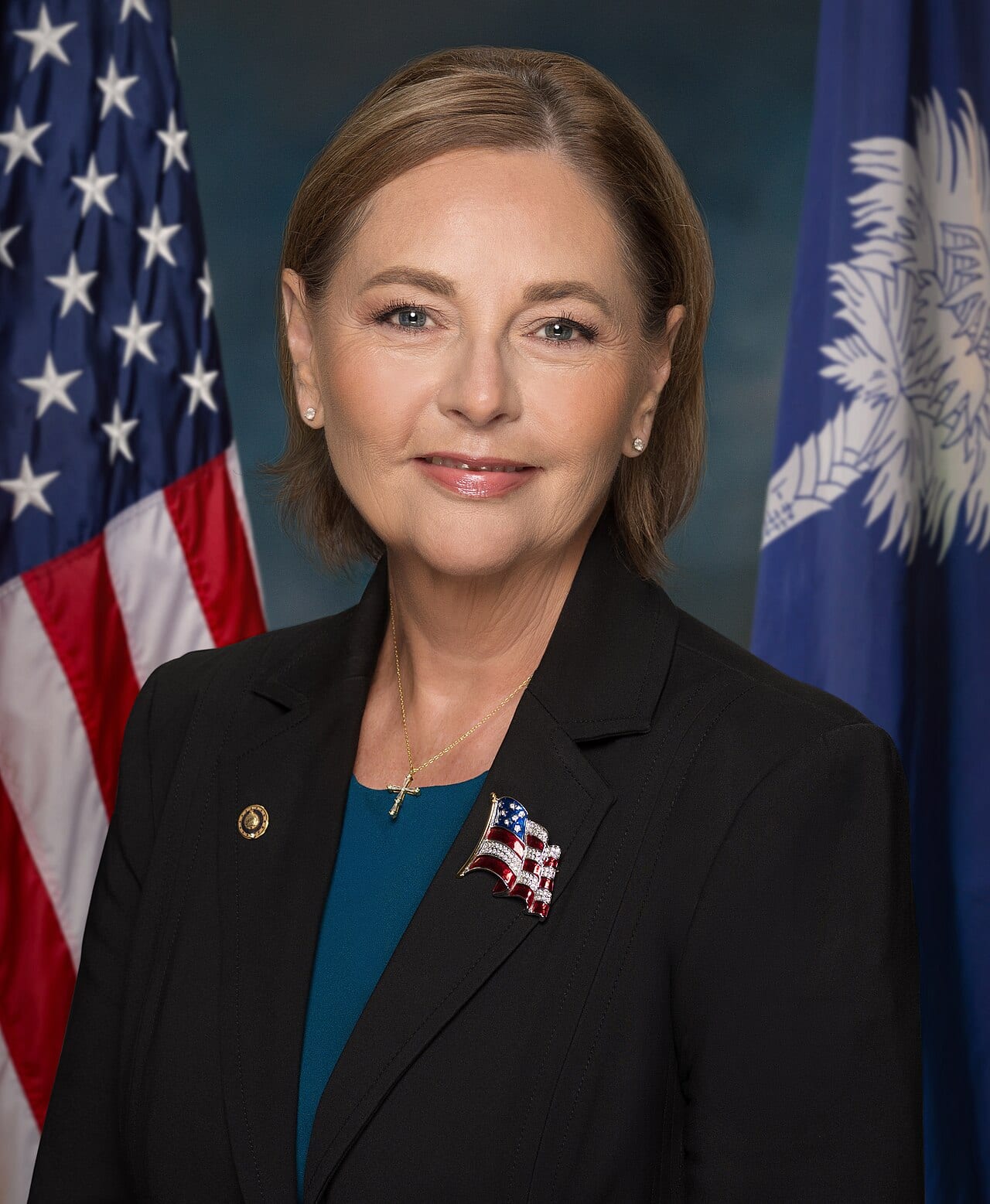
Darline Graham's allies spent $4,801,981 keeping her Senate seat. She lost anyway, 51.1 percent to 46.7, to Democrat Annie Andrews1.
That race was the AI industry's single biggest bet of Nov. 3. FEC filings tell the same story. Fortune and the watchdog Tech Influence Watch traced every dollar15.
The industry's two super PAC networks backed the losing candidate in seven of the twelve competitive races they funded on Nov. 3. Any PAC that spent in those races owes the Federal Election Commission a fresh report by Dec. 36. The report covers money spent through Nov. 23.
Leading the Future wants one light federal rule for AI. Public First wants stronger guardrails and state power left standing. Both networks poured money into close races this fall. Most of that money backed the side that lost1.
The Twelve Candidates the Money Followed
Fortune counted twelve candidates in the cycle's most competitive House and Senate races funded by the two networks. Seven lost. Five won1.
AI PACs' Biggest Bet, $4,801,981 for Graham, Became Their Worst Loss
Spending by the two AI PAC networks in the 12 most competitive Nov. 3, 2026 races, grouped by outcome
Each bar groups candidates by outcome; magenta bars are candidates who lost, and blue bars are candidates who won.
Each total covers a candidate's full 2026 cycle, so a contested primary adds to a race's spending while an uncontested one keeps its total smaller.
Source: Fortune [1]. Chart by Ryan Elliott Dennis.
The numbers behind this chart
| Item | Value |
|---|---|
| Graham, SC Senate (R) | $4,801,981 |
| Six other losing Republicans | $5,071,225 |
| Four winners besides Ricketts | $1,222,395 |
| Ricketts, NE Senate (R) | $274,485 |
Six Republicans besides Graham fell short. Carlos De La Cruz, Rhett Marques, Scott Singer, Alex Mealer, Aaron Flint and Laurie Buckhout each trailed or conceded by Nov. 4. All six ran in Texas, Alabama, Florida or the Carolinas. Their combined backing came to $5,071,225, and every one of them lost anyway1.
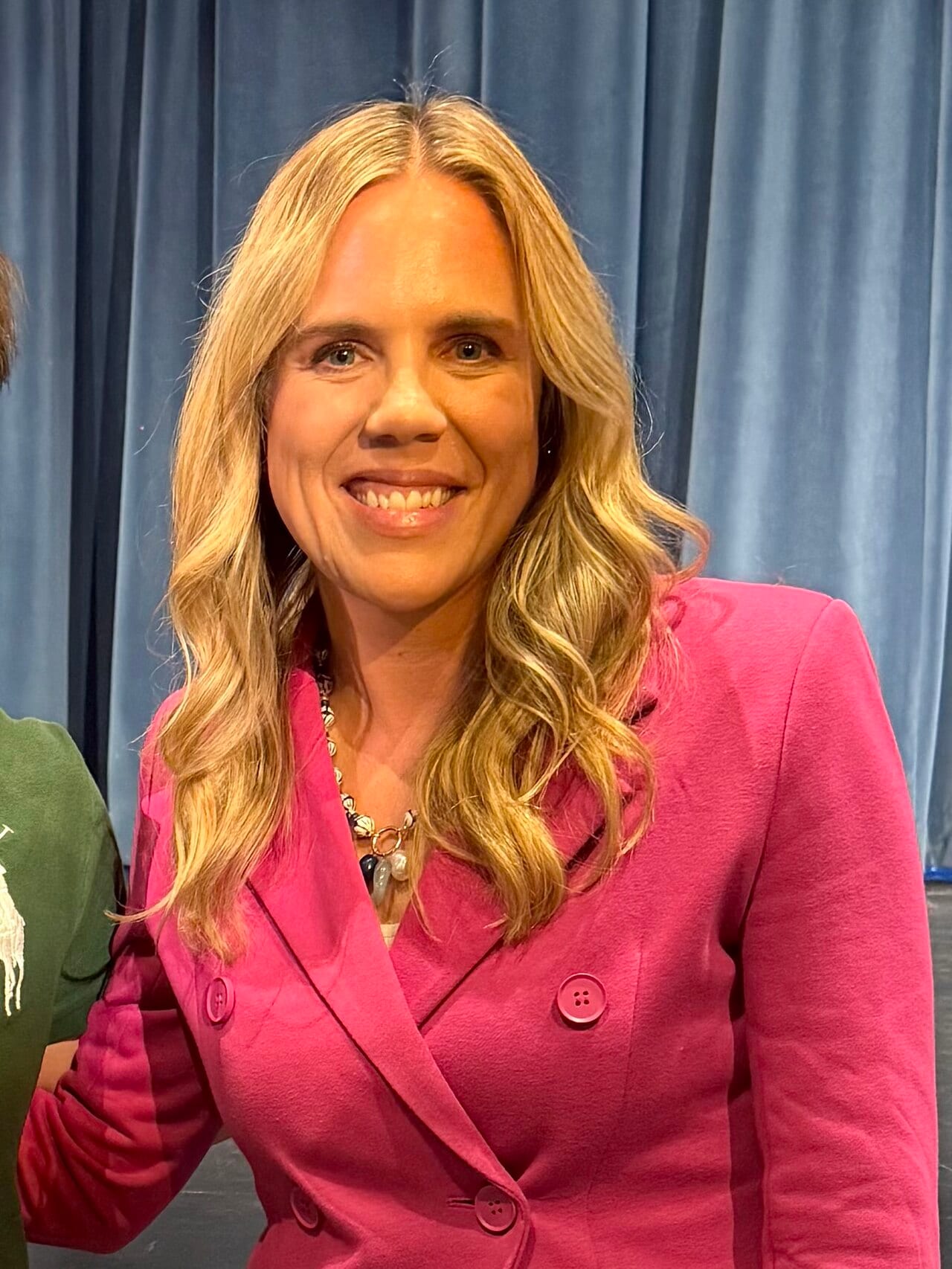
Andrews made South Carolina history the morning after her win8. The win makes her the state's first woman elected to the Senate, and its first Democrat to win statewide since 1998. She promised a plain trade: her own family for her constituents' trust. "I vow to represent you in Washington, D.C., to fight for you as hard as I fight for my three children," she said.
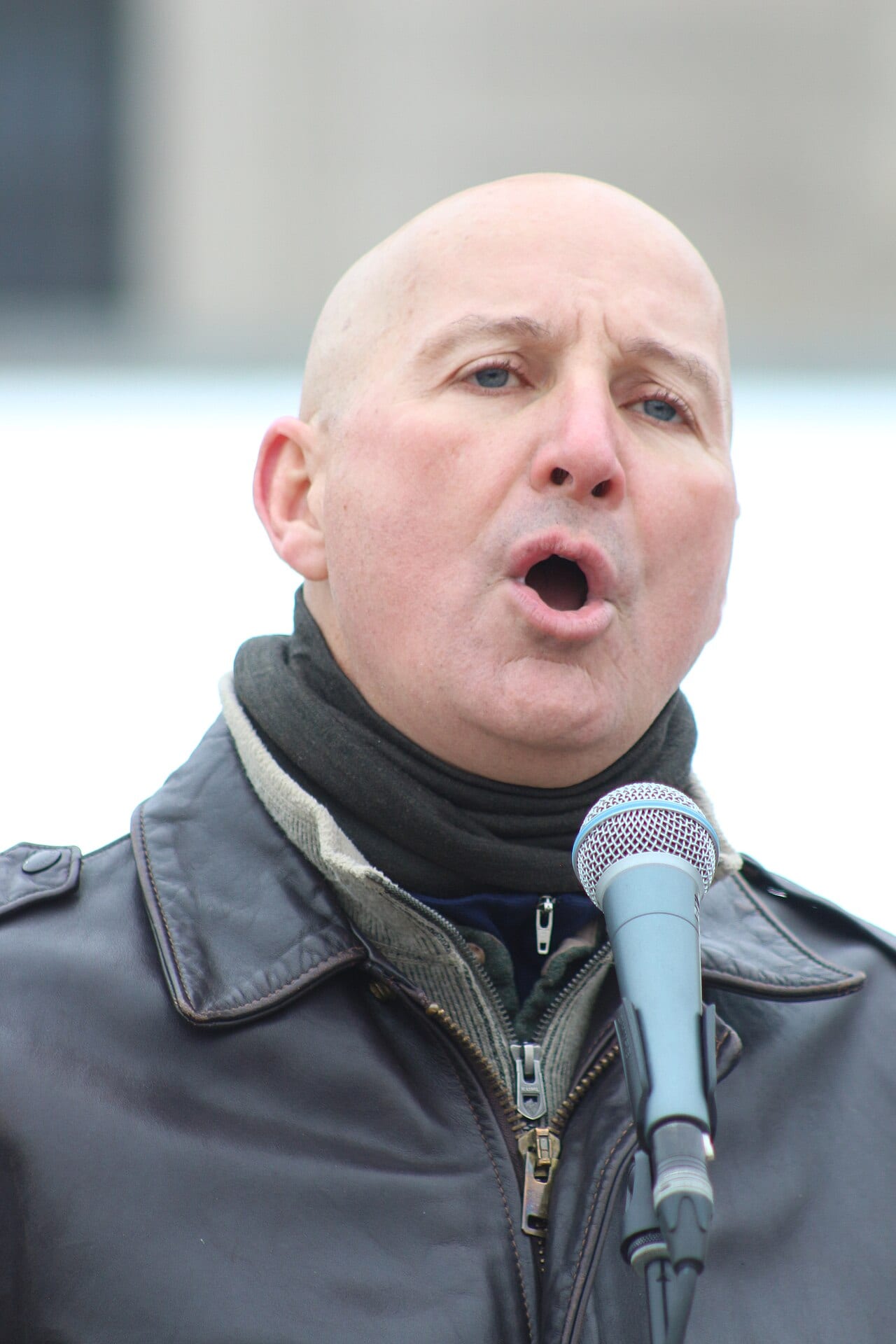
Only one Republican the industry backed actually won: Nebraska's Pete Ricketts. He already held the edge. Ricketts is a two-term incumbent in a state Trump carried by double digits. Public First's Nebraska arm spent just $274,485 on him, a fraction of what landed on Graham1.
The five winners who took AI money were mostly Democrats riding a wave built somewhere else. Brian Poindexter flipped an Ohio seat. Bob Brooks flipped a Pennsylvania one.
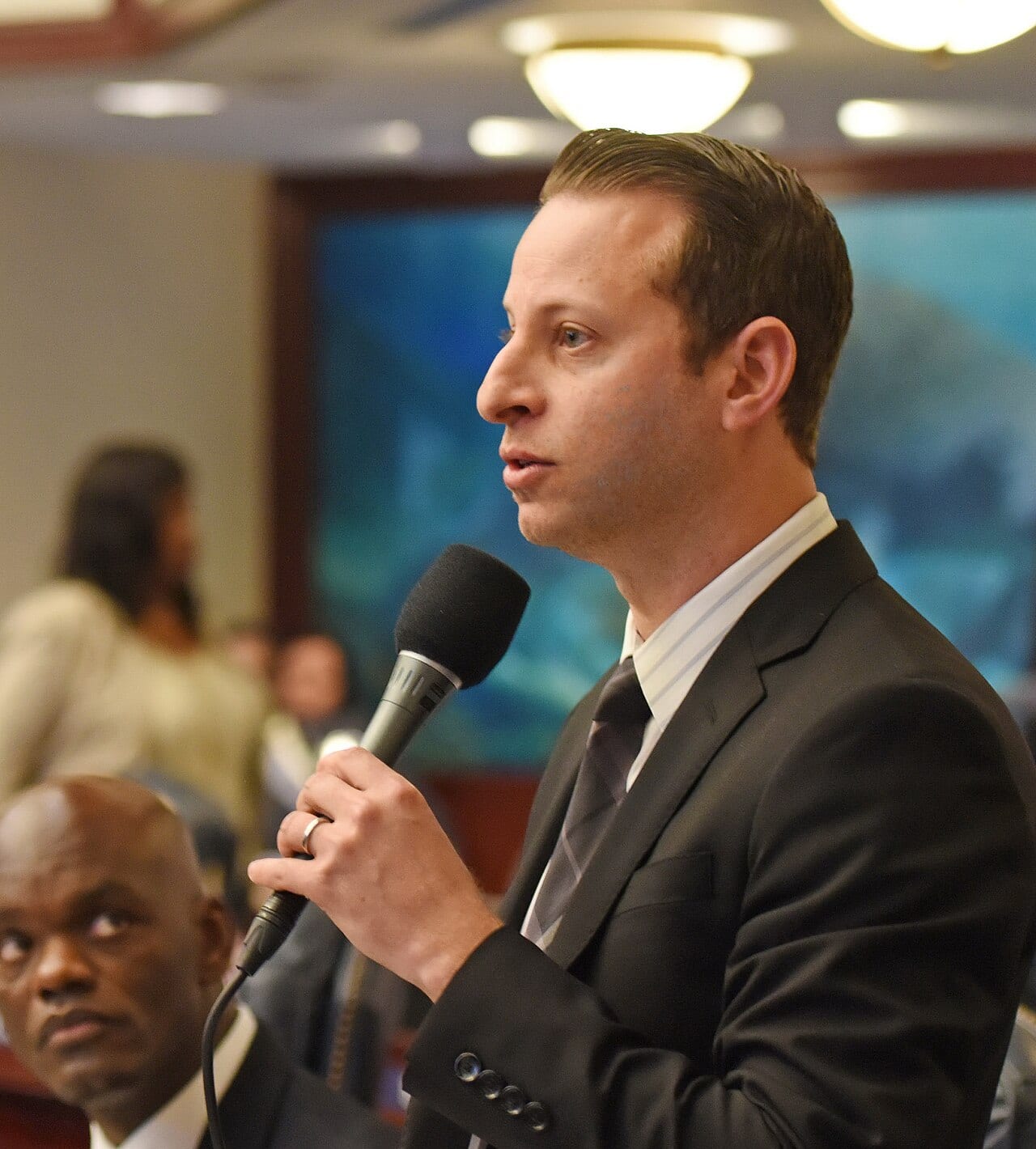
Jared Moskowitz held his Florida seat with help from Leading the Future's own Think Big arm1. He was the only Democrat the Republican-aligned network backed to victory.
The two other Democratic winners and Texas's Jace Yarbrough drew $1,222,395 between them. Add Moskowitz, and the four together cost close to a quarter of Graham's single seat.
Why the Spending Missed the Wave
AI-Backed Candidates Lost 7 of 12 Close Races
Outcomes for the 12 candidates the two AI PAC networks funded in a competitive Nov. 3 race
Each cube is one AI-PAC-backed candidate in a competitive race: magenta cubes lost, and blue cubes won.
Source: Fortune [1]. Chart by Ryan Elliott Dennis.
The numbers behind this chart
| Item | Value |
|---|---|
| Candidate lost | 7 |
| Candidate won | 5 |
| Whole | 12 |
A wider count tells the same story. Molly White runs Tech Influence Watch, the tracker Fortune cited5. Her count adds crypto money to AI money, and nine of twelve competitive bets, combined, backed the losing side this cycle.
Rick Claypool watches this money for Public Citizen, a nonprofit campaign finance watchdog. He says the industry misjudged how its own backers look to voters. "Essentially these companies underestimated how much the public despises the data center buildout, and the inescapability of AI systems that no one asked for that say they will automate jobs and maybe kill us all," Claypool said4.
Guardrails Alliance@GuardrailsNowJust how toxic is AI money? New polling w/ @DataProgress shows 3/4 of voters less likely to support a candidate backed by an AI super PAC, a bigger impact on vote share than a candidate who voted to cut billions from Medicaid or supports a nationwide abortion ban. More below 👇 https://t.co/EExYDNPDEq pic.twitter.com/cOE2Mtzg5D

Guardrails Alliance published that polling a month before Election Day. Its target was simple: make AI-PAC backing cost a candidate votes2. The group's own numbers predicted exactly that.
The Case for Staying in the Fight
Leading the Future launched in August 2025 with pledges above $100 million39. OpenAI President Greg Brockman, his wife Anna, and venture investors Marc Andreessen and Ben Horowitz supplied the money.
Co-leaders Zac Moffatt and Josh Vlasto framed the mission in sweeping terms at launch. "This is about more than technology. It's about economic growth, national security, and global leadership," they said. "Leading the Future is here to make sure innovation wins"9.
Moffatt's framing survives the election results, even though Tuesday's scoreboard argues against it. Leading the Future's war chest still held nearly $24 million in cash as of its October filing3. That money can carry into 2028 primaries. A single Senate loss, on that telling, is one data point in a multi-cycle project, with the real verdict still years away.
The Case for Walking Away
Charlie Blaettler runs political strategy at Guardrails Alliance. The group wants AI industry donations to cost candidates who take them. He points to Michigan's Senate primary, where a pro-Israel group's spending drew more attention than any AI money did. "They don't want their money to become an issue in these elections," he said of Leading the Future's quiet fall2.
Blaettler argues the industry already answered its own question. "We know people hate AI billionaires. They hate the people running these companies," he said. "If they spend in a competitive race, they would just become an enormous liability for their candidates"2.
Anthropic drew its own line between money and ads. Its two gifts to Public First Action, $40 million total, "cannot be used to influence the election of any candidate for federal, state, or local office," the company says7. This ad-free promise kept Anthropic's direct gift out of campaign spots. Public First's own PAC arms kept spending on candidates regardless.
What to Do
Pull the FEC's own committee pages for any PAC tied to a vendor, donor or executive your company works with. Do this ahead of trusting that PAC's press releases. The committee filings carry the real total, apart from the headline figure each network publicizes13.
Mark Dec. 3 and Jan. 31 on a compliance calendar. Both dates are FEC filing deadlines for every committee named here6. Either filing will show whether a network kept spending after Election Day, or banked its cash for 2028.
A donation can claim to be walled off from campaign activity, the way Anthropic's gift to Public First Action does7. Get that wall in writing before counting on it to limit exposure.
By the Numbers
- Graham's backers spent $4.8 million keeping her Senate seat, the AI industry's single biggest Nov. 3 bet, before she lost1.
- Seven of twelve: how many AI-PAC-backed candidates lost their race on Nov. 31.
- Ricketts held his Nebraska seat on just $274,485 from Public First, the smallest winning bet among the twelve tracked candidates1.
- Crypto and AI super PACs spent $250 million combined this cycle, tracked by Tech Influence Watch5.
- Leading the Future still held nearly $24 million in cash after its October filing, out of $100 million pledged at launch3.
- Public First's arms had spent $1.1 million on general-election races as of Oct. 264.
- Anthropic gave $40 million total to Public First Action, money the company says stays walled off from campaign ads7.
- Dec. 3, 2026: the FEC's next filing deadline for every committee named in this piece6.
What to Watch
Watch the Dec. 3 filings for spending after Election Day, in any runoff or recount still open. The next sign to watch is where Leading the Future's remaining cash moves, toward 2028 primaries or away from politics altogether. Guardrails Alliance could poll this again once the election fades from the news. A fresh result would show whether the backlash Claypool and Blaettler describe outlasts the moment that produced it.
Sources
- Tatiana Sataua, "Here's how the candidates backed by AI super PACs fared," Fortune, Nov. 4, 2026, https://fortune.com/2026/11/04/candidates-backed-by-ai-super-pacs-result/
- Rebecca Bellan, "AI PACs spent millions trying to shape Congress — here's how they fared," TechCrunch, Nov. 4, 2026, https://techcrunch.com/2026/11/04/ai-pacs-spent-millions-trying-to-shape-congress-heres-how-they-fared/
- Emily Shugerman and Dustin Gardiner, "Losing donors and under fire, AI industry super PAC retreats," The San Francisco Standard, Oct. 31, 2026, https://sfstandard.com/2026/10/31/losing-donors-fire-ai-industry-super-pac-retreats/
- Matt Sledge, "AI Tried to Buy the Midterms — Then the Lobby Learned Everyone Hates AI," The Intercept, Oct. 29, 2026, https://theintercept.com/2026/10/29/midterms-election-money-ai-super-pac/
- Molly White, "Crypto and AI's $250 million election goes sideways," Citation Needed, Nov. 4, 2026, https://www.citationneeded.news/2026-election-results/
- Federal Election Commission, "2026 Quarterly PACs and party committee reporting dates," fec.gov, https://www.fec.gov/help-candidates-and-committees/dates-and-deadlines/2026-reporting-dates/2026-quarterly-filers/
- Anthropic, "Anthropic is donating another $20 million to Public First Action," July 21, 2026, https://www.anthropic.com/news/donation-public-first-action
- WRDW Staff, "'It's time to get to work,' Sen.-elect Andrews says after making S.C. history," WRDW News 12, Nov. 3, 2026, https://www.wrdw.com/2026/11/03/sc-senate-race-gets-unexpectedly-close-between-darline-graham-annie-andrews/
- Leading the Future, "AI Industry Launches 'Leading the Future' to Drive U.S. AI Leadership, Economic Growth, National Security, and Innovation," PR Newswire, Aug. 19, 2025, https://www.prnewswire.com/news-releases/ai-industry-launches-leading-the-future-to-drive-us-ai-leadership-economic-growth-national-security-and-innovation-302537548.html