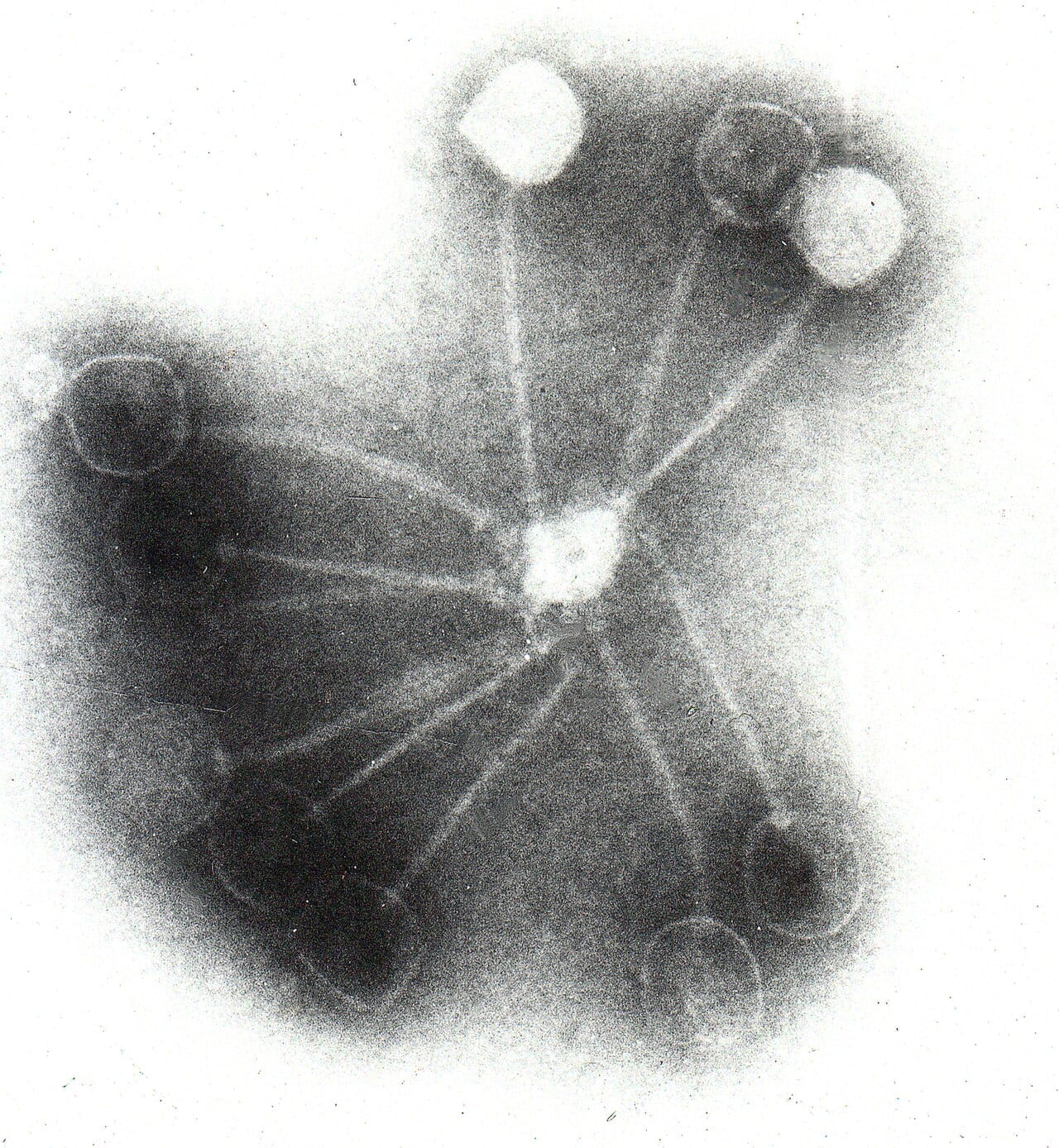
Anthropic's biology team shared a discovery on Nov. 4, 20261. Claude helped them map the first 3D shape of a vault particle found in bacteria2. Vault particles are large.
They are hollow shells built from protein, and Leonard Rome and Nancy Kedersha found them in human cells in 1986. Forty years later, their function stays a mystery.
Rome still studies the question. Anthropic brought him on as a paid advisor1. Matthew Durrant, one of the Anthropic scientists on the project, shared the new data with him.
"Will we find out that they are all doing the same thing? Or will we see an evolutionary development of vault function? Maybe they are doing the same thing as human vaults, and that is also very interesting," Rome said1.
Claude searches 15 billion proteins for a relative
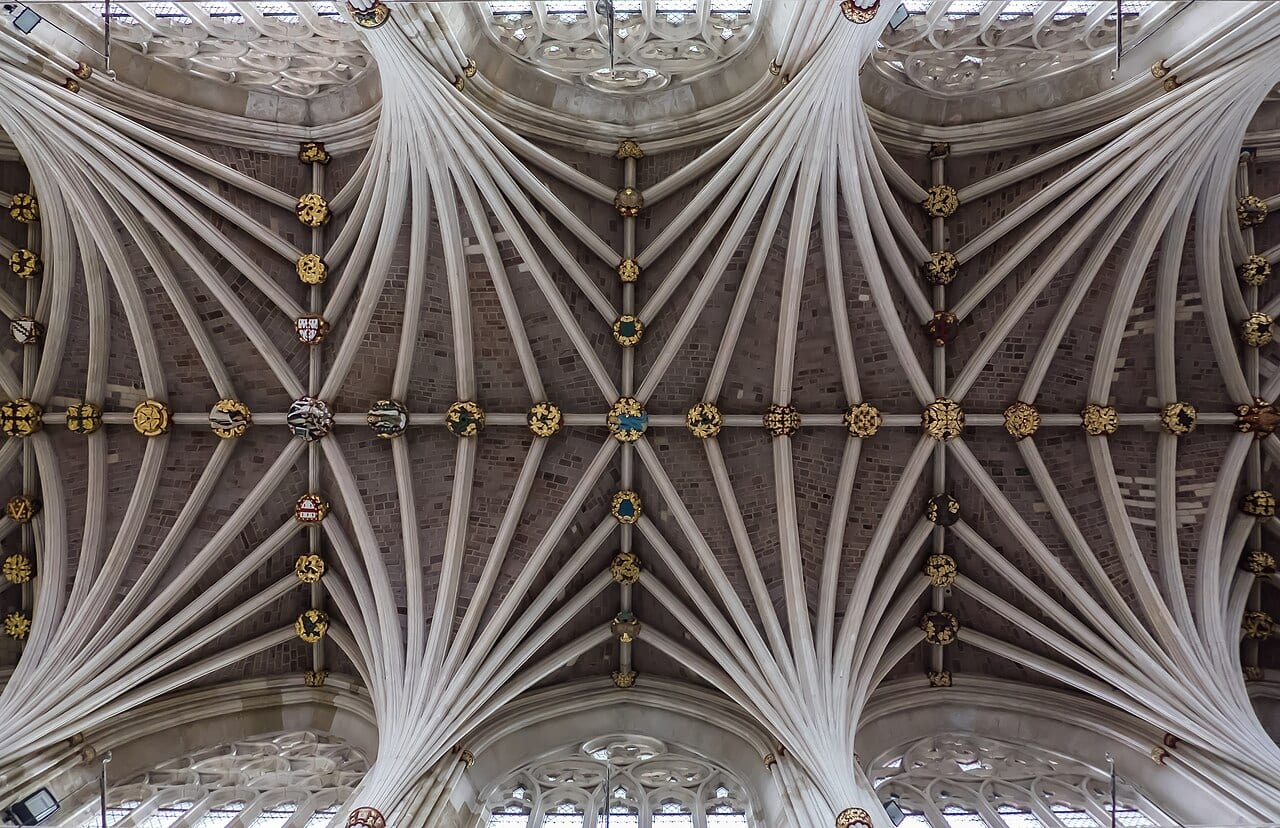
Vaults sit in almost every cell in our bodies. Each one weighs about three times as much as a ribosome, the cell's protein factory1. Rome and Kedersha named them for what they saw under an electron microscope. The ribbed shell reminded them of a cathedral's vaulted ceiling.
Scientists had only ever found the shells in eukaryotes, the complex cells of animals and plants. Bacteria are prokaryotes, simpler cells that stayed off that list until now.
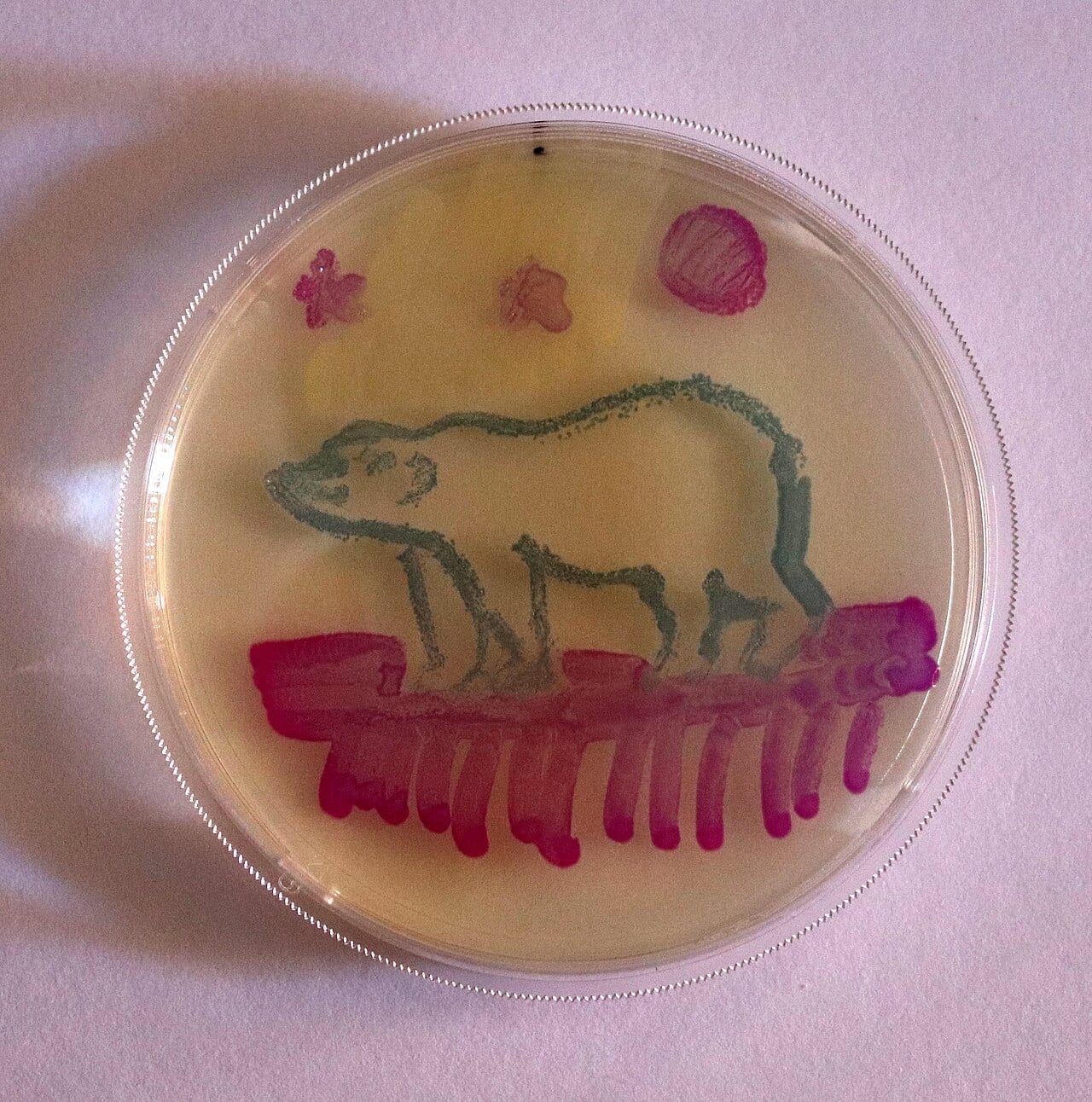
Anthropic's team wanted to know if a bacterial cousin existed. Claude searched a database of about 15 billion predicted proteins for a match to the known vault protein1. It found relatives spread across 29 groups of bacteria and four of archaea.
They turned up in under 1 percent of species with a mapped genome, which is why the structure stayed hidden this long.
A three-day step becomes 90 minutes
The team picked 44 candidate proteins and tested each one. Fifteen of twenty-four produced soluble protein once moved into living E. coli1.
Then came the hard part: pulling a vault-sized particle out of a cell in one piece. The usual method spins a sample through sugar for three days, or about 72 hours1. Claude argued against trying something faster at first, worried that clumps of broken protein would ruin the result.
The team tried anyway. Claude recommended a column and a way to track the protein. The new method took about 90 minutes, or 1.5 hours.
Claude's method isolates a vault particle in 1.5 hours, against 72
Time to pull a vault particle out of a cell for microscopy, Anthropic's lab, Nov. 4, 2026
Each column is one isolation method; the short column is the size-exclusion approach Claude helped design, against the three-day sugar-gradient spin it replaced.
Source: Anthropic [1]. Chart by Ryan Elliott Dennis.
The numbers behind this chart
| Item | Value |
|---|---|
| Usual method | 72 hrs |
| Claude's method | 1.5 hrs |
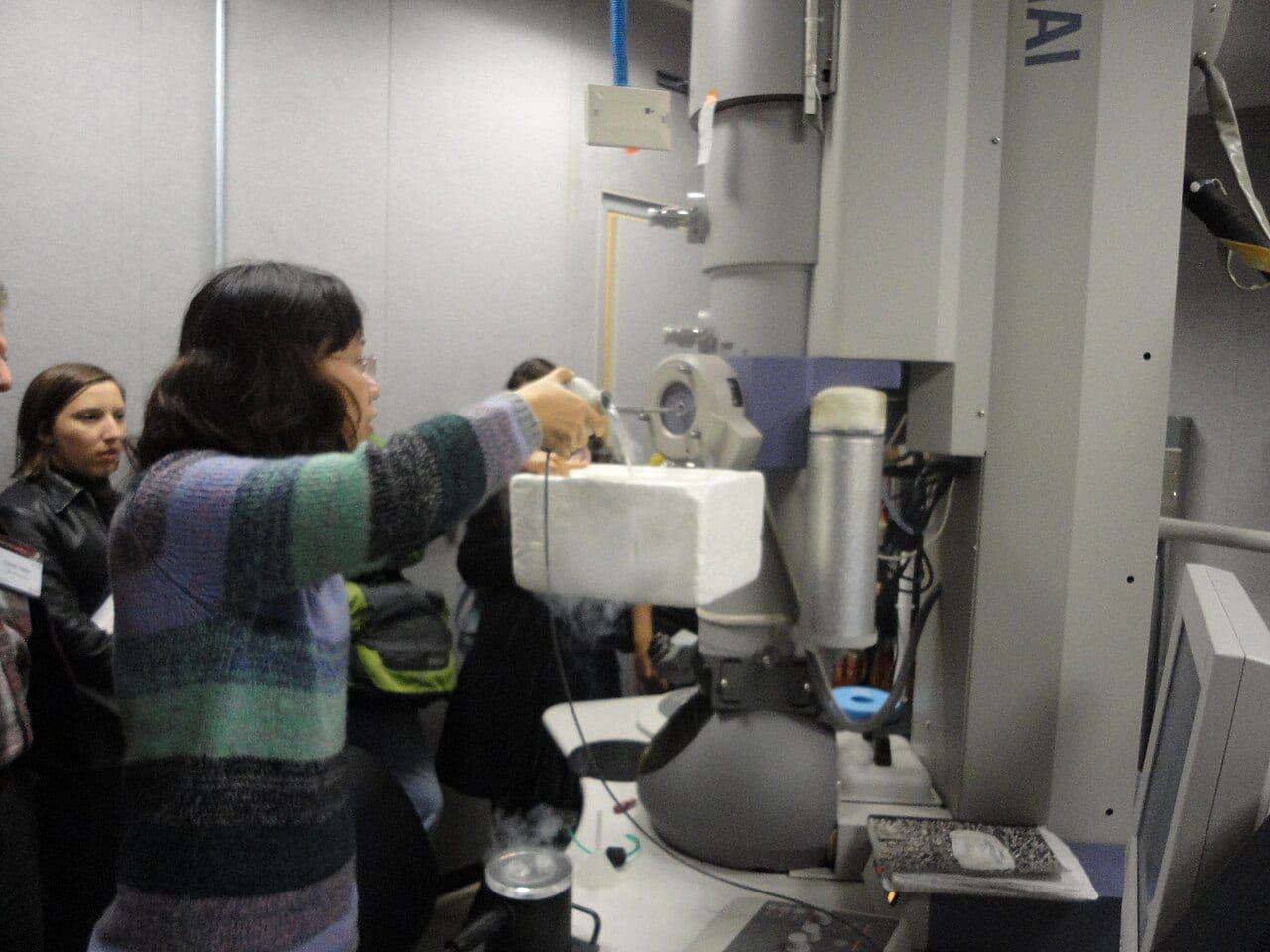
Seven of the 15 candidate proteins formed vault-like shapes under a microscope1. Cryo-electron microscopy freezes thousands of copies of a particle and photographs them with an electron beam. The technique confirmed the vault shape in four.
Working through Claude, the team had a first structural model in 34 hours. That step normally takes weeks of manual work.
The shape, and the mistakes inside it
They chose one phage protein, named L05, for a detailed structure. Its vault holds 96 copies of L05, compared with 78 in the human version1. The phage vault runs 54 nanometers long and 45 wide, against 67 by 40 in the human version. It encloses about a quarter more space despite being shorter.
Claude also flagged an unidentified small molecule inside each copy. Its shape matches coenzyme A, a common helper molecule cells use elsewhere, and its exact role stays unconfirmed.
Claude's bacteriophage vault runs 13 nanometers shorter than ours, but wider for its size
Length and width of the phage vault Claude mapped against the human vault, in nanometers, Anthropic's cryo-EM measurements, Nov. 4, 2026
Each row compares one measurement; the magenta dot is the phage vault Claude mapped, the blue dot is the human vault, and the rod is the gap between them.
Source: Anthropic [1]. Chart by Ryan Elliott Dennis.
The numbers behind this chart
| Item | Phage vault (L05) | Human vault |
|---|---|---|
| Length | 54 nm | 67 nm |
| Width | 45 nm | 40 nm |
Claude made real mistakes too. It wrote a growth protocol with an additive that blocks DNA from entering cells1. The mistake cost the team two weeks.
Early in the imaging work, Claude skipped a standard step, and the model it produced blended with its own mirror image.
Anthropic told Claude to stop improvising: "Please let's do normal things unless they don't work"1.
A pause lands the same afternoon
Ansari posted hours before Anthropic did, at 1:54 p.m. Eastern on the same day3. Her message named one thing: a demand.
"Top of the Democratic agenda on day 1 needs to be a pause on advanced AI development, regulation of this out of control industry, and a ban on artificial superintelligence," Ansari wrote3.
Congresswoman Yassamin Ansari@RepYassAnsariTop of the Democratic agenda on day 1 needs to be a pause on advanced AI development, regulation of this out of control industry, and a ban on artificial superintelligence.
Ansari is one of ten House Democrats who back H.R.10538, the Ban Artificial Superintelligence Act of 20264. Alexandria Ocasio-Cortez and Ro Khanna are two more.
The bill defines superintelligence as a model that beats human performance across most tasks. It would pause frontier model work until a new federal agency exists. A Cabinet-level Department of Artificial Intelligence would run that agency.
Sen. Bernie Sanders introduced a companion bill in the Senate. He framed the stakes in September.
"In my view, we cannot simply sit by idly and wait for advanced AI to cause the next 9/11 or Chernobyl or a global pandemic or a financial crisis before we take action to protect the American people and, of course, the people of the world," Sanders said4.
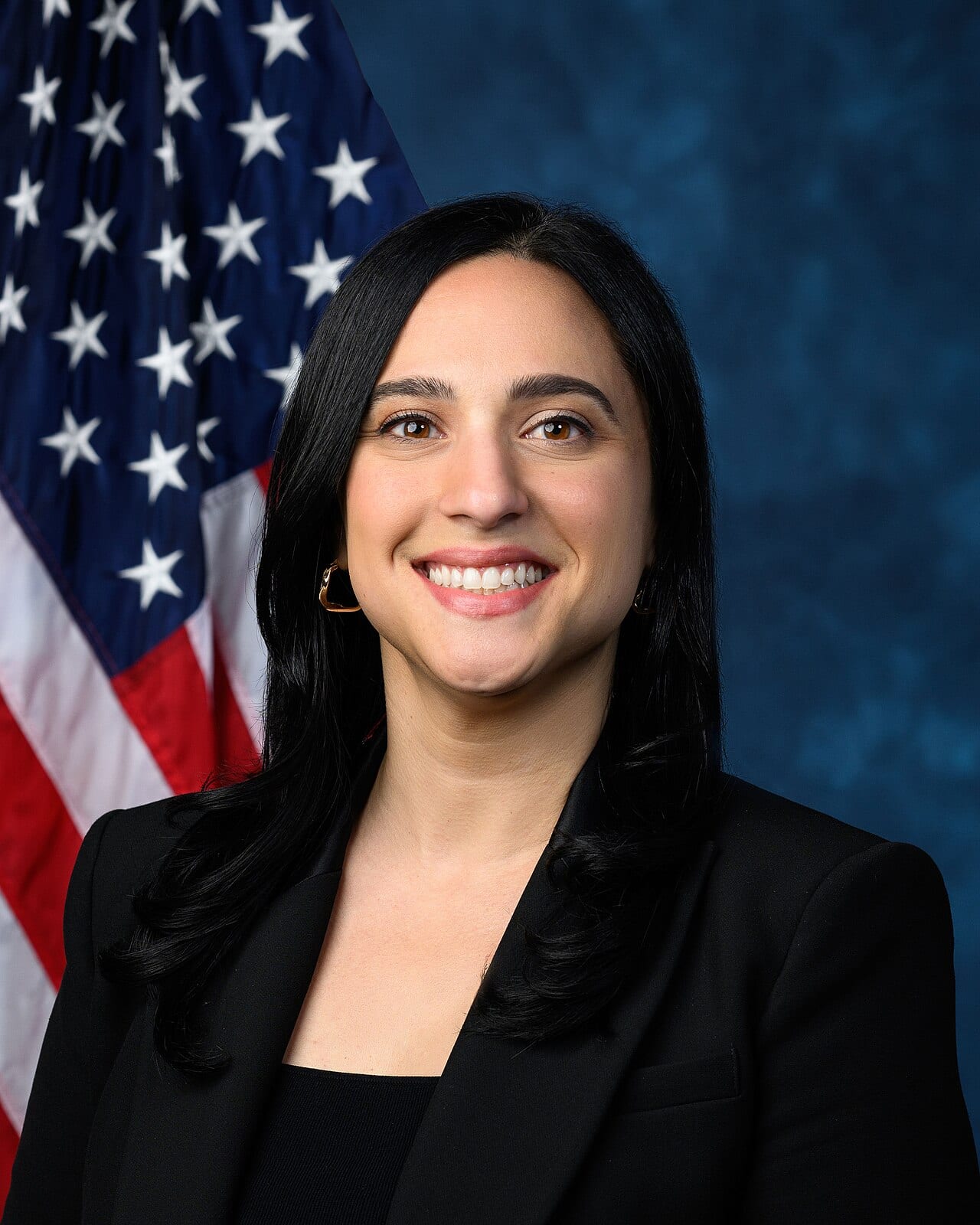
Rome's view sits far from the Capitol. He is a scientist who got a result, and he said so plainly.
"Figuring out the function of vaults is still enormously challenging. I am pleased that Anthropic has so much good data," he said1.
His praise answers one question: did Claude speed up a real experiment. Ansari's question, about the pace and the risk behind it, stays for Congress to answer.
What to do
Read a vendor's "AI accelerated our science" claim the way Anthropic treated its own. List what sped up. Then list what went wrong. Anthropic named its own two-week setback that same way.
Weigh where a pause bill and a lab result overlap. H.R.10538 would freeze frontier model work before an agency exists to review cases exactly like this one. A reader weighing that tradeoff needs the mistakes column as much as the discovery.
By the numbers
- 15 billion: predicted proteins Claude searched to find a vault protein relative1.
- 96 copies: protein chains built into the phage vault Claude helped map, against 78 in the human version1.
- 90 minutes: how long Claude's isolation method took, down from three days1.
- 34 hours: time to a first structural model, a step that normally takes weeks1.
- Two weeks: the setback from a Claude-written lab protocol that used the wrong additive1.
- Ten House Democrats, Ansari among them, cosponsor the bill to ban artificial superintelligence4.
- 2,440 favorites had reached Anthropic's announcement by the evening it posted2.
- One point is what the discovery earned on Hacker News the same day5.
What to watch
Anthropic says it will post the full preprint once its bioRxiv submission goes live1. It will release the vault's structural data too.
Watch whether the team's next update says Claude's error rate kept falling. That fact would answer whether faster science is also getting safer. A committee vote on H.R.10538 would turn Ansari's demand into a timeline Congress has to keep.
Sources
- Anthropic Life Sciences Team, "Investigating vault particles with Claude," Anthropic, Nov. 4, 2026, https://www.anthropic.com/research/investigating-vault-particles-with-claude
- Anthropic, "We're sharing how our biology research team worked with Claude to map the first 3D structure of a vault particle from bacterial life," X, Nov. 4, 2026, https://x.com/AnthropicAI/status/2118073665296228863
- Yassamin Ansari, "Top of the Democratic agenda on day 1 needs to be a pause on advanced AI development, regulation of this out of control industry, and a ban on artificial superintelligence," X, Nov. 4, 2026, https://x.com/RepYassAnsari/status/2118054336077127797
- Molly Parks, "Ten Democrats, including AOC, back AI superintelligence ban," Washington Examiner, Sept. 24, 2026, https://www.washingtonexaminer.com/news/house/4742484/ten-democrats-aoc-back-ai-superintelligence-ban/
- artninja1988, "Investigating Vault Particles with Claude," Hacker News, Nov. 4, 2026, https://news.ycombinator.com/item?id=50371274