Colorado's governor signed a sweeping AI law on May 17, 20246. A federal court froze that law on April 27, 2026, after the Justice Department joined a private lawsuit against it17. Colorado's legislature rewrote the law seventeen days later, and pushed its start date back again.
A task force opened in January 2026 just to fight laws like Colorado's4. It skipped filing a case of its own. One timely intervention did the work.
Washington Builds a Task Force First
President Trump signed Executive Order 14365 on Dec. 11, 20252. It told the attorney general to draft a national AI policy. That policy was meant to clear away state rules in its path. The order gave her thirty days to stand up a task force built only to fight those state laws3.
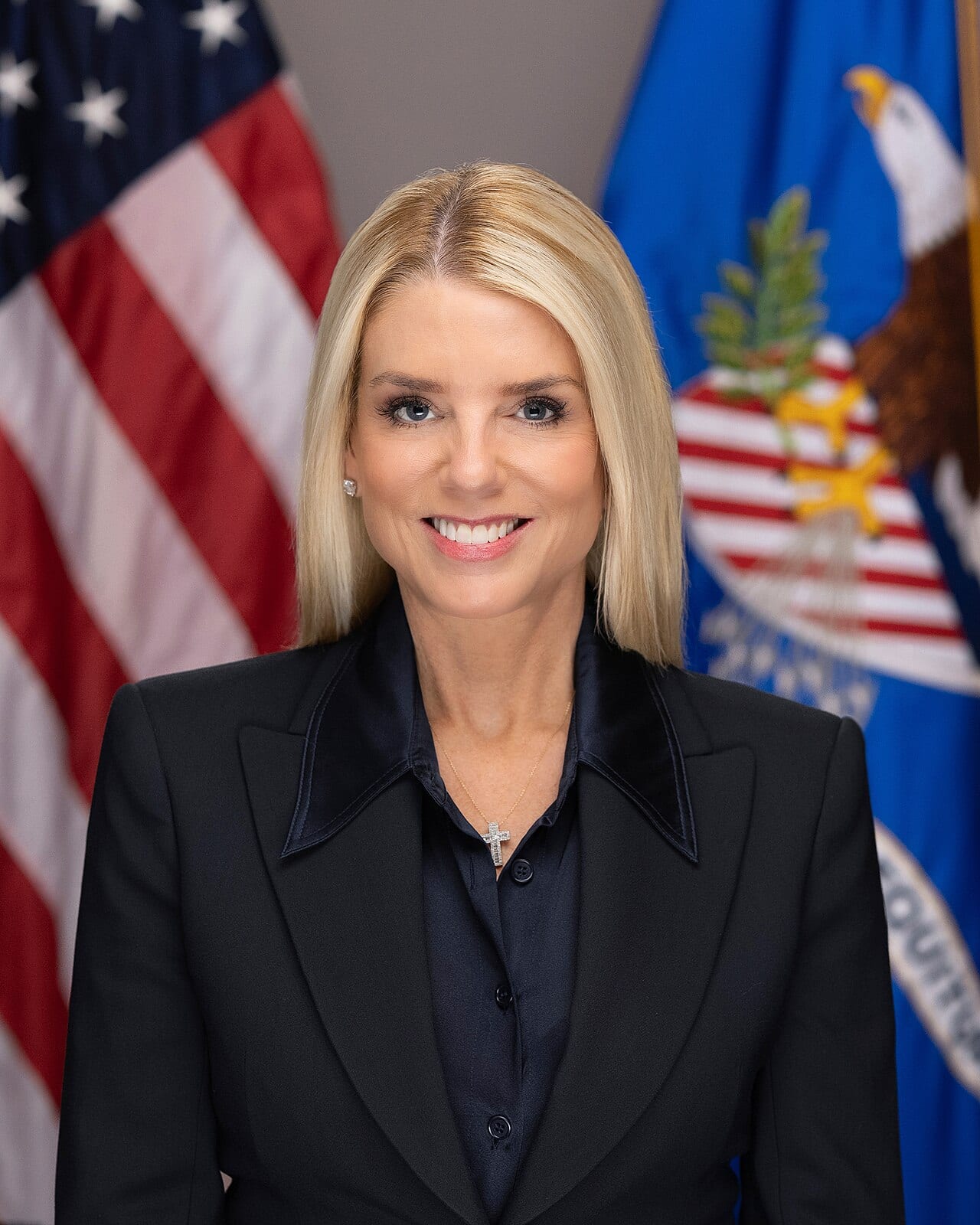
Pam Bondi met that deadline. Her Artificial Intelligence Litigation Task Force opened in January 20264. Bondi or her pick chairs it, with the associate attorney general as vice chair. Its mandate stayed narrow: challenge state AI laws that violate the Constitution, choke interstate commerce, or clash with federal rules.
The order spoke only in general terms, skipping any single state by name. Lawyers flagged Colorado within weeks anyway, grouping it with California and Texas as an early target3.
Each of those three states already enforces its own AI statute. New York's follows in 2027, and Colorado makes a fifth: 5 of the 50 states carry a comprehensive AI law1012.
5 of 50 States Wrote a Comprehensive AI Law
States with a comprehensive AI law in force or due by Jan. 1, 2027, per NCSL and state records through Oct. 2026
Each magenta cube is one state with a comprehensive AI law in force or scheduled; each gray cube is one of the other states.
Sources: National Conference of State Legislatures [10]; Wikipedia [12]. Chart by Ryan Elliott Dennis.
The numbers behind this chart
| Item | Value |
|---|---|
| Wrote a comprehensive AI law | 5 |
| Other states | 45 |
| Whole | 50 |
One Company's Suit Becomes Washington's Opening
xAI sued Colorado's attorney general, Phil Weiser, on April 9, 20265. The company wanted to block the state's algorithmic-discrimination law before it took effect. It argued the law's own term, "historical discrimination," read too vague to enforce.

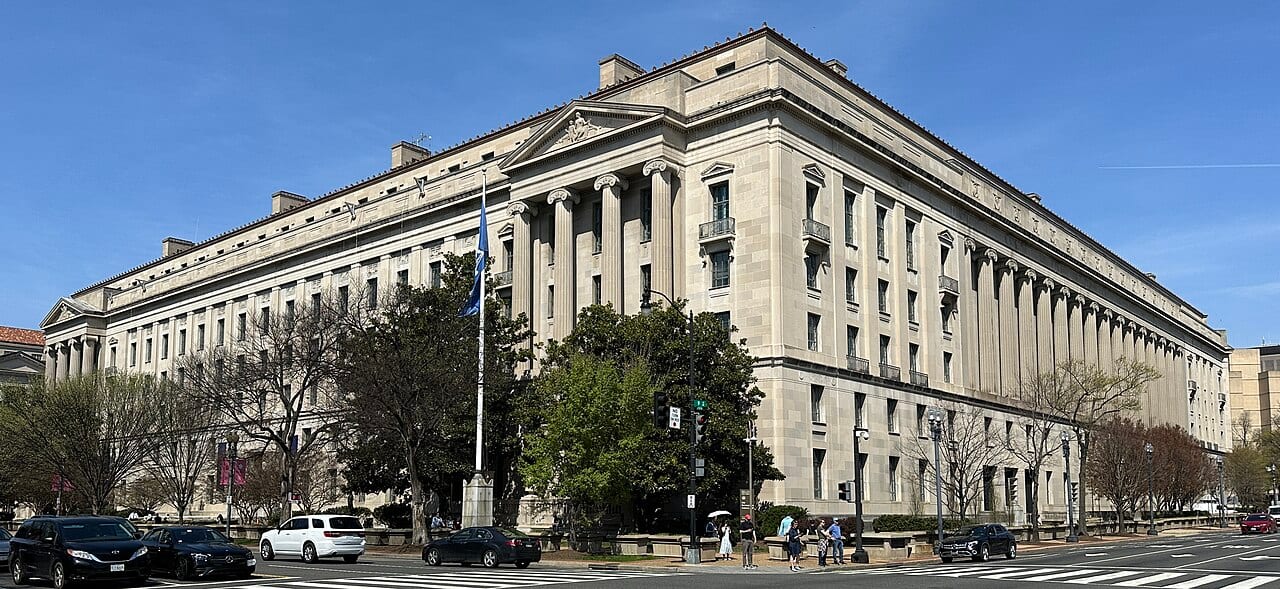
The Justice Department joined that fight on April 241. Two of its divisions argued the law broke the Constitution's Equal Protection Clause. "Laws that require AI companies to infect their products with woke DEI ideology are illegal," said Harmeet Dhillon, who leads the department's Civil Rights Division.
DOJ Civil Rights Division@CivilRightsJustice Department Intervenes in xAI lawsuit Challenging Colorado’s ‘Algorithmic Discrimination’ Law
“Laws that require AI companies to infect their products with woke DEI ideology are illegal,” said @AAGDhillon. “The Justice Department will not stand on the sidelines while… pic.twitter.com/sSZkPIIeek
Brett Shumate runs the department's Civil Division. He framed the case in national terms. "America's success in the AI race will depend on removing barriers to innovation and adoption across sectors," Shumate said1.
A federal magistrate judge answered three days later. The court froze enforcement of Colorado's law on April 27. Both xAI and Weiser's own office had asked for that order7. Weiser had called the law "really problematic" before the suit ever landed5.
Colorado Rewrites Its Own Law
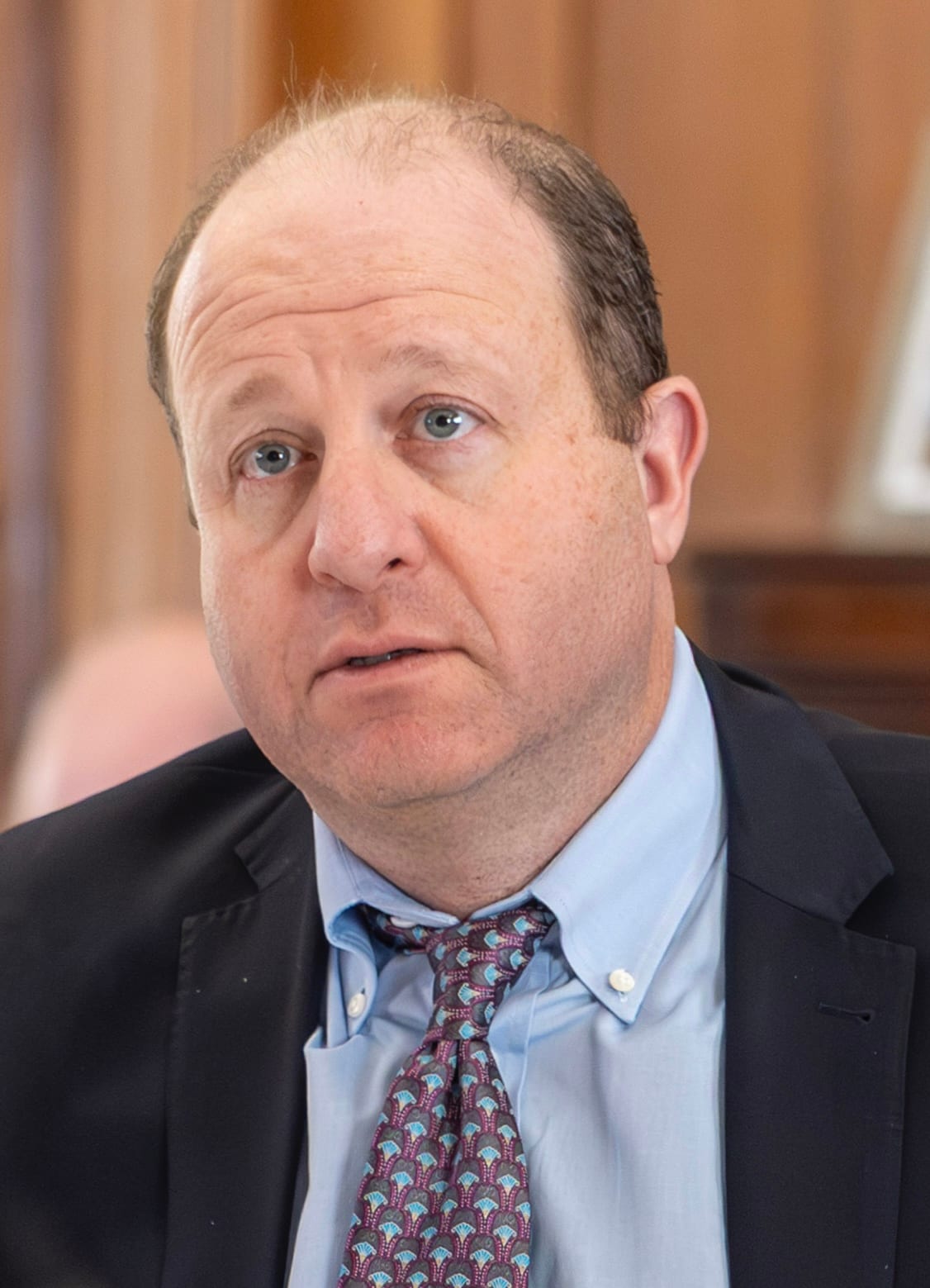
Colorado's legislature moved fast once the freeze landed. Gov. Jared Polis signed SB 26-189 on May 14, repealing the original framework and writing a narrower one in its place7. The new law trades detailed impact studies for a simpler notice duty, and pushes its own start date to Jan. 1, 2027.
Colorado Rewrote Its AI Law 17 Days After a Federal Stay
Dated moves in Colorado's AI law fight, May 2024 to May 2026, from court filings, Justice Department releases and Colorado's own bill texts
Each pin is a dated move: magenta pins are the Trump administration and the Justice Department, blue pins are Colorado's own actions, and gray pins are the court and xAI.
Sources: U.S. Department of Justice, Office of Public Affairs [1]; Federal Register, via GovInfo [2]; Benton Institute for Broadband & Society [4]; JURIST [5]; Wikipedia [6]; McDermott Will & Emery [7]. Chart by Ryan Elliott Dennis.
The numbers behind this chart
| Date | Event |
|---|---|
| May 17, 2024 | Colorado signs AI law. Gov. Polis signs SB 24-205, due to take effect Feb. 1, 2026. |
| Dec. 11, 2025 | Trump signs the EO. Executive Order 14365 directs the attorney general to build a task force against state AI laws. |
| Jan. 13, 2026 | Bondi opens task force. The Artificial Intelligence Litigation Task Force opens, built only to challenge state AI laws. |
| April 9, 2026 | xAI sues Colorado. xAI sues Colorado's attorney general, seeking to block the law before it takes effect. |
| April 24, 2026 | DOJ joins xAI's suit. The Justice Department intervenes, arguing the law breaks the Equal Protection Clause. |
| April 27, 2026 | Judge freezes the law. A federal court stays enforcement, in an order xAI and Colorado's own attorney general asked for. |
| May 14, 2026 | Colorado signs rewrite. Gov. Polis signs SB 26-189, delaying the law's start to Jan. 1, 2027. |
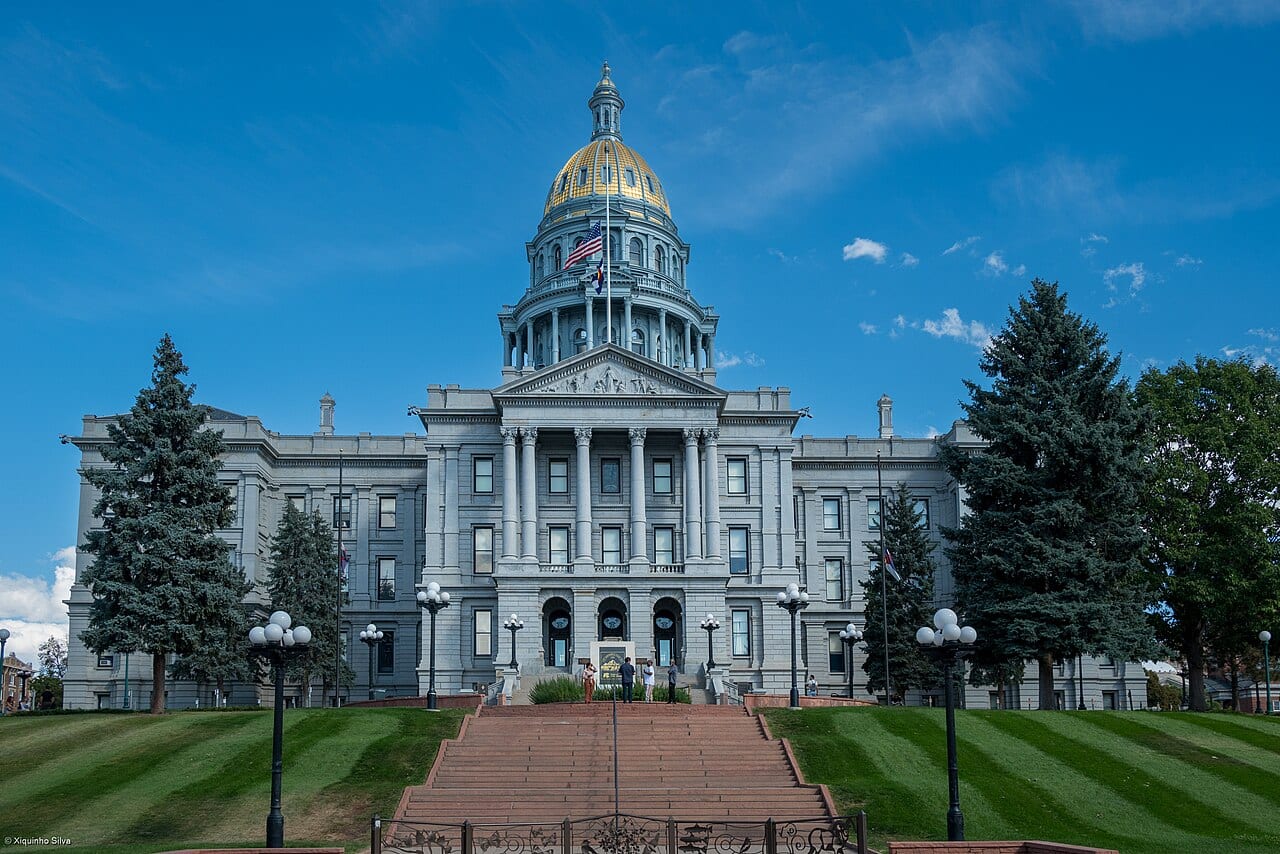
The April 27 stay still covers Colorado today. Its terms reach past the repealed law and onto its replacement. The state's attorney general must wait to enforce either one, until the courts and the state's own rulemaking catch up9.
That office filed its draft rules on Aug. 11, 202611. Both the rules and SB 26-189 take effect the same January day.
Both Sides of One Freeze
Shumate's division speaks for the case Washington wants told. Its theory treats a state fairness rule as a federal problem1. One Equal Protection claim, it argues, can unwind that rule faster than any new statute could.
State Rep. Brianna Titone helped write the law Washington is fighting. She reads the same text and sees the opposite purpose. "The whole point of the law that we put in place was to prevent discrimination," Titone said, answering the lawsuit's core claim directly8.
Her co-sponsor, state Rep. Manny Rutinel, put the stakes in plainer terms. Coloradans, he said, "deserve technology that works for everyone, not just billionaires"8.
Both sides agree on one fact: a court, inside one lawsuit, decided which version of Colorado's law stands for now. The task force's own ledger stays thin. Ten months after it formed, its public record holds one filing, and that filing joined a fight xAI started on its own.
What to Do
Treat Jan. 1, 2027 as a live date, open to another court order, if your firm answers to Colorado's deployer duties. The stay covers the law today. It lifts the moment the court rules on xAI's injunction request, or the state finishes its own rules, whichever comes first.
Check your own state's AI statute against this pattern, before anyone calls it settled. A single federal intervention moved Colorado's law twice in one year. Lawyers tracking the task force count California and Texas on its own target list.
Track the task force's next filing through its own court docket, ahead of any rumor. One intervention told you how it fights; a second filing, under its own name, will tell you how often.
By the Numbers
- 17 days: how long Colorado's freeze lasted before lawmakers signed its replacement law7.
- Dec. 11, 2025: President Trump signed the order that built the task force2.
- Thirty days: how long that order gave the attorney general to open the task force3.
- April 9, 2026: xAI sued Colorado's attorney general over the original law5.
- Two: Justice Department divisions argued Colorado's law breaks the Equal Protection Clause1.
- Jan. 1, 2027: Colorado's replacement law and its implementing rules both take effect11.
- Five of 50: states with a comprehensive AI law in force or scheduled, counting California, Texas, Colorado, Connecticut and New York1012.
What to Watch
Watch Colorado's attorney general close the rulemaking process before Jan. 1, 2027911. The stay, the statute and the new rules all point toward that same date. A second filing under the task force's own name would say more than this one did, and it has yet to land.
New York's RAISE Act reaches its own Jan. 1, 2027 start date under the same pressure12. Its fate will say whether Colorado's path was the rule, or the exception.
Sources
- Office of Public Affairs, "Justice Department Intervenes in xAI lawsuit Challenging Colorado's 'Algorithmic Discrimination' Law," U.S. Department of Justice, April 24, 2026, https://www.justice.gov/opa/pr/justice-department-intervenes-xai-lawsuit-challenging-colorados-algorithmic-discrimination
- Executive Office of the President, "Executive Order 14365: Ensuring a National Policy Framework for Artificial Intelligence," Federal Register, via GovInfo, Dec. 11, 2025, https://www.govinfo.gov/app/details/DCPD-202501186
- Duane C. Pozza, Kathleen E. Scott, Alexandrine De Bianchi and Lauren N. Lerman, "White House Issues Executive Order to Promote National AI Policy Framework and Challenge Certain State AI Laws," Wiley Rein LLP, Dec. 15, 2025, https://www.wiley.law/alert-White-House-Issues-Executive-Order-to-Promote-National-AI-Policy-Framework-and-Challenge-Certain-State-AI-Laws
- Benton Institute staff, "Artificial Intelligence Litigation Task Force," Benton Institute for Broadband & Society, Jan. 13, 2026, https://www.benton.org/headlines/artificial-intelligence-litigation-task-force
- Ben Golin, "Colorado sued by xAI over supposed constitutional violations in new AI bill," JURIST, April 11, 2026, https://www.jurist.org/news/2026/04/xai-sues-colorado-over-constitutional-violations-in-new-ai-bill/
- Wikipedia contributors, "Colorado AI Act," Wikipedia, retrieved Nov. 8, 2026, https://en.wikipedia.org/wiki/Colorado_AI_Act
- McDermott Will & Emery, "Colorado AI Law in Flux: Comprehensive Replacement Bill Signed After Federal Court Blocks Predecessor's Enforcement," May 27, 2026, https://www.mcdermottlaw.com/insights/colorado-ai-law-in-flux-comprehensive-replacement-bill-signed-after-federal-court-blocks-predecessors-enforcement/
- Julia Edinger, "Lawsuit Targets Colorado's AI Law as Its Successor Is Drafted," Government Technology, April 29, 2026, https://www.govtech.com/artificial-intelligence/lawsuit-targets-colorados-ai-law-as-its-successor-is-drafted
- Warden AI, "Colorado SB 26-189 Enforcement Stay: Litigation and HR Compliance Outlook," July 24, 2026, https://www.warden-ai.com/resources/colorado-sb-26-189-enforcement-stay
- Will Clark, quoted in "As Congress Deliberates, States Lead the Way on AI Regulation," National Conference of State Legislatures, Oct. 21, 2026, https://www.ncsl.org/state-legislatures-news/details/as-congress-deliberates-states-lead-the-way-on-ai-regulation
- Simone R.D. Francis and Zachary V. Zagger, "Colorado Unveils New Proposed Rules Implementing Revamped AI Act," Ogletree Deakins, Aug. 28, 2026, https://ogletree.com/insights-resources/blog-posts/colorado-unveils-new-proposed-rules-implementing-revamped-ai-act/
- Wikipedia contributors, "Regulation of Artificial Intelligence in the United States," Wikipedia, retrieved Nov. 8, 2026, https://en.wikipedia.org/wiki/Regulation_of_artificial_intelligence_in_the_United_States