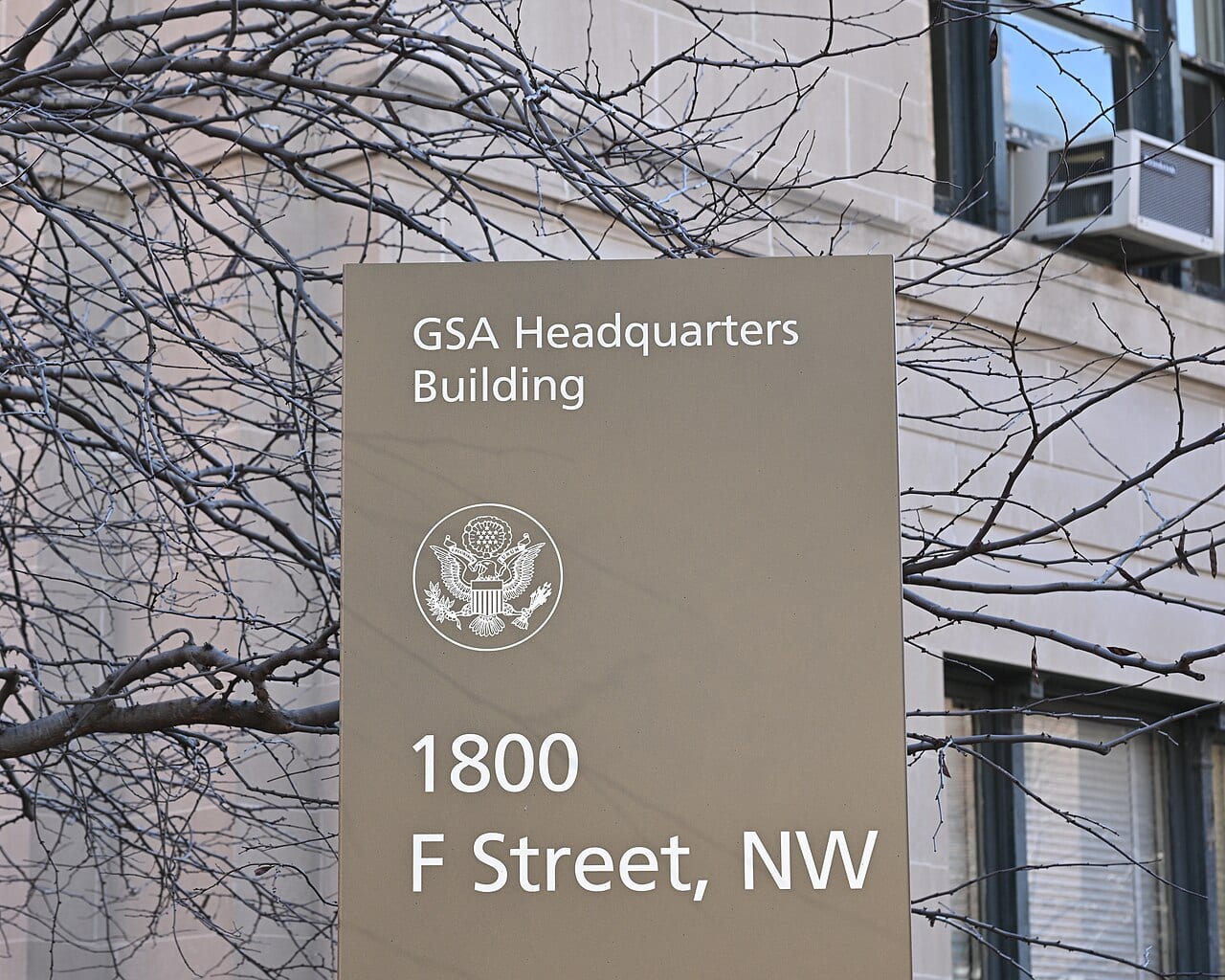
Anthropic got cheaper this week. For most of the government, it also got bigger.
The General Services Administration cut Claude's price 40 percent on Monday, for every layer of government that wants it1. Pentagon systems want it kept out instead. A federal court said in September that the Pentagon gets to keep it that way4.
Two Deals, Two Answers
GSA's new OneGov agreement drops Claude's token price 40 percent for federal, state, local, tribal and territorial buyers1. Every agency pays only for what it uses, with zero minimum purchase required.
The discount now reaches Claude's government-only, FedRAMP-approved setup too, the version built for sensitive unclassified work1. Roughly 500 U.S. government organizations already use Claude in some form2.
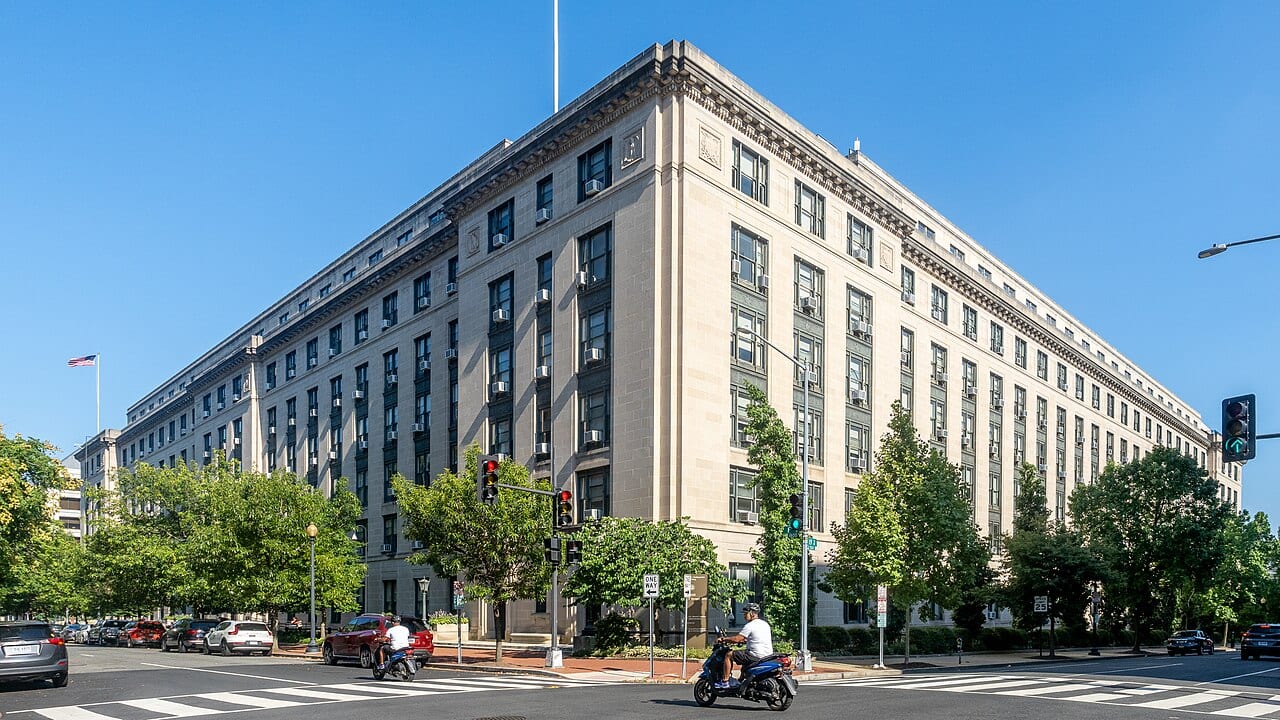
The Pentagon answered a different question in September, and the answer favored the Pentagon. A three-judge panel upheld the Department of War's decision to list Anthropic as a supply-chain risk, by a vote of 2 to 14. That label keeps Claude off Pentagon systems entirely.
One Vote Keeps Claude Off Pentagon Systems, 2 to 1
How the three-judge D.C. Circuit panel ruled on Anthropic's supply-chain risk designation, Sept. 25, 2026
Each cube is one judge on the panel; the two magenta cubes upheld the Pentagon's designation, and the gray cube is Judge Henderson's dissent.
Sources: Military Times [4]; ABC News [5]. Chart by Ryan Elliott Dennis.
The numbers behind this chart
| Item | Value |
|---|---|
| Upheld the designation | 2 |
| Dissented | 1 |
| Whole | 3 |
Both decisions trace back to one choice Anthropic made in March. The company drew a line against fully autonomous weapons. It drew the same line against mass domestic surveillance4.
Civilian agencies read that limit as a selling point. The Pentagon read it as a flaw.
What the Pentagon Refused to Buy
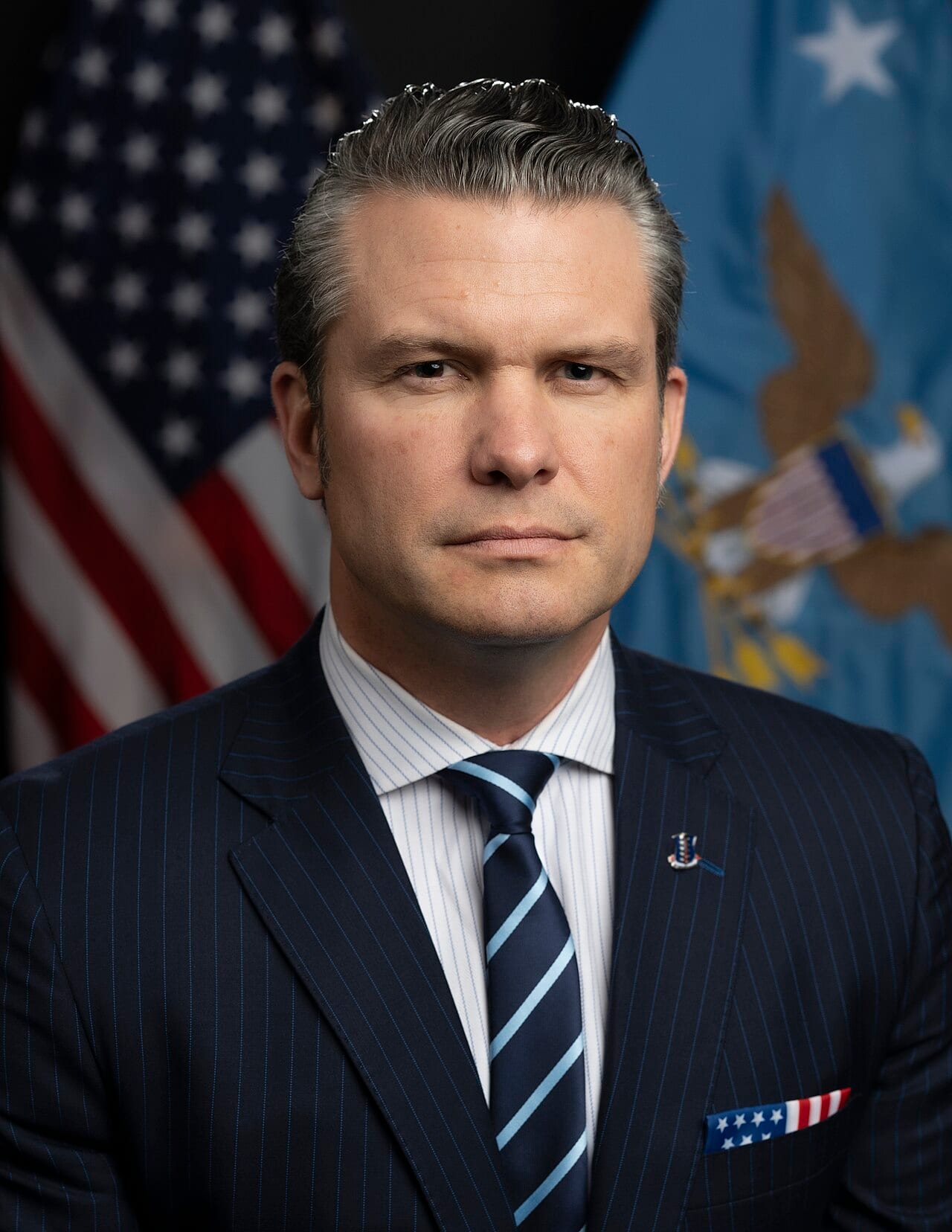
Defense Secretary Pete Hegseth celebrated the ruling on social media. He used the same language he had used when the designation first stood. "Confirmed: @AnthropicAI = Supply Chain Risk," Hegseth posted. "The @DeptofWar does what is right for the Country and our Warriors"5.
Pete Hegseth@PeteHegsethConfirmed: @AnthropicAI = Supply Chain Risk.
The @DeptofWar does what is right for the Country and our Warriors. https://t.co/xERtGRh6Kc
Pentagon spokesman Sean Parnell framed the ruling the same way, calling it a full win. "The Department of War will NEVER compromise on national security," Parnell posted. "Today's DC Circuit Court ruling completely validates the Department's position"5.
Judge Gregory Katsas wrote the panel's majority opinion, and he sided with the Pentagon on the substance, past the politics alone. He wrote that the government faced "the deeply sobering prospect of overly constrained AI models shutting down unexpectedly and thus causing important military operations to fail"4.
Katsas is describing a battlefield failure: a weapon that stops working because its maker built in a limit. The tell sits in what the line skips: a weapon that keeps working, with every limit stripped away, carries its own danger too.
The Dissent Anthropic Is Betting On
One judge disagreed, and Anthropic is building its next appeal on her reasoning. Judge Karen Henderson dissented from the panel's ruling5. Her argument: the statute was built for a different kind of problem entirely.
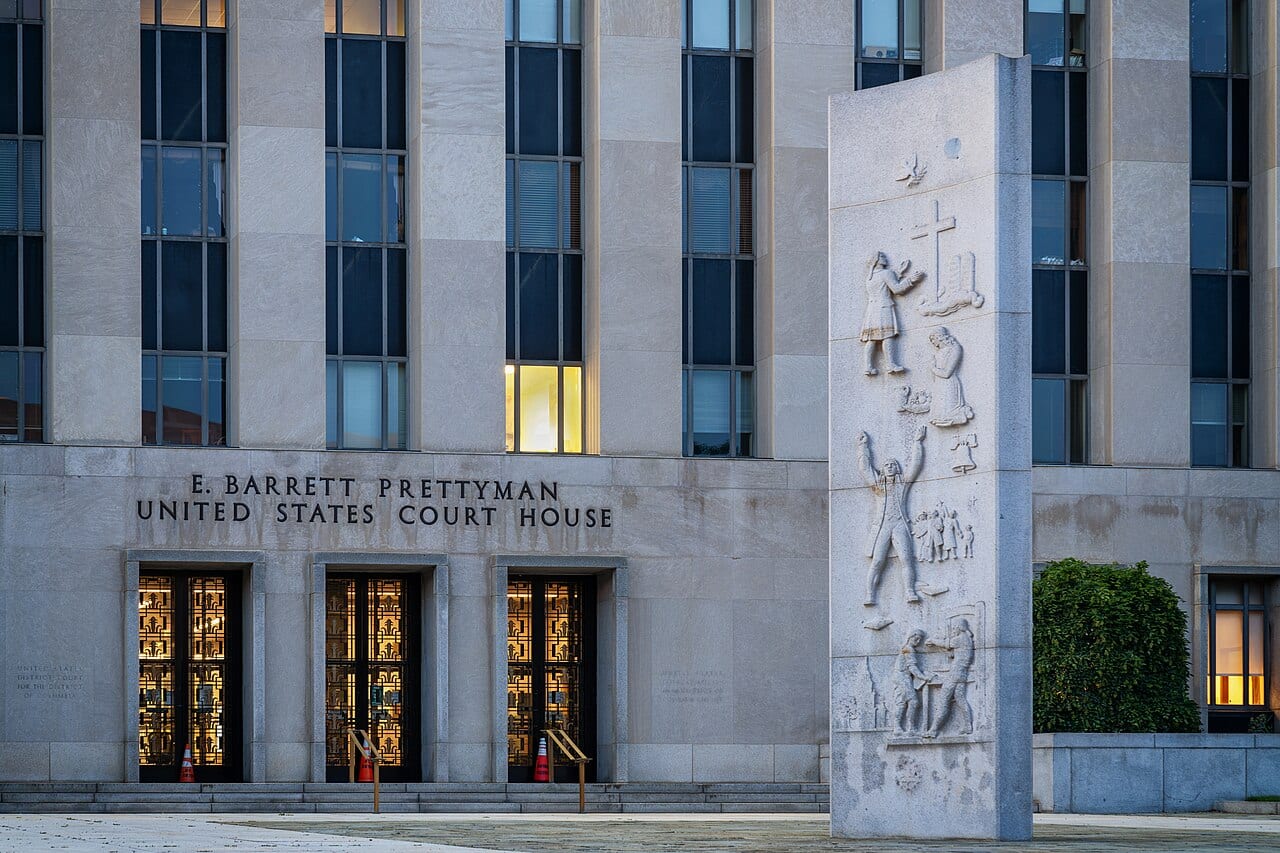
Henderson wrote that the law "does not treat 'a contractor's honest and upfront enforcement of restrictions' as the kind of supply-chain risk that permits the government to blacklist it"5.
Henderson's line separates two things. One is a company that hides a flaw. The other is a company that discloses a limit on purpose. Anthropic says only the second description fits it.
Anthropic asked the full D.C. Circuit to rehear the case on Oct. 13. The company skipped past the three-judge panel's word and went straight for the full court6.
Its petition calls the designation potentially "crushing, even fatal". A single label, it argues, can push a contractor out of the defense industry. That cost can reach far beyond the Pentagon itself.
A separate court already sided with Anthropic. Judge Rita Lin, in San Francisco, struck down a related designation in September, under a different law. She found the administration had retaliated against Anthropic unlawfully for its safety views4.
That ruling sits beside the D.C. Circuit case, apart from it. Each court's word still waits on the other's question.
Why the Civilian Side Keeps Growing
Away from the Pentagon, Claude's government numbers tell a plain growth story. Weekly users of Claude for Government have grown roughly 8-fold since February2. Usage across federal civilian agencies is up roughly 20-fold over the same year.
Claude's Federal Civilian Use Grows 20-Fold in a Year, Users 8-Fold Since February
Growth multiples Anthropic reports for Claude inside U.S. government agencies
Each column is one growth figure Anthropic reports; the taller column measures usage across civilian agencies over a full year, the shorter one measures weekly users since February 2026.
Source: Unite.AI [2]. Chart by Ryan Elliott Dennis.
The numbers behind this chart
| Item | Value |
|---|---|
| Users since Feb. | 8x |
| Civilian usage | 20x |
GSA says its full roster of OneGov deals has saved the government more than $1.8 billion since the program started1. That roster spans several AI vendors beyond Anthropic.
Anthropic's own new reporting tools launched this week7. They show why an agency might keep spending once it starts. Tracy Woo, an analyst at the research firm Forrester, said concentrated use is the real budget risk now. "A small group of power users can drive a disproportionate share of costs, turning successful AI adoption into both a productivity win and a budgeting challenge," Woo said3.
That is the tension GSA's consumption-based pricing is built to manage. Agencies now pay for the use they actually rack up. The old flat seat price punished the heaviest users instead.
The Pentagon fight runs on a separate question, one that stays past any discount's reach. It asks whether a vendor's own safety limits make it fit to serve the military at all.
What to do
A reader whose employer buys AI for government work should treat "supply-chain risk" and "banned everywhere" as two different labels. Anthropic's designation blocks Pentagon systems specifically. It leaves every civilian agency free to buy, and GSA's October pricing just made that purchase cheaper.
Watch which limits a vendor states up front. Ask whether your own contract depends on a capability that vendor has already declined to build. Henderson's dissent and Katsas's majority read that same fact in opposite directions. Your procurement risk should follow whichever reading your own agency's court actually adopts.
By the numbers
- 40 percent: the token-price discount GSA added to Claude's government pricing on Oct. 271.
- 20-fold: Claude usage growth across federal civilian agencies over the past year2.
- Eightfold growth: weekly Claude for Government users since February2.
- 500: U.S. government organizations that use Claude in some form2.
- 2 to 1: the appeals panel's vote to uphold the Pentagon's blacklist4.
- $1.8 billion: savings GSA credits to its OneGov program since it started1.
What to watch
Watch the D.C. Circuit's docket for a decision on Anthropic's en banc petition, filed Oct. 13 and still pending6. A grant would put all eleven judges back on a question one panel already split on.
Judge Lin's September finding of unlawful retaliation deserves the same attention. Her ruling answers a narrower legal question than the D.C. Circuit's did, but it gives the full court a second judge's reasoning to weigh against Katsas's4.
Sources
- "GSA, Anthropic Reach OneGov Agreement on Discounted, Consumption-Based Pricing for Claude," U.S. General Services Administration, Oct. 27, 2026, https://www.gsa.gov/about-gsa/newsroom/news-releases/gsa-anthropic-reach-onegov-agreement-on-discounted-consumptionbased-pricing-10272026
- "GSA Expands Anthropic OneGov Agreement with 40% Claude Discount," Unite.AI, Oct. 27, 2026, https://www.unite.ai/gsa-expands-anthropic-onegov-agreement-with-40-claude-discount/
- "GSA expands OneGov agreement with Anthropic, touting steep discounts," FedScoop, Oct. 27, 2026, https://fedscoop.com/gsa-onegov-deal-claude-anthropic/
- "US appeals court upholds Pentagon's blacklisting of Anthropic," Military Times, Sept. 25, 2026, https://www.militarytimes.com/news/pentagon-congress/2026/09/25/us-appeals-court-upholds-pentagons-blacklisting-of-anthropic/
- "Federal appeals court upholds Pentagon designation of Anthropic as supply chain risk," ABC News, Sept. 25, 2026, https://abcnews.com/Business/anthropic-appeals-court-declines-block-pentagon-blacklisting/story?id=136755690
- "Anthropic Asks D.C. Circuit to Rehear Pentagon Supply-Chain Risk Case," Unite.AI, Oct. 13, 2026, https://www.unite.ai/anthropic-asks-d-c-circuit-to-rehear-pentagon-supply-chain-risk-case/
- "Anthropic just launched tools to show companies what their AI spending is buying," TechCrunch, Oct. 28, 2026, https://techcrunch.com/2026/10/28/anthropic-just-launched-tools-to-show-companies-what-their-ai-spending-is-buying