Radiologists in the United States earned an average of $571,000 last year. That is nine percent more than the year before, according to a Medscape compensation study Fortune reported on July 191. Radiology's raise landed in medicine's most automated specialty. The Food and Drug Administration has cleared 1,614 AI medical devices.
Of the total, radiology holds 1,230, 76 percent of the list23. Cardiology holds the next largest share, 154 devices. Neurology holds 73, barely a twentieth of radiology's total. Every other specialty trails far behind.
Radiology holds 1,230 of the FDA's 1,614 AI-cleared devices, 76 percent of the list
FDA-authorized AI-enabled medical devices by lead review panel, decisions through June 29, 2026
Each bar is one medical specialty. The longer the bar, the more AI devices the FDA has cleared for it, and radiology's bar dwarfs cardiology, neurology and every other panel combined.
Sources: U.S. Food and Drug Administration [2]; Complizen [3]. Chart by Ryan Elliott Dennis.
The numbers behind this chart
| Item | Value |
|---|---|
| Radiology | 1,230 |
| Cardiovascular | 154 |
| Neurology | 73 |
| All other specialties | 157 |
The easy reading says the machine lost. Headlines predicted the end. Pay went up instead, so the forecast must have been wrong. Radiologists kept their jobs.
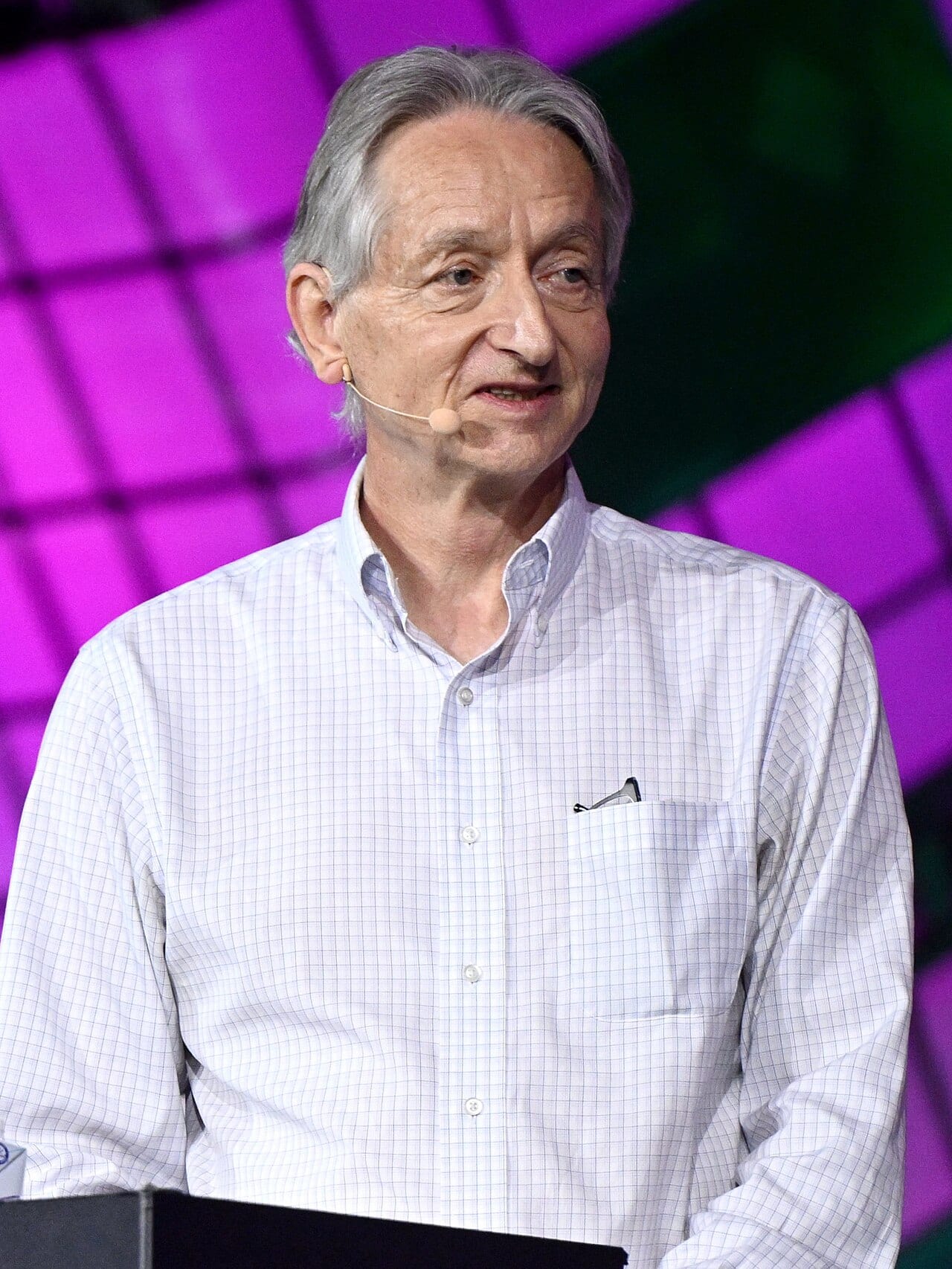
Geoffrey Hinton made that forecast in 2016. The Nobel-winning computer scientist told medical schools to stop training radiologists. "If you work as a radiologist, you're like the coyote that's already over the edge of the cliff but hasn't yet looked down," Hinton said1. He meant it literally.
The FDA's list disagrees. AI did take over the narrow task Hinton named: reading the image. The job was always bigger. That job kept growing.
Dany@danysvntGODFATHER OF AI ADMITS HE WAS WRONG ABOUT RADIOLOGISTS
geoffrey hinton predicted in 2016 that within about 5 years radiologists wouldnt be reading scans anymore
10 years later he gives two reasons he got it wrong
first, making scans cheaper and faster didnt mean hospitals… pic.twitter.com/hkoy0Pwk23
Christoph Herpfer studies physician labor markets at the University of Virginia's Darden School of Business. Health care finance is his main subject. "We actually have a huge shortage of radiologists. So the exact opposite of this prediction has happened," he told Fortune1. Open radiology jobs now outnumber the radiologists available to fill them.
Jeff Chang co-founded Rad AI, a company that automates radiology reports for hospitals nationwide. "If we can save radiologists an hour a day with [Rad AI] reporting, we can help improve productivity by up to 25% or more," Chang said6. He added a line that undercuts his own pitch. "That's still not enough to cover the [radiologist] shortage," he said.
Curtis Langlotz directs Stanford's Center for Artificial Intelligence in Medicine and Imaging. He studies how radiologists and software split the work between them. "A lot of work remains on what is the optimal way for radiologists and AI to work together, but I think the combination of human and machine is better than either one alone," Langlotz said6. Langlotz chose his words with care.
Andrew Moriarity reads scans every day. He leads Advanced Radiology Services in Grand Rapids, Michigan, and calls himself an AI optimist who still checks every flag it raises. The software still hands him a new step to clear on every case. "It doesn't make my job easier — it adds complexity, it adds work, and it adds more to what we call the cognitive or mental load," Moriarity said4.
A national survey in China, the largest of its kind, asked 6,726 radiologists the same question. Frequent AI users reported burnout more often than light users, 40.9 percent against 38.6 percent5. The odds ratio read 1.2. Researchers tied the gap to "elevated work demands and overload," the minutes spent checking every flag the software raised.
Frequent AI users among radiologists report burnout more, 40.9 percent against 38.6 percent
Weighted burnout prevalence by AI-use frequency, 6,726 radiologists surveyed in China, 2024
Each column is one group of radiologists. The taller column, frequent AI users, reports burnout more often than radiologists who use the software rarely.
The survey covers radiologists in China, so a U.S. hospital's workload may look different.
Source: Radiology Business [5]. Chart by Ryan Elliott Dennis.
The numbers behind this chart
| Item | Value |
|---|---|
| Light AI use | 38.6% |
| Frequent AI use | 40.9% |
Someone pays for the hour the software saves. Checking its output spends that hour again, minute by minute. Rad AI and its rivals collect a fee either way. Hospitals report a lower cost per scan read, on paper.
Radiologists carry the part the bill skips. That part stays unbilled. Think of the extra decisions, the extra clicks, the half page explaining why the software's flag was wrong. The same shortage that lifts their pay also leaves fewer colleagues to split that growing load across every shift.
Hinton's forecast misjudged the calendar more than the outcome. Machines took the scan completely. The job turned out to hold far more tasks than the single one Hinton named back in 2016. Radiologists now carry what is left: judgment, liability, the conversation with a frightened patient in the exam room.
Every other white-collar job now facing its own AI forecast should read radiology closely. The machine can finish the task completely. That part already happened. Radiology still needs more people than it used to.
Ai Lately follows that handoff every week in The Signal, the daily email on AI's moves. It tracks who AI displaces and who it just hands more work. Radiology went first. Sign up, and the next industry's numbers land before the headline does.
Sources
- Marco Quiroz-Gutierrez, "A decade after the 'Godfather of AI' said radiologists were obsolete, their salaries are up to $571K and demand is growing fast," Fortune, July 19, 2026, https://fortune.com/article/ai-godfather-radiologists-obsolete-salaries-up-to-571k-demand-growing/
- U.S. Food and Drug Administration, "List of Artificial Intelligence-Enabled Medical Devices," FDA.gov, updated Sept. 4, 2026, https://www.fda.gov/medical-devices/artificial-intelligence-enabled-medical-devices/list-artificial-intelligence-enabled-medical-devices
- Beng Ee Lim, "FDA Has Cleared 1,614 AI Medical Devices. 96% Took the Same Path," Complizen, Sept. 16, 2026, https://www.complizen.ai/post/fda-has-cleared-1614-ai-medical-devices
- Cole van Miltenburg, "AI promised productivity gains for radiologists. Reality is far more complicated," Issue Number One, May 23, 2026, https://issuenumberone.journalism.cuny.edu/2026/05/23/ai-promised-productivity-gains-for-radiologists-reality-is-far-more-complicated/
- Marty Stempniak, "Frequent AI use may increase radiologists' risk of burnout," Radiology Business, Nov. 25, 2024, https://radiologybusiness.com/topics/artificial-intelligence/frequent-ai-use-may-increase-radiologists-risk-burnout
- Kyle Hardner, "Can AI Solve Radiology's Efficiency Crisis?" ITN, July 16, 2026, https://www.itnonline.com/article/can-ai-solve-radiology%E2%80%99s-efficiency-crisis