The Bureau of Labor Statistics expects 5.9 million new jobs over the next ten years. That works out to 3.5 percent growth. The prior decade ran at 10.9 percent1.
That same report opened a new tool that scores every occupation by its exposure to artificial intelligence.
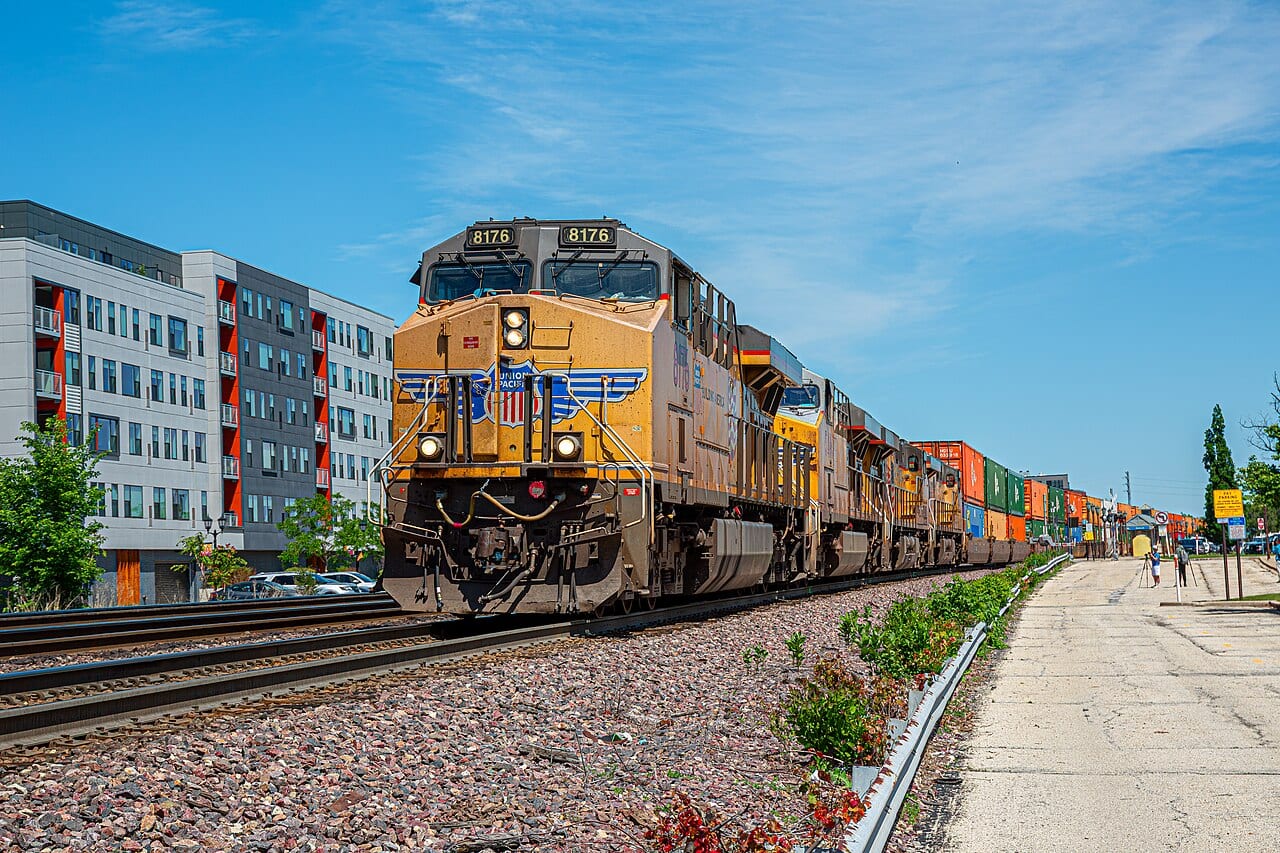
Read that gap the easy way, and AI already ate a decade of hiring. A railroad looks like the proof.
U.S. job growth slows to 3.5 percent a decade, a third of the last one's pace
Projected U.S. employment growth by decade, Bureau of Labor Statistics
Each column is one decade's total U.S. job growth; the 2025-2035 column is the Bureau's own projection, released alongside its new AI exposure tool.
Source: U.S. Bureau of Labor Statistics [1]. Chart by Ryan Elliott Dennis.
The numbers behind this chart
| Item | Value |
|---|---|
| 2015 to 2025 | 10.9% |
| 2025 to 2035 (estimate) | 3.5% |
Union Pacific's third quarter supplies the evidence. Revenue carloads rose 6 percent, while average employment fell 1 percent, to 28,540 workers, down from 28,871 a year before3. A ninth straight productivity record followed.
Union Pacific moves 6 percent more freight with 1 percent fewer workers
Union Pacific, third quarter 2026, year-over-year percent change
Each bar is one measure's year-over-year percent change; the headcount bar is the only one that fell while volume and productivity both rose.
Source: Union Pacific Corporation [3]. Chart by Ryan Elliott Dennis.
The numbers behind this chart
| Item | Value |
|---|---|
| Revenue carloads | 6% |
| Workforce productivity | 5% |
| Average employees | −1% |
Union Pacific's own earnings report skips the words AI and automation alike3. Hunt for the real cause, and a different machine shows up. A labor contract pays for that gap. Signed months before any merger filing, it keeps current jobs filled rather than adding new ones.
SMART-TD, the union covering conductors and yardmasters, calls that contract Jobs for Life. Jim Vena, Union Pacific's chief executive, made the promise himself. "I made a promise to protect the jobs of all unionized employees. Those who have a job when the merger is approved will continue to have one," Vena said4.
The pledge presents itself as a win against automation anxiety. Look at who it actually covers, and the promise only reaches people already on the roster today. Union Pacific and Norfolk Southern separately promised about 900 net new union jobs within three years of the merger's close6. That hiring is meant to handle the growth the deal brings.
Union Pacific alone already counts 28,540 workers on its own payroll. Norfolk Southern's larger workforce joins that math too. Nine hundred new jobs over three years reads as a thin promise against a base that size.
The Surface Transportation Board controls what happens next. It lifted its hold on the merger bid in August and set a schedule, with comments, protests and requests for conditions due Nov. 18, 20267.
A hearing follows in the spring. The deadline for a final ruling runs to Aug. 28, 2027. Federal projections agree. The math is already slow.
The Bureau of Labor Statistics counts 80,500 railroad workers today. It expects 81,100 by 2035, a gain of 600 jobs across the whole decade2. Its own handbook names the reason directly.
Automated systems let a railroad run leaner. That same leaner operation is projected to limit how many openings turn into hires. Most of the 6,100 average yearly rail openings the handbook counts replace retirees, instead of adding new positions.
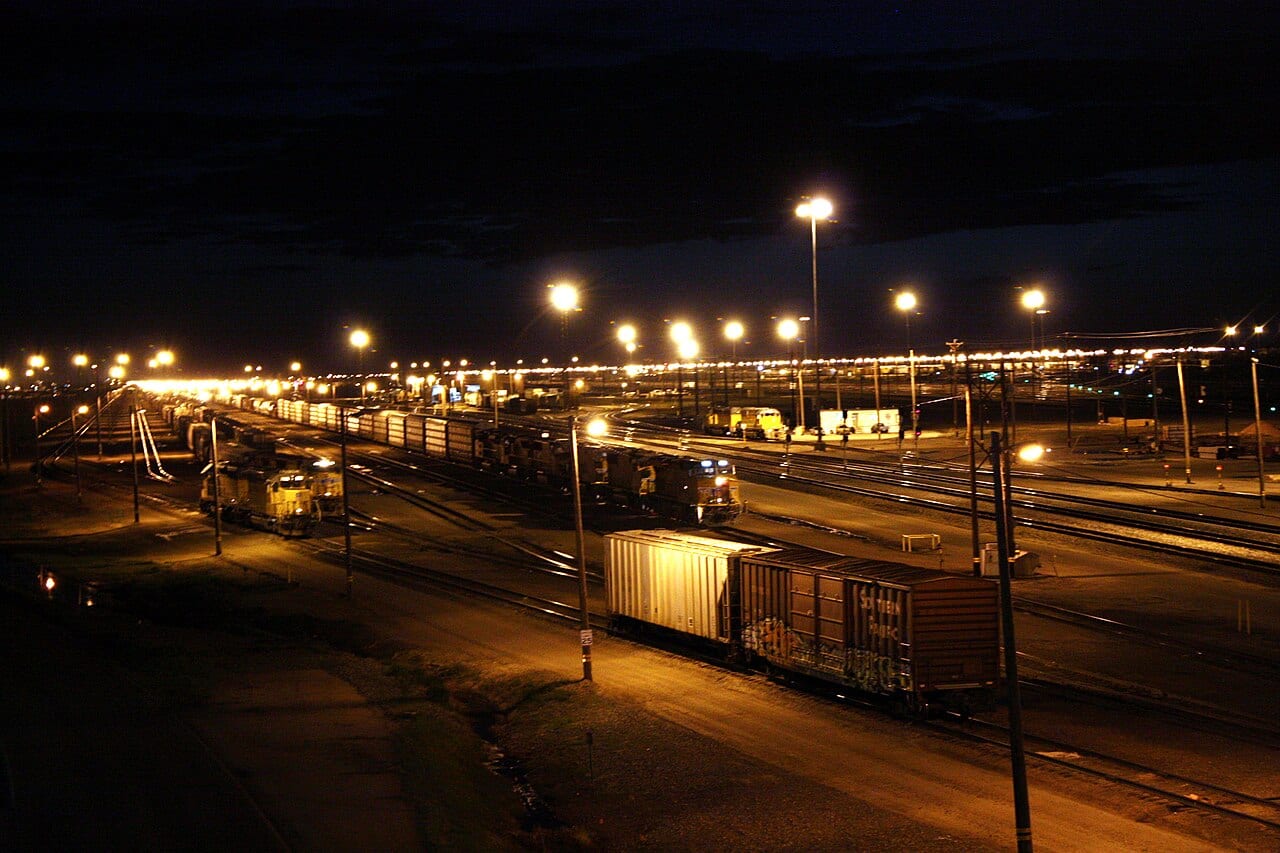
Reece Murtagh runs IAM District 19, the union local for mechanics who inspect and rebuild locomotives. He reads the same merger pledge and reaches past it, toward the record of past mergers instead. "Our members understand from experience what railroad consolidation can mean: fewer jobs, closed facilities, more contracting out and work being moved away from the communities that depend on it," Murtagh said5.
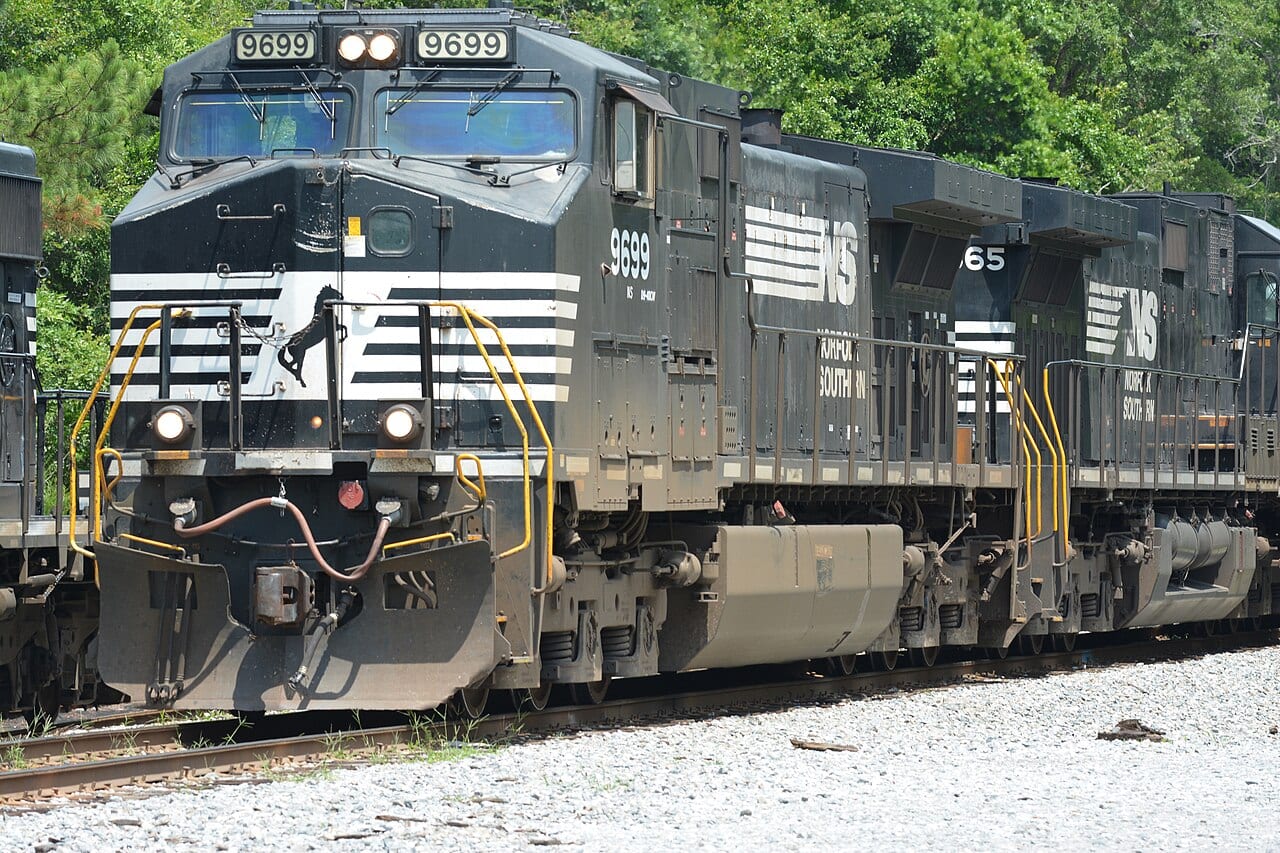
Norfolk Southern brings its own locomotive shops into the deal, the kind of facility Murtagh's members staff. Past rail mergers closed shops like these and moved the work elsewhere. Vena answers in one word: attrition.
Union Pacific chose attrition over layoffs to find any merger savings. The companies put that route in writing well before a single shop closes6.
Somebody pays for every job that opens, then quietly stays shut. A worker already on the roster collects a guarantee carrying the company's name. The worker who would have filled one of those 6,100 average yearly rail openings gets attrition instead. Shareholders hear that choice explained on the earnings call, long before any union hall does23.
Union Pacific still booked $2.1 billion in net income this quarter, up 16 percent. The verdict holds plainly. A jobs pledge that protects today's roster skips tomorrow's applicants.
It reallocates the gains that AI and attrition both deliver. Those gains land on today's union vote, ahead of the workforce that would have grown the usual way.
Readers who want to track where machines actually move a job can follow that count, railroad by railroad and industry by industry. The Signal is AI Lately's free daily email. Sign up, and the next contract that quietly skips a hire shows up in your inbox before the press release does.
Sources
- U.S. Bureau of Labor Statistics. "Employment Projections: 2025-2035 Summary." Aug. 27, 2026. https://www.bls.gov/news.release/ecopro.nr0.htm
- U.S. Bureau of Labor Statistics. "Railroad Workers." Occupational Outlook Handbook. Updated Sept. 14, 2026. https://www.bls.gov/ooh/transportation-and-material-moving/railroad-occupations.htm
- Union Pacific Corporation. "Union Pacific Reports Third Quarter 2026 Results." Oct. 22, 2026. https://www.sec.gov/Archives/edgar/data/0000100885/000010088526000319/a2026-10x228xkex991earning.htm
- SMART Union. "SMART-TD and Union Pacific Announce Landmark Agreement Securing Jobs and the Future of Railroading." Sept. 22, 2025. https://www.smart-union.org/smart-td-and-union-pacific-announce-landmark-agreement-securing-jobs-and-the-future-of-railroading/
- Transportation Communications Union/IAM. "TCU/IAM and IAM District 19 Join Stop the Rail Merger Coalition." Sept. 2, 2026. https://www.tcunion.org/news/tcu-iam-and-iam-district-19-join-stop-the-rail-merger-coalition/
- Union Pacific and Norfolk Southern. "Union Jobs for Life: An Unprecedented Pledge Enabled by Growth." Creating America's First Transcontinental Railroad. Feb. 2, 2026. https://www.up-nstranscontinental.com/news-details/union-jobs-for-life-an-unprecedented-pledge-enabled-by-growth/
- Thompson Hine. "STB Lifts Abeyance in Union Pacific-Norfolk Southern Merger and Sets Procedural Schedule." Aug. 20, 2026. https://www.thompsonhine.com/insights/stb-lifts-abeyance-in-union-pacific-norfolk-southern-merger-and-sets-procedural-schedule/