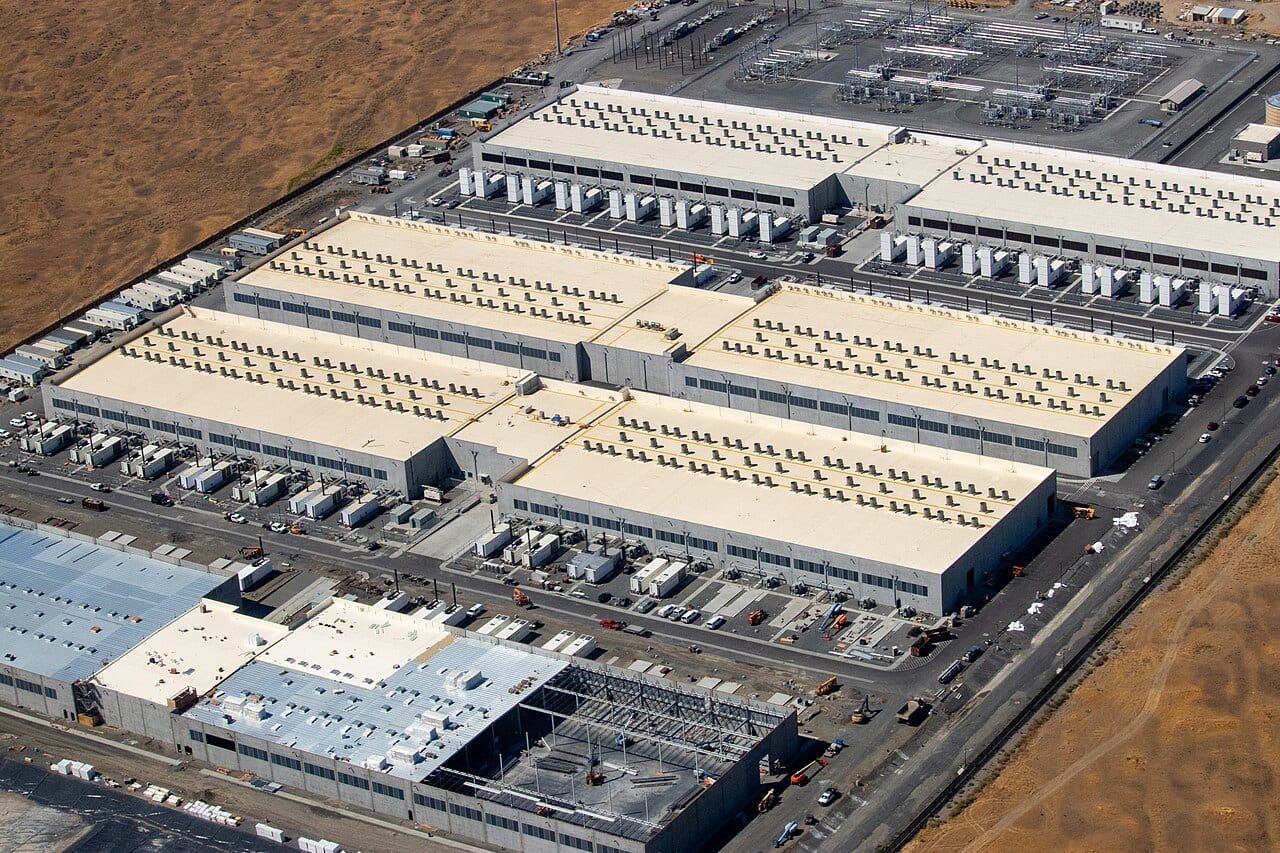
Voters in ten states decided 41 local measures on data centers Tuesday. Twenty-eight of those measures would ban or restrict new projects. Ohio alone carried 21 of them, more than half the national count1. The vote turned months of local meetings into a national signal.
Then came Tuesday.
The restrictions won almost everywhere they ran, with at least 14 of Ohio's 18 voting towns passing some kind of ban or limit. Five of those towns passed theirs by 77 percent or more23. Residents pushed most of these measures onto the ballot themselves, ahead of any company's request.
Four Ohio Towns Reject Data Centers by 77 to 87 Percent
Share of 'yes' votes for a data center ban or restriction, four Ohio towns' Nov. 3, 2026 ballot measures
Each bar is one town's own measure; the longer the bar, the bigger the margin against the industry.
Perry's measure required financial guarantees from developers. The other towns voted on bans or size limits directly.
Sources: Fortune [2]; AI Weekly [3]. Chart by Ryan Elliott Dennis.
The numbers behind this chart
| Item | Value |
|---|---|
| Perry | 87% |
| Trenton | 80% |
| Wilmington | 80% |
| Urbana | 77% |
The Industry Spent Big, and Still Lost Towns
Leading the Future is the AI industry's super PAC. The group formed to defend data centers against local bans like Ohio's. It raised $125.79 million through Oct. 294. Four Silicon Valley names supplied most of it.
Marc Andreessen and Ben Horowitz gave $25 million each, and their venture fund, Andreessen Horowitz, added $50 million more. Greg and Anna Brockman gave $12.5 million each4. The five gifts cover nearly the PAC's entire war chest.

Four Silicon Valley Names Fund $125 Million of a Data Center Super PAC
Contributions to the Leading the Future super PAC, by donor, through Oct. 29, 2026
The flow splits the PAC's $125.79 million total into its five largest gifts; the thin strip at the end is every smaller donor combined.
Source: DeSmog [4]. Chart by Ryan Elliott Dennis.
The numbers behind this chart
| Item | Value |
|---|---|
| Andreessen Horowitz fund | $50.0M |
| Marc Andreessen | $25.0M |
| Ben Horowitz | $25.0M |
| Greg Brockman | $12.5M |
| Anna Brockman | $12.5M |
| Every other donor | $0.8M |
| Whole | $125.8M |
Build American AI is the super PAC's advertising arm. It spent $2.54 million on Ohio television ads between Sept. 7 and Oct. 214. One ad declared, "The future won't be built by politicians or special interests. It'll be built by American workers right here in Ohio." The ads skipped any mention of a candidate.
Voters disagreed.
The spending barely moved the vote. Trenton banned data centers above 25 megawatts, 80 to 20, while Perry required financial guarantees from developers and 87 percent said yes23. Once the question reached voters, local officials had little left to negotiate.
Money talked less.
Urbana voters passed their own ban, 77 percent to 23. Wilmington rejected rezoning across four separate measures, close to 80 percent each time23. Both results fit the same pattern as Trenton and Perry. Local control was the common theme behind each campaign.
The margins varied by town.
A Town Hall Beats a Super PAC
Sunbury sits northeast of Columbus, Ohio. Amazon planned a $2 billion data center campus inside the village's new technology park. Larry Thode's property borders the planned site directly7. Sunbury had company.
Thode voted Republican most of his life. He distrusts both parties on holding tech companies accountable7. "I'm not against data centers, but I'm against placing things that we don't know the damage they do close to schools, close to neighborhoods," Thode said.
Sunbury kept fighting.
Catherine Parker farms near the proposed site and keeps bees. She called the plan "the death of rural Sunbury if this moves in"7.
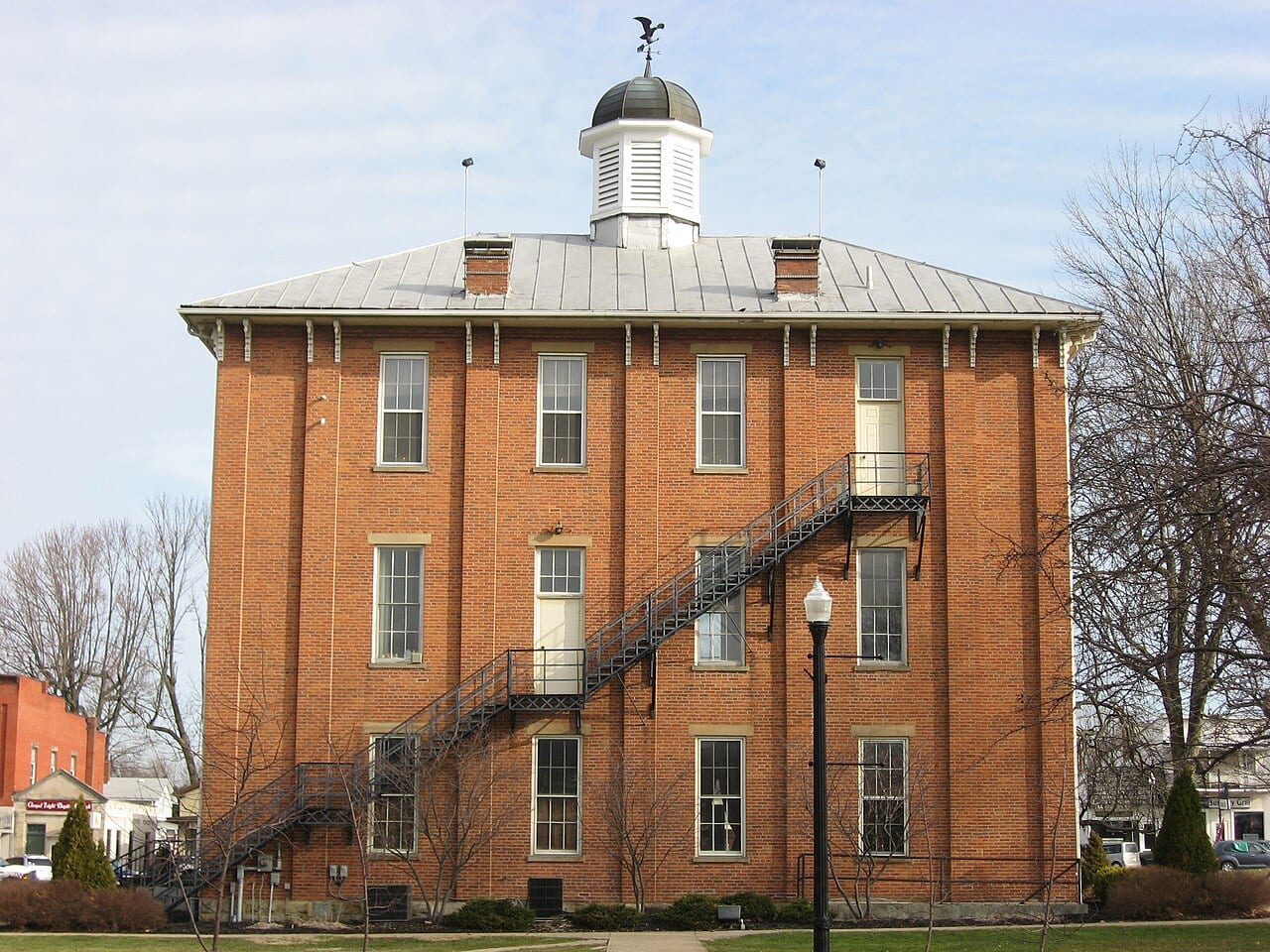
Sunbury's village council passed a moratorium on new data centers through Jan. 31, 2027. The moratorium bought the village time to write a ban properly. Voters went further on Nov. 3, amending the charter to bar any data center above 25 megawatts2.
Ohio counts Tuesday's tallies as unofficial until each county board certifies them. Any developer proposing more than 25 megawatts in Sunbury now needs a different plan, once that certification lands2. The certification delay favors any project already under construction.
Why Neighbors Said Yes to the Ban
Power and water costs drive the opposition. A single large facility can draw millions of gallons a day and strain the local grid at the same time. Residents also complain about the steady hum of cooling fans.
The numbers agreed.
Gallup polled 1,000 adults in March and found 71 percent oppose a data center near their own home. Nearly half, 48 percent, called their opposition strong. The poll was Gallup's first look at local data center sentiment6.
Ohio's own numbers run the same direction. A SurveyUSA poll for ICAPP asked 1,650 Ohio adults in October, and 55 percent opposed construction while only 22 percent supported it2.
The pattern repeated on taxes.
Tax breaks drew even sharper opposition. Sixty-five percent of Ohioans rejected the incentives governments offer data centers, and 15 percent backed them. Fifty-seven percent said they would support a statewide ban on facilities above 25 megawatts2. Voters framed the incentives as a subsidy for someone else's AI bill.
Opposition held steady across every question.
The Case for Building Anyway
Ohio already hosts more than 200 operational data centers. The state expects $40 billion in new investment through 20302. This pipeline keeps running whatever Tuesday's votes decide. Many of these projects took years to plan before a single ballot measure existed.
Industry pushed back.
President Trump made the industry's case himself. He posted on Truth Social that fighting data centers would leave towns worse off8. "Data centers drive America's AI and tech boom, create high-paying jobs, boost local investment, and strengthen our digital infrastructure," Trump wrote. His post arrived well before Tuesday's votes, while the fight was still forming.

Every state weighed the question differently.
The industry leans on economics to make its case. Build American AI's ads promised more than 95,000 jobs from the state's data centers. The Brookings Institution found the real jobs effect runs smaller than advocates say. Home prices near new sites climb 2 to 5 percent, offsetting much of the gain4.
J.D. Capelouto, a journalist, tracked the national count live as returns came in. "Data centers are on the ballot in ~40 localities across 13 states, including proposed bans and votes on specific projects," he wrote5.
J.D. Capelouto@jdcapelouto👨💻 THREAD on how data center-related ballot measures are faring tonight
data centers are on the ballot in ~40 localities across 13 states, including proposed bans, votes on specific projects, and recalls of pro-data center politicians
What to do
Check your own town's zoning agenda before a data center developer arrives. Sunbury's fight started at a packed council meeting, months ahead of the ballot measure7.
Ask your utility for the megawatt threshold your area already allows. Ohio's bans cluster around 25 megawatts, the size that separates a modest facility from a campus2.
Read your state's ballot calendar for next year. Illinois, Maine and Kansas are still writing their own rules, and your town could carry the next measure1. Compare your own area's rules against Ohio's before the next cycle begins.
By the numbers
- 41: local data center measures voters decided across ten states on Nov. 31.
- Twenty-eight: of those measures sought a ban, moratorium or added restriction1.
- $125.79 million: the sum four Silicon Valley donors gave Leading the Future's super PAC through Oct. 294.
- Build American AI spent $2.54 million on Ohio television ads, Sept. 7 to Oct. 214.
- Gallup found 71 percent of Americans oppose a data center near their own home6.
- Trenton, Ohio banned data centers above 25 megawatts by an 80 to 20 margin2.
- Wikipedia's Data center page drew 2,012 views on Nov. 3, up from 1,735 on Nov. 19.
What to watch
Ohio's county boards must certify these results by Nov. 24, which turns Tuesday's unofficial counts into enforceable bans2. Illinois, Maine and Kansas carry their own advisory votes, which could still shape next year's state bills1. Leading the Future's next move matters too, now that Tuesday's returns bought it fewer wins than it hoped4.
Sources
- Mina Vogel, "Voters in ten states will vote on data center-related ballot measures November 3," Ballotpedia News, Nov. 3, 2026, https://news.ballotpedia.org/2026/11/03/voters-in-ten-states-will-vote-on-data-center-related-ballot-measures-november-3/
- Sasha Rogelberg, "Ohio already has 125 local data center moratoriums. Early results from its 21 ballot measures on AI infrastructure have determined there will be more," Fortune, Nov. 4, 2026, https://fortune.com/2026/11/04/ohio-data-center-ballot-measures-midterm-elections/
- Alexis Dufresne, "Ohio Voters Reject Data Centers Across 21 Ballot Measures," AI Weekly, Nov. 4, 2026, https://aiweekly.co/alerts/ohio-voters-reject-data-centers-across-21-ballot-measures
- Edward Donnelly and Rei Takver, "Revealed: Pro-AI Data Center Group Spending At Least $2.54M on TV Ads to Influence Ohio Election," DeSmog, Nov. 2, 2026, https://www.desmog.com/2026/11/02/revealed-pro-ai-data-center-group-spending-at-least-2-54m-on-tv-ads-to-influence-ohio-election/
- J.D. Capelouto, "THREAD on how data center-related ballot measures are faring tonight," X, Nov. 4, 2026, https://x.com/jdcapelouto/status/2117786709173645427
- Marshall Benveniste, "Gallup Survey Finds Broad Local Opposition to Data Centers as U.S. Construction Surges," Construct Connect, May 14, 2026, https://news.constructconnect.com/gallup-survey-finds-broad-local-opposition-to-data-centers-as-u.s.-construction-surges
- Nick Viland, "Sunbury residents voice opposition to proposed Amazon data center," WWHO CW Columbus, Feb. 23, 2026, https://cwcolumbus.com/news/local/sunbury-ohio-delaware-county-residents-voice-opposition-to-proposed-amazon-data-center
- Dean Narciso, "Trump says 'backwards and poor' awaits those not embracing data centers," The Columbus Dispatch, Aug. 31, 2026, https://www.yahoo.com/news/politics/articles/trump-says-backwards-poor-awaits-224347138.html
- Wikimedia Foundation, "Pageviews for Data center, Nov. 1 to 3, 2026," Wikimedia pageviews API, accessed Nov. 4, 2026, https://wikimedia.org/api/rest_v1/metrics/pageviews/per-article/en.wikipedia/all-access/user/Data_center/daily/20261101/20261103