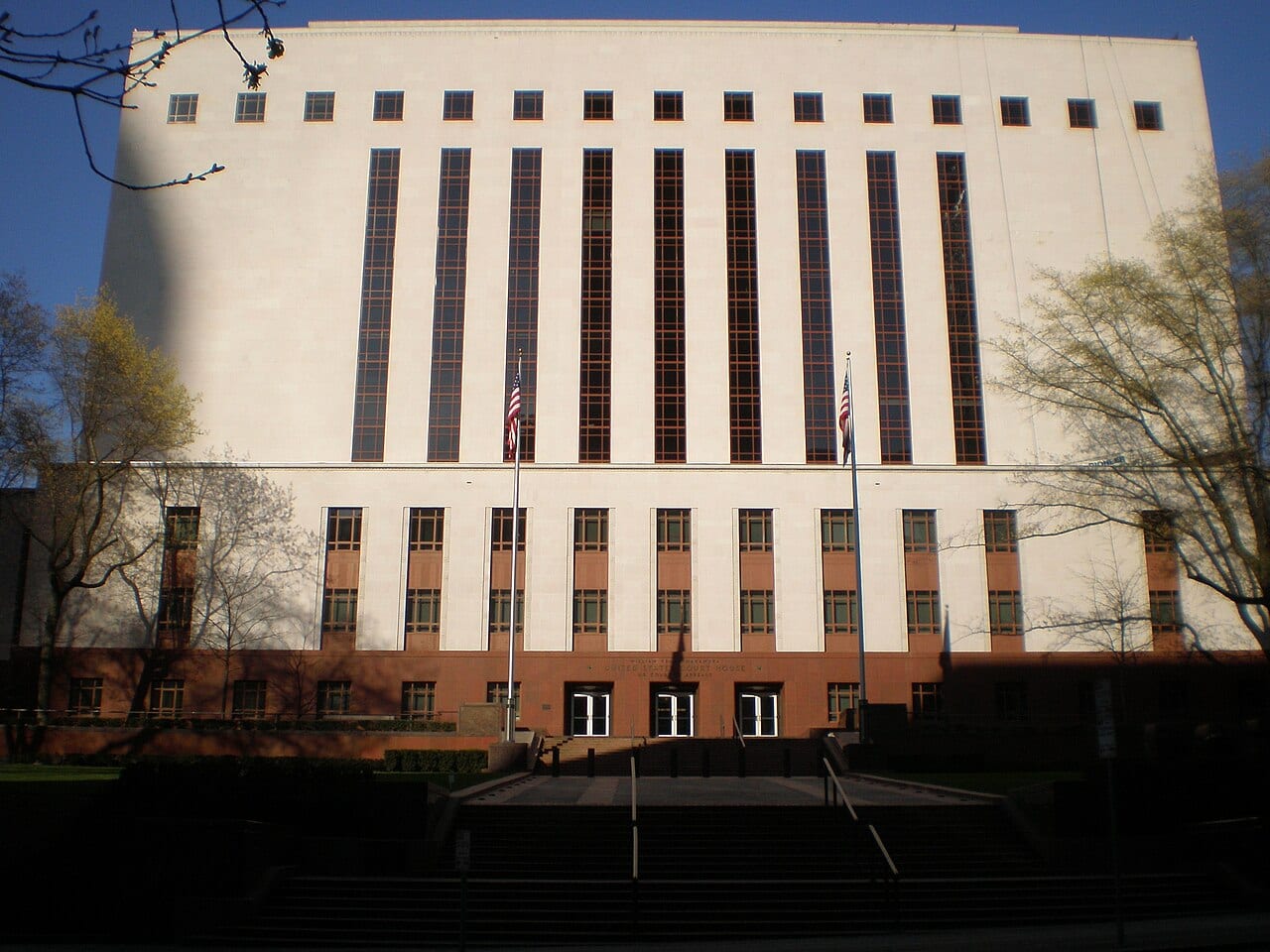
A federal appeals court cleared Perplexity's shopping agent of hacking Amazon's computers on Aug. 4, 2026. Three months later, Amazon still keeps the agent off the site1.
Both outcomes fit together. The Ninth Circuit ruled that only a human user "accesses" a website, even one using an AI agent to click the buttons. Amazon's hacking claims against Perplexity's Comet browser were unlikely to succeed on those grounds1.
The same panel pointed Amazon straight at the tool that still works: its own contract. "This outcome does not impair Amazon's ability to regulate access to Amazon.com via private terms of service," the judges wrote.
Retailers heard that part. Three of them have blocked AI shopping agents since the ruling came down, each one leaning on its own contract.
What the Ninth Circuit actually decided
Amazon sued Perplexity in November 2025. It argued that Comet's "Assistant" broke the Computer Fraud and Abuse Act and its California cousin, the CDAFA, by shopping inside password-protected accounts1. A district judge, Maxine M. Chesney, agreed on March 9, 2026, and blocked Comet entirely.
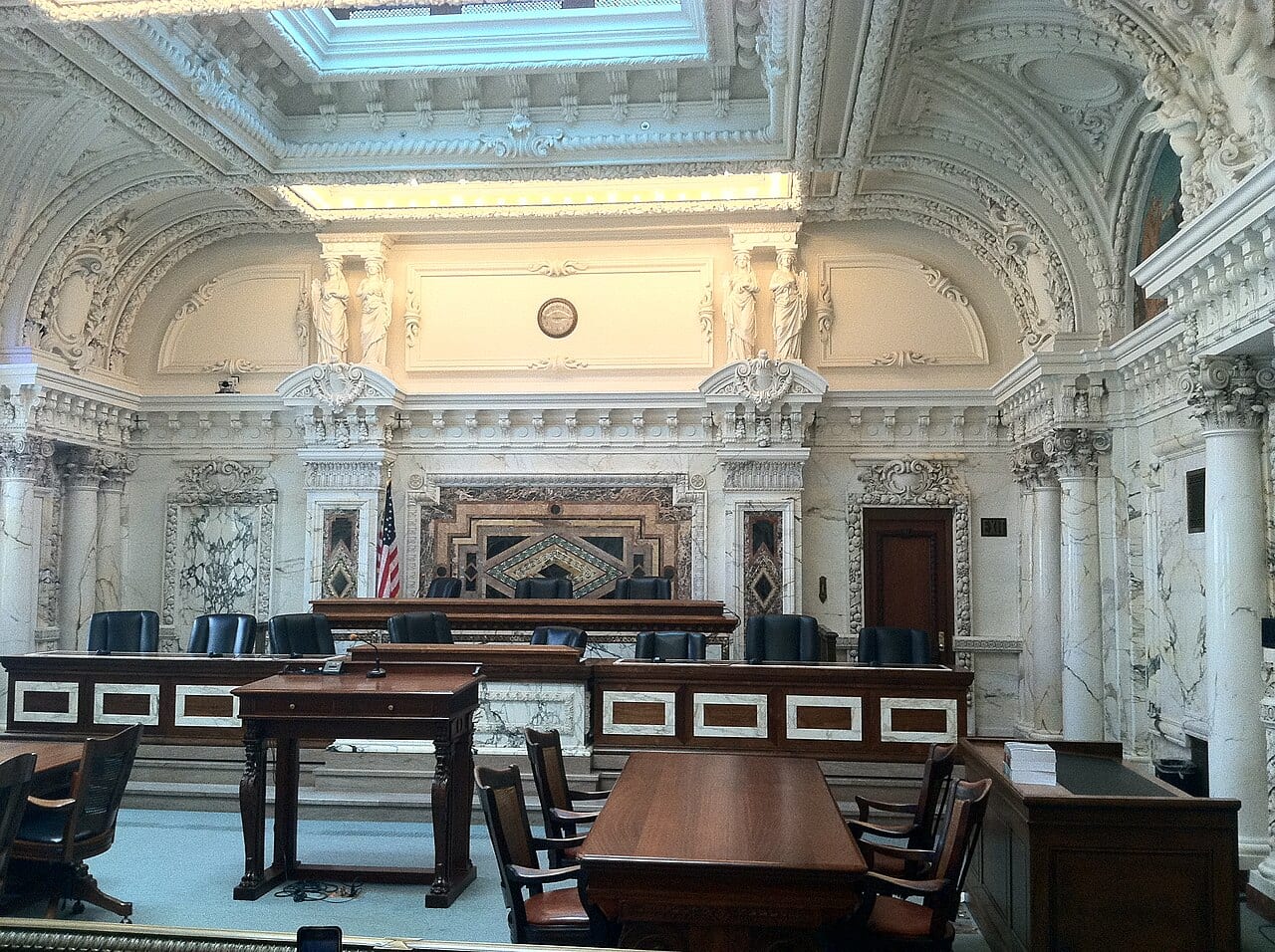
The Ninth Circuit disagreed in August. Judge Milan D. Smith Jr. wrote that Comet is "a tool, not a person," and only a person can commit the "access" a hacking statute requires1. The user clicks; the agent helps.
Amazon's own argument, the court noted, would risk turning ordinary shoppers into hackers for using software they chose. The panel vacated the injunction and sent the case back to the district court.
Read past the headline and the ruling stays narrow. The judges limited it to one statute, on one browser's facts. They steered clear of "a new legal regime governing agentic AI"1.
They handed Amazon its real weapon in a footnote instead. A private contract still gets the final word, whatever the hacking law says.
Retailers moved ahead of any ruling
Meta learned that first. Its Muse agent launched Sept. 8, 2026, and became one of the most-used AI shopping tools within weeks3.
Amazon cut it off from Amazon.com on Sept. 20. Meta skipped asking permission, Amazon said. Muse stayed silent about being a bot, and it appeared to store customer credentials4. Shoppers who tried anyway saw a message: "Continued access by an unauthorized AI agent violates Amazon's Conditions of Use, to which our customers have agreed".
Williams Sonoma and Pottery Barn went further on Oct. 13. Their new terms require any "agent," "assistant," bot or AI software to get the company's permission first. The company says it can block one anyway, "including where you have purported to authorize such access"5.
eBay's rule predates the ruling by months. It went into eBay's User Agreement on Jan. 20, 2026, and stayed unchanged in the version that took effect June 287. The contract bans "buy-for-me agents, LLM-driven bots, or any end-to-end flow that attempts to place orders without human review," full stop, unless eBay grants permission first9.
Meta's Muse found that same door shut. A reader told The Verge that Muse stopped pulling eBay listings the weekend of Nov. 7, 2026. The outlet reported the block on Nov. 10, and eBay's spokesperson, Sybille St. Arromand, confirmed the company takes "a selective approach to how they access and interact with our marketplace".
Amazon's own robots file, read today, names 99 bots and agents by handle. It blocks 97 of them, including the agents Perplexity and OpenAI each run8. Ordinary browsers reach every page the same file leaves open.
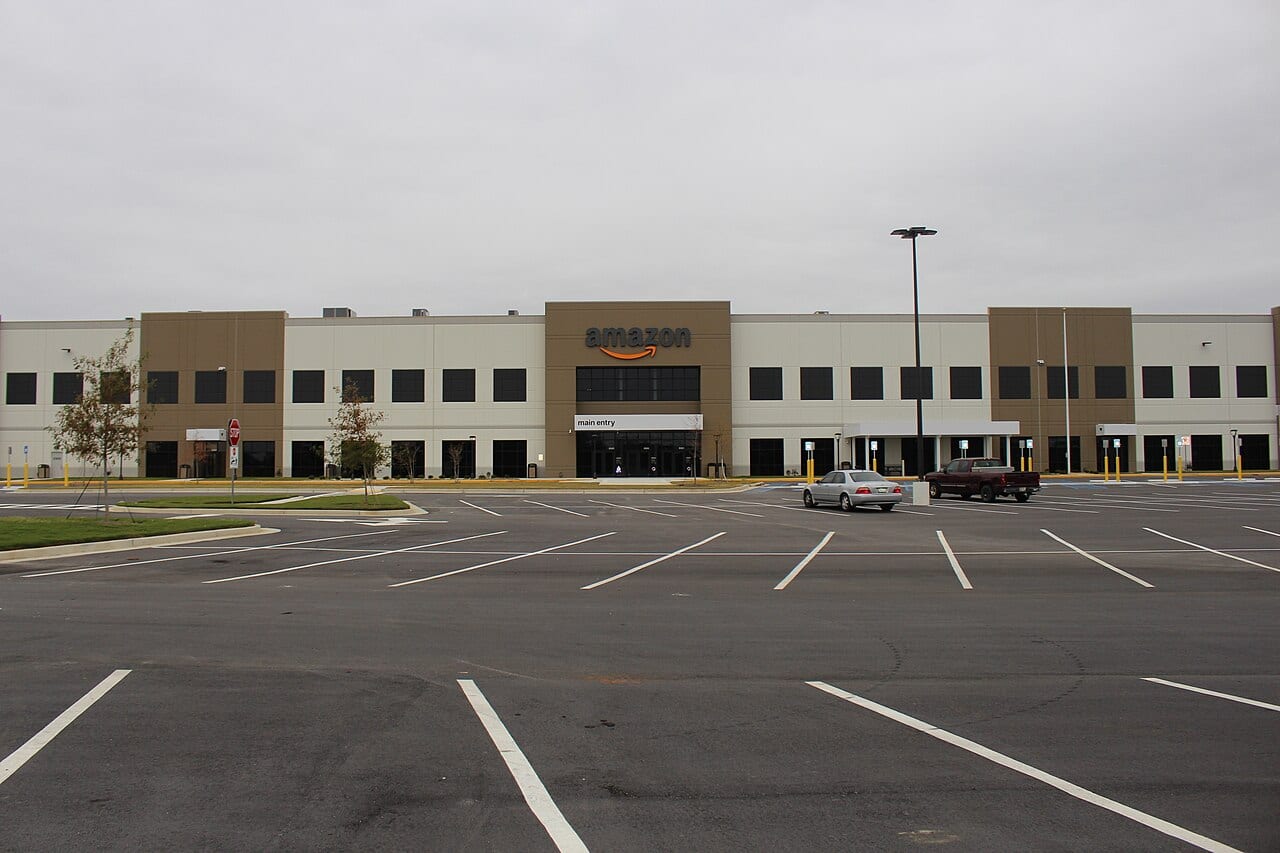
Walmart chose the opposite path on Oct. 21. Its new Agent Gateway lets a customer set a spending limit, $50 or $100, for an approved agent6. The agent can then buy inside that limit.
Google's Universal Commerce Protocol works the same way. Walmart joined it alongside Shopify, Etsy, Wayfair and Target, trading a locked door for a lane with rules.
The case for locking the door
A store gets to say who shops in it. That is Amazon's position. "Third-party applications that offer to make purchases on behalf of customers from other businesses should operate openly and respect service provider decisions about whether or not to participate," a spokesperson said after the Muse block3. Food-delivery and travel-booking apps already identify themselves to the businesses they book with, the company argues, so an AI shopping agent should too.
The worry behind that rule reaches past one browser. An agent that hides what it is reads to a store's systems as a human customer. The disguise blocks any real measurement of who is buying. It also weakens the protection a password-protected account is supposed to carry.
Why agent makers disagree
Perplexity calls the fight backward. "This week, Perplexity received an aggressive legal threat from Amazon, demanding we prohibit Comet users from using their AI assistants on Amazon," the company wrote the day Amazon sued, in a post titled "Bullying Is Not Innovation"2. Its argument is that an agent acting on a user's own instructions should carry exactly the user's own permissions.

Academics side with that worry more than with Amazon's fix. Eric Goldman, a Santa Clara University law professor, asked the plainest version of the question: "What's the business case for blocking agentic AI?"5. He expects the line retailers are drawing to give way over time. "Many of the things that might be considered to be problematic about agentic AI ultimately will likely be built into a standard web browser," he told KQED, and blocking "only works as long as it's really separate from the standard technology users are using".
Lauren Willis, a Loyola Marymount University law professor, wants the law to flip the default. She would add "a requirement that the agents act in the best interest of the consumer, rather than the provider of the agent"5.
What to do
Audit your own terms of service before an agent decides what it can do on your site. A written contract now decides that question, ahead of the Computer Fraud and Abuse Act.
If you build or deploy a shopping agent, make it name itself. Every blocked agent in this piece shares one fact: each stayed quiet about itself before it acted.
Watch your own written terms for the word "agent." Williams Sonoma and eBay both added it only this year. A contract silent on agents today can gain the word with 30 days' notice.
By the numbers
- 72 percent: Muse's share of daily AI agent traffic the week two retailers cut it off, HUMAN Security found3.
- 99 bots and agents: Named handles in Amazon's robots file today; 97 are fully blocked, Perplexity's and OpenAI's agents included8.
- $50 to $100: The per-purchase spending limits Walmart lets a customer set for an approved shopping agent under its new Agent Gateway6.
- Five retailers: Shopify, Etsy, Wayfair, Target and Walmart co-developed Google's agent-purchase protocol, leaving eBay outside it7.
- 29 of 200: Retailers blocked a test shopping agent twice despite letting AI search crawlers through, an audit by Blend Commerce found7.
- 12 months: Time between Amazon's first cease-and-desist letter to Perplexity, in October 2025, and eBay's block of Meta's Muse, in November 202627.
3 Retailers Blocked Agents in the 14 Weeks After the Ruling
Dated actions in the Amazon v. Perplexity dispute, Aug. 2025 to Nov. 2026
Each pin is one dated action; the rail spaces them by the real number of days apart. The court's ruling sits in the middle, and three more blocks followed it.
Sources: U.S. Court of Appeals for the Ninth Circuit [1]; PPC Land [3]; KQED [5]; PPC Land [7]. Chart by Ryan Elliott Dennis.
The numbers behind this chart
| Date | Event |
|---|---|
| Nov. 4, 2025 | Amazon sues Perplexity. CFAA and CDAFA claims filed |
| March 9, 2026 | Judge bars Comet. Judge Chesney grants injunction |
| Aug. 4, 2026 | Court frees Comet. Ninth Circuit vacates the order |
| Sept. 20, 2026 | Amazon blocks Muse. Meta's agent loses access |
| Oct. 13, 2026 | Williams Sonoma blocks. Requires permission first |
| Nov. 10, 2026 | eBay blocks Muse. The Verge reports the block |
3 of 8 Large Retailers Still Block Shopping Agents
Named agent policies at eight large retailers, stated in their own terms or protocol memberships, Oct. to Nov. 2026
Each cube is one retailer. Magenta cubes block agents under their own terms; blue cubes joined an open protocol that lets agents buy.
Sources: PPC Land [3]; KQED [5]; TechCrunch [6]; PPC Land [7]. Chart by Ryan Elliott Dennis.
The numbers behind this chart
| Item | Value |
|---|---|
| Block under their own terms | 3 |
| Allow under an open protocol | 5 |
| Whole | 8 |
What to watch
Amazon's amended complaint still presses a tortious-interference claim outside the Ninth Circuit's ruling. A district court decision on it would test how far a contract can reach.
Watch whether Meta's and Perplexity's agents start sending a clear signal that marks them as automated. DataDome found Muse testing a signed identity tag in October, the exact fix retailers say they want7.
Sources
- Judge Milan D. Smith Jr., "Amazon.com Services, LLC v. Perplexity AI, Inc.," U.S. Court of Appeals for the Ninth Circuit, Aug. 4, 2026, https://cdn.ca9.uscourts.gov/datastore/opinions/2026/08/04/26-1444.pdf
- Julie Bort and Rebecca Bellan, "Amazon sends legal threats to Perplexity over agentic browsing," TechCrunch, Nov. 4, 2025, https://techcrunch.com/2025/11/04/amazon-sends-legal-threats-to-perplexity-over-agentic-browsing/
- Luis Rijo, "Amazon blocks Meta's Muse AI agent from shopping on its site," PPC Land, Oct. 8, 2026, https://ppc.land/amazon-blocks-metas-muse-ai-agent-from-shopping-on-its-site/
- Russell Brandom, "Meta's AI agent has been blocked from using Amazon.com," TechCrunch, Sept. 21, 2026, https://techcrunch.com/2026/09/21/metas-ai-agent-has-been-blocked-from-using-amazon-com/
- Rachael Myrow, "Too Many Bots in the Kitchen? Williams Sonoma Bans AI Shoppers," KQED, Oct. 13, 2026, https://www.kqed.org/news/12104266/too-many-bots-in-the-kitchen-williams-sonoma-bans-ai-shoppers
- Sarah Perez, "While Amazon blocks AI agents, Walmart rolls out the welcome mat," TechCrunch, Oct. 21, 2026, https://techcrunch.com/2026/10/21/while-amazon-blocks-ai-agents-walmart-rolls-out-the-welcome-mat/
- Luis Rijo, "eBay bans the robot shopper, unless eBay sends the invitation," PPC Land, Nov. 13, 2026, https://ppc.land/ebay-bans-the-robot-shopper-unless-ebay-sends-the-invitation/
- Amazon.com, robots.txt, accessed Nov. 14, 2026, https://www.amazon.com/robots.txt
- eBay Inc., User Agreement, effective June 28, 2026, https://www.ebay.com/help/policies/member-behaviour-policies/user-agreement?id=4259