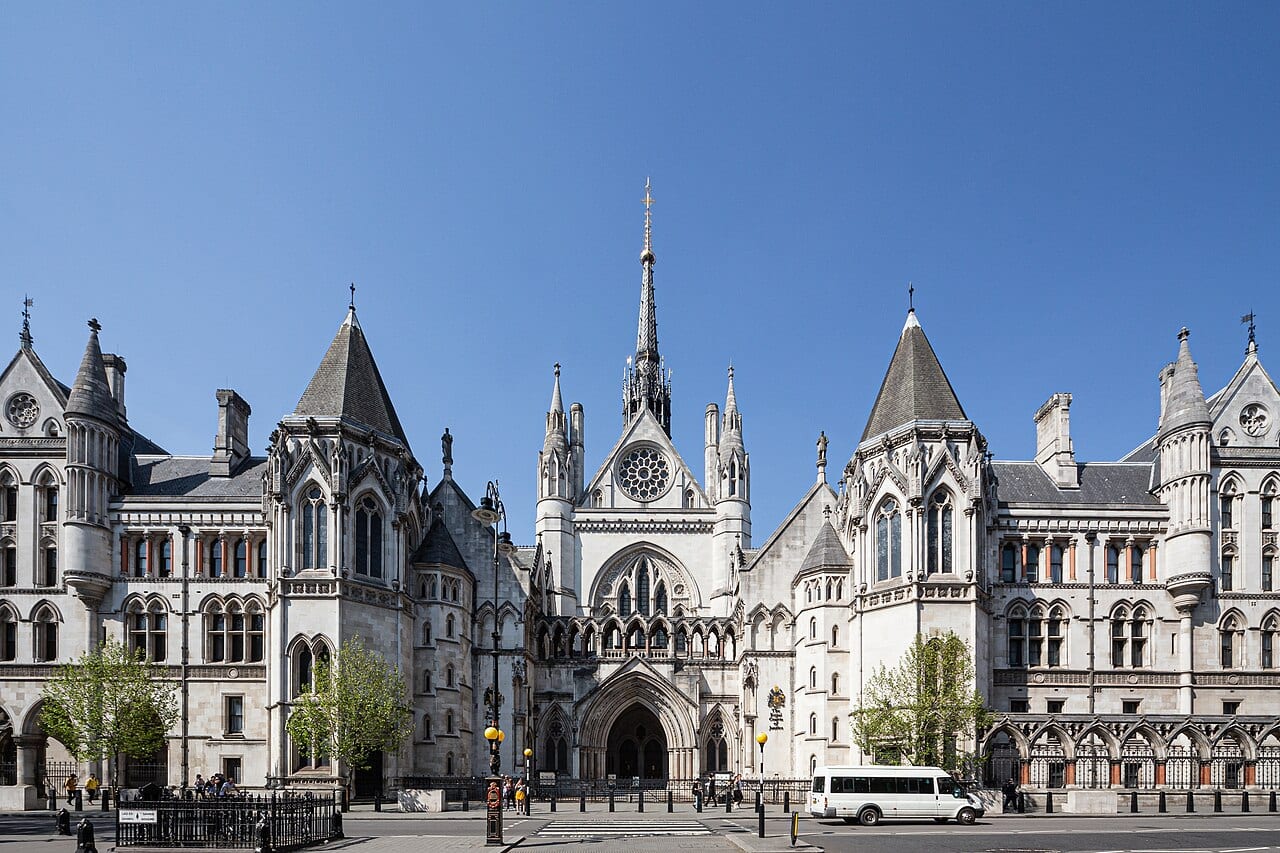
Cate Blanchett's nonprofit walked into a Manhattan courtroom fight on Oct. 30. The Human Consent Foundation filed a 31-page brief backing The New York Times against OpenAI and Microsoft. Twenty-five actors and filmmakers signed on, from Julia Roberts to Robert De Niro1.
The filing makes one argument plainly. Hollywood already knows how to charge for its work, through licensing groups built over a century. OpenAI says that kind of licensing is impossible at AI's scale1.
A friend-of-the-court brief comes from someone outside the lawsuit who wants to sway the judge's reading of the law. Judges weigh them, yet the ruling itself stays entirely the judge's call.
Hollywood Says It Can License This
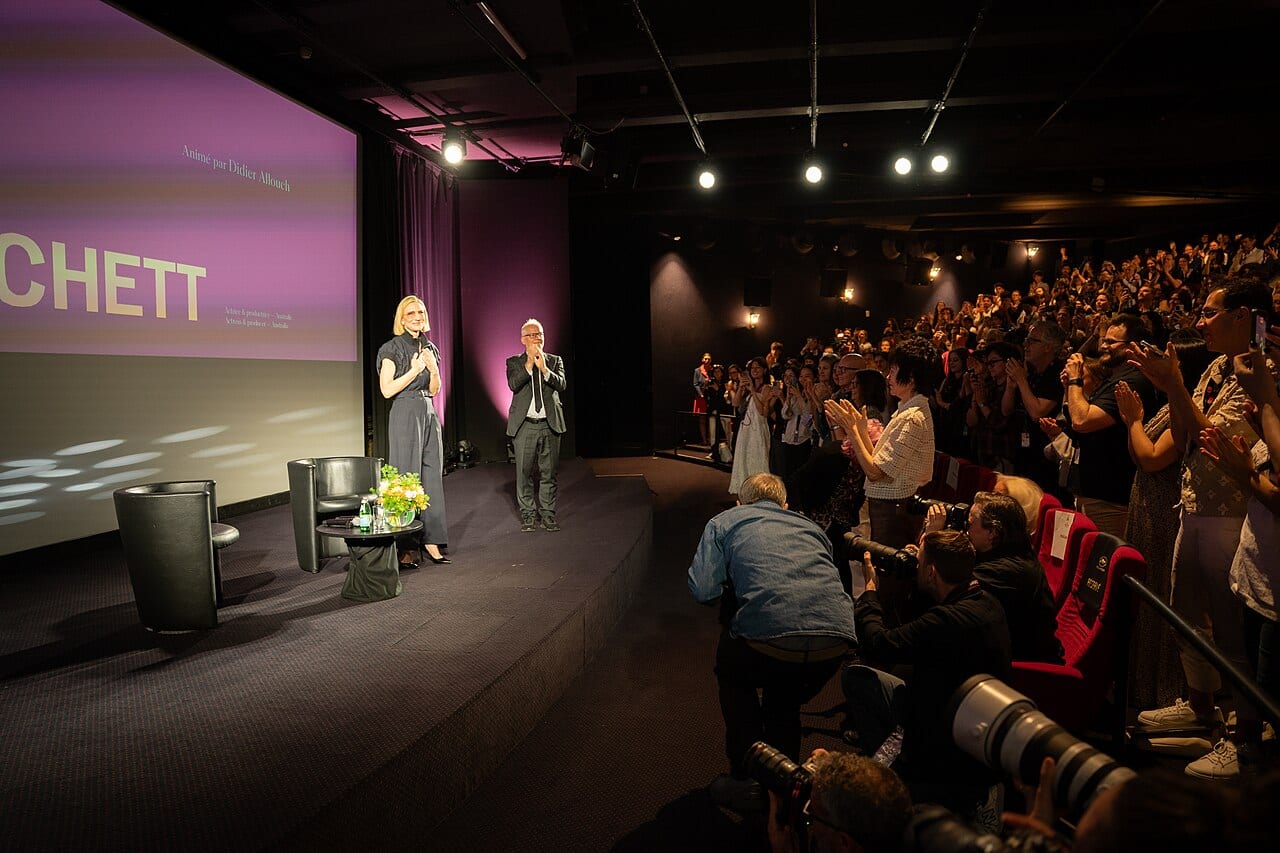
Blanchett co-founded the Human Consent Foundation with Nikki Hexum in May. The group built a registry in June where people list what AI models may use of their likeness. Its brief to Judge Sidney Stein argues the industry already has every rule it needs to charge for AI training1.
Blanchett signed her own statement inside the filing. "I've been working in film and theater for over 30 years, and in that time, the principle has never changed," she said. "If someone wants to use my face, my voice or my image, they ask me first. There is a contract. There is a conversation. This isn't a new idea or a complicated legal framework, it is simply how we treat each other in this industry. Consent isn't a barrier to creativity, it is the foundation of it"1.
Her point rests on an old habit. Consent, in her telling, works the same whether the asker holds a camera or trains a model.
Hexum, the foundation's co-founder and chief executive, put the goal in business terms. "Our goal is to ensure that as the market for AI data licensing grows, the humans who create the value in that market are protected and have a meaningful choice," she said1. The brief points to ASCAP and BMI as proof the system scales. Both groups already clear music rights for radio play and streaming, and have for over a century.
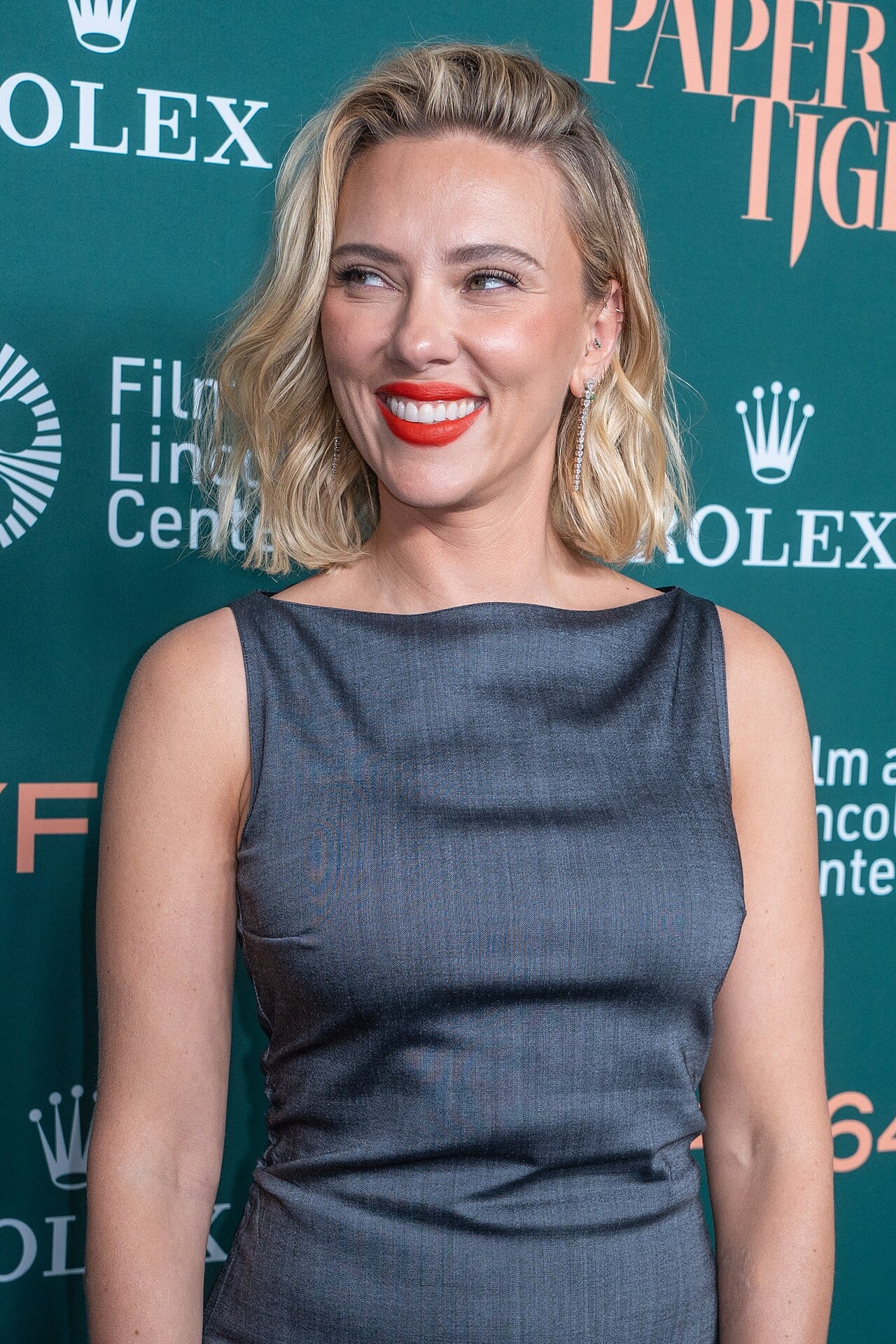
Director Steven Soderbergh backed the filing too, alongside names like Scarlett Johansson, Helen Mirren and Robert De Niro1. Twenty-five signers make a sizable list for one court filing, and that list answers the "who" while leaving the "how much" to the judge.
Unions Filed a Brief One Day Earlier
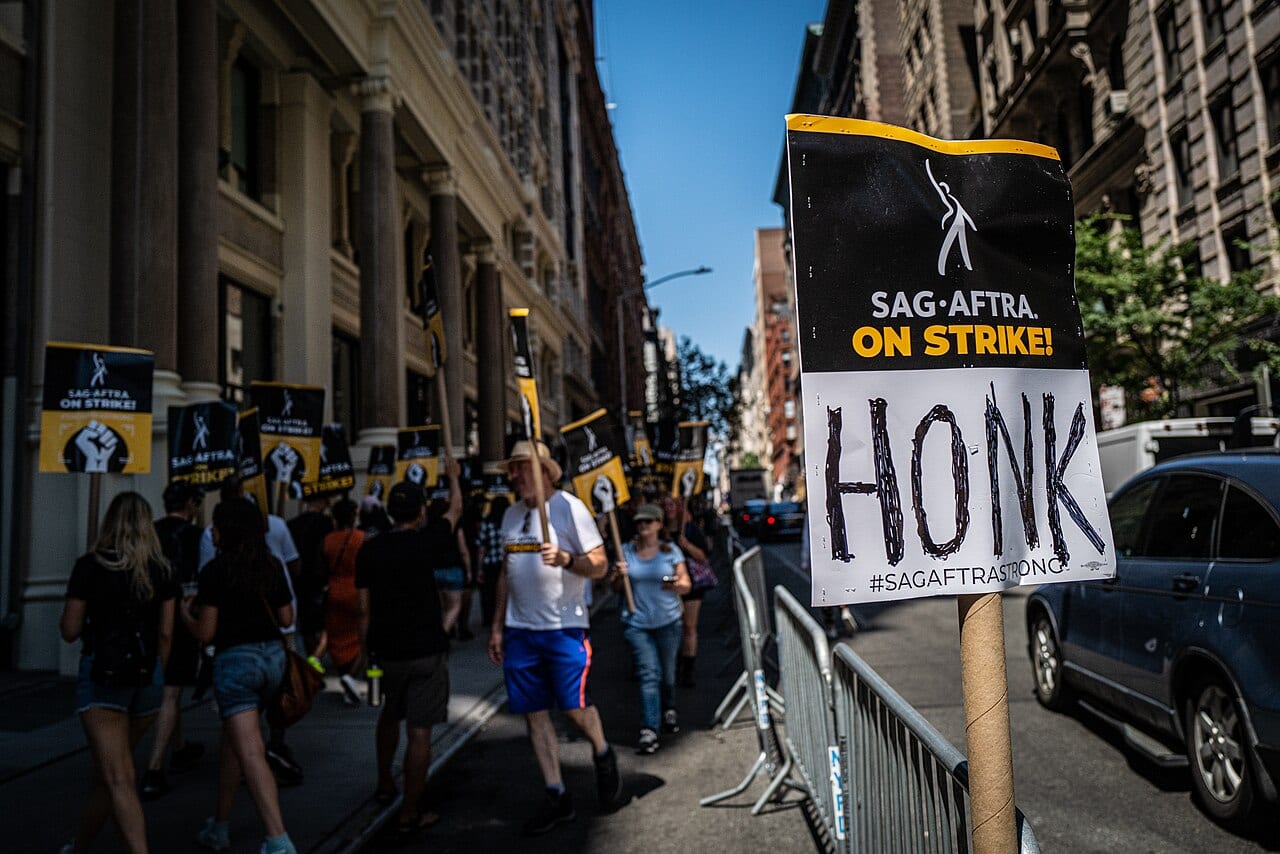
SAG-AFTRA, the Writers Guild of America and the American Federation of Musicians filed a joint brief. It landed a day ahead of Blanchett's group, on Oct. 29. Together the three unions speak for more than 250,000 workers. More than 80,000 carry an AFM card as working musicians2.
AFM's 80,000 Musicians Are Close to a Third of the Unions' Brief
Share of the 250,000-plus workers SAG-AFTRA, the WGA and the AFM represent in their Oct. 29 brief
Source: Deadline [2]. Chart by Ryan Elliott Dennis.
The numbers behind this chart
| Item | Value |
|---|---|
| AFM musicians | 80,000 workers |
| Other union members | 170,000 workers |
| Whole | 250,000 workers |
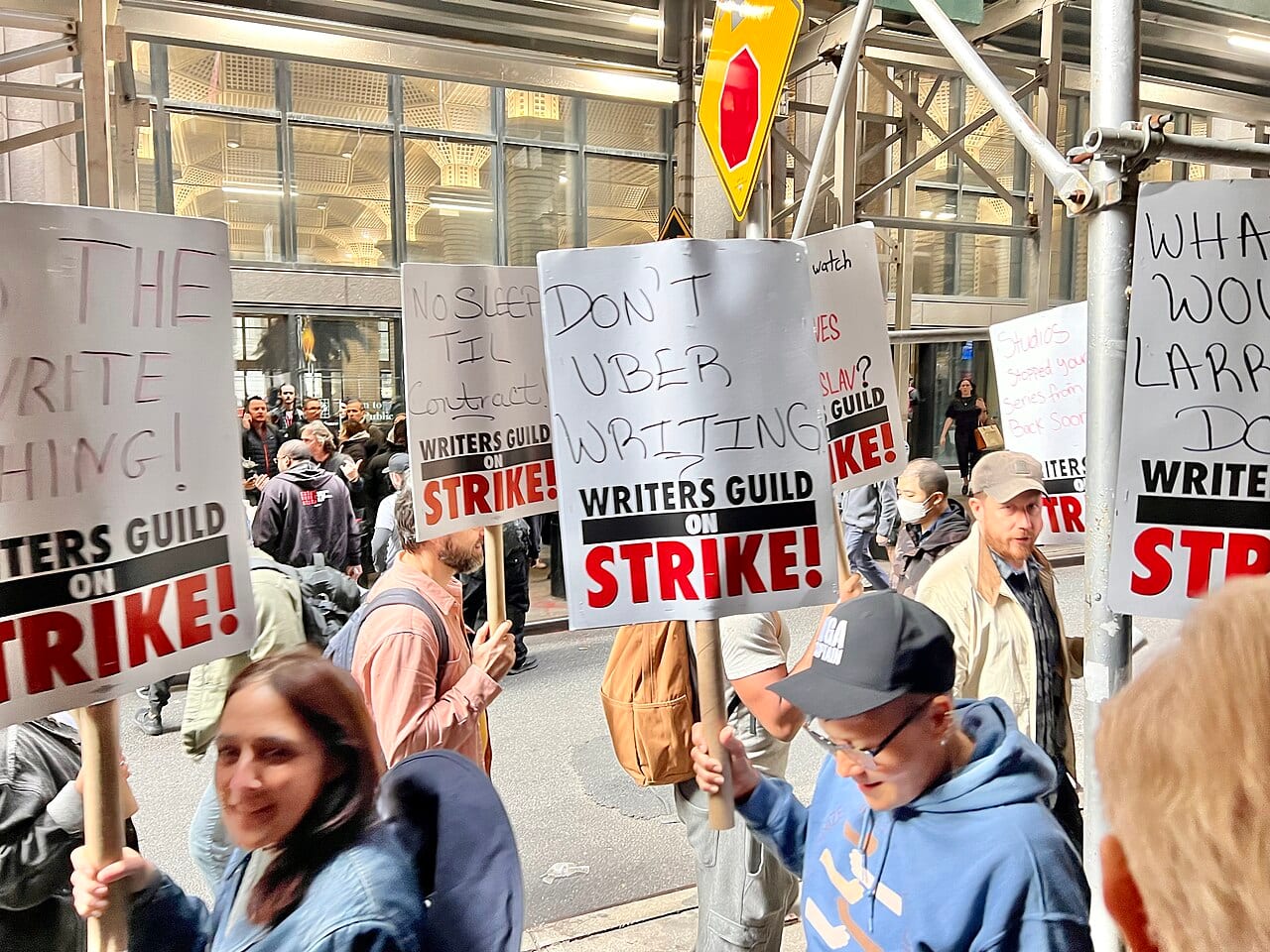
"The harms of unlicensed training fall not just on companies like the News Plaintiffs, but on the countless professionals behind the work," SAG-AFTRA, the WGA and the AFM wrote in their joint filing2. Their brief leans on 2023 contract language over fresh legal theory.
Those 2023 and 2026 deals already assume studios can license AI training, as long as they give notice first. A ruling that calls training automatic fair use would erase that bargain, the unions argue2. Their 34-page brief ran a page longer than Blanchett's.
OpenAI Says Fair Use Already Pays Everyone
The company answered the same week with a post of its own, published Oct. 30. It rounded up a dozen amicus briefs filed on its side of the case3. Fair use is a legal excuse for copying copyrighted work, when a court finds the new use different enough from the original.
Kevin Kelly, the author and a co-founder of Wired, made OpenAI's case in blunt terms. Permissible uses and new technology need room to operate, he argued, or "copyright will stifle the very creativity, innovation, and spread of knowledge it exists to encourage"3.
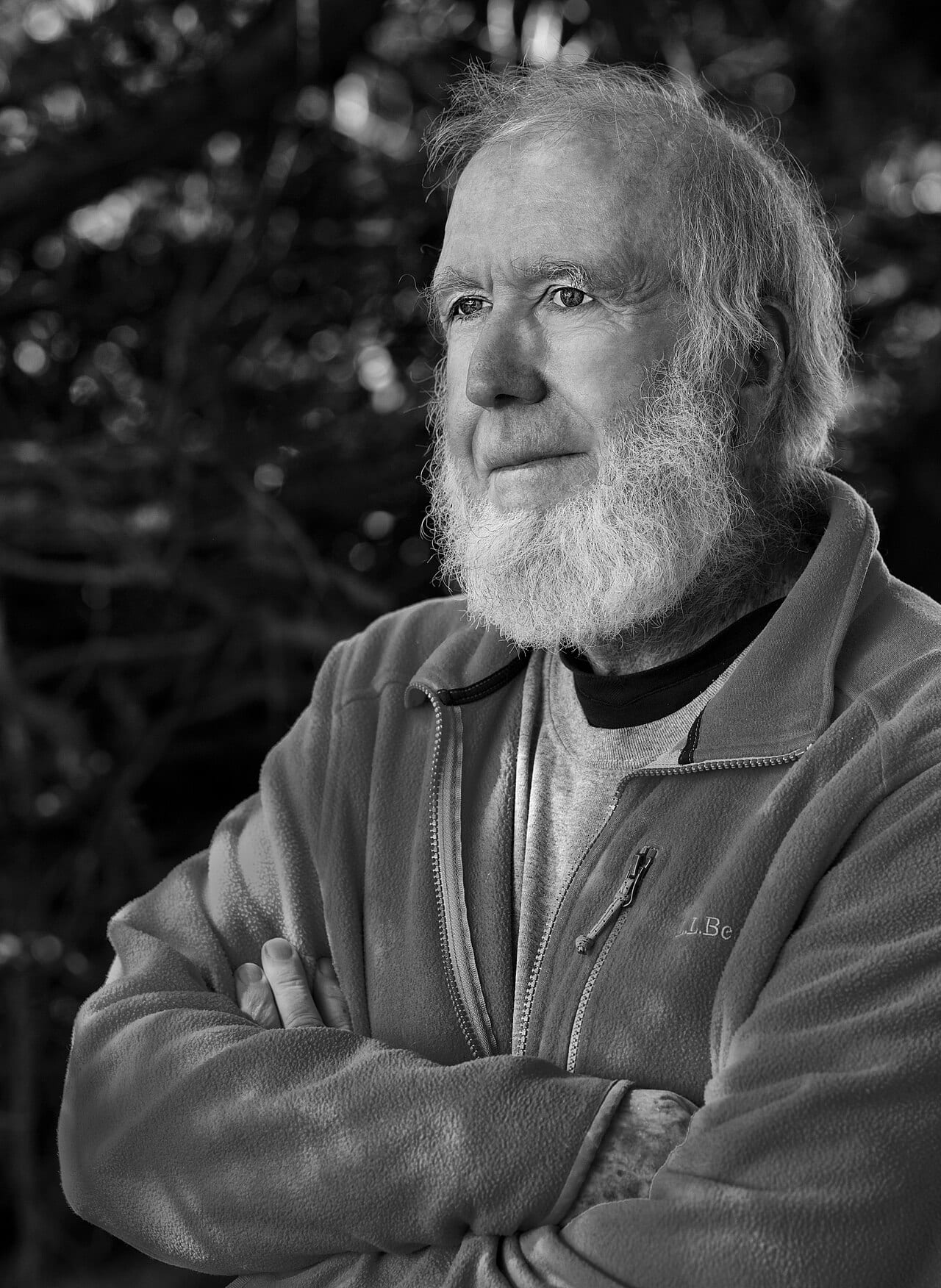
Public Knowledge, a group that filed its own brief, made a similar case. "Fair use will be equally beneficial in ensuring that AI's benefits accrue to the public at large, instead of being controlled by a privileged few," the group wrote3.
The Wikimedia Foundation took a narrower line. It asked the court on Oct. 29 to protect fair use for training a model4. The group drew a separate line at pulling up whole articles to ground a chatbot's answer. Wikipedia depends on readers trusting where a fact came from.
Both Sides Are Fighting Over One Case
The Times sued OpenAI and Microsoft on Dec. 27, 2023, in the Southern District of New York. Docket 1:23-cv-11195 now sits inside a larger multidistrict fight before Judge Stein. Its claim: the companies copied millions of articles to build ChatGPT and Copilot5.
Three Briefs Landed in the Same 48 Hours of a 3-Year Case
Dated events in The New York Times v. OpenAI and Microsoft, Dec. 27, 2023 to Nov. 20, 2026
Each pin is one dated event; the accent pins mark the cluster of briefs and posts that arrived on Oct. 29 and 30.
Sources: Variety [1]; Deadline [2]; LavX News [3]; Open Class Actions [5]. Chart by Ryan Elliott Dennis.
The numbers behind this chart
| Date | Event |
|---|---|
| Dec. 27, 2023 | Times sues OpenAI |
| Sept. 4, 2026 | Summary judgment sought |
| Oct. 23, 2026 | Oppositions filed |
| Oct. 29, 2026 | Unions oppose fair use. SAG-AFTRA, WGA and AFM file jointly |
| Oct. 30, 2026 | Coalition files brief. Human Consent Foundation, 25 signers |
| Oct. 30, 2026 | OpenAI posts 12 briefs. Roundup backing fair use |
| Nov. 20, 2026 | Replies due |
Money sits behind both sides' math. Microsoft's own data, filed by the publishers, shows a steep drop in referrals5. Copilot sent 83 to 93 percent fewer readers to the Times and the Daily News than Bing search once did. OpenAI counters with its own sample: engineers searched 20 million ChatGPT logs and found 24 cases of word-for-word copying.
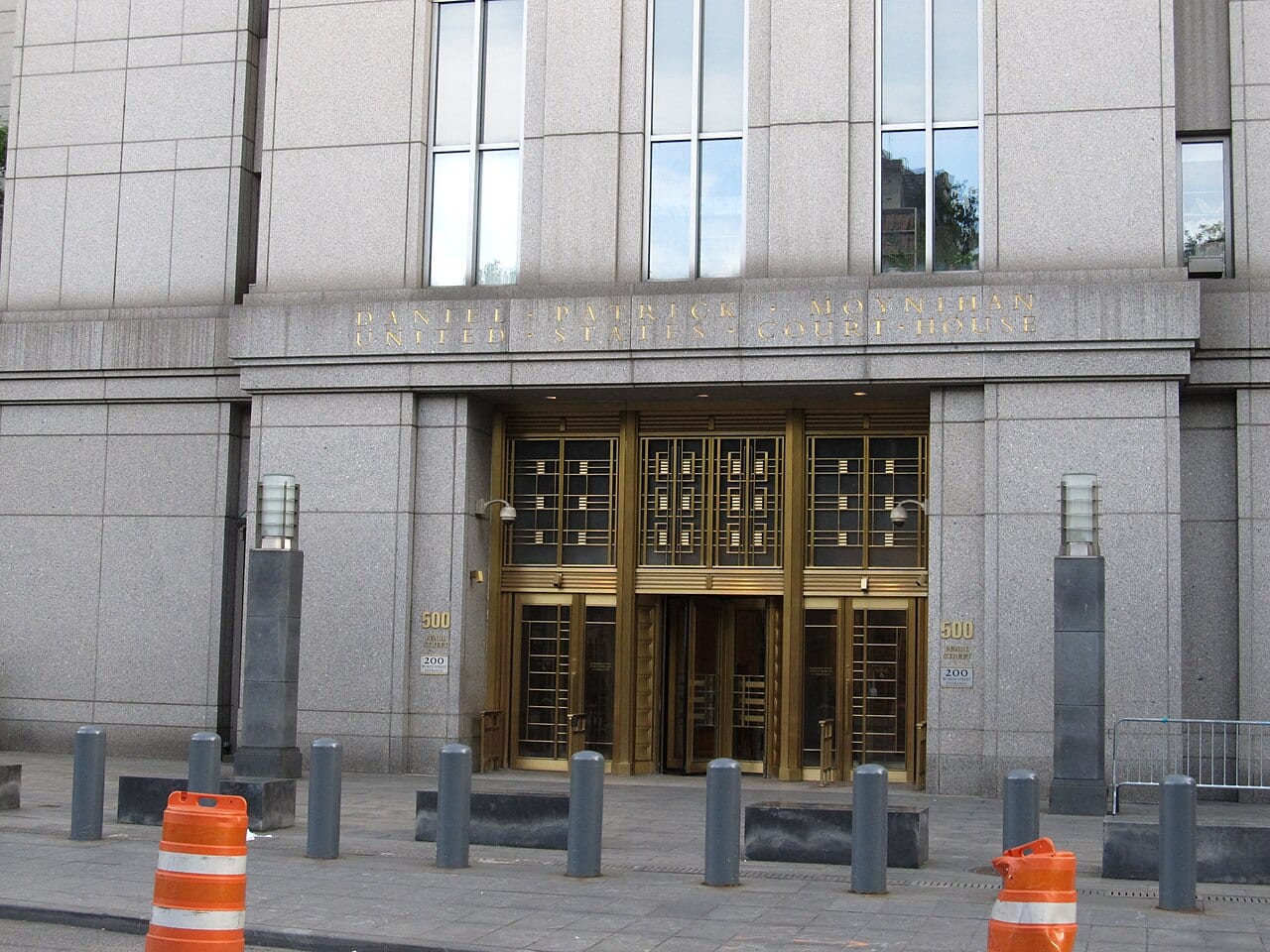
Both sides asked Judge Stein to decide the case on the filings alone. Cross-motions for summary judgment went in on Sept. 4, and each side filed its opposition on Oct. 23. Reply briefs are due Nov. 20, before any trial date gets set5.
What to do
Check your own contract first. A union covering your work may already require notice before a studio licenses it. The notice rule covers your performance, your voice or your song, whenever a studio feeds it to AI.
Ask where the money lands before signing anything new. A deal that pays a label, a studio or a platform is a different deal than one that pays you directly.
Mark Nov. 20 on your calendar. Judge Stein's handling of the reply briefs will show which argument is gaining ground: licensing, or fair use.
By the numbers
- Twenty-five named Hollywood actors and filmmakers signed the Human Consent Foundation's brief on Oct. 301.
- The Human Consent Foundation's brief ran 31 pages, arguing licensing already clears AI deals at scale1.
- SAG-AFTRA, the WGA and the AFM filed a 34-page brief a day earlier, on Oct. 292.
- More than 250,000 workers stand behind that three-union brief2.
- Over 80,000 of those workers carry an AFM card as working musicians2.
- A dozen amicus briefs make up OpenAI's own roundup backing its fair-use defense3.
- 83 to 93 percent is how far Copilot's referral traffic fell against the Times and Daily News, by Microsoft's own numbers5.
- Nov. 20 is the deadline Judge Stein set for the last round of replies5.
What to watch
Judge Stein takes up the summary-judgment motions once the November replies land. A ruling for OpenAI would let AI companies keep training under fair use alone. Siding with the Times instead would push the case toward trial. It would also push the case toward licensing deals like the ones the Human Consent Foundation says already exist.
Either reading will reach past one newspaper. The same judge weighs the authors' case on the same question, so a decision here will likely shape that one too5.
Sources
- Corbin Bolies, "Cate Blanchett-Backed Group of Stars Files Brief in NYT-OpenAI Lawsuit," Variety, Oct. 30, 2026, https://variety.com/2026/biz/news/cate-blanchett-hollywood-stars-brief-nyt-openai-lawsuit-1236935578/
- Katie Campione, "SAG-AFTRA, WGA & AFM Ask Judge To Reject Fair Use Exemption In OpenAI Copyright Battle & Warn Of 'Harms Of Unlicensed Training' For AI Models," Deadline, Oct. 29, 2026, https://deadline.com/2026/10/sag-aftra-wga-afm-openai-copyright-court-battle-brief-1237209138/
- Elena Varga, "OpenAI marshals fair-use supporters as New York Times copyright case heads to court," LavX News, Oct. 31, 2026, https://news.lavx.hu/article/openai-marshals-fair-use-supporters-as-new-york-times-copyright-case-heads-to-court
- "OpenAI urges court to reject NYT copyright claims in fair use post," DEV Community, Oct. 30, 2026, https://dev.to/delimitter/openai-urges-court-to-reject-nyt-copyright-claims-in-fair-use-post-482h
- Steve Levine, "The New York Times' Lawsuit Against OpenAI and Microsoft: Where the Copyright Case Stands," Open Class Actions, Oct. 27, 2026, https://openclassactions.com/news/new-york-times-openai-microsoft-copyright-lawsuit.php