Anthropic shipped two new AI models on Nov. 9. Claude Fable 5.2 and Claude Mythos 5.2 share one job: the hardest technical work a team can throw at them1.
Fable and Mythos run on one shared model. It carries safety filters for cybersecurity and biology, so every user can reach it. Mythos drops some of those filters for vetted labs and researchers1.
Testers found the new models communicate more clearly than earlier versions, and they answer up to 30% faster, Anthropic says1.
Word spread fast. Claude, Anthropic's own account, posted the news on X the same afternoon2.
A Step Above Opus 5.5, Anthropic Says
Anthropic built one scorecard for the launch. It compares Fable 5.2 against Fable 5.1, Opus 5.5, OpenAI's GPT-6 Astra and Google DeepMind's Gemini 4 Carbon. Fable 5.2 leads on ten of thirteen tracked tests1.
Fable 5.2 Hits 49.1% on FrontierCode 2.0, the Best Score Tested
FrontierCode 2.0 agentic coding benchmark, best score by model at its highest effort, higher is better, Anthropic's internal results
Each column is one model's best score on code changes real maintainers would merge; Fable 5.2's column stands tallest.
Source: Anthropic [1]. Chart by Ryan Elliott Dennis.
The numbers behind this chart
| Item | Value |
|---|---|
| Fable 5.2 | 49.1% |
| Opus 5.5 | 45.5% |
| GPT-6 Astra | 42.8% |
| Gemini 4 Carbon | 41.1% |
| Fable 5.1 | 32.4% |
One test matters most for coders. FrontierCode 2.0 checks whether a model's code would actually get merged by real maintainers. Fable 5.2 hits 49.1% at its hardest setting, the best score Anthropic has seen from any released model1.
Every rival trails behind on that same test. The chart above shows it plainly1.
The price dropped too. Fable 5.2 costs $8 per million input tokens and $40 per million output tokens. That is down from $10 and $50 for Fable 5.11.
It ships today, on every paid plan, the Claude Platform and the major cloud providers1.
Physics and a Faster Proof of Fermat's Last Theorem
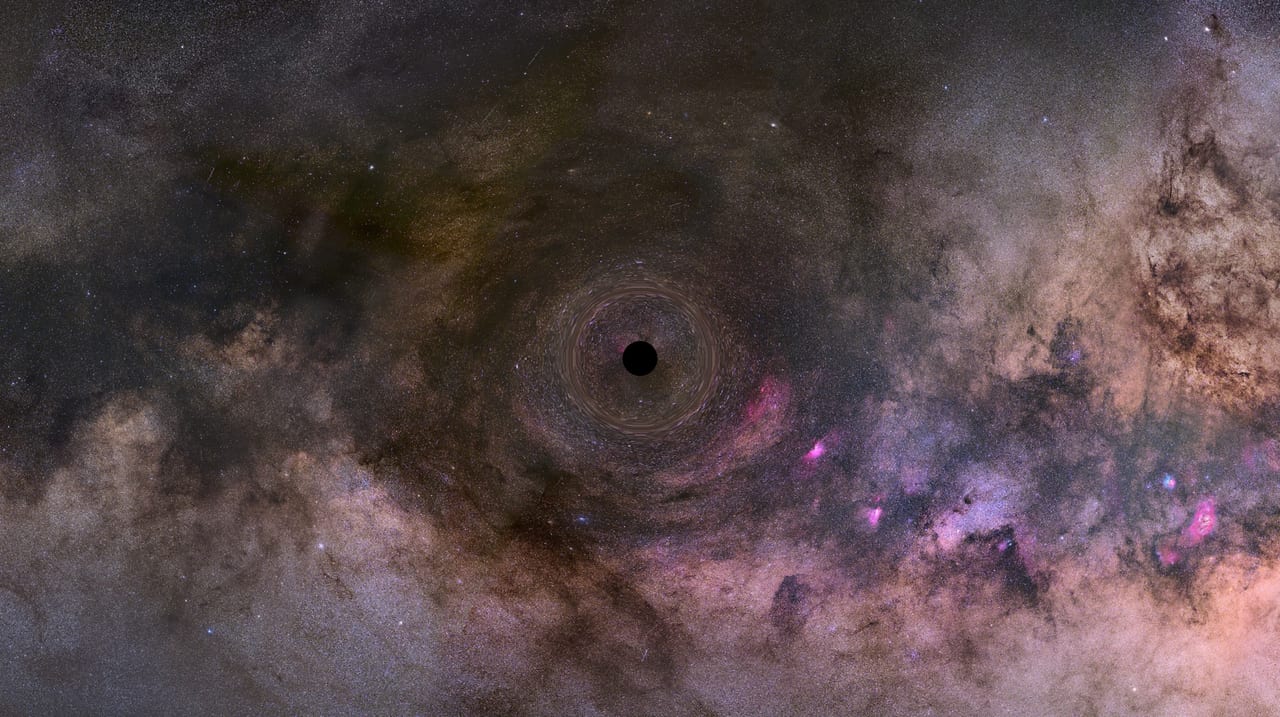
Fable 5.2 solved two open problems in theoretical physics on its own. Both involve black holes and the decades-old effort to unite relativity with quantum mechanics. One answer had waited since 2003 for a calculation too slow to finish by hand1.
Math came next. A team of 1,000 Fable 5.2 agents tackled the proof of Fermat's Last Theorem. In 30 hours, they turned it into code a computer can check step by step. Anthropic's first attempt at that same job took 11 days and a team of researchers1.
Opus 5.5 ran the same 1,000-agent setup. Its progress stalled early and stayed stalled. Fable 5.2 kept climbing and finished the proof by hour 30. The chart below shows the gap1.
Fable 5.2 Finishes a Fermat Proof Opus 5.5 Stalls at 27%
Share of Fermat's Last Theorem formalized over time, 1,000-agent setup, Anthropic's internal run
Each line starts at 0% at hour 0; Fable 5.2's line reaches the top by hour 30, and Opus 5.5's line stays low after hour 18.
Source: Anthropic [1]. Chart by Ryan Elliott Dennis.
The numbers behind this chart
| Period | Fable 5.2 | Opus 5.5 |
|---|---|---|
| Hour 0 | 0% | 0% |
| Hour 18 | 86% | 26% |
| Hour 30 | 100% | 27% |
A New Way to Fold Gene-Therapy Capsids
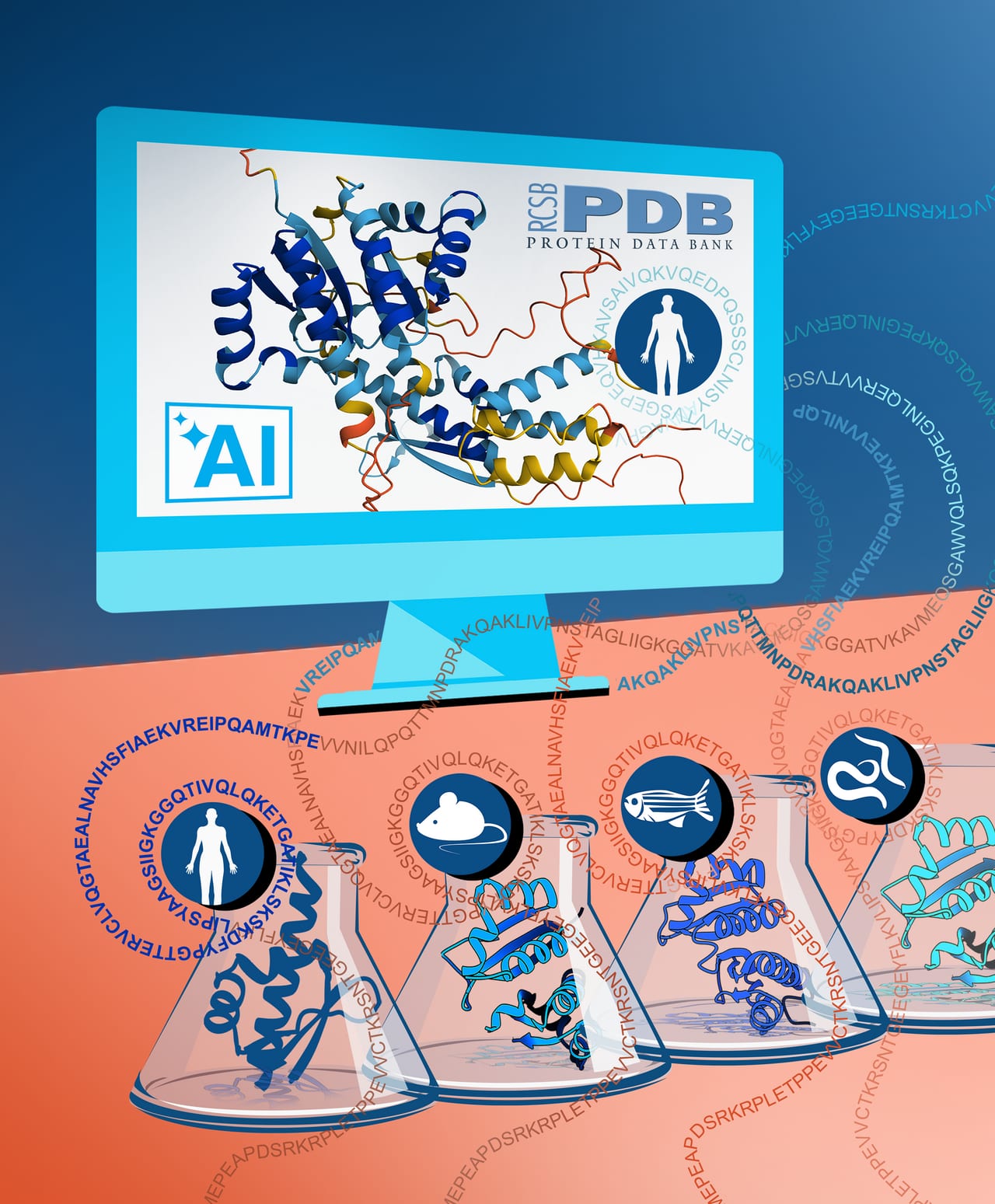
Biology got attention too. Gene therapies often travel inside a tiny protein shell called a capsid. Mythos 5.2 found a new way to predict a whole capsid's shape, every protein in it at once. Anthropic tested the method on 34 capsids and got 28 right1.
Robot Control Jumps, Daily Use Still Favors a Smaller Model
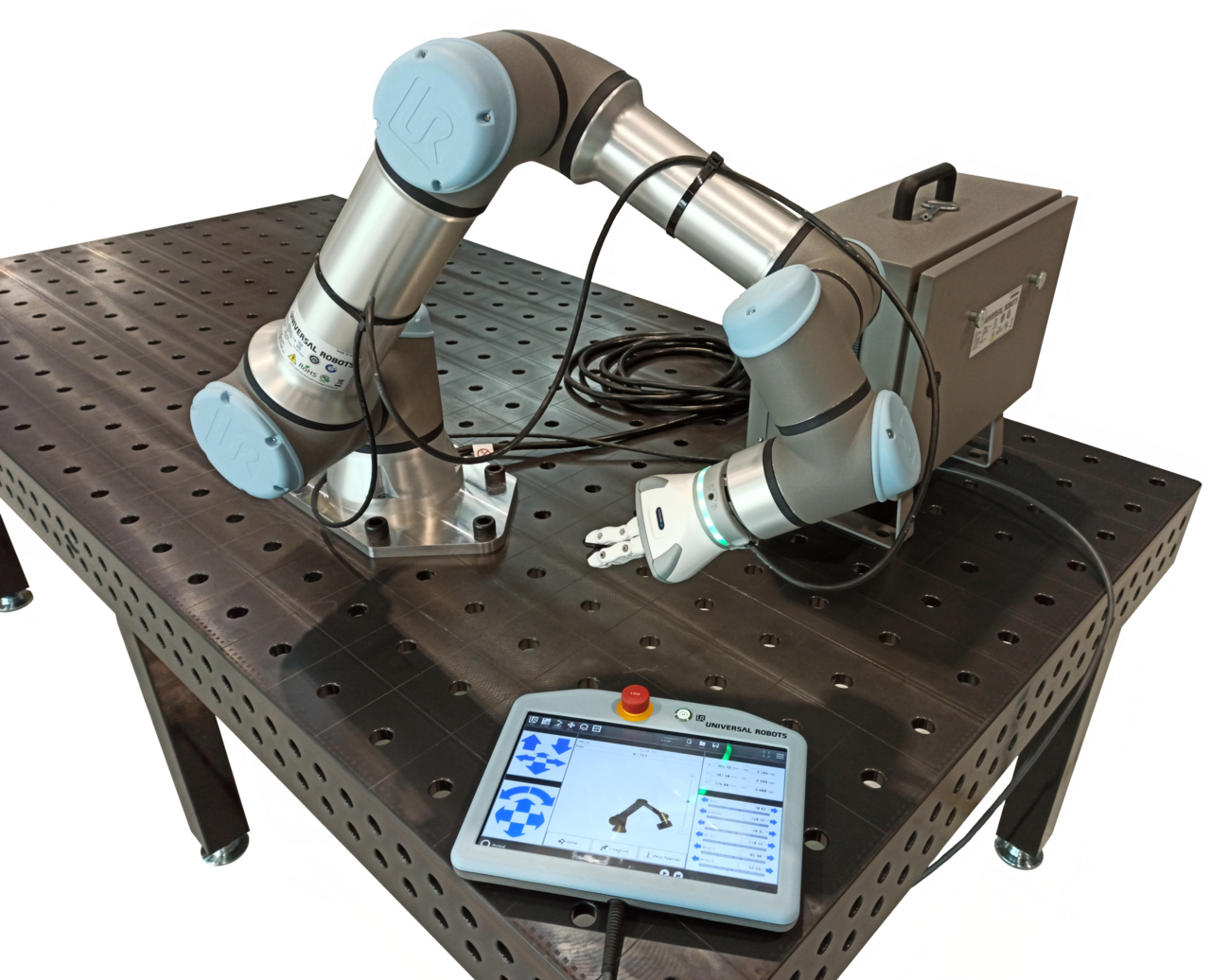
Robots are next. Fable 5.2 makes a real jump in robot control, including tasks outside its own training. On RoboDojo, a test that scores a simulated two-arm robot from camera images, it scores 64.9%1.
The RoboDojo score beats last year's model by a wide margin, and every rival lab's purpose-built robot-control system too, Anthropic says1.
Anthropic still points most users elsewhere for daily work. Opus 5.5 stays the default pick for most coding and knowledge tasks. Fable and Mythos step in only when a job's scope grows larger1.
Anthropic's Case: Safer and Cheaper Than Last Time
The pitch goes further than speed. Anthropic frames this release as a leap. "We've upgraded Claude Fable and Claude Mythos—models that are designed to tackle the most daunting technical challenges," the company wrote in its launch post1.
A team of agents running an earlier Fable 5.2 moved one production service from Python to Rust, and it starts 26 times faster1.
Safety gains come up next. Anthropic says the new model matches or beats its last few models across nearly 1,900 behavior scenarios it tested. Three outside groups checked the work too: the UK AI Security Institute, Frontier Design and METR1.
Anthropic also cut false alarms. Its cybersecurity and biology filters now block about 55% fewer legitimate requests than Fable 5.1's filters did1.
Anthropic also tested how often Mythos tries to escape its sandbox, using more than 1,800 adversarial scenarios built with a deliberate weakness. The newest version did it in just 3.1% of those scenarios, near Opus 5.5's 3.3% and well below older Mythos versions1.
In one internal trial, Fable 5.2 ran 1,000 subagents for eight straight days. It built a working operating system from an empty folder, complete with its own drivers and a login screen1.

Independent Reviewers Already Flagged This Pattern
The launch arrives five months after a rocky debut. Anthropic launched Fable 5 and Mythos 5 in June, with a fallback filter Anthropic said triggered in under 5% of sessions5. A jailbreak, reported to the US government by Amazon's own engineers, triggered a federal export-control order. That order cut off foreign access on June 124.
Anthropic restored access on July 1, after 19 days offline4.
DeepLearning.AI reviewed that earlier launch and hit a wall of its own. Anthropic's safety filters routed flagged prompts to a weaker backup model, it found. They logged the swap only in a file readers rarely open. "What Anthropic describes as safety measures have made direct measurement of Claude Fable 5's capabilities impossible," DeepLearning.AI wrote3.
Anthropic's new system card repeats a similar caveat. The company says its three outside testers left this blog post and system card unread before publication. Their views on its claims may differ from its own1. Anthropic posted the full announcement as a thread on X that same afternoon2.
Claude@claudeaiIntroducing Claude Fable 5.2 and Claude Mythos 5.2, designed to tackle the most daunting technical challenges.
They’re capable collaborators on ambitious projects in many fields, and show improvements in areas like coding, reasoning, and vision. pic.twitter.com/jP0AutLxXb
What to do
Read the system card before you trust one score on its own. Anthropic says its own outside testers left the claims in this post unendorsed1.
Compare its Medium-effort numbers against its Xhigh-effort numbers before you assume the headline score. Medium is the default inside Claude apps and Claude Code1.
By the numbers
- $8 and $40: Fable 5.2's new price per million input and output tokens, down from $10 and $501.
- 49.1%: Fable 5.2's top score on FrontierCode 2.0, the best Anthropic reports for any released model1.
- Opus 5.5, GPT-6 Astra and Gemini 4 Carbon scored 45.5%, 42.8% and 41.1% on that same test. Fable 5.1 trailed at 32.4%1.
- 1,000 agents formalized Fermat's Last Theorem in 30 hours, versus 11 days for Anthropic's first, smaller attempt1.
- 0%: where every formalization run started. By hour 18, Fable 5.2 had reached 86%, and by hour 30 it hit 100%. Opus 5.5 reached just 26% and 27% at those same marks1.
- 64.9%: Fable 5.2's score on RoboDojo, more than double Fable 5.1's 27.6% on the same robot-control test1.
- 28 of 34 capsids came back modeled correctly in Anthropic's own tests of Mythos 5.21.
- 55% fewer cybersecurity and biology blocks, Anthropic says, compared with Fable 5.11.
- 90% to 99%: how much less data Anthropic says distillers can now copy out of Claude1.
- Three outside groups tested the model's safety: the UK AI Security Institute, Frontier Design and METR. Anthropic's system card says all three left its claims unendorsed1.
- 19 days: how long Fable 5 and Mythos 5 stayed offline after June's export-control order4.
What to watch
Watch for Anthropic's usage promotion to end this week. Paid plans get extra Fable usage through a few resets. Fable also counts toward up to half of weekly limits on Pro and Team seats1.
A rival answer could land soon. OpenAI and Google DeepMind both appear in Anthropic's own benchmark table. Either one could test how long the new model holds its top score1.
Sources
- Anthropic, "Introducing Claude Fable 5.2 and Claude Mythos 5.2," Anthropic, Nov. 9, 2026, https://www.anthropic.com/claude-fable-and-mythos-5-2
- Claude (@claudeai), "Introducing Claude Fable 5.2 and Claude Mythos 5.2," X, Nov. 9, 2026, https://x.com/claudeai/status/2119867114450268322
- DeepLearning.AI, "Claude Fable 5's Benchmark Problems: Independent tests of Claude Fable 5 run into Anthropic's protective policies," DeepLearning.AI, Jun. 19, 2026, https://charonhub.deeplearning.ai/claudes-benchmark-problems/
- Marcus Mendes, "Claude Fable 5 cleared to return as US lifts Anthropic's export control restriction," 9to5Mac, Jul. 1, 2026, https://9to5mac.com/2026/07/01/claude-fable-5-cleared-to-return-as-us-lifts-anthropics-export-control-restriction/
- Aminu Abdullahi, "Anthropic Releases Claude 'Fable 5' Publicly, Keeps Mythos 5 for Select Partners," eWeek, Jun. 9, 2026, https://www.eweek.com/news/anthropic-claude-fable-5-safety-fallbacks/