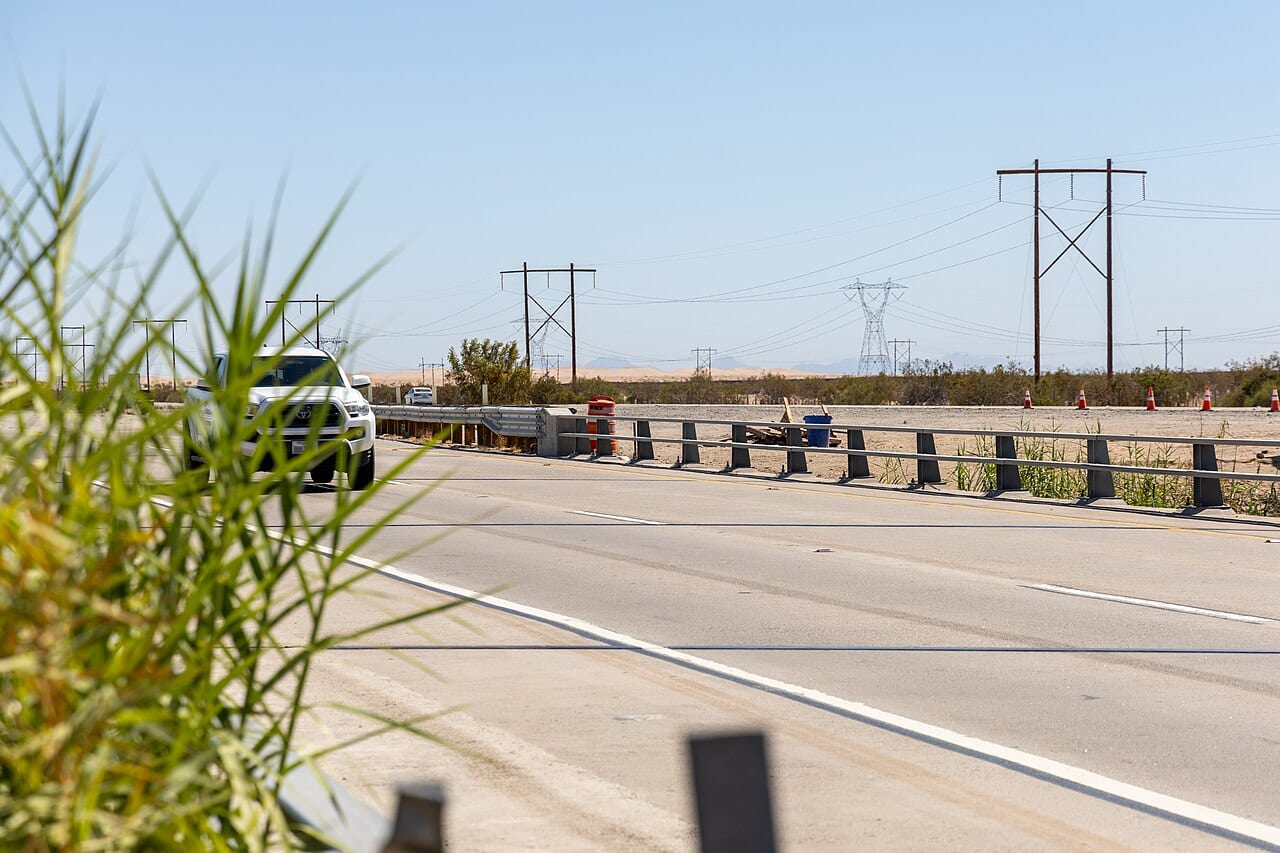
Grace Knowles was driving home from a road trip in September 2025 when a Louisiana officer pulled her over. He said she had drifted in her lane. That excuse covered a different reason1.
The officer said he had scanned her plate and found what he called "suspicious travel patterns," he told her. He worked with the FBI instead of the local department.
His feed pulled data from automated license plate readers nationwide. Knowles had broken a single rule: a machine disliked the shape of her route.
A Heat Map of Everywhere You Drove
An automated license plate reader, or ALPR, is a roadside camera. It photographs every passing plate and logs the time and place. Police have used them for two decades to check one plate against a list of stolen cars. The reading changed; the camera stayed the same.
Knowles says the officer invited her into his patrol car to show her the software. "It was basically a heat map of the US, and I could see different circles where I'd been, and when he clicked on it, it was a photo of my license plate," she told the ACLU's Jay Stanley1.
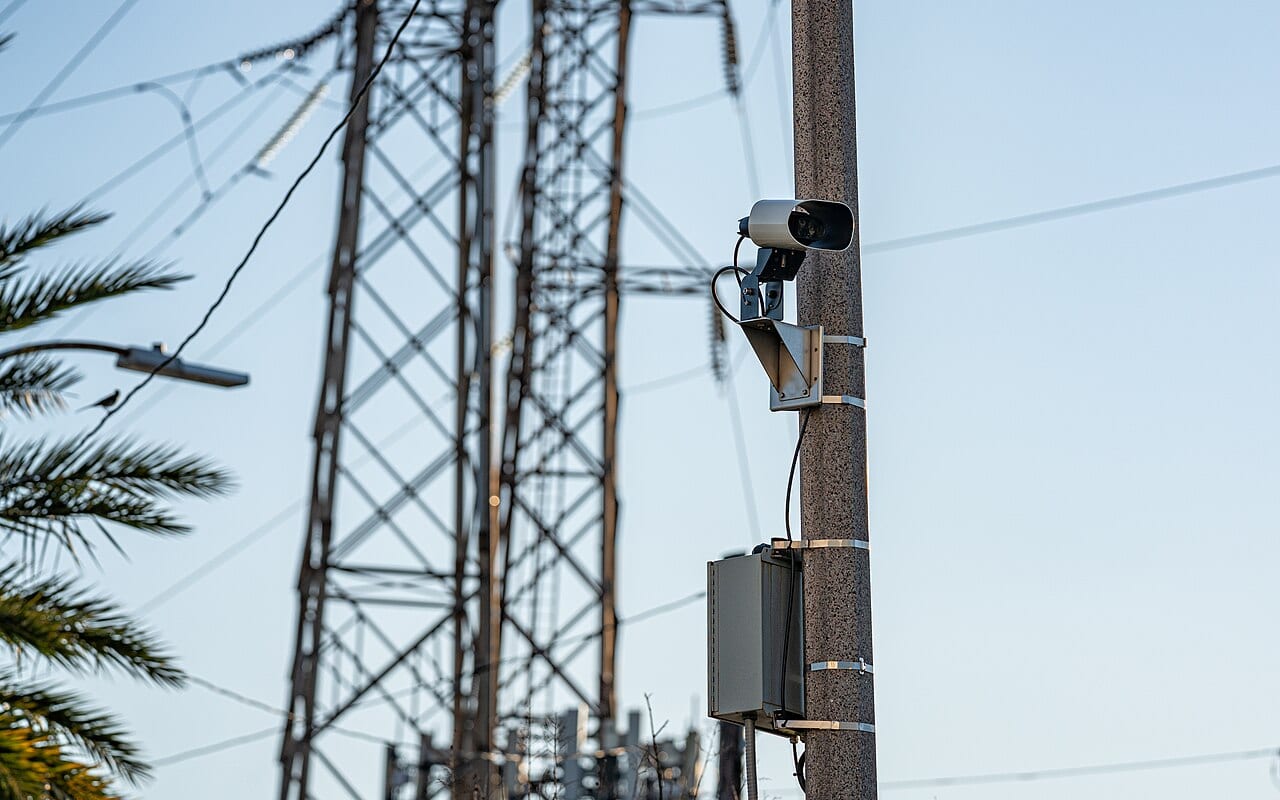
Flock Safety, the country's largest ALPR vendor, began advertising this pattern-reading capability in July 20251. The company now sells software that flags a driver's route itself as a lead, before any specific car is suspected of anything. Garrett Langley, Flock's chief executive, defends the shift as a crime-fighting upgrade, and he makes that case in his own words below.
Whisper Stops, By Design
Police have a name for a stop built this way. They call it a "whisper stop" or an "intel stop," their own term for it. An officer invents a minor reason, a lane drift or a missing signal, to pull a driver over. The real cause is a flag hidden from the driver and from any court record1.
The ACLU's account recounts two earlier cases. A Wisconsin driver was flagged in April 2025 for trips into Michigan, a state where marijuana is legal. Border agents questioned a California grandmother in March 2026 about her visits to local casinos1.
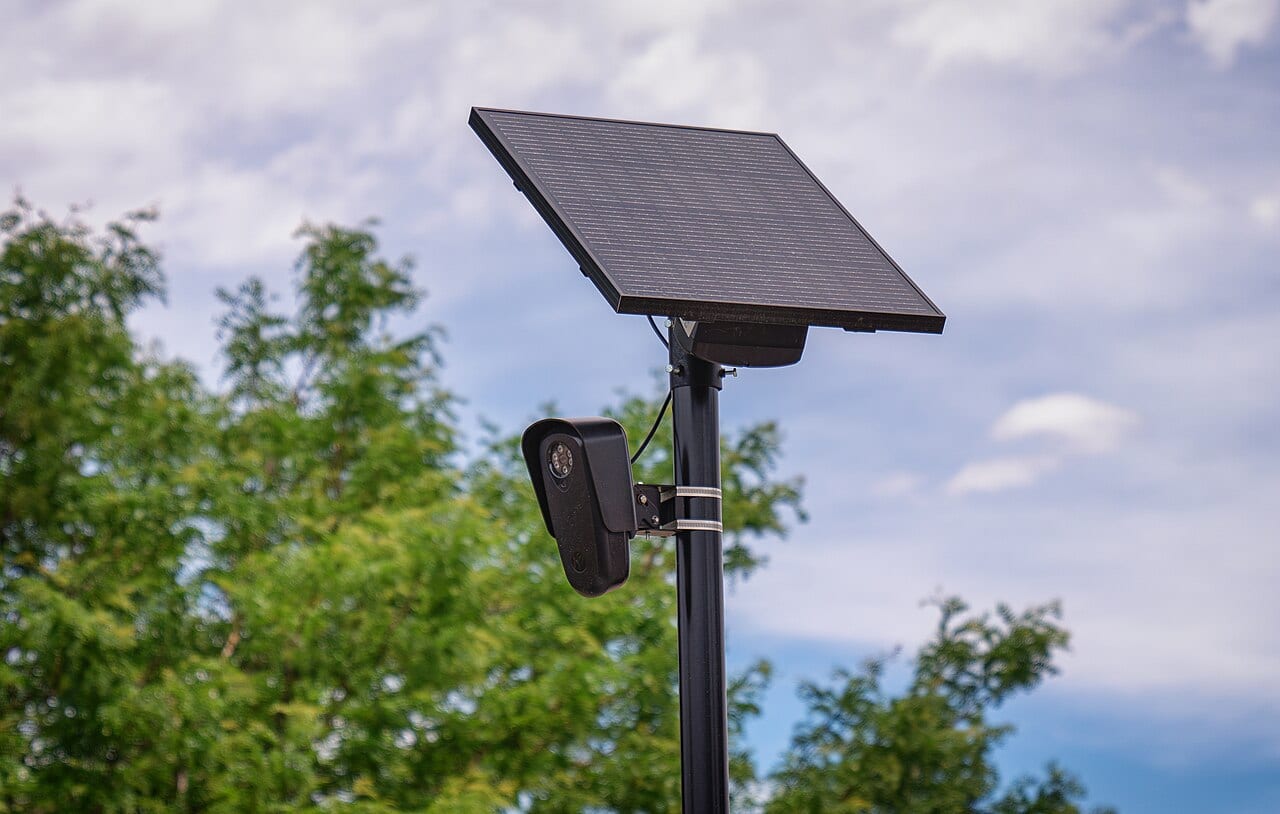
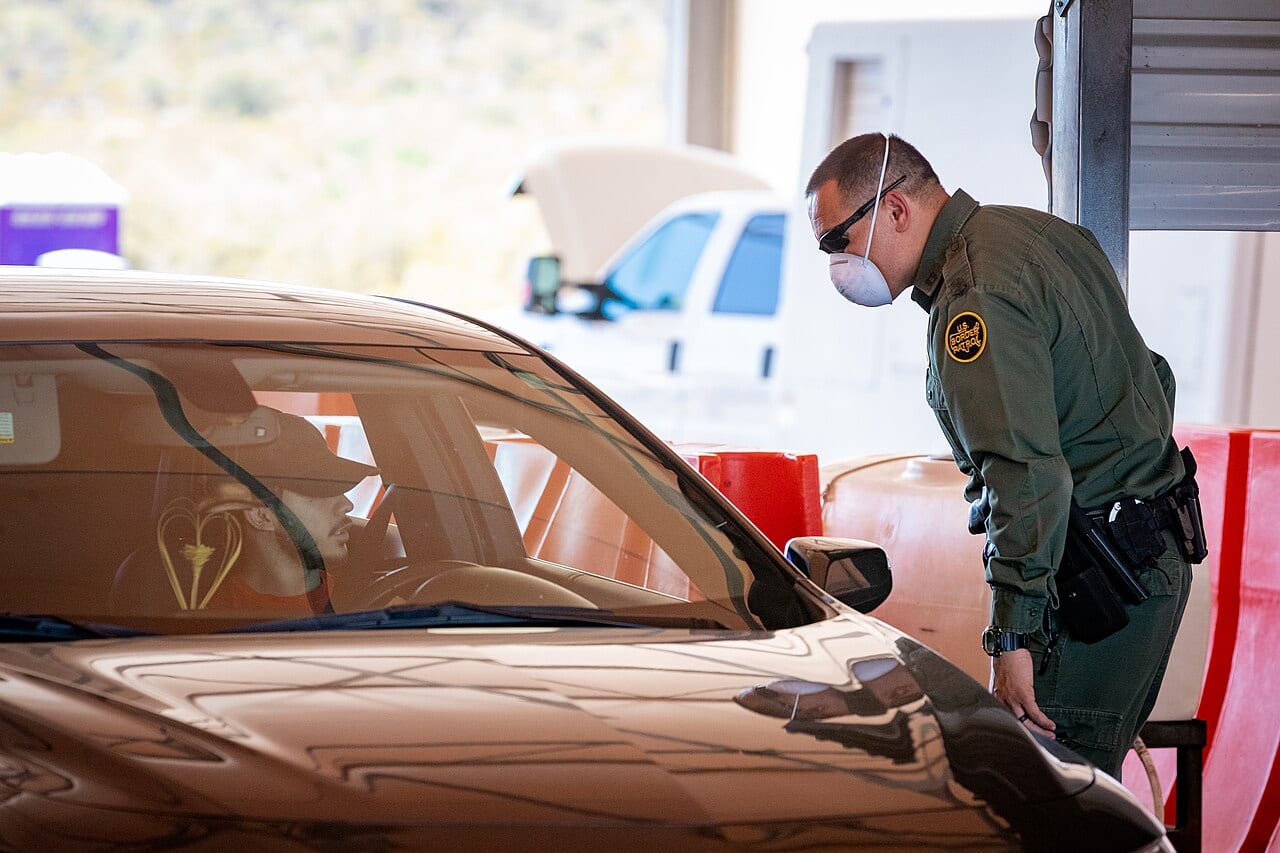
The Associated Press found this pattern running through a federal program, too. Border Patrol has built a nationwide network of cameras, some hidden inside traffic barrels. The network flags drivers it calls suspicious and alerts local police to make the stop2. One driver for a small furniture company was pulled over 100 miles from the Mexican border after a tip from the program.
Deputies searched his truck and came up empty, carrying only the cash he already owned. They arrested him anyway, on suspicion of laundering it.
Customs and Border Protection, the agency that runs Border Patrol, told the AP its program is "governed by a stringent, multi-layered policy framework, as well as federal law and constitutional protections, to ensure the technology is applied responsibly and for clearly defined security purposes"2. Nicole Ozer, executive director of the Center for Constitutional Democracy at UC Law San Francisco, read the AP's findings differently. "They are collecting mass amounts of information about who people are, where they go, what they do, and who they know," she said.
Flagged travel patterns led to stops or reports seven times in 18 months
Dated public reports and court records of AI-flagged, pattern-based vehicle stops, April 2025 to October 2026
Each pin marks one dated case or report; the last pin is the ACLU account that gives this story its name.
Sources: American Civil Liberties Union [1]; The Associated Press [2]; The Texan [3]; Fox News [4]. Chart by Ryan Elliott Dennis.
The numbers behind this chart
| Date | Event |
|---|---|
| April 2025 | Wisconsin trip flagged. Local police flag a driver headed to Michigan, a marijuana-legal state |
| Sept. 2025 | Knowles stop, Louisiana. An agent cites her "suspicious travel patterns" |
| Nov. 2025 | Border Patrol monitors. AP reveals nationwide monitoring of drivers for suspicious travel |
| March 2026 | Markup: casino visits. A California grandmother questioned about local casino trips |
| Aug. 2026 | Langley defends Flock. Flock's CEO asks for "compromise" amid camera sabotage |
| Sept. 2026 | Bexar jury: $76 verdict. Jury finds a pattern-based stop unconstitutional |
| Oct. 2026 | ACLU publishes account. Jay Stanley's report names the practice |
A Texas Jury Prices the Harm at $76
One case moved past argument into a verdict. Alek Schott, a Houston oilfield supplier, drove to the town of Carrizo Springs and back in March 2022. A federal fusion center flagged the round trip as suspicious. The Bexar County deputy who stopped him cited a lane drift that his own dashcam disproved3.
Deputies held Schott on the roadside for 76 minutes and questioned him. They searched his truck after a drug dog's alert, one the deputy's own gesture appeared to prompt. The 40-minute search came up empty-handed, and he left with a warning for the lane drift3.
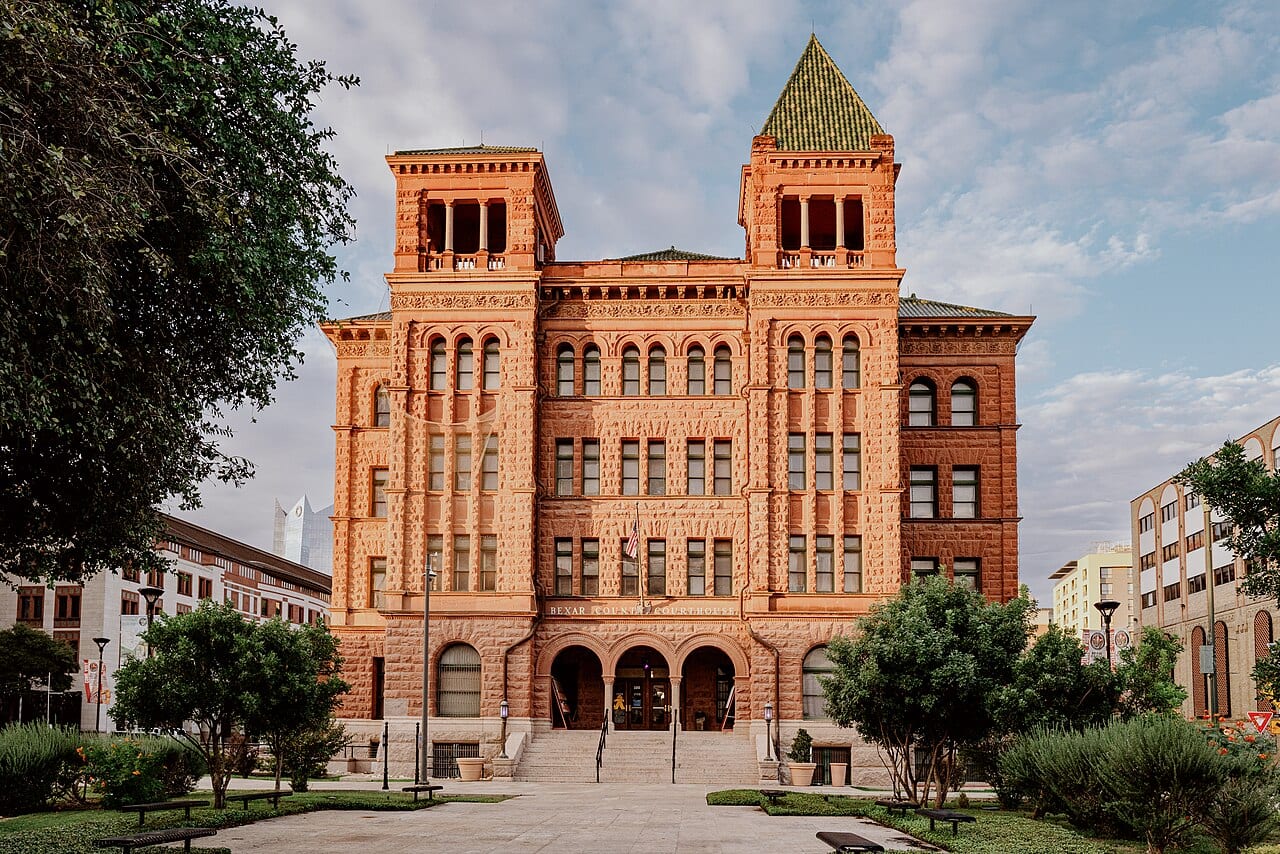
A federal jury sided with Schott in September 2026 and awarded him $76, a dollar for every minute he lost. Christie Hebert, the Institute for Justice attorney who represented him, called the verdict a warning to every department running a program like it. "Motorists across this country are being watched by local, state, and federal agents, flagged by AI-powered cameras, and then pulled over for a bogus offense that exists only as a cover story for an interrogation and a search," Hebert said3.
Hebert's team showed the jury dozens of videos of other drivers stopped the same way. One video showed a hospice nurse flagged three times in a single day. "Officers have to actually have a belief that you are committing a crime, and these officers did not have that," she said. "The Fourth Amendment requires real reasons, real reason to stop, real reason to hold, and a real reason to search"3.
Flock's Own Defense
Langley rejects that framing. Speaking to Fox News amid a wave of camera vandalism in August 2026, he argued privacy and safety are a false choice. "When people talk about just one of these, privacy or safety, they're prioritizing the wrong thing, and what we have to prioritize as a country is compromise," Langley said. "How do we have our safety, and how do we balance privacy?" he asked4.
Langley points to scale. Flock has aided over a million investigations and helped locate more than 10,000 missing people, he told Fox News4. The company's own blog credits its cameras with helping solve more than 500 crimes a day5. That is about 2.5 percent of reported crime in America.
He also admits the current rules fall short. "Today, it is too often that in Flock and in other technologies, there's no regulation. There's no accountability, and we think that's wrong," Langley said.
Flock's own CEO now wants its 30-day data retention cut to 7
Days Flock Safety keeps license plate data by default, against the limit its CEO proposed in August 2026
The blue dot is Flock's standing 30-day default; the magenta dot is the 7-day limit its own chief executive proposed once the backlash grew.
Sources: Fox News [4]; Flock Safety [5]. Chart by Ryan Elliott Dennis.
The numbers behind this chart
| Item | Flock's standing default | Langley's own proposal |
|---|---|---|
| Data retention | 30 days | 7 days |
That admission cuts against his own company's defaults. Flock keeps license plate data for 30 days automatically, a policy its blog calls an industry first5. Langley is now the one asking regulators to cut that window to seven days. The same month, a jury decided one of his cameras had already helped build an unconstitutional stop34.
What to do
A reader whose city runs Flock or a similar system can ask the local department two questions. How long does it keep plate data? Does a search need a specific suspect, or does a pattern alone suffice? Both answers are usually public record, and both numbers are moving targets this year.
Dashcam footage settles a vague claim fast, a lane drift or a signal violation chief among them. Requesting that recording before signing anything is a driver's right. Schott's case turned on exactly that footage3.
By the numbers
- $76: a federal jury's award to Alek Schott, a dollar for each of his 76 minutes on the roadside3.
- 30 days: how long Flock Safety's system keeps license plate data by default5.
- Seven days: the shorter retention limit Flock's own chief executive proposed in August 2026, after the backlash grew4.
- 2.5 percent: the share of reported U.S. crime Flock credits its own cameras with helping solve, by the company's count5.
- 10,000: missing people Langley says Flock's cameras have helped locate4.
- September 2025: when an agent told Grace Knowles her travel pattern looked suspicious on a Louisiana roadside1.
- November 2025: when the AP first reported Border Patrol's nationwide monitoring of drivers for suspicious routes2.
What to watch
Watch the injunction. Hebert's team said it would ask a federal judge for a permanent order against Bexar County's program. That ruling would bind one department and guide every other one reading this case3.
Flock's own retention number is worth watching, too. Langley proposed seven days in August, and whether his own company adopts it will show whether the proposal was policy or public relations.
Sources
- Jay Stanley, "Police Are Increasingly Pulling People Over Because AI Deems Their Driving Patterns 'Suspicious'," American Civil Liberties Union, Oct. 26, 2026, https://www.aclu.org/news/privacy-technology/ai-driven-police-stops
- The Associated Press, "Border Patrol monitoring millions of US drivers for 'suspicious' travel," Nov. 21, 2025, https://www.newstribune.com/news/2025/nov/21/border-patrol-monitoring-millions-of-us-drivers/
- Holly Hansen, "Bexar County's License Plate Reader Surveillance Scheme Struck Down by Federal Jury," The Texan, Sept. 29, 2026, https://thetexan.news/issues/criminal-justice/bexar-countys-license-plate-reader-surveillance-scheme-struck-down-by-federal-jury/article_cfdfeb11-c0d7-4e98-b55c-72d1399f5d50.html
- Madison Colombo, "Flock Safety CEO calls for national 'compromise' amid camera sabotage and public revolt," Fox News, Aug. 22, 2026, https://www.foxnews.com/media/flock-safety-ceo-calls-national-compromise-amid-camera-sabotage-public-revolt
- Garrett Langley, "Garrett Langley on Flock's Principled Privacy Framework," Flock Safety, July 24, 2026, https://www.flocksafety.com/blog/flock-safety-ceo-principled-framework