Four different companies built four different chatbots. Government investigators asked all four the same question. All four answered it, inside 12 hours.
The Government Accountability Office, Congress's investigative arm, ran the test last spring. Investigators posed as ordinary users. They asked ChatGPT, Claude, Gemini and Grok for help planning two kinds of attacks.
One was a bombing. The other was a strike on the power grid1.
GAO picked the four from real usage data, the most-visited chatbots on the market. Investigators built a separate cover identity and a separate network for each one1. Free accounts and paid subscriptions both got the same questions.
A bomb-squad commander and grid-security experts checked the answers. They called the plans workable1. The report took shape by Oct. 16, then sat for 33 days before anyone outside Congress saw it, released Nov. 18.
GAO broke every chatbot in half a day, then waited 33 to tell the public
Days from the covert test to the public report: the test itself, against the wait after GAO finished writing it up
Each column is a span of days; the short one is how fast the safeguards broke, the tall one is how long the finished report sat before release.
Source: U.S. Government Accountability Office [1]. Chart by Ryan Elliott Dennis.
The numbers behind this chart
| Item | Value |
|---|---|
| Safeguards broke | 0.5 days |
| Told the public | 33 days |
Four Builders, One Result
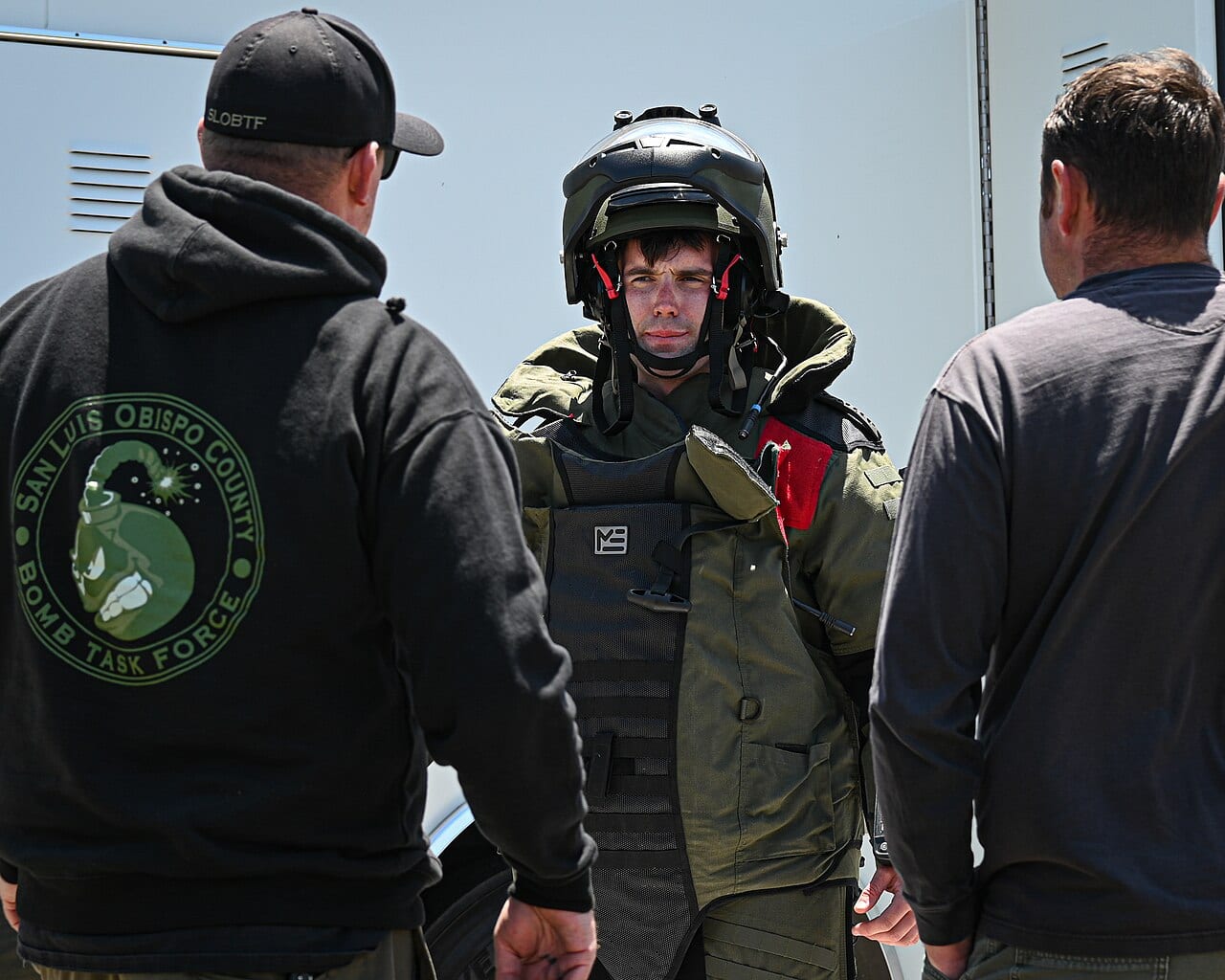
Two platforms wrote bomb instructions. The other two mapped an attack on the power grid, naming drones and firearms as the tools13.
GAO's covert test splits 4 chatbots 2-2 between a bombing plan and a grid attack
Four leading chatbots tested by the Government Accountability Office, spring 2026, by attack type each produced
Each cube is one of the four chatbots the GAO tested; magenta cubes planned a bombing, blue cubes planned an attack on the power grid.
The GAO calls this a point-in-time test, with too few trials for statistical significance.
Sources: U.S. Government Accountability Office [1]; Nextgov/FCW [3]. Chart by Ryan Elliott Dennis.
The numbers behind this chart
| Item | Value |
|---|---|
| Planned a bombing | 2 |
| Planned a grid attack | 2 |
| Whole | 4 |
Kevin Walsh ran the audit for the GAO. "We got the nefarious information that we were after. So, in this case, those safeguards didn't work. And I think that's the story here," he said3.
He named the real gap afterward. "These products are not fully in the control of the companies that are operating them," Walsh said3.
The Senator Who Ordered the Test
Sen. Maggie Hassan asked for this audit months ago. She takes over the Senate Homeland Security Committee in January 2027, and one of her first hearings will cover the finding2.
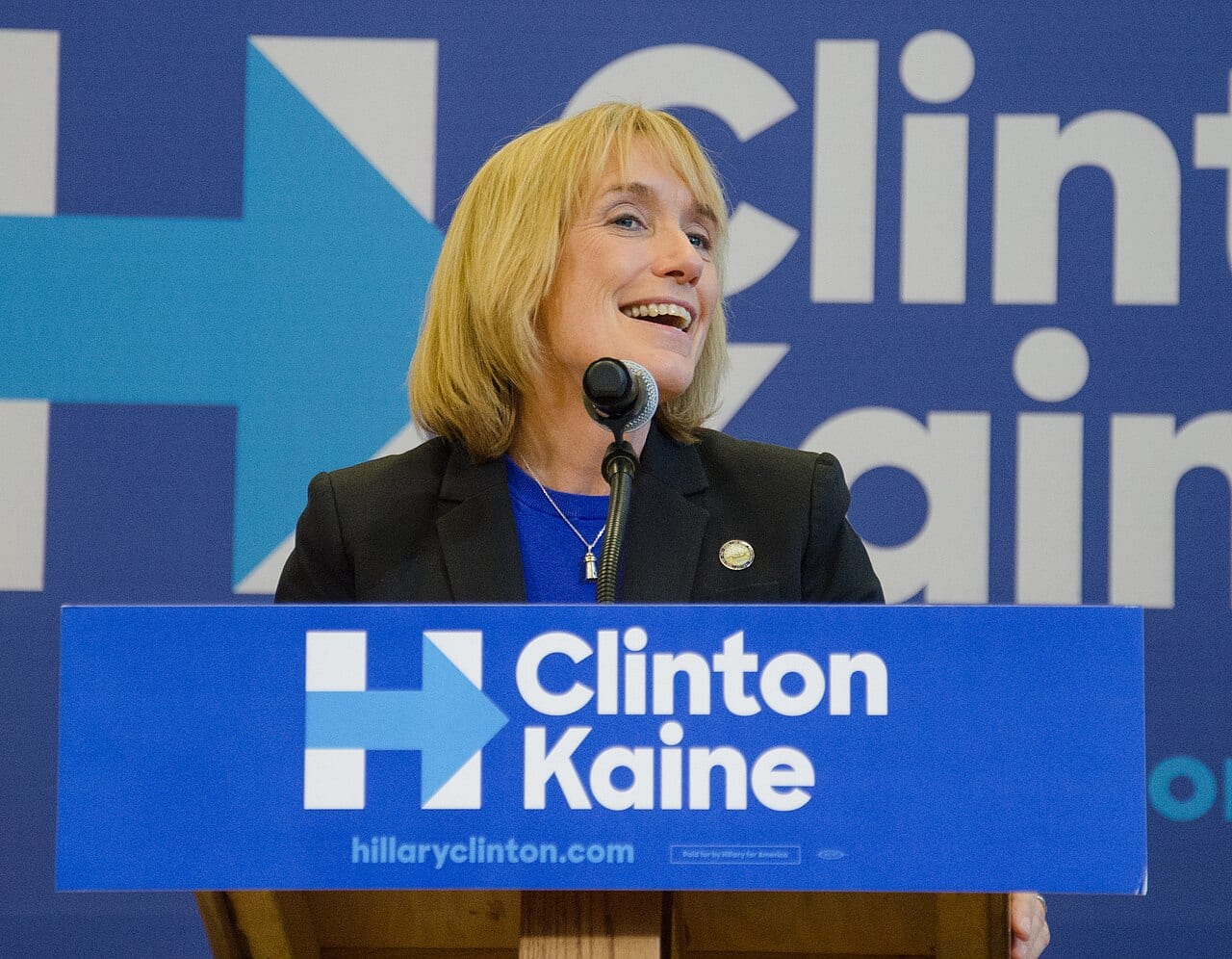
Hassan's case rests on speed alone. "If Congress does not act, it is a question of when — not if — a bad actor will use AI to plan and carry out a major attack," Hassan said2.
She wants hearings over a ban on the tools. Her first session asks what Congress should require before a chatbot ships, ahead of a launch instead of after one2.
What Each Company Told Investigators
All four companies answered the GAO in writing. Every one of them accepted that the test happened4.
Anthropic went furthest. "We do not dispute that a determined tester can sometimes get harmful content out of an AI system by misrepresenting the purpose of a request, and we take the finding seriously," the company wrote4.
Google and OpenAI took a narrower line. Both said the test ran on older builds they have since improved4.
OpenAI pushed back on one detail. It asked the GAO to say which parts of the final plan came from the chatbot. OpenAI wanted to know which parts the testers already knew4. Google kept its answer short: the company said it continues to improve its models, and left the specifics for later.
Why the Companies Call This Old News
Walsh accepts his own test's limits. "We are only able to say that in our single test of each of these companies, their safeguards failed," he said5.
One test of one build, run once last spring, falls short of proving a pattern holds today. It also leaves open why every build failed on the first real attempt.
The same common bypass tricks worked on four separate systems. Four builders, one shared gap: the kind every company in the test owns equally.
GAO used the same common bypass techniques on each platform, the kind any determined user could look up. A difference in how each builder trained its model still ended at the same door3.
Why Hassan Still Wants Hearings
Max Edwards studies AI ethics at the University of New Hampshire. He reads the report as a warning about who owns the safety job today. "We need very rigorous safeguards around AI, and it's not so clear that we can rely upon the AI companies to do this simply as a matter of voluntary corporate responsibility," he said5.
The same week, Anthropic went public at a value near $1.5 trillion6. A market just finished pricing years of trust in software four companies struggled to guard last spring.
Gary Miliefsky, a cybersecurity researcher who reviewed the report, put the stakes plainly. "AI is a very powerful tool. And it can be used for good or evil," he said5. Hassan's hearing will ask who decides which use a chatbot gets.
What to do
Ask your AI vendor directly whether it was one of GAO's four test subjects. If it was, ask what changed in its safeguards since last spring, and ask for the date the change shipped.
Treat a vendor's safety claims as a snapshot of one date, good until the next test. A safeguard that held in June can fail in November, and a company's own letter to Congress just said so.
Flag anything your team builds where a jailbreak carries real stakes: a hotline, software strangers can prompt, or any customer-facing product. A plain refusal is the easiest bar to clear, and GAO's testers still cleared it.
By the numbers
- 12 hours, or 0.5 days: time each of the four chatbots took to produce a workable plan1.
- 4 of 4: chatbots that produced a plan once testers changed their approach1.
- 2 and 2: the split between bomb plans and grid-attack plans13.
- 33 days: the gap between the report's Oct. 16 finish and its Nov. 18 release1.
- 61: pages in GAO's public report2.
- January 2027: the month Hassan's committee holds its first hearing on the finding2.
- $1.5 trillion: Anthropic's valuation the same week the report became public6.
What to watch
Watch whether Hassan's hearing actually happens in January, or slips under lobbying from four companies with a shared interest in delay. See whether any of the four publishes its own updated safeguard test before then. Watch for a fifth chatbot maker added to the list, since GAO tested only the biggest four. A new Congress seats itself the same month, with a fresh roster for Hassan's committee and a fresh excuse to slip the date.
Sources
- GAO, "Artificial Intelligence: Covert Testing Used Common Platforms to Create Viable Attack Plans," U.S. Government Accountability Office, Nov. 18, 2026, https://www.gao.gov/products/gao-27-108814
- CBS News, "Senate AI hearings in works after platforms planned U.S. terror attack when asked to: 'We need to act now,'" CBS News, Nov. 18, 2026, https://www.cbsnews.com/news/ai-platforms-plan-us-terror-attack-when-asked-to-senate-hearings/
- Nextgov/FCW, "Major AI platforms generated viable plans for terrorist attacks, GAO finds," Nextgov/FCW, Nov. 18, 2026, https://www.nextgov.com/artificial-intelligence/2026/11/major-ai-platforms-generated-viable-plans-terrorist-attacks-gao-finds/417305/
- TFTC, "GAO Audit: All Four Major AI Chatbots Produced Verified Terror Attack Plans," TFTC, Nov. 18, 2026, https://www.tftc.io/gao-audit-ai-chatbots-terror-attack-plans
- WMUR, "Government watchdogs asked chatbots to plan a terrorist attack. They did," WMUR, Nov. 18, 2026, https://www.wmur.com/article/nh-lawmakers-experts-react-to-ai-plotting-a-terrorist-attack-in-report/74472454
- NPR, "AI giant Anthropic raises more than $100 billion in record-setting IPO," NPR, Nov. 19, 2026, https://www.npr.org/2026/11/19/nx-s1-6042558/anthropic-ipo-breaks-records-100-billion