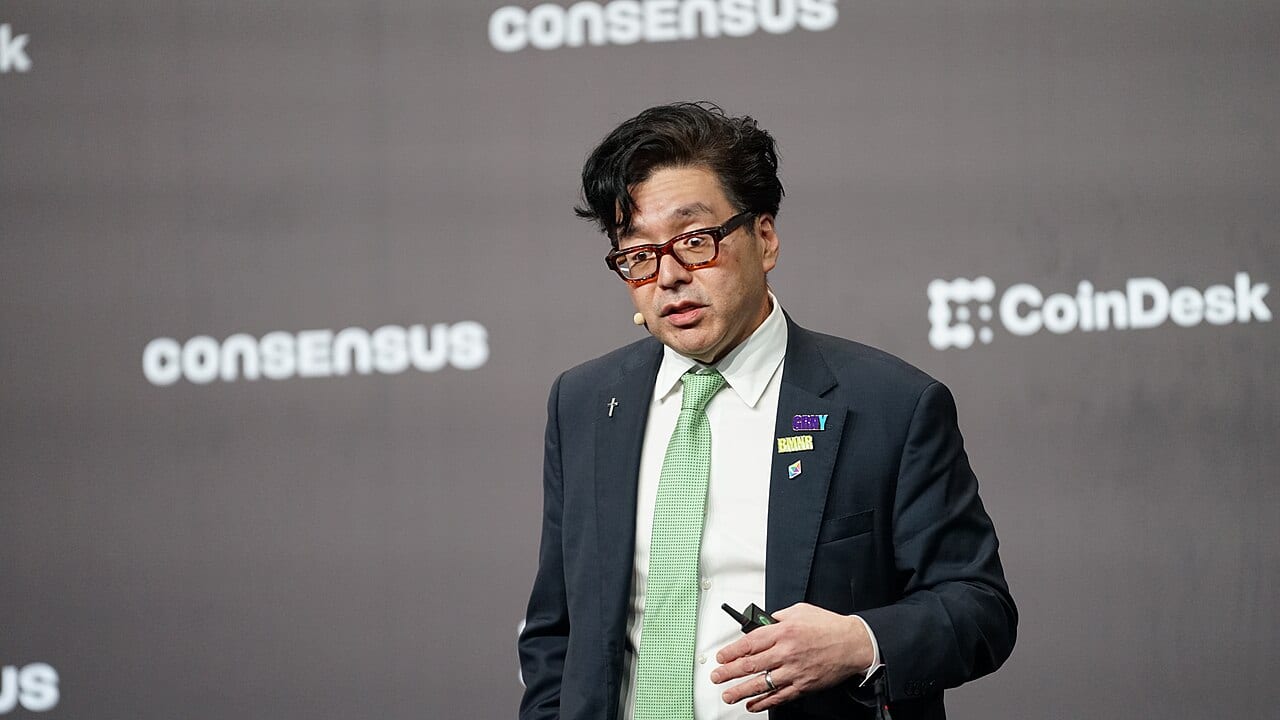
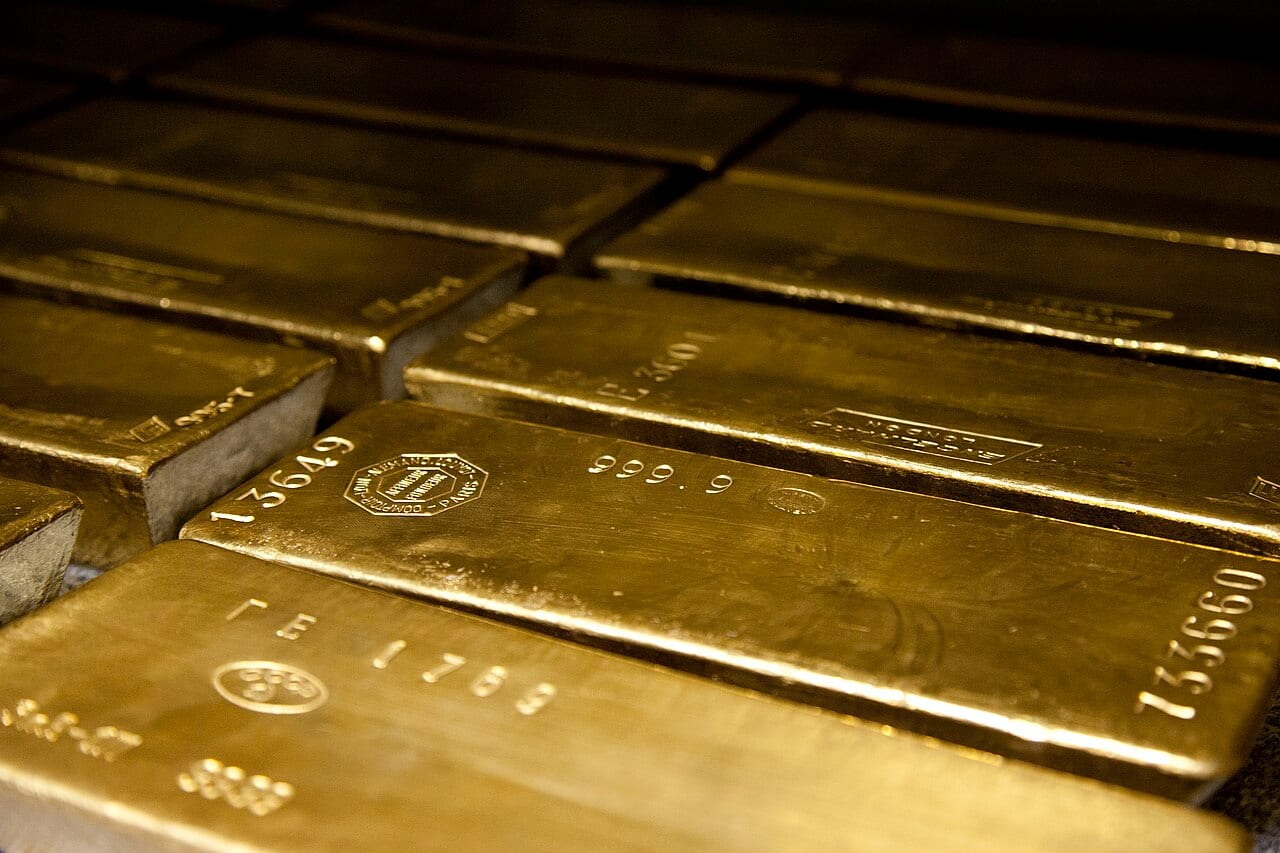
Gold fell more than $120 an ounce on Oct. 30, 2026, and broke below $4,0001. Peter Boockvar called it forced selling, separate from gold's own case. He is chief investment officer at OnePoint BFG Wealth Partners.
Five stocks drove more than half of the stock market's gain for the year's first nine months, Boockvar said. He spoke at the New Orleans Investment Conference. Gold, he noticed, now moved on the same days they did1.
"Gold is treated like an AI stock today, which it's not," Boockvar said1.
The easy reading writes itself. If artificial intelligence now prices gold the way it prices chip stocks, it has reached every market, gold included. The story skips the part of the gold business that actually touches a shovel.
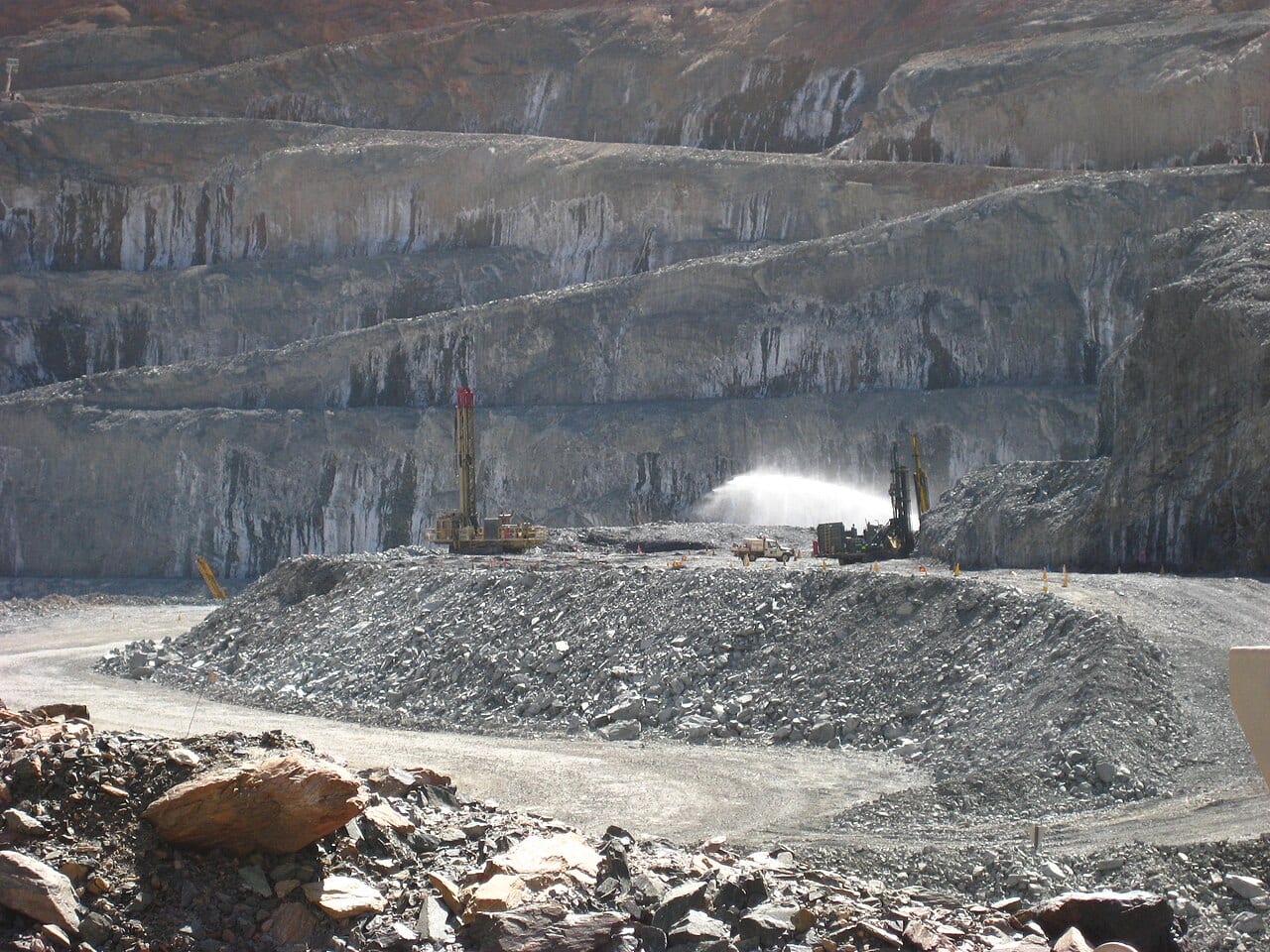
Gold miners spent $6.2 billion hunting for the metal in 2025, 11 percent more than the year before. That claimed half of the world's $12.4 billion nonferrous exploration budget, S&P Global Market Intelligence found2.
Gold alone claims half of the world's $12.4 billion exploration budget
Global nonferrous mineral exploration budgets, 2025, S&P Global Market Intelligence data
Source: Investing News Network [2]. Chart by Ryan Elliott Dennis.
The numbers behind this chart
| Item | Value |
|---|---|
| Gold exploration | $6.2B |
| Whole | $12.4B |
Look at where that money actually went, and the AI story changes shape. Near-mine exploration, drilling beside a pit a company already operates, climbed to a record 45 percent of global spending. Grassroots exploration, the hunt for deposits on untested ground, fell to an all-time low of 21 percent2.
Near-mine drilling hits a record 45 percent of exploration dollars while new-ground hunts fall to 21
Share of global nonferrous exploration budgets by category, 2025, S&P Global Market Intelligence data
Near-mine exploration drills beside a mine already running; grassroots exploration hunts for deposits on untested ground.
Source: Investing News Network [2]. Chart by Ryan Elliott Dennis.
The numbers behind this chart
| Item | Value |
|---|---|
| Near-mine | 45% |
| Grassroots | 21% |
Equinox Gold put a number on that caution in February. Darren Hall, Equinox's chief executive, announced a new gold zone at the Valentine mine in Newfoundland. VRIFY's AI software, DORA, flagged the target after combing years of geochemistry, geophysics and structural data across the property3.
The company called the find "AI-supported." Its Minotaur Zone sits eight kilometers from the mill Equinox already runs3.
"These latest drill results continue to strengthen our confidence in the scale and quality of the Valentine Gold District," Hall said3.
Roman Teslyuk argues AI finds more than safer ground. He runs Earth AI, a small exploration company that aims its software at land with a blank record, far from any existing mine.
Teslyuk pointed to Earth AI's Willow Glen project in New South Wales, Australia. "Following the recent announcement of our discovery of one of the largest palladium mineral systems in Australia, the discovery of gold at our Willow Glen site further demonstrates the validity of our AI-powered mineral discovery software," he said5.
His own words also show the limit. Drill cores still travel to a lab, and the wait can run five months4. "We don't know whether we hit gold or not. We can't see it with our eyes," Teslyuk told TechCrunch in April.
A model ranks a target. Someone still pulls the core and waits for the lab to confirm it.
Nicholas Vafeas, an economic geologist who writes for the European Geosciences Union, says that wait matters more on untested ground than anywhere else. Algorithms built on patterns need data that untested ground rarely supplies6.
"Even these systems can miss the subtle features such as foliation changes, micro-vein sets and metamorphic nuances, the kinds of things a trained geologist spots almost subconsciously," Vafeas wrote6.
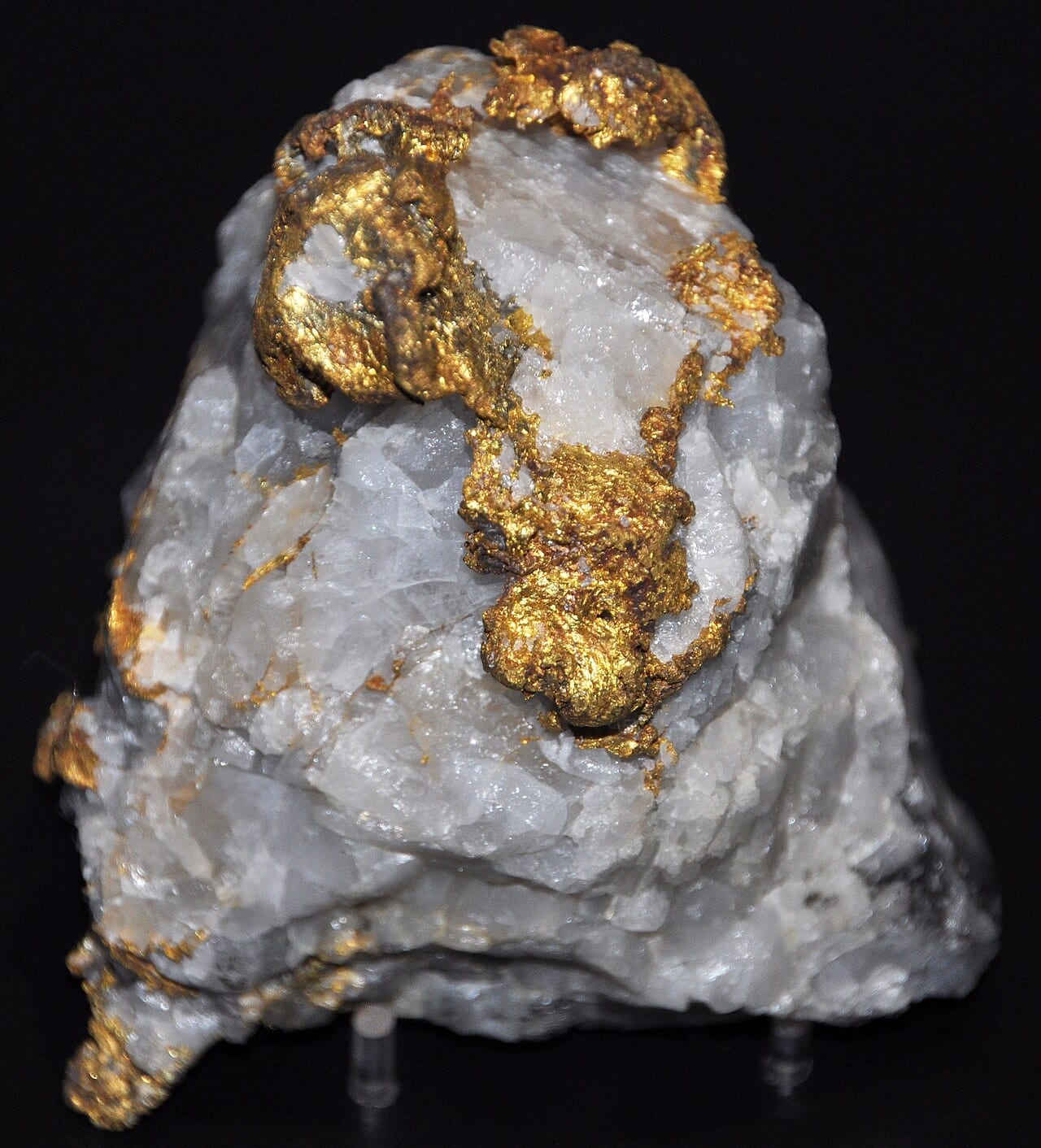
The exploration numbers describe that gap plainly. Software works best beside a mine with years of drilling behind it. It works worst exactly where the biggest discoveries used to start, on ground with a blank record. Money keeps choosing the easier bet, and the S&P Global numbers show it2.
Here is the question a shovel answers, and a stock chart only guesses at. Near-mine drilling pays faster and turns up fewer dry holes. Established miners profit twice: once from the new ounces, once from the AI-discovery headline that follows. Junior explorers chasing genuinely new ground carry the harder risk, the kind algorithms handle worst, with less money behind them2.
Wall Street, meanwhile, already prices gold as part of the AI trade's own outcome.
Boockvar's own words answer the easy reading before the last line does1. A five-stock market and a retreating exploration pipeline are two separate AI stories. Folding them into one hides where the real caution sits2.
Artificial intelligence changed what gold miners point their software at. It left their appetite for risk exactly where it stood. Risk appetite alone decides whether new gold ever gets found. A trading correlation only decides how gold gets priced this week.
Sign up for The Signal, AI Lately's daily email. It tracks who gets paid in AI, one discovery at a time.
Sources
- Jeremy Szafron, "Gold is being treated 'like an AI stock, which it's not,' says Peter Boockvar," Kitco News, Nov. 4, 2026, http://www.kitco.com/news/article/2026-11-04/gold-being-treated-ai-stock-which-its-not-says-peter-boockvar
- Giann Liguid, "Infographic: Miners Retreat to Gold, Slash Early Stage Exploration to Record Lows," Investing News Network, April 9, 2026, https://investingnews.com/miners-explorers-retreat-to-gold/
- Staff, "Equinox Gold Announces Significant New AI-Supported Gold Discovery 8 km from Valentine Mill and Additional High-Grade Gold Mineralization Outside of Resources at The Valentine Gold Mine, Canada," Equinox Gold, Feb. 2, 2026, https://www.equinoxgold.com/news/equinox-gold-announces-significant-new-ai-supported-gold-discovery-8-km-from-valentine-mill-and-additional-high-grade-gold-mineralization-outside-of-resources-at-the-valentine-gold-mine-canada/
- Tim De Chant, "Earth AI is vertically integrating the search for critical minerals," TechCrunch, April 29, 2026, https://techcrunch.com/2026/04/29/earth-ai-is-vertically-integrating-the-search-for-critical-minerals/
- Will Owen, "Earth AI discovers new gold system at Willow Glen," Global Mining Review, Jan. 2, 2025, https://www.globalminingreview.com/mining/02012025/earth-ai-discovers-new-gold-system-at-willow-glen/
- Nicholas Vafeas, "The AI Revolution in Mining: Overhyped, Understood and Absolutely Unavoidable," EGU Blogs (European Geosciences Union), May 27, 2026, https://blogs.egu.eu/divisions/gd/2026/05/27/the-ai-revolution-in-mining-overhyped-understood-and-absolutely-unavoidable/