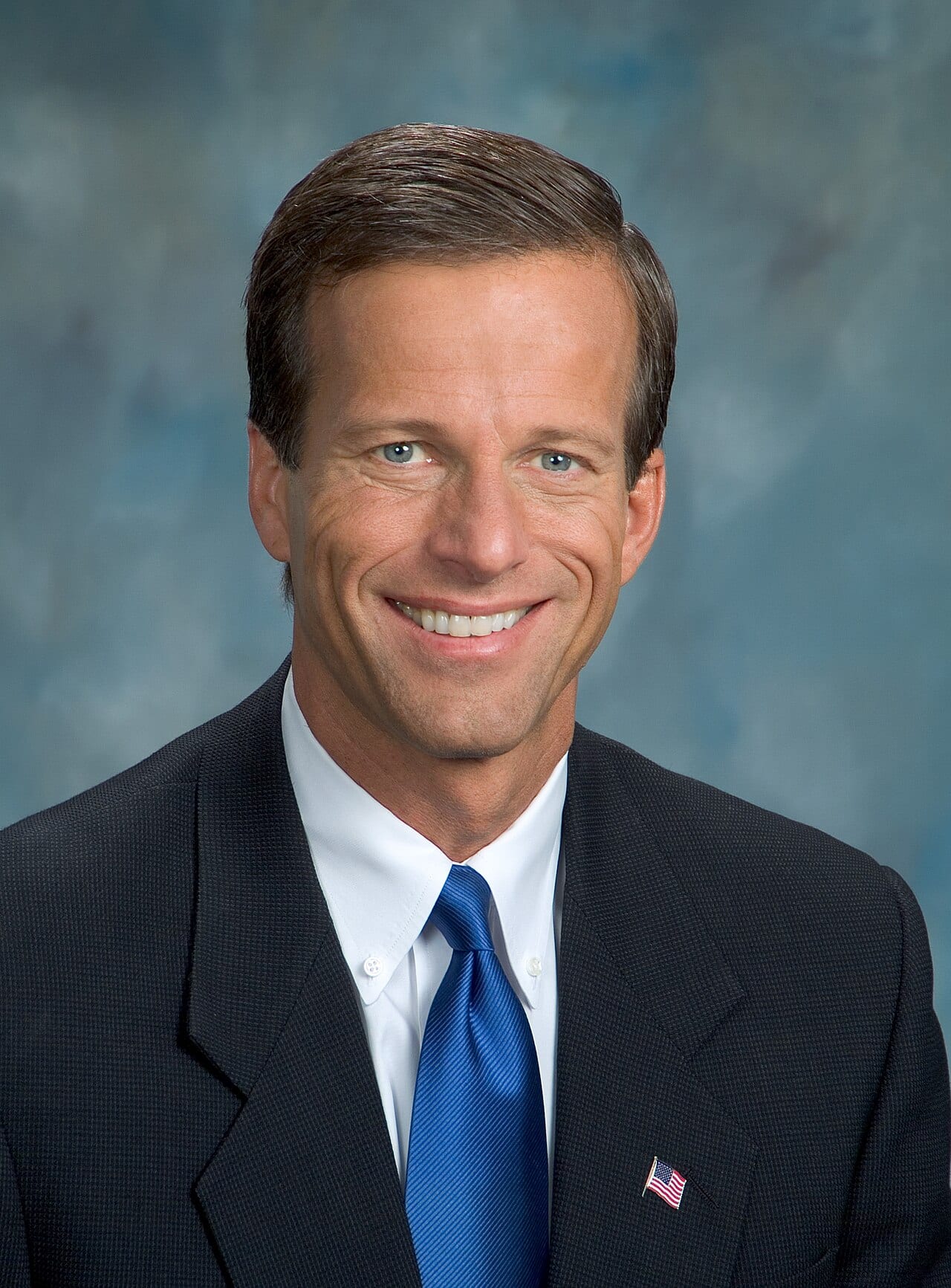
Jensen Huang resigned from Nvidia on Thursday. The Senate moved by Friday. Two export-control bills stalled for months in Congress. Both now sit inside the chamber's defense bill, and lawmakers say his exit is the reason.
Three Years of Public Resistance
Huang spent more than a year personally pushing in Washington to sell Nvidia's H200 chips in China again2. He resisted the existing export rules in public, again and again, whenever a reporter or a lawmaker asked.
An aide who sat in some of his meetings gave CNBC a different account of what happened behind closed doors3. Huang rarely pushed hard against export controls in those rooms, the aide said. He saved his resistance for public statements instead.
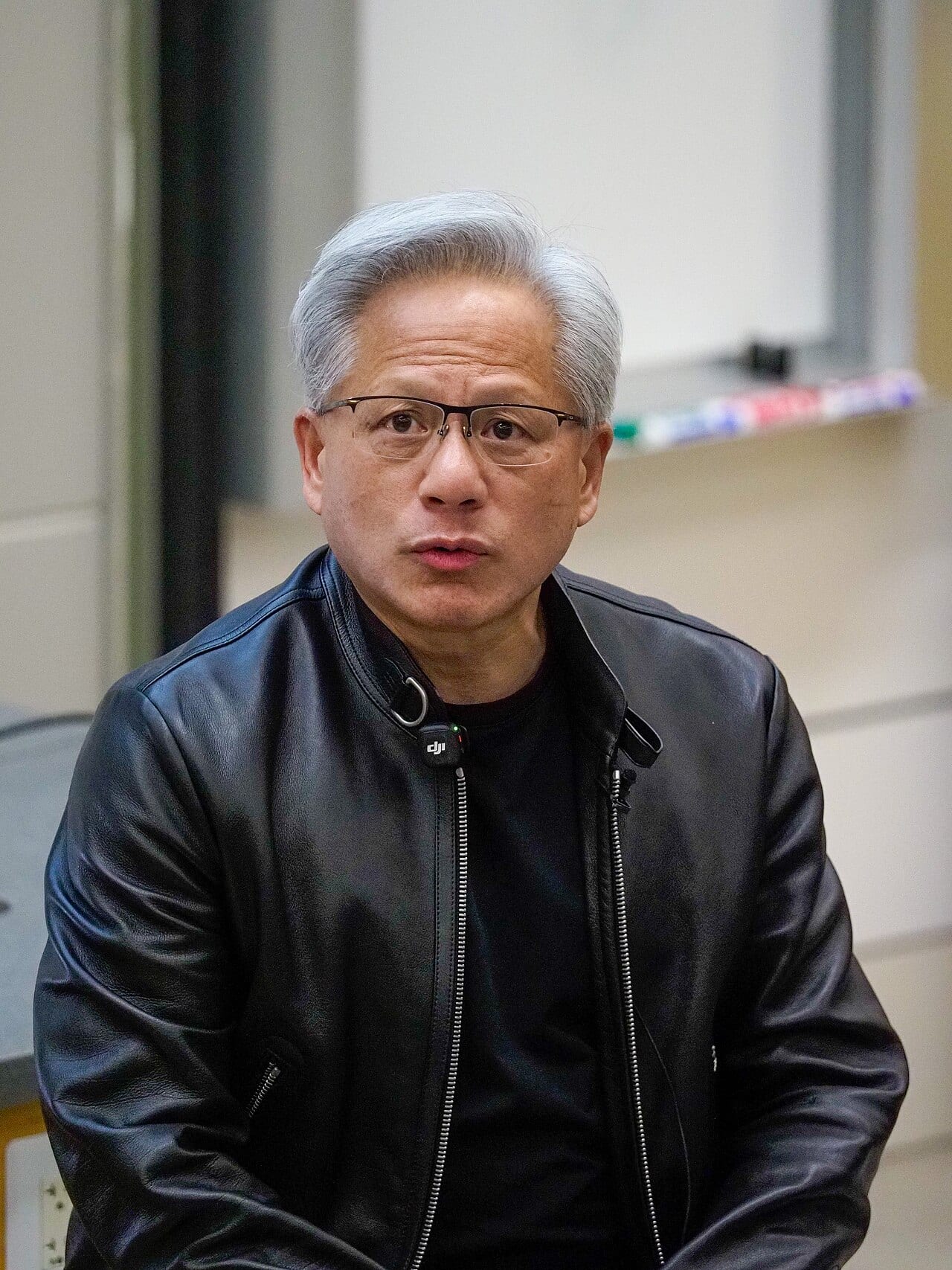
That gap matters anyway. David Meale, who leads Eurasia Group's China practice, called Huang "the industry's most effective lobbyist against tighter rules"2. Effective lobbying, on this account, skipped the closed-door fight. It only needed Huang in the room, resisting the rules in public.
The Votes Were Already There
Two of the three bills Congress wants in its defense bill already cleared committee by lopsided margins67. The House Foreign Affairs Committee passed the AI Overwatch Act 42-2 on Jan. 21, 2026. It passed the Chip Security Act 42-0 on March 26, 2026.
Two Chip Bills Clear Committee With Only 2 Votes Against
House Foreign Affairs Committee roll-call votes, Jan. 21 and March 26, 2026
Each pair of columns is one bill; the blue column counts members who voted yes, and the magenta column counts members who voted against it.
Sources: Roll Call [6]; Ripon Advance [7]. Chart by Ryan Elliott Dennis.
The numbers behind this chart
| Item | Voted yes | Voted against |
|---|---|---|
| AI Overwatch Act | 42 votes | 2 votes |
| Chip Security Act | 42 votes | 0 votes |
Both votes happened months ago, while Huang still ran Nvidia and still argued against the bills in public. The holdup sat somewhere past the count. It was getting the bills into the National Defense Authorization Act. The yearly defense bill almost always passes, and other measures ride inside it1.
3 of 3 Stalled Chip Bills Now Sit in the Senate's Defense Bill
Export-control bills in the Senate's version of the National Defense Authorization Act, as of Nov. 12, 2026
Each cube is one bill lawmakers want in the final defense bill; all three already sit in the Senate's version.
Source: Semafor [1]. Chart by Ryan Elliott Dennis.
The numbers behind this chart
| Item | Value |
|---|---|
| In the Senate's NDAA text | 3 |
| Whole | 3 |
Three bills sit in the Senate's version of that bill today. They are the AI Overwatch Act, the Chip Security Act and the MATCH Act1. Senate Majority Leader John Thune reads the moment plainly. "In this environment where there's some really high stakes when it comes to our national security, I would expect there would be some follow-up, yeah," he told reporters this week3.
The White House Keeps Fighting Past Him
David Sacks took up a different fight this week4. He co-chairs the president's council on science and technology. His focus stayed on the spy claim that pushed Huang out, apart from the export rules themselves.
"At this point, the only crime that we know for sure happened is the leaking of the classified memo," Sacks wrote4. He left the leaker unnamed, and he asked who did it and why.
David Sacks@DavidSacksBombshell story. The spy narrative is collapsing already.
Is there clear & convincing evidence that Alice Huang was a Chinese spy?
- AG says no. (“no conclusions reached”).
- CIA says no. (“not yet convinced”).
- DNI says no (“not entirely accurate and over-torqued”).
- Ranking… https://t.co/9Pt1W2zjVX
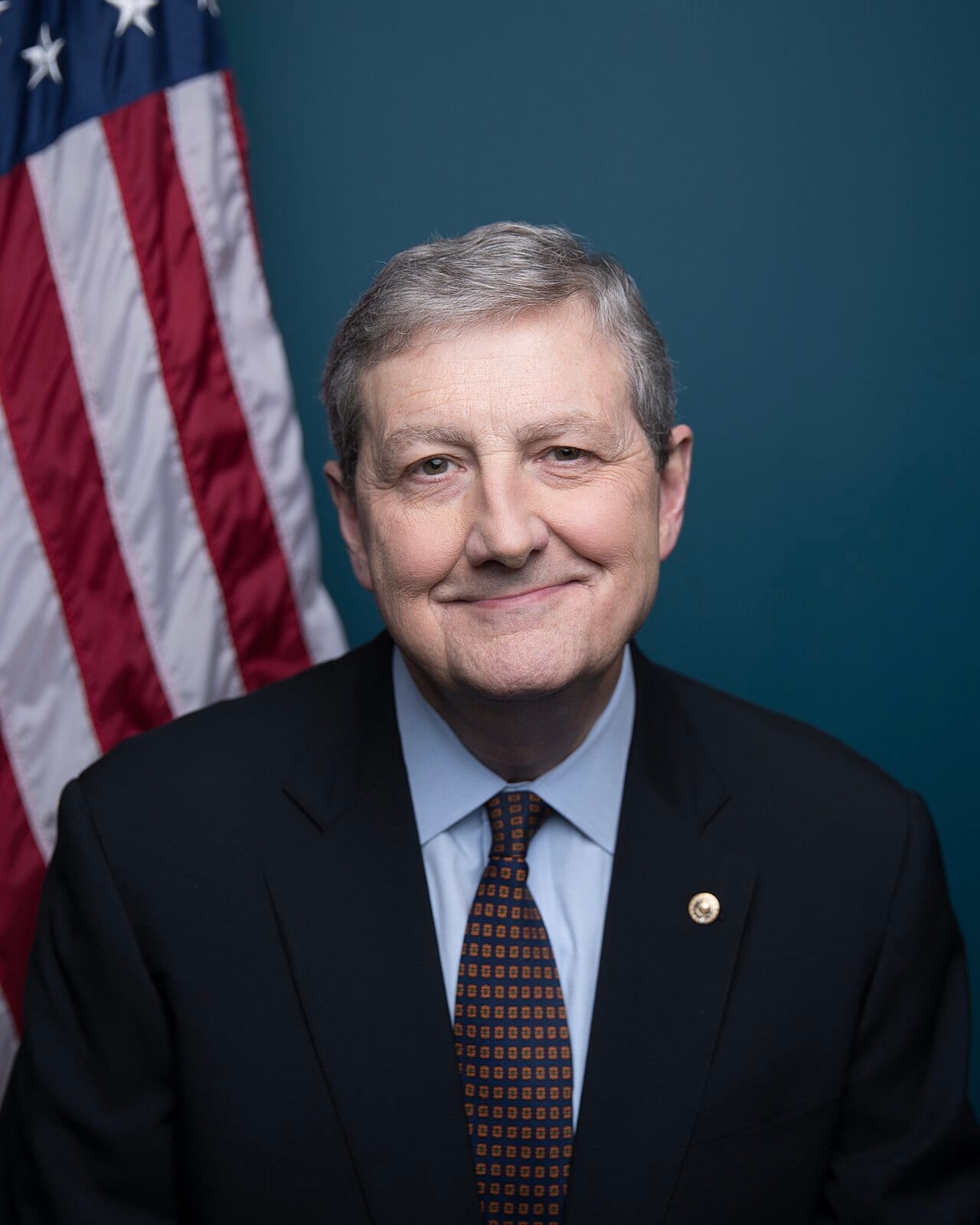
Sen. John Kennedy reads the same evidence differently1. "I understand people have affairs but if you're going to do it, try not to have an affair with a Chinese spy," he told Semafor. He put the odds of tighter rules at better than even.
What China's Own Clock Adds
Beijing is finishing a rule of its own this month8. China's commerce and science ministries drafted export controls on 23 AI technologies in October: large models, agents, chip designs and computing clusters. Public comment on that draft closes tomorrow, Nov. 15.
The threshold catches big, closed models. Any model built with more than 2 trillion parameters needs a license to leave China under the draft. The same holds for a model that ranks in the world's top ten on performance or safety tests8.
Each government moves on its own timeline. Beijing's draft closes for comment before Washington's conference committee finishes its text. Each side's rule gives the other a reason to act.
What Each Side Would Need to Be True
The senators pushing these bills need Huang's exit to matter. It has to matter more than the vote count already showed13. Two bills already had 42 votes apiece while Huang still ran Nvidia. Removing one lobbyist from Washington's rooms would have to change what happens next in conference, past just the mood around it.
Sacks needs the opposite to hold4. He needs the spy claim against Huang to stay unproven. The case for faster chip rules then leans on the scandal alone, apart from any new evidence about the chips themselves. An empty leak investigation still leaves the rules moving anyway, on a thinner argument than before.
Both sides agree on one fact: the bills already had the votes. What they argue about is whether Huang's chair, empty now, was ever the thing holding them back. A reader can watch the conference committee settle that argument with its own text. Its final language will matter more than either side's account of the empty chair.
What to do
A reader with chip exposure or cloud access tied to Asia should read the NDAA conference text once it lands. The headlines about Huang alone leave out the details that matter. One provision, the AI Overwatch Act, would add a congressional review to licenses for any country of concern. The added step can add months to a shipment timeline.
Any firm running inference in Singapore, Malaysia or another Southeast Asian hub this quarter should check its GPUs. The Commerce Department's newer remote-access rules may already cover them. These rules target rented compute, past owned hardware alone.
By the numbers
- The AI Overwatch Act cleared committee 42 to 2 on Jan. 21, 20266.
- Its companion, the Chip Security Act, cleared the same committee 42 to 0 on March 26, 20267.
- Nvidia sold $4 billion in chips to Megaspeed, the Singapore company now under federal investigation1.
- Huang's Senate Banking Committee testimony falls on Dec. 35.
- Lutnick's testimony to the same committee falls a week later, Dec. 105.
- Beijing's own draft would restrict 23 AI technologies8.
- Public comment on that draft closes Nov. 15, tomorrow8.
What to watch
The NDAA conference committee will decide by year's end whether any of the three bills survive intact1. Dec. 3 brings Huang's first testimony to the Senate Banking Committee since he resigned. A classified-memo leak investigation sits behind both dates. Sacks says that question, ahead of the chip rules, is what Washington should answer first.
Sources
- Burgess Everett, Nicholas Wu and Ashley Gold, "'A high probability': Congress pushes tighter export controls following Nvidia scandal," Semafor, Nov. 12, 2026, https://www.semafor.com/article/11/12/2026/a-high-probability-congress-pushes-tighter-export-controls-following-nvidia-scandal
- Anniek Bao, "Jensen Huang's affair with alleged spy revives push to tighten China chip curbs ahead of Trump-Xi summit," CNBC, Nov. 12, 2026, https://www.cnbc.com/2026/11/12/nvidia-trump-jensen-chip-export-controls-china-xi-.html
- Garrett Downs, Justin Papp, Karen James Sloan and Irit Skulnik, "Nvidia is done with Jensen Huang. The fallout in Washington is just beginning," CNBC, Nov. 13, 2026, https://www.cnbc.com/2026/11/13/nvidia-jensen-huang-washington-congress.html
- Benzinga Staff, "Trump Tech Advisor David Sacks Says 'Spy Narrative Is Collapsing' as US Officials Question Evidence Against Nvidia's Jensen Huang," Benzinga, Nov. 13, 2026, https://www.benzinga.com/markets/equities/26/11/63230368/trump-tech-advisor-david-sacks-says-spy-narrative-is-collapsing-as-us-officials-question-evidence-against-nvidias-jensen-huang
- Eleanor Pringle, "Senate Banking Committee asks Jensen Huang and Howard Lutnick to testify over 'significant national security concerns' next month, or face subpoenas," Fortune, Nov. 13, 2026, https://fortune.com/2026/11/13/senate-banking-committee-nvidia-jensen-huang-howard-lutnick/
- Allison Mollenkamp, "Chip export bill advances in House Foreign Affairs," Roll Call, Jan. 21, 2026, https://rollcall.com/2026/01/21/chip-export-bill-advances-in-house-foreign-affairs/
- Ripon Advance News Service, "GOP members applaud committee action advancing Huizenga's Chip Security Act," Ripon Advance, March 30, 2026, https://riponadvance.com/featured/gop-members-applaud-committee-action-advancing-huizengas-chip-security-act/
- Alina Maria Stan, "China proposes export controls on its advanced AI models and chip designs," The Next Web, Oct. 16, 2026, https://thenextweb.com/news/china-ai-export-controls-draft