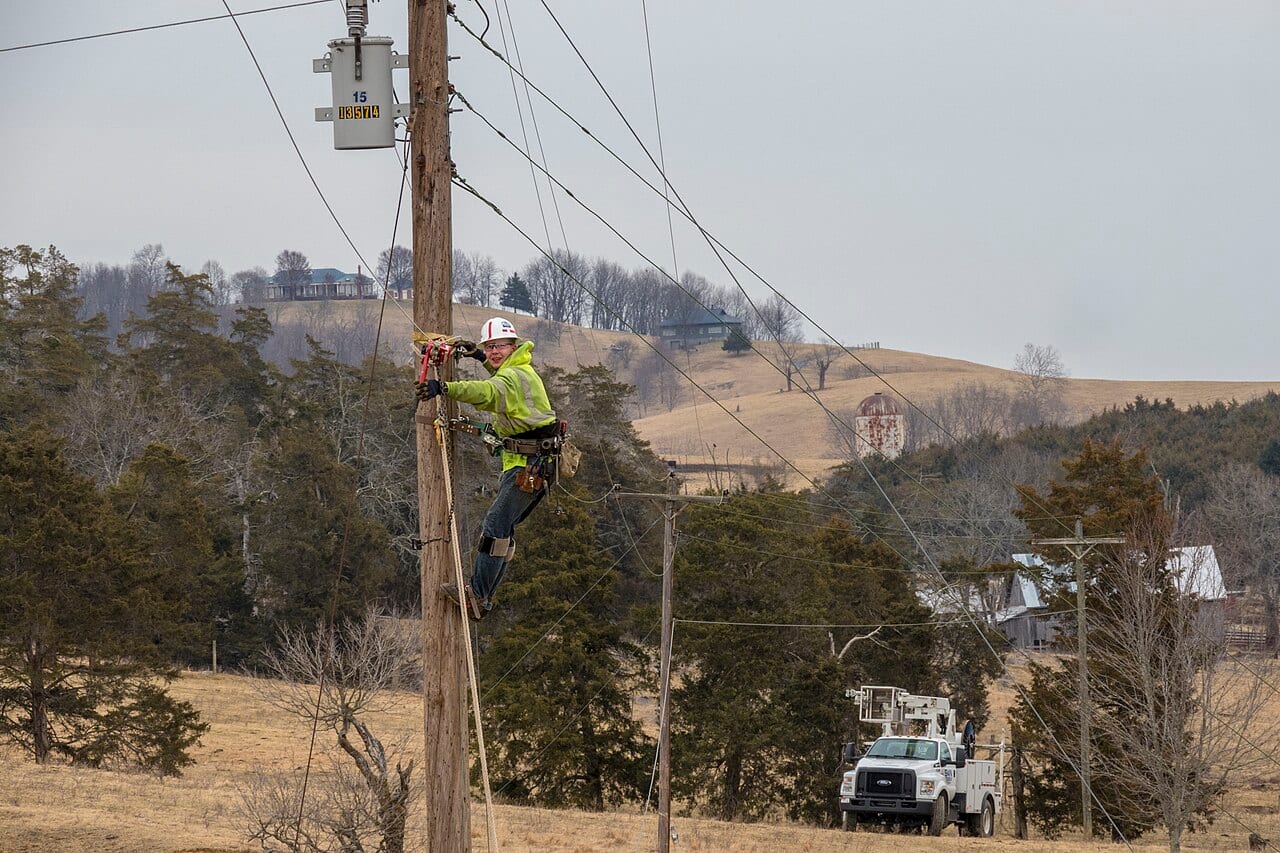
TrendForce tracks the chips and electronics supply chain. It said Oct. 19 that the world will fall 180 million fiber-kilometers short of 2026 demand1. AI data centers are the reason. Fiber built for the inside of those buildings now costs more than five times its 2025 price.
Backbone fiber that links data centers runs 2.8 times higher than 2025. Ordinary telecom fiber costs 3.7 times more too1. Factories making the glass are running at 92 percent capacity. Stock on hand has fallen to one month, down from four months two years ago.
TrendForce@trendforceAI data centers are fueling optical fiber demand, with a global supply shortfall of 180 million fiber-kilometers expected in 2026. As spot prices rise, how will chipmakers and telecom operators respond?💡More analysis from #TrendForce: https://t.co/hyQWVA79jn 🔗
Telecom companies call that shortage an AI boom. Verizon signed nearly $4 billion in AI Connect deals this month, including fiber contracts with Amazon and Google2. "Supporting both our fiber broadband expansion and the long-haul backbone that AI hyperscalers need," said Dan Schulman, Verizon's chief executive. That one deal with Corning covers more than 80 million miles of fiber through 2032.
Data center cabling fiber costs 5 times more than it did in 2025
TrendForce's 2026 average spot-price multiple against 2025, by fiber type
Each column is a price multiple against 2025: the magenta column is cabling fiber built for data centers, the tallest because AI demand hits it hardest.
Figures are TrendForce's full-year 2026 average, an estimate built from spot prices across the year.
Source: TrendForce [1]. Chart by Ryan Elliott Dennis.
The numbers behind this chart
| Item | Value | Note |
|---|---|---|
| Data center fiber (estimate) | 5x | TrendForce says this fiber runs more than 5 times 2025 levels |
| Mainstream fiber (estimate) | 3.7x | |
| Backbone fiber (estimate) | 2.8x |
That framing skips who waits. The federal government built BEAD, a $42.45 billion program, to wire 2.5 million rural homes and businesses that still lack broadband3. An AI data center can need up to 36 times the fiber of an older building6. The Fiber Broadband Association already counted 58,000 skilled workers missing from the rural buildout in 2024, before any of this started7.
Mike O'Day is Corning's senior vice president for optical communications. He signed a joint statement with three rivals in March. "The U.S. fiber and cable manufacturing industry has the capacity to support the Broadband Equity, Access, and Deployment (BEAD) Program, fully meeting Build America, Buy America (BABA) requirements, for its entire duration," they wrote3. The four firms said peak BEAD use would take under 5 percent of all U.S. fiber.
Ashley Travers chairs the Fiber Broadband Association's Supply Chain Working Group. She told Fierce Network in January that crews are just as scarce as glass. "We're already predicted short anyway, but those crews we could lose to competing hyperscaler projects or other states, and [then it'll be] very challenging to get them back," Travers said4. Her trade group also counted 500,000 miles of fiber BEAD needs and 92,000 new route miles data centers need over five years.
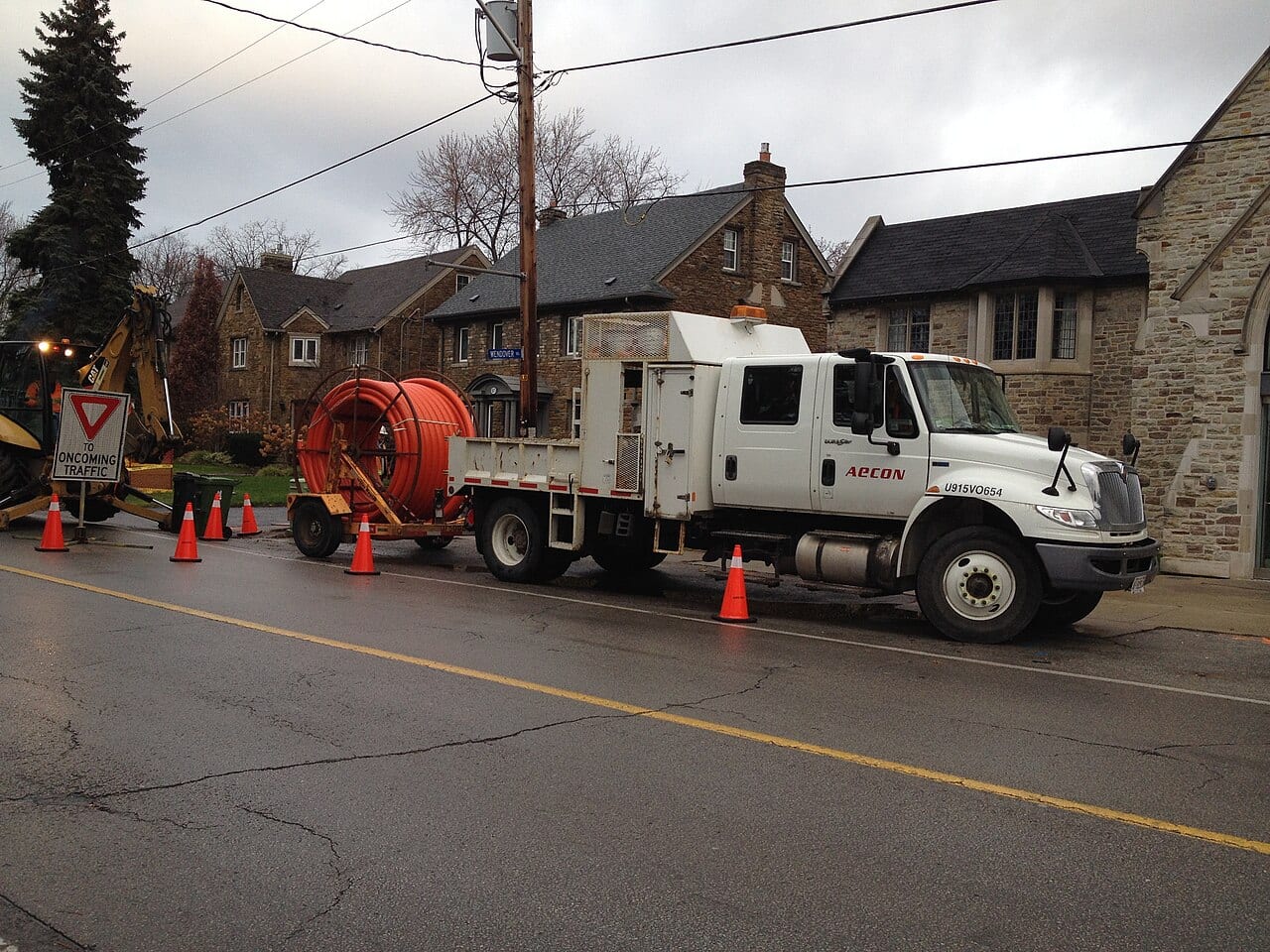
Kate Fegley-Lummus watches the same fight from Superior Essex, a cable maker. "The data center builds were able to essentially leapfrog the BEAD builds," she said4. AT&T and Meta are hiring and training thousands of fiber workers. A small, local broadband company rarely pays as much7.
Meta runs a four-week training program called LevelUp, free to anyone who wants to learn fiber splicing. Graduates move straight into Meta's own contractor network. Dina Powell McCormick, Meta's president and vice chairman, said the training answers a national need. "The future of the AI revolution depends on a highly skilled US workforce, one that rises to the challenge of building and maintaining the complex systems that power innovation," she said7.
Rebecca Denman builds these networks for Unitek Global. She told a fiber conference in May that roughly 90 percent of BEAD projects will miss construction this year. Those projects will slide into 20275.
One Contractor Puts 90 Percent of BEAD Builds Behind Schedule Into 2027
Share of BEAD-funded rural fiber projects still behind schedule, by one contractor's May 2026 estimate
This is one contractor's own estimate of nationwide readiness, separate from any federal count.
Source: Broadband Breakfast [5]. Chart by Ryan Elliott Dennis.
The numbers behind this chart
| Item | Value |
|---|---|
| Behind schedule into 2027 | 90 |
| Shovel-ready now | 10 |
| Whole | 100 |
Hyperscalers spent more than $700 billion building AI data centers this year, a sum still climbing toward $1 trillion in 20276. BEAD's whole budget is $42.45 billion, a sixteenth of that one-year number. Verizon alone plans $16 billion in capital spending this year, with its new AI fiber deals layered on top2.
Somebody pays for every mile of fiber that moves first. Rural households wait longer for the broadband Congress already funded. Verizon and Corning booked billions in new AI contracts on that same glass2. Small broadband firms absorb the wage jump, while AT&T and Meta set the price for every splicer in the market.
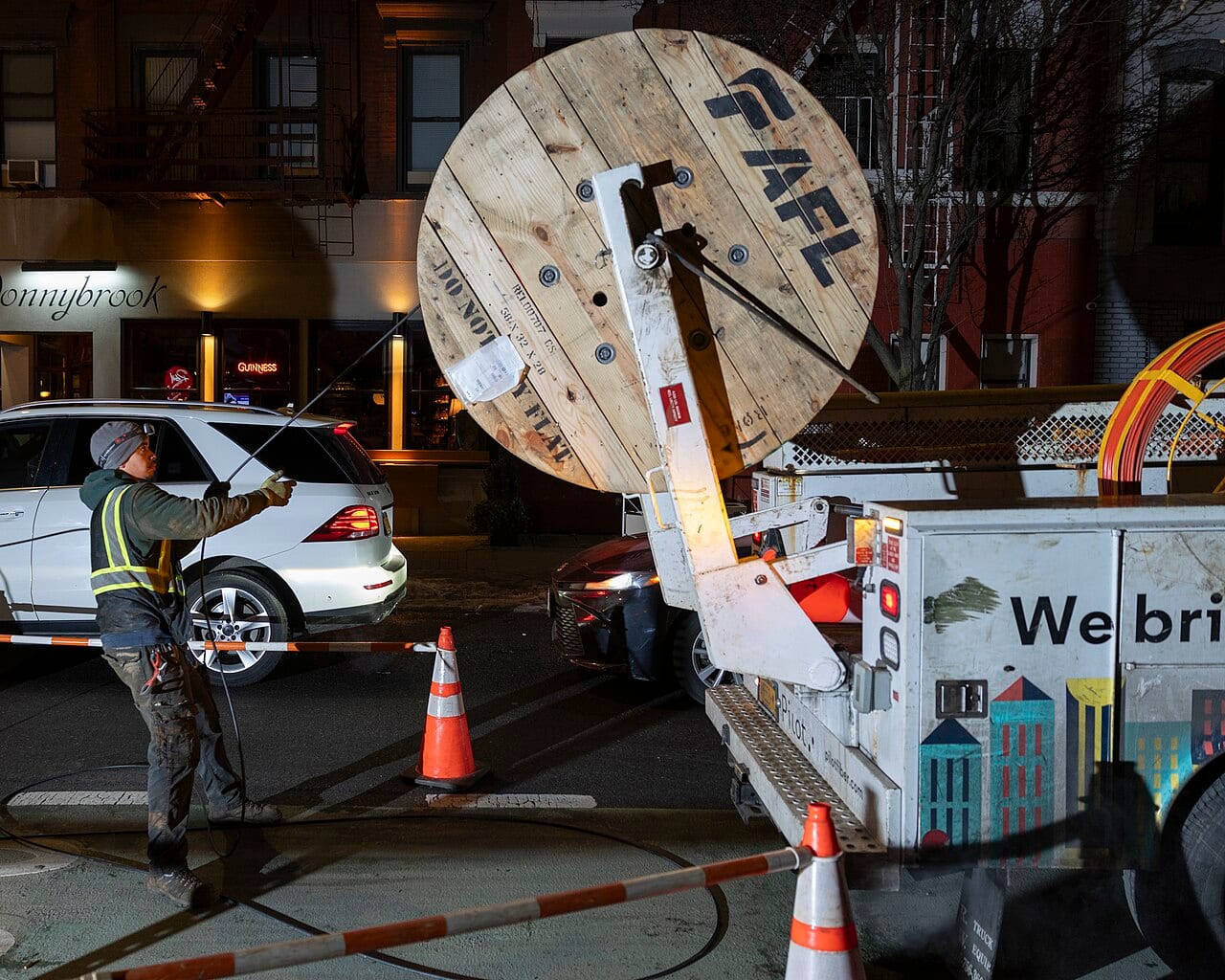
The fiber gets built either way. AI orders ship first because AI pays more, and rural broadband takes the rest. That is the plain read of a 180 million fiber-kilometer shortfall and a 58,000-worker gap. One contractor already says nine in ten BEAD projects slip into 2027.
Readers who want the next contract before it breaks can find it in The Signal. AI Lately's daily email tracks who moved, what shipped and what it cost, broadband included.
Sources
- TrendForce, "Optical Fiber Spot Prices Surge Severalfold in 2026, with Data Center-Driven Supply Shortages Expected to Persist Through 2028, Says TrendForce," TrendForce, Oct. 19, 2026, https://www.trendforce.com/presscenter/news/20261019-13275.html
- Sean Buckley, "Verizon Advances AI Presence With $4B in AI Connect Contracts," Lightwave, Nov. 3, 2026, https://www.lightwaveonline.com/home/news/55416396/verizon-advances-ai-presence-with-4b-in-ai-connect-contracts
- Jake Neenan, "Fiber Suppliers Say They Can Meet BEAD and AI Demand," Broadband Breakfast, March 19, 2026, https://broadbandbreakfast.com/fiber-suppliers-say-they-can-meet-bead-and-ai-demand/
- Masha Abarinova, "Here's How Big the Fiber Shortage Really Is," Fierce Network, Jan. 23, 2026, https://www.fierce-network.com/broadband/heres-how-big-fiber-shortage-really
- Broadband Breakfast, "Fiber Industry Faces Competing Pressures From Data Centers and Workforce," Broadband Breakfast, May 19, 2026, https://broadbandbreakfast.com/fiber-industry-faces-competing-pressures-from-data-centers-and-workforce/
- Jeff Johnston, "AI's Growing Pull on the Supply Chain Creates Challenges for Broadband Operators," CoBank Knowledge Exchange, July 8, 2026, https://www.cobank.com/knowledge-exchange/ais-growing-pull-on-the-supply-chain-creates-challenges-for-broadband-operators
- Diana Goovaerts, "Meta Is Training Up a New Fiber Workforce for Its Data Center Boom," Fierce Network, April 20, 2026, https://www.fierce-network.com/cloud/meta-training-new-fiber-workforce-its-data-center-boom