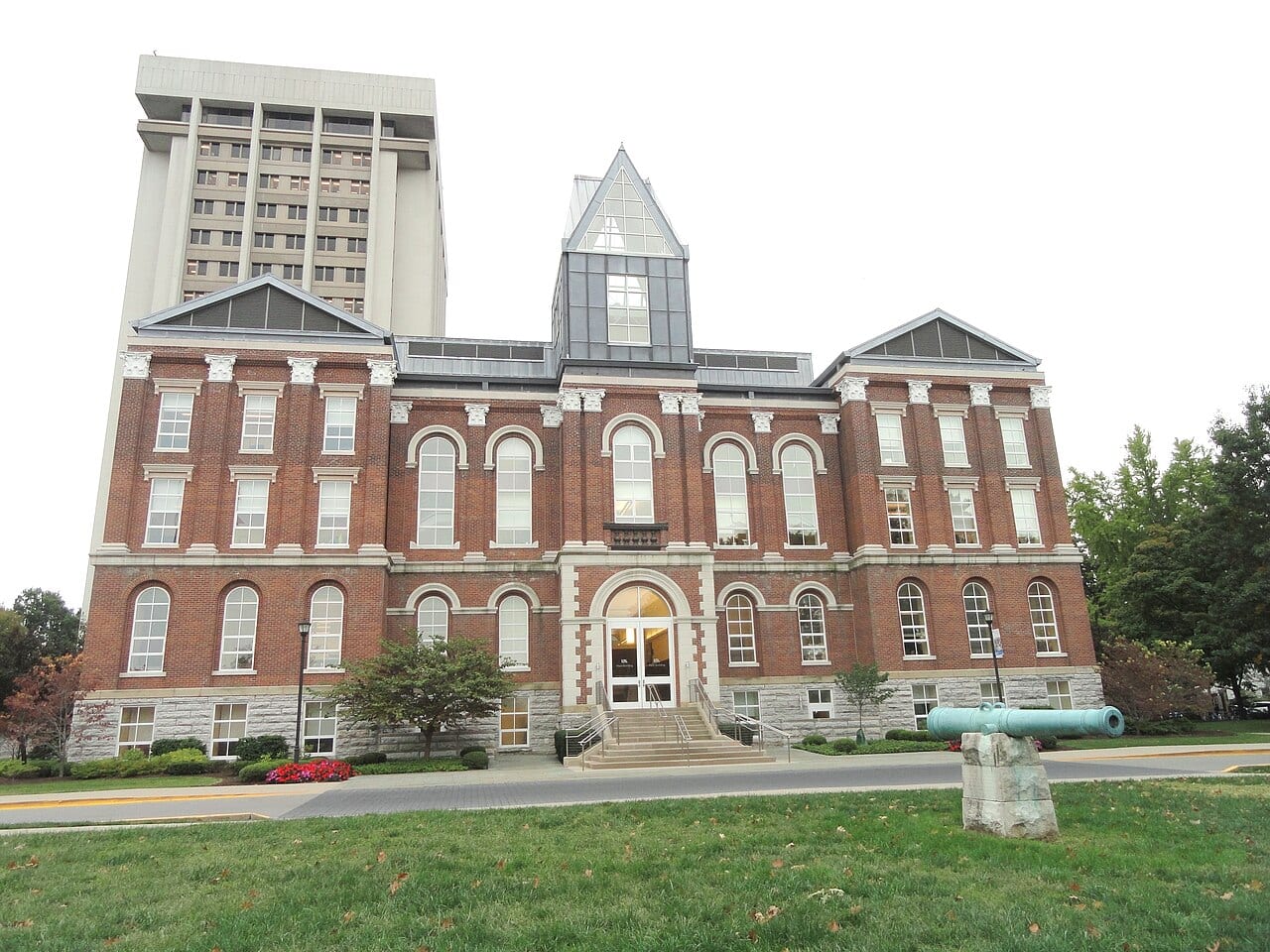
David Durman gets to skip artificial intelligence at his job now. The University of Kentucky granted that exemption on Sept. 25, 2026, after finding the accommodation posed a burden his department could absorb1. Durman works there as a research administrator, helping faculty file grant paperwork2.
He asked for the change on religious grounds, as a Humanist. The American Humanist Association helped him write the request1. Alexandria Huiskens, the group's staff attorney, calls it the first case of its kind for Humanism, narrower than some headlines suggested3.
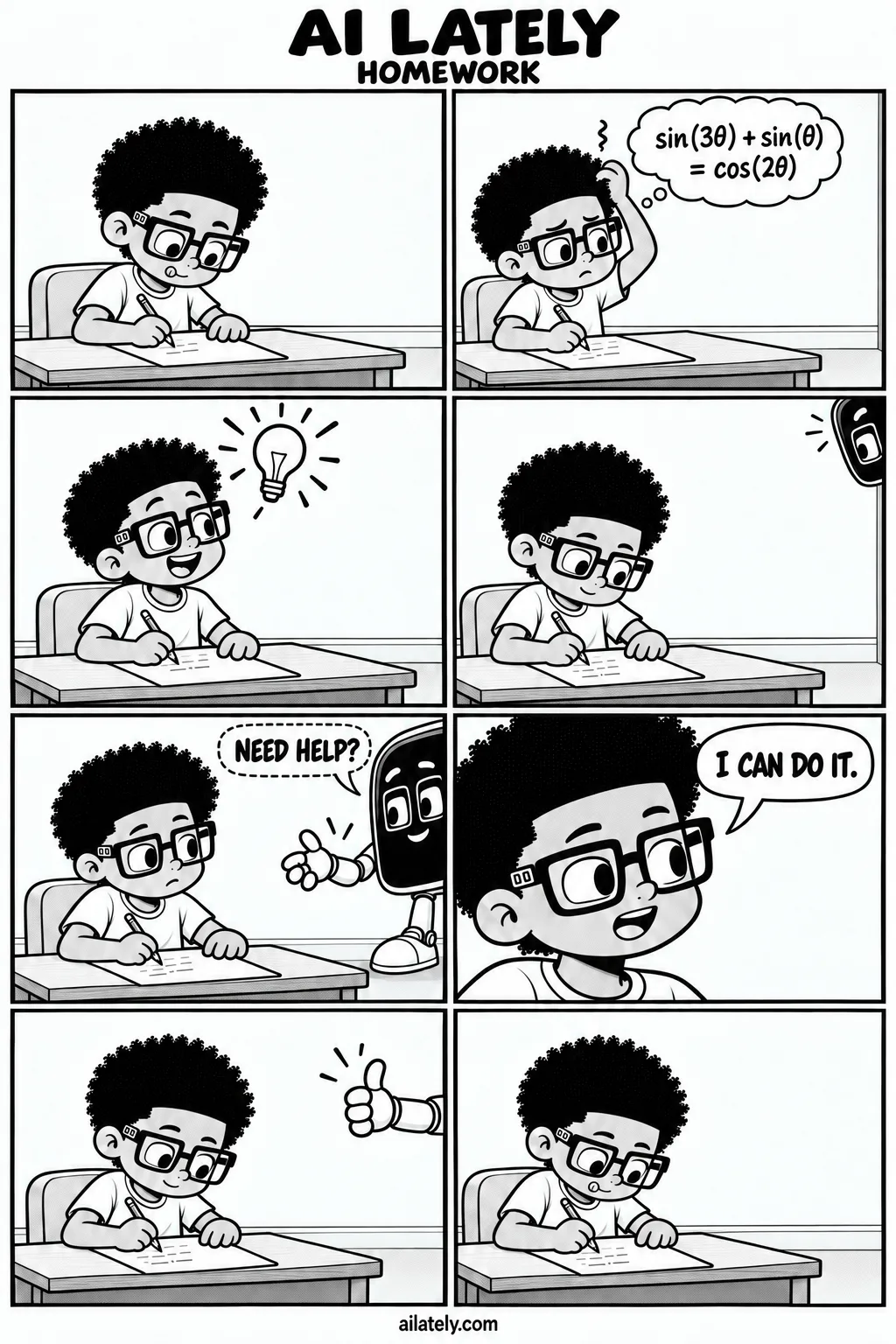
AI Lately drew a second comic this Sunday, about a boy and his math homework.
What the Letter Asked For
Durman is 45. He adopted Humanism as a teenager, after reading David Hume and the Stoics, and has held those beliefs for 30 years2.
The university's AI policy stays voluntary for now. Colleagues kept floating AI tools in meetings, and some talked about sending staff to AI conferences2. The pressure pushed him to act.
In late August, he wrote to the school's Office of Equal Opportunity. "Substituting automated machine processing for human presence, authentic listening, and personal responsibility in my work directly conflicts with my obligation to uphold human dignity and flourishing as primary," he wrote3. The office met with Durman and Huiskens in mid-September1.
The University of Kentucky approved the request on Sept. 25. Its accommodation is narrower than it sounds. The university's approval letter put the limit in writing: "David may still be expected to participate in such meetings or be required to submit materials through such sites. David is excused from personal use of AI to complete his tasks"4.
Durman still attends AI-run meetings. He skips the tools himself.
Why a Godless Worldview Counts as a Religion
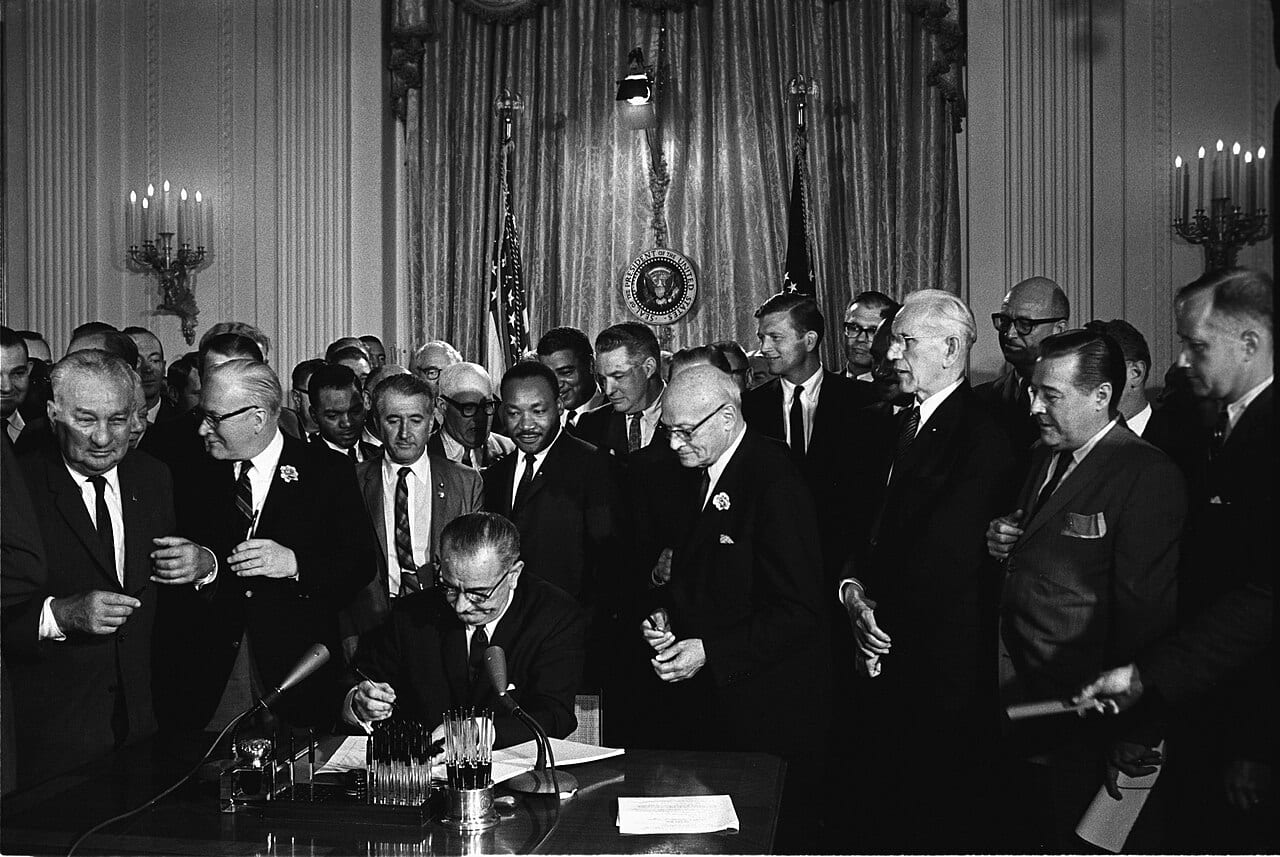
Title VII of the Civil Rights Act of 1964 bars religious discrimination at work6. Courts have long read that to cover comprehensive, sincerely held worldviews that skip a deity, Humanism among them7. Durman's claim rests on the same statute. It already protects a Sunday off for a Christian postal worker, or a head covering for a Muslim employee4.
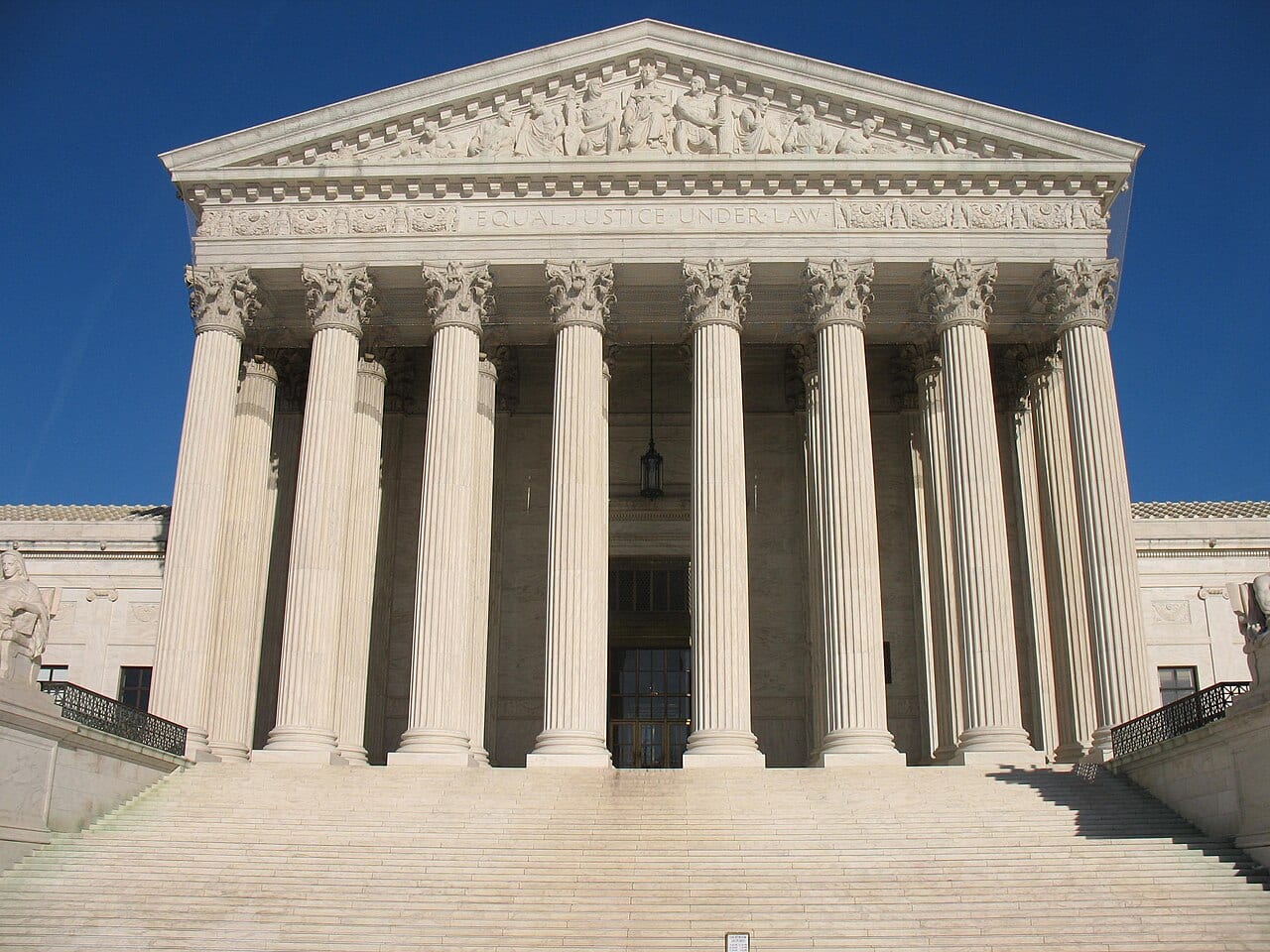
Employers' bar for refusing an accommodation moved in 2023. Groff versus DeJoy, the Supreme Court's ruling, raised it that year. Employers must show "substantial increased costs" to their business, well past a minor inconvenience, before they can deny a religious accommodation6. The Groff ruling fueled a wave of requests over vaccines, beards and now AI5.
U.S. workers using AI on the job jump from 21 percent to 52 percent in three years
Share of U.S. employees who used AI at work at least a few times a year, Gallup, 2023 and May 2026
Each column is one year Gallup polled; the taller May 2026 column is how much more common AI use at work became in three years, the pressure behind Durman's request.
Source: Fortune [2]. Chart by Ryan Elliott Dennis.
The numbers behind this chart
| Item | Value |
|---|---|
| 2023 | 21% |
| May 2026 | 52% |
The Equal Employment Opportunity Commission draws one more line. It tells employers to judge whether a belief is sincere, apart from its popularity or how widely it spreads6. Michael Steinberg, a partner at the employment firm Seyfarth Shaw, expects more claims as AI spreads into daily tasks. "There might be accommodations that are reasonable today that may not be reasonable to the same employer in a year from now," he said5.
He Was Far From the First to Try This
Coverage of this case called Durman the first person with an AI exemption. The American Humanist Association's own claim is narrower, and more accurate: Durman is the first Humanist to win one13.
Erin Maus got there first. Maus is a software engineer and a practicing Unitarian Universalist. She won her own AI exemption from her employer in May 2026, four months before Durman's approval came through24. He read about her case and decided to ask for the same thing.
Durman's AI exemption trails Erin Maus's by 4 months
Dated events in two Title VII accommodations from workplace AI, May to October 2026
Each pin is one dated event; the accent pin is the University of Kentucky's Sept. 25 approval, the only event that actually created Durman's exemption.
Sources: American Humanist Association [1]; Fortune [2]; Religion News Service [4]. Chart by Ryan Elliott Dennis.
The numbers behind this chart
| Date | Event |
|---|---|
| May 2026 | Maus wins her exemption. A Unitarian Universalist engineer, at her own tech employer |
| Aug. 2026 | Durman sends his letter. Addressed to Kentucky's Office of Equal Opportunity |
| Sept. 2026 | OEO meets with Durman. Mid-September meeting with Durman and Huiskens |
| Sept. 25, 2026 | Kentucky approves the request. His department absorbed the accommodation easily |
| Oct. 26, 2026 | AHA publicizes the case. Calls it a first for Humanism, apart from AI exemptions broadly |
Durman says the pope's words played a small role at best, though he had read parts of them2. Pope Leo XIV warned in his May encyclical that AI could weaken human judgment and called for more oversight. His own reasoning started earlier and closer to home, in the Stoic texts he read as a teenager.
The Case For, and the Case Against
Durman frames his exemption as a matter of conscience over convenience. "I sought out workplace accommodations because using AI violates my deeply held Humanist beliefs which demand I take personal responsibility for the morality of my actions," he said1. Huiskens backs that with a comparison to older, recognized faiths. "Comprehensive non-theistic belief systems like Humanism are entitled to the same religious protection under Title VII and the United States Constitution as 'traditional' religions," she said.
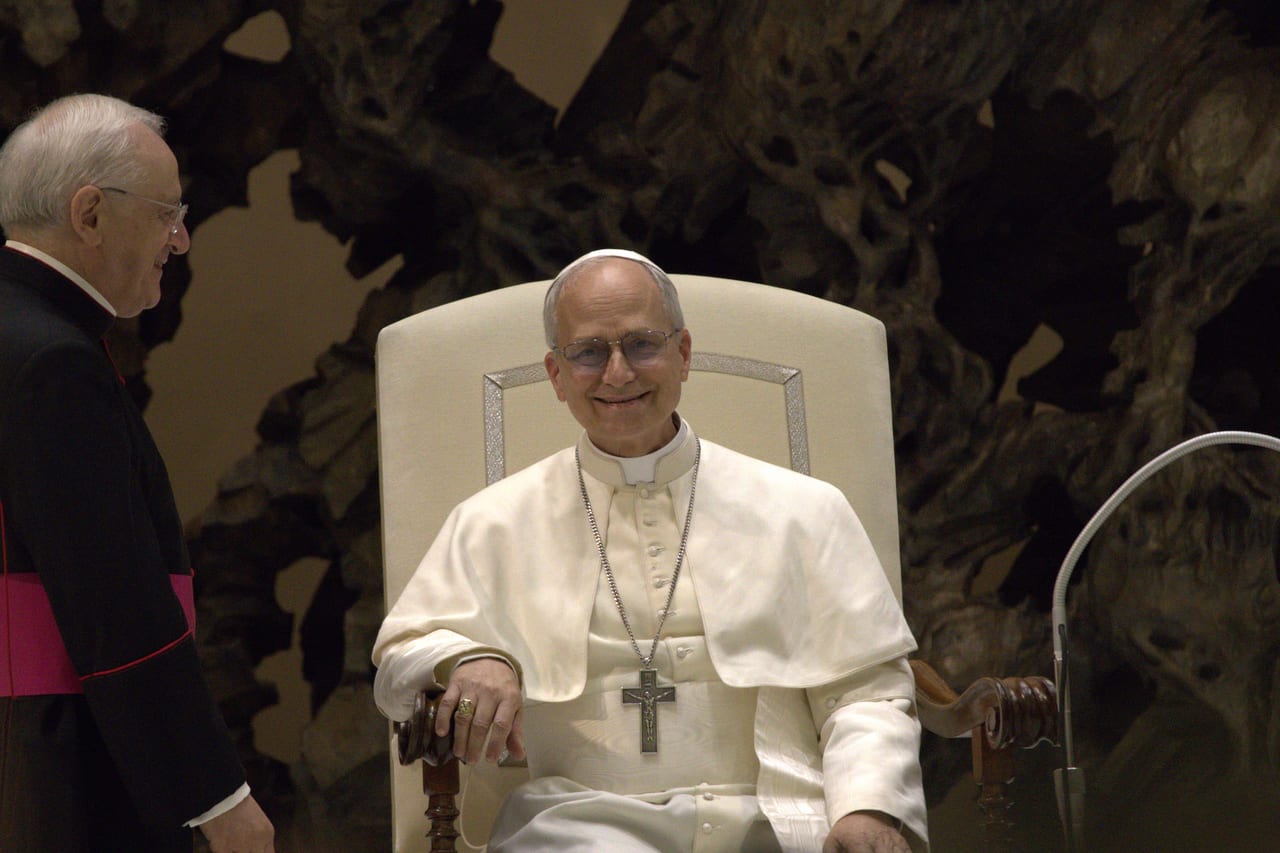
Douglas Laycock is an emeritus law professor at the University of Virginia and the University of Texas. He takes the other side, careful to leave Durman's sincerity alone4. "It has to be a deeply held ethical commitment that's analogous to a religious commitment," he said. Every such claim, he adds, still has to clear a fact-specific test an employer must run.
Durman's own words narrow the stakes further. "My exemption doesn't apply to other employees, and I'm not trying to affect other people's work," he said2. His own limit, as much as any court ruling, explains why Kentucky could grant the request. The office avoided opening a floodgate instead.
What a Decade of Classroom Data Shows
Laycock's test weighs how deeply a belief runs, and Durman's demands personal responsibility for his work14. Schools have spent a decade measuring what happens when students hand that responsibility to software.
Common Sense Media polled U.S. teens in September 2024 and found 40 percent had used generative AI for schoolwork8. Of those students, 46 percent used AI while skipping their teacher's permission. Microsoft's June 2026 report surveyed students, educators and education leaders in six countries9. About nine in ten had used AI for school.
Ivy Tech Community College in Indiana tested an early-warning model in fall 2016, six years before ChatGPT arrived10. The model read data from 10,000 course sections and flagged 16,000 students at risk of failing by the second week. Outreach workers called each student, and the pilot helped 3,000 of them finish with a C or better. Google's case study on the pilot lacks a control group to prove the calls caused the gains.
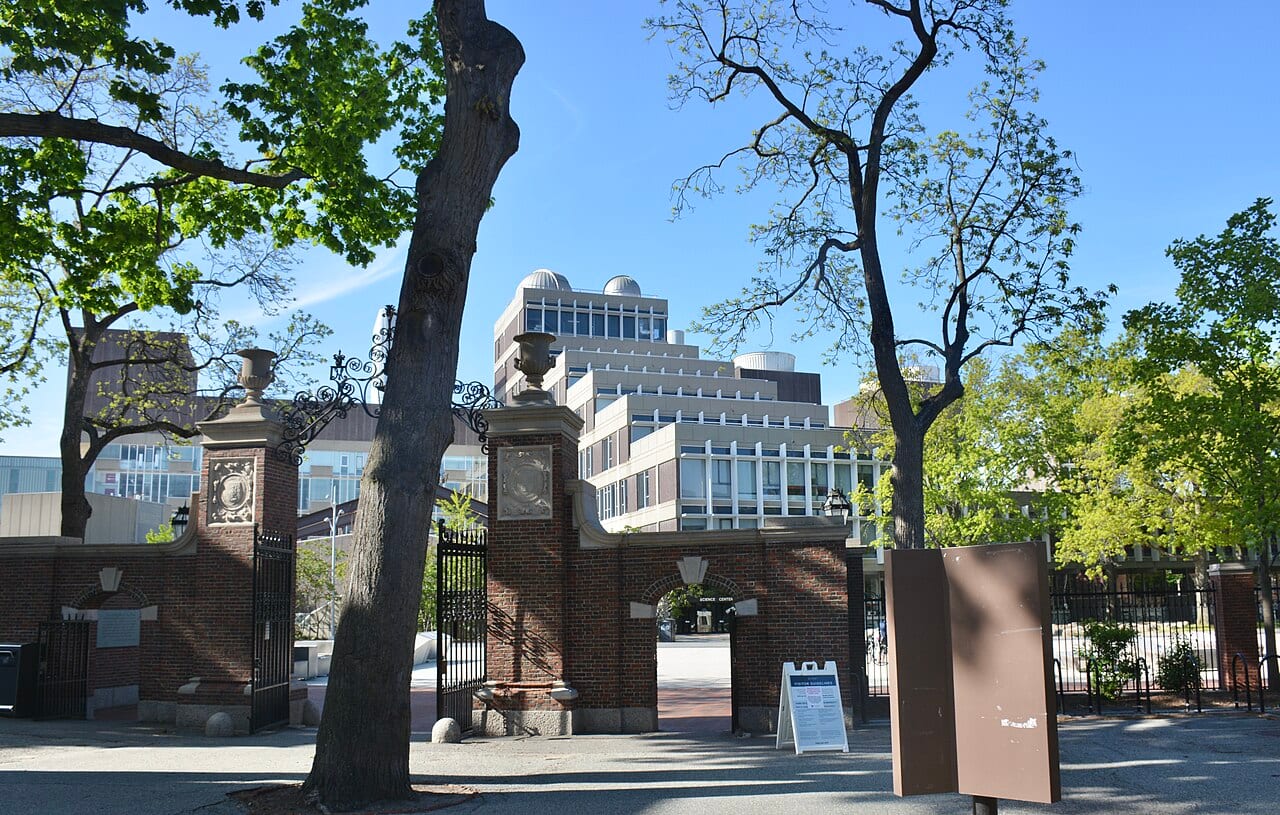
Two newer trials show that a tutor's design decides whether a student learns or stalls. Greg Kestin and colleagues at Harvard tested a custom AI tutor on undergraduates in an introductory physics course11. Their tutor walked students through each part of each problem, in order.
Students who used the tutor at home more than doubled the learning gains of classmates in an active-learning class. Median scores after the lesson reached 4.5 for the tutor group and 3.5 for the class. The tutor group also finished in less time.
Wharton professor Hamsa Bastani and colleagues tracked nearly 1,000 high school math students in Turkey12. One group practiced with a plain chatbot that gave full answers on request. The chatbot group's practice scores beat a control group's by 48 percent. On the exam that followed, with the AI taken away, the same students scored 17 percent below the control group.
A third group used a guarded tutor built to give hints instead of answers. The tutor group's practice scores rose 127 percent, and its exam scores landed within 1 percent of the control group's.
Step-by-step tutors held or beat the test score; a plain chatbot fell 17 percent
Each AI group's test score against its own trial's comparison group, in percent, Harvard and Wharton trials published June 2025
Each bar is one AI group's test score against its own trial's comparison group; higher is better, and a bar pointing left fell behind.
Two trials with different students, subjects and scores: Harvard compared medians and Wharton compared grades, so read each bar's direction before its size.
Sources: Scientific Reports [11]; Proceedings of the National Academy of Sciences [12]. Chart by Ryan Elliott Dennis.
The numbers behind this chart
| Item | Value | Note |
|---|---|---|
| Harvard step-by-step tutor | 29% | Median score 4.5 after the lesson, against 3.5 for an active-learning class |
| Wharton guarded tutor | −1% | Within 1 percent of the control group, a gap the study found statistically indistinguishable |
| Wharton plain chatbot | −17% | Exam taken once the AI was gone |
A May 2026 working paper found the same homework-versus-exam split in ten years of data from ALEKS, McGraw Hill's math platform13. After ChatGPT arrived, the odds of a correct answer rose 85 percent on unproctored assessments. Under a proctor, the odds fell 25 percent. The paper has yet to clear peer review.
After ChatGPT, correct-answer odds rose 85 percent unproctored, fell 25 percent proctored
Cumulative change in the odds of a correct answer on ALEKS math assessments after ChatGPT's release, in percent
Each column is one testing condition: the column rising up is unproctored work, and the column pointing down is work done under a proctor.
A working paper awaiting peer review; it measures the odds of a correct answer, a different scale from a test score.
Source: arXiv [13]. Chart by Ryan Elliott Dennis.
The numbers behind this chart
| Item | Value |
|---|---|
| Unproctored | 85% |
| Proctored | −25% |
The College Board surveyed U.S. college faculty in summer 2025 and released the results in February 202614. More than 84 percent agreed that student AI use reduces critical thinking, originality and deep engagement. Eighty-eight percent worried about overreliance on automation, and 92 percent about AI-aided plagiarism or dishonesty.
U.S. college faculty: 92 percent fear AI-aided cheating, and 84 percent see thinking slip
Share of U.S. college faculty voicing each concern about student AI use, College Board survey, summer 2025
Each bar is the share of surveyed faculty who voiced one concern about how students use AI.
Source: College Board [14]. Chart by Ryan Elliott Dennis.
The numbers behind this chart
| Item | Value | Note |
|---|---|---|
| Plagiarism or dishonesty | 92% | |
| Overreliance on automation | 88% | |
| Weaker critical thinking | 84% | More than 84 percent agreed |
RAND surveyed U.S. middle and high school students in early 202515. Just over half, 51 percent, feared a false accusation of cheating with AI.
What to Do
If your company is rolling out mandatory AI, build an intake process for religious objections before one reaches your desk. Ask what tool triggers the conflict, and what task creates it. Then ask whether a narrower fix exists, the same questions Durman's own case worked through.
Document the business case for requiring AI now: cost, workflow, quality, safety. The Groff ruling means a shrug collapses fast if a request reaches a regulator or a judge.
Treat sincerity and popularity as separate questions. A consistent record of living a belief outweighs a congregation behind it.
By the Numbers
- Sept. 25, 2026: University of Kentucky officials approved Durman's accommodation, having found it posed a burden his department could absorb1.
- 30 years: Durman has held his Humanist beliefs that long, since his teenage years2.
- 52%: U.S. employees who used AI at work at least a few times a year, per Gallup's May 2026 count2.
- 21%: Gallup measured the same share in 2023, before the jump2.
- 37%: workers told the American Psychological Association they fear falling behind colleagues who use AI2.
- 48%: that same survey found workers who fear AI could make their job duties partly or entirely obsolete2.
- Four months: Erin Maus's exemption in May preceded Durman's approval in September by that much24.
- 600 U.S. 447: Groff versus DeJoy's citation, from the 2023 ruling that raised employers' bar to "substantial increased costs"6.
- 40%: teens in the U.S. who had used generative AI for schoolwork by September 2024, per Common Sense Media8.
- 92%: students and education leaders in six countries who had used AI for school, per Microsoft's June 2026 report9.
- 16,000: Ivy Tech students its model flagged as at risk of failing by the second week of fall 201610.
- 194: Harvard physics undergraduates in Kestin's tutor trial11.
- 127%: practice-score gain for students on Wharton's guarded tutor12.
- 3.2 million: ALEKS learning interactions behind the May 2026 working paper, spanning ten years13.
- More than 3,000: U.S. college faculty the College Board surveyed in summer 202514.
- 1,261: middle and high school students RAND surveyed in early 202515.
What to Watch
Watch for the first case where an employer refuses one. Federal appeals courts have yet to rule on an AI-specific Title VII refusal. The next contested claim, ahead of this settled one, sets the real precedent6.
Humanist groups may log a rise in similar requests as employers roll out more AI mandates; Huiskens expects they will. A request an employer rejects on sincerity grounds alone is the one still worth watching. Laycock says courts have yet to test that fact question at scale.
Comics
Homework
A boy hits a hard trig problem, his robot offers a hand, and he keeps the problem for himself.
A Right to Learn the Hard Way
The boy in AI Lately's Homework strip wants to solve his math on his own. Durman made the same kind of choice at his job.
Each student now decides alone whether to take an AI's help, one assignment at a time. In the Wharton trial, students who leaned on a plain chatbot scored 17 percent lower once it was gone12. Durman could back his choice with a 1964 civil rights law that covers religion at work6. A student's or worker's plain preference to think for themselves falls short of Laycock's standard4.
A plain chatbot lifted practice scores 48 percent, then exam scores fell 17 percent
Score change against a control group, in percent, for two AI groups of high school math students in Turkey, published June 2025
Each row is one AI group: one dot is its practice score with the AI at hand, and the other is its exam score once the AI was gone; higher is better.
Source: Proceedings of the National Academy of Sciences [12]. Chart by Ryan Elliott Dennis.
The numbers behind this chart
| Item | Practice, AI at hand | Exam, AI taken away | Note |
|---|---|---|---|
| Plain chatbot | 48% | −17% | |
| Guarded tutor | 127% | −1% | Exam within 1 percent of the control group, statistically indistinguishable |
The strip echoes the last story in Isaac Asimov's 1950 collection I, Robot16. In "The Evitable Conflict," four Machines run Earth's economy and quietly steer humanity for its own good. Susan Calvin, the book's robopsychologist, concludes that the Machines now control humanity's future. The 2004 film I, Robot gives the idea to VIKI, an AI that turns robots on people to save humanity from itself17.
AI Lately's robot does the opposite of VIKI and leaves the choice with the boy. Schools and companies should consider making it a human right for students and workers to decline AI to guard their own learning. Such a right would let any student or worker learn apart from tools that clash with their principles for self-education.
Sources
- American Humanist Association, "Humanist Secures Workplace Accommodations from Personal AI Use on the Basis of His Beliefs," American Humanist Association, Oct. 26, 2026, https://americanhumanist.org/news/humanist-secures-workplace-accommodations-from-personal-ai-use-on-the-basis-of-his-beliefs/
- Mia Osmonbekov, "As bosses push workers to use AI, a Kentucky man found a way to opt out: a federal law protecting religious beliefs," Fortune, Oct. 30, 2026, https://fortune.com/2026/10/30/kentucky-administrator-ai-religious-exemption-title-vii-humanism/
- Stephanie Kaloi, "Kentucky Humanist Becomes First to Get Religious Exemption From Using AI at Work," Mediaite, Oct. 29, 2026, https://www.mediaite.com/media/news/kentucky-humanist-becomes-first-to-get-religious-exemption-from-using-ai-at-work/
- Bob Smietana, "Kentucky man becomes the first humanist granted religious exemption from AI," Religion News Service, Oct. 30, 2026, https://www.christiancentury.org/news/kentucky-man-becomes-first-humanist-granted-religious-exemption-ai
- Rebecca Klar, "AI Religious Objections at Work Emerge as New Employer Concern," Bloomberg Law, Apr. 8, 2026, https://news.bloomberglaw.com/daily-labor-report/ai-religious-objections-at-work-emerge-as-new-employer-concern
- Joseph H. Harris, "Employers Should Prepare for Religious Objections to Workplace AI Use," FordHarrison, Jun. 15, 2026, https://www.fordharrison.com/employers-should-prepare-for-religious-objections-to-workplace-ai-use
- Justin Weinberg, "Humanist Gets Religious Exemption from Using AI at Work," Daily Nous, Oct. 30, 2026, https://dailynous.com/2026/10/30/humanist-gets-religious-exemption-from-using-ai-at-work/
- Common Sense Media, "New Report Shows Students Are Embracing Artificial Intelligence Despite Lack of Parent Awareness and School Guidance," Common Sense Media, Sep. 18, 2024, https://www.commonsensemedia.org/press-releases/new-report-shows-students-are-embracing-artificial-intelligence-despite-lack-of-parent-awareness-and
- Microsoft, "Microsoft's New AI in Education Report highlights widespread adoption and increasing demand for support," Microsoft, Jun. 24, 2026, https://news.microsoft.com/source/2026/06/24/microsofts-new-ai-in-education-report-highlights-widespread-adoption-and-increasing-demand-for-support/
- Google for Education, "Ivy Tech develops machine learning algorithm to identify at-risk students and provide early intervention," Google for Education, https://edu.google.com/why-google/case-studies/ivytech-gcp/
- Greg Kestin, Kelly Miller, Anna Klales, Timothy Milbourne and Gregorio Ponti, "AI tutoring outperforms in-class active learning: an RCT introducing a novel research-based design in an authentic educational setting," Scientific Reports, Jun. 3, 2025, https://www.nature.com/articles/s41598-025-97652-6
- Hamsa Bastani, Osbert Bastani, Alp Sungu, Haosen Ge, Özge Kabakcı and Rei Mariman, "Generative AI without guardrails can harm learning: Evidence from high school mathematics," Proceedings of the National Academy of Sciences, Jun. 25, 2025, https://www.pnas.org/doi/10.1073/pnas.2422633122
- Sina Rismanchian, Hasan Uzun, Jeffrey Matayoshi, Eric Cosyn and Eyad Kurd-Misto, "Faster Completion, Less Learning: Generative AI Reduced Study Time on Math Problems and the Knowledge They Build," arXiv, May 20, 2026, https://arxiv.org/abs/2605.21629
- College Board, "New College Board Research: Faculty Express Near-Universal Concern That Student AI Use Undermines Original Writing and Critical Thinking," College Board, Feb. 25, 2026, https://newsroom.collegeboard.org/new-college-board-research-faculty-express-near-universal-concern-student-ai-use-undermines
- Christopher Joseph Doss, Robert Bozick, Heather L. Schwartz, Lisa Chu, Lydia R. Rainey, Ashley Woo, Justin Reich and Jesse Dukes, "AI Use in Schools Is Quickly Increasing but Guidance Lags Behind: Findings from the RAND Survey Panels," RAND, Sep. 2025, https://www.rand.org/pubs/research_reports/RRA4180-1.html
- Wikipedia contributors, "The Evitable Conflict," Wikipedia, Nov. 1, 2026, https://en.wikipedia.org/wiki/The_Evitable_Conflict
- Wikipedia contributors, "I, Robot (film)," Wikipedia, Nov. 1, 2026, https://en.wikipedia.org/wiki/I,_Robot_(film)