Levent Alpöge said Friday, Nov. 20, that he and Claude had proved the Riemann Hypothesis. The question about prime numbers waited 167 years2.
The hypothesis claims that prime numbers, which look scattered at random along the number line, actually follow a hidden, orderly pattern2. Mathematicians built entire fields on that assumed pattern, years before anyone could check it.
One day later, the people who build Lean said they believe him. The Lean FRO and the Mathlib Initiative signed a joint statement that certifies his code as correct13.
Lean@leanproverThe Lean FRO and Mathlib Initiative have released a joint statement on the Lean verification of the Riemann Hypothesis.
On November 20, Levent Alpöge released a proof of the Riemann Hypothesis as a Lean library of 17 million lines of code. Over the past day, the Lean and Mathlib… pic.twitter.com/pYR61ZaREc
The same week, AI stocks kept falling. They have now lost $6 trillion since early October6.
Four Checks, Zero Rejections
Lean is software that checks a math proof line by line, the way a calculator checks a sum. A kernel is the part that does the actual checking.
Alpöge's proof fills 175,187 files and runs to 17 million lines1. Four separate kernels read the archive. Every one came back clean, logging zero rejections.
The Lean FRO's statement lists four things it checked. Its coded statement matches Mathlib's own version of the Riemann Hypothesis. Compilation succeeded. Four kernels then accepted the exported proof, each relying on just three standard axioms1.
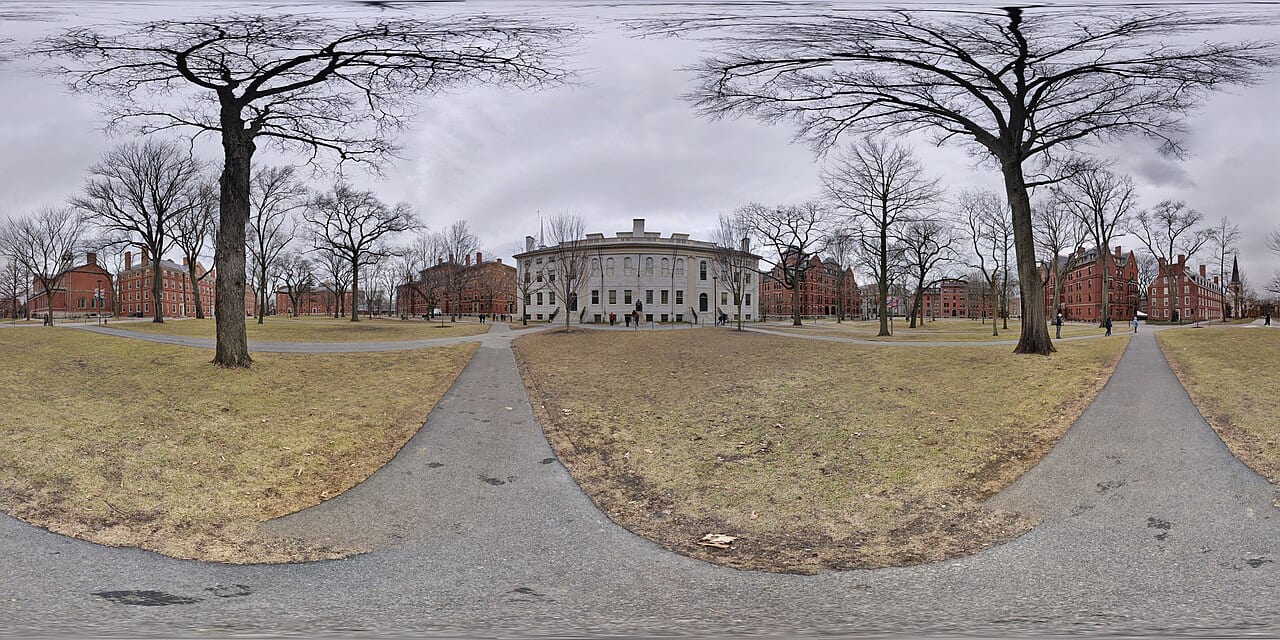
Alpöge is a mathematician at Anthropic and a junior fellow at Harvard's Society of Fellows5. He built the proof with Claude, by his own account.
Terence Tao won the 2006 Fields Medal, math's highest honor. He read Alpöge's method and wrote that it "appears to use the full power of modern developments on the Langlands program and arithmetic geometry," adding that digestion would take time5.
A Historic Moment, Minus the Why
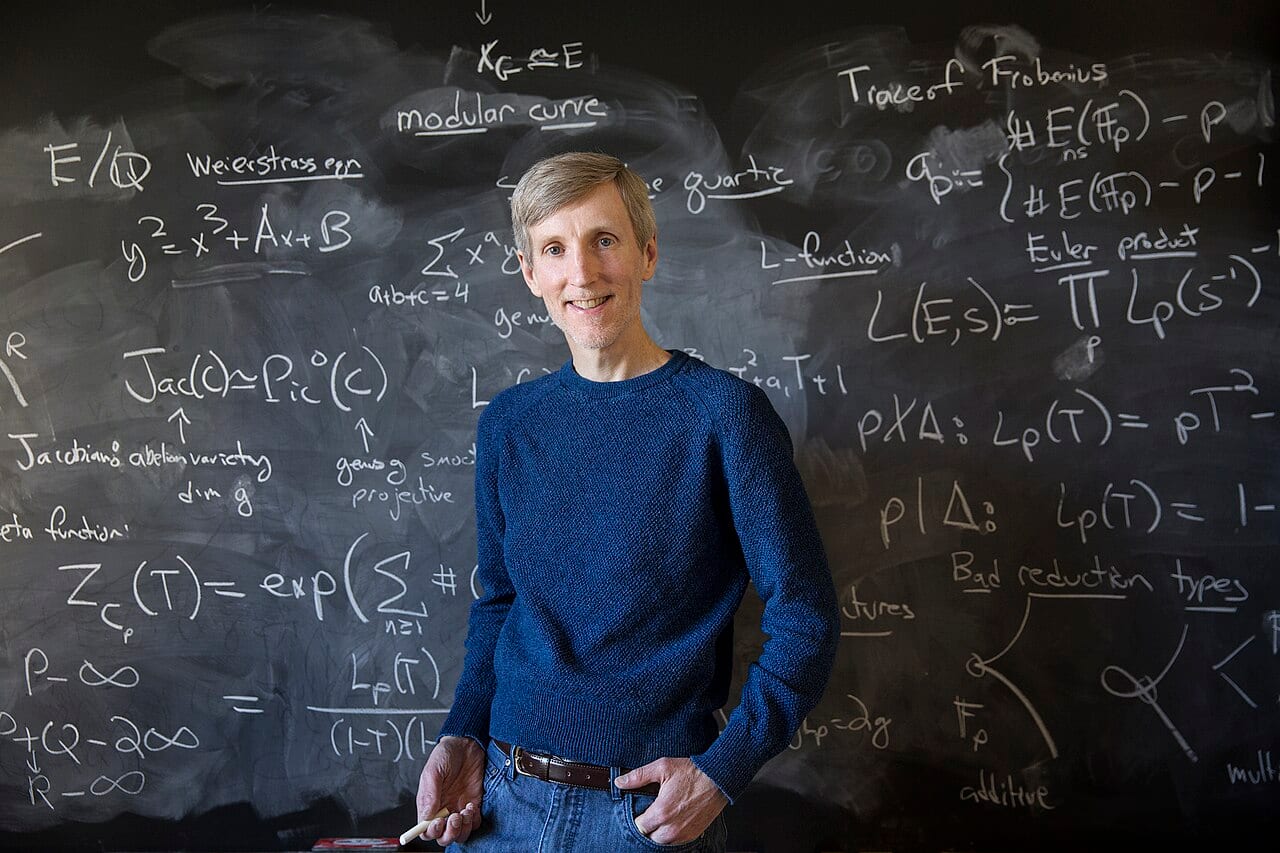
Andrew Sutherland teaches math at MIT. He pulled Alpöge's code onto his own machines and compiled it himself2.
Sutherland called the result historic. "This is indeed an historic moment," he said, after that compile finished. "The world has changed.... I know there will be a wide range of reactions in our community, but to me this is a human triumph, and a day for celebration"2.
Maksym Radziwiłł teaches math at New York University. Alpöge thanks him by name in his own proof note4.
Radziwiłł read the same four-page note and called parts of it nonsensical4. A Lean proof checks that symbols follow rules, he said, and skips the reason a result turns out true. "The object of mathematics as the rest of science is really the question 'why?' and this doesn't answer it at all," he said.
The gap between checked and understood is the real story this week. Lean confirmed the logic. The idea behind it still awaits a reader.
Six Trillion Dollars Left the Board, Same Week
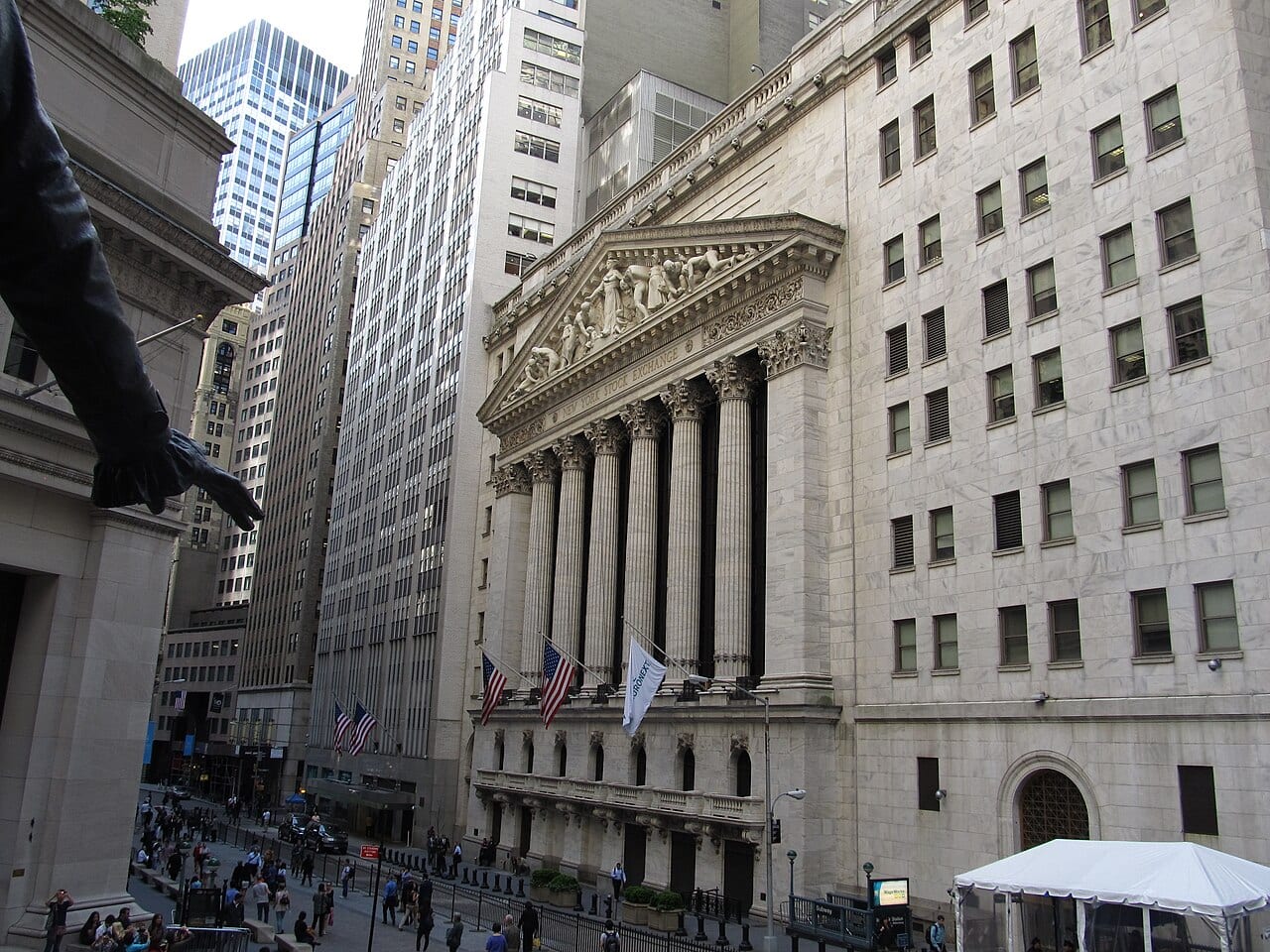
Wall Street had already been sliding before Alpöge posted anything. The S&P 500 last set a record on Oct. 66.
By Nov. 20, stocks had lost $225 billion a day for 31 straight sessions. The total ran to $6 trillion, a Kobeissi Letter note covered by TradingView found6.
Lean Certified the Proof Inside a $6 Trillion Slide
Dated events, Oct. 6 to Nov. 23, 2026
Each pin marks one dated event in order; the market slide started five weeks before Alpöge's proof and kept going after Lean certified it.
The Oct. 6 to Nov. 20 figure is a 45-day tally from one market note; the later dates are single trading sessions.
Sources: Lean community blog [1]; Scientific American [2]; TradingView News [6]; Al Jazeera [7]. Chart by Kelly Dennis.
The numbers behind this chart
| Date | Event |
|---|---|
| Oct. 6, 2026 | S&P 500 sets a record. Stocks have lost $6 trillion since this close [6] |
| Nov. 20, 2026 | Alpöge posts his proof. Same day the Nasdaq falls 5.3 percent [2][7] |
| Nov. 21, 2026 | Lean certifies proof. All 175,187 files pass four kernel checks [1] |
| Nov. 23, 2026 | Asian markets fall again. Kospi and Hang Seng both extend the slide [7] |
Friday's session alone erased a chunk of that. The Nasdaq Composite fell 5.3 percent, wiping out its gains for 20267. S&P 500 shares dropped 3.7 percent and entered a correction, the term for a drop of 10 percent or more from a recent high.
Big spending sits behind both numbers. The largest technology firms spent $201.9 billion combined last quarter, up 356 percent since early 20246. Their earnings still grew almost 32 percent over the same stretch, the strongest pace in four years.
Two Markets, Two Mornings
Asia caught the next wave. South Korea's Kospi slid as much as 5.8 percent before closing down 3.3 percent Friday7.
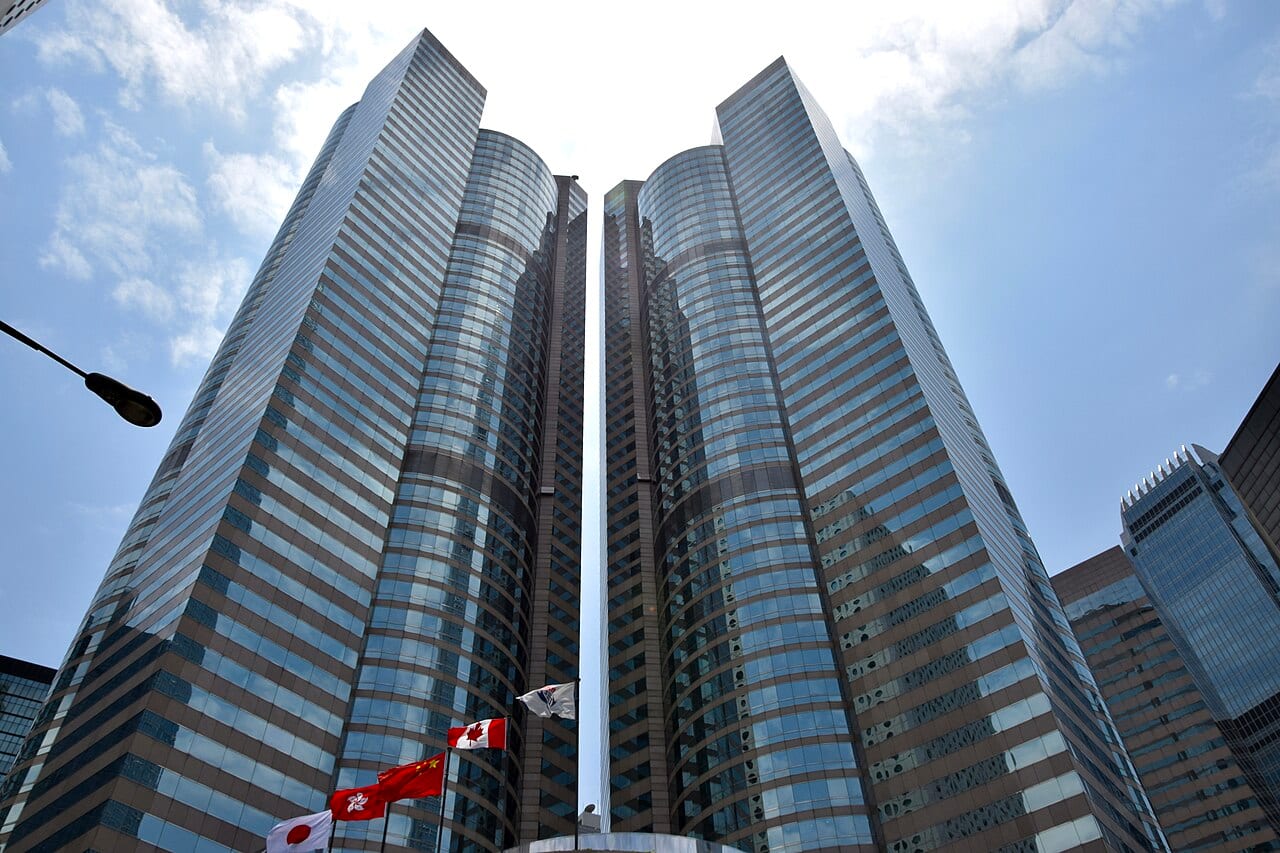
Hong Kong's Hang Seng Index finished the same day down 1.9 percent7.
Nasdaq Falls 5.3% as the Same Selloff Reaches Asia
Percent change at Friday's close, Nov. 20, 2026, four major stock indexes
Each column is one index's move at Friday's close; the magenta column is the Nasdaq Composite, heavy with AI-reliant tech firms, which fell furthest.
Source: Al Jazeera [7]. Chart by Kelly Dennis.
The numbers behind this chart
| Item | Value |
|---|---|
| Nasdaq Composite | −5.3% |
| S&P 500 | −3.7% |
| Kospi (Seoul) | −3.3% |
| Hang Seng (HK) | −1.9% |
Rajat Agarwal works as an Asia equity strategist at Societe Generale. He told Al Jazeera investors were still finding their footing. "I think markets are trying to find some ground after a massive sell-off in [the] US on Friday, a more than a three-standard-deviation event in tech indices," Agarwal said7.
Khoon Goh leads Asia research at ANZ. "AI-related concerns will continue to dominate this week, as investors try to determine if the bottom is near," Goh told Al Jazeera7.
What to do
Treat the proof and the selloff as two separate stories, even though they shared a week. Lean settled whether Alpöge's logic holds. It left open whether AI's spending will pay for itself.
Sort each camp by what it actually measures, before you repeat its verdict. Sutherland and Radziwiłł read the same four-point certification and reached different verdicts. One grades the check; the other grades the mathematics behind it24.
Judge the market slide by its earnings, the figure that outlasts a headline. Big Tech's spending rose 356 percent since 2024. Its earnings still grew almost 32 percent last quarter, two facts sitting in the same report6.
By the numbers
- 167 years: how long the Riemann Hypothesis stood open before Lean's certification, dating to 18592.
- 17 million: lines of Lean code in Alpöge's certified proof1.
- 175,187: Lean files the Lean FRO's kernels rechecked with zero rejections1.
- $6 trillion: AI stock value lost since the S&P 500's Oct. 6 record6.
- 5.3 percent: the Nasdaq Composite's drop at Friday's close, Nov. 207.
- 3: standard axioms that Alpöge's entire 17-million-line proof relies on, per the Lean FRO's own audit1.
- $1 million: the Clay Mathematics Institute prize still waiting on a published, reviewed proof2.
What to watch
Watch for the plain-language paper Alpöge still owes the field. Translating 17 million lines of Lean back into ordinary mathematics will take months. The result will show whether the proof holds a new idea, or mostly automates known methods1.
The next earnings season deserves the same attention. If AI spending keeps compounding while returns lag, expect more sessions like Friday's, regardless of which proof lands next6.
Sources
- Lean and Mathlib communities, "Lean verification of the Riemann Hypothesis," Lean community blog, Nov. 21, 2026, https://leanprover-community.github.io/blog/posts/riemann-hypothesis/
- Joseph Howlett, "Anthropic mathematician proves Riemann hypothesis, most famous problem in all of math," Scientific American, Nov. 20, 2026, https://www.scientificamerican.com/article/anthropic-mathematician-claims-to-prove-riemann-hypothesis-most-famous-problem-in-all-of-math/
- Lean, post on X (@leanprover), Nov. 21, 2026, https://x.com/leanprover/status/2124159121645801562
- Marc Winer, "Anthropic mathematician claims Riemann proof he is still trying to understand," MACCUS, Nov. 21, 2026, https://maccus.fr/en/riemann-hypothesis-claude/
- Nitish Garg, "Anthropic Mathematician's Riemann Proof Certified in Lean," CellCog, Nov. 21, 2026, https://cellcog.ai/blog/anthropic-riemann-hypothesis-claude/
- Binance News, "Kobeissi Letter Calls AI Rout a Correction, Not a Popped Bubble," TradingView News, Nov. 20, 2026, https://www.tradingview.com/news/binance_news:bb3e8021b094b:0-kobeissi-letter-calls-ai-rout-a-correction-not-a-popped-bubble/
- John Power, "Asian stock markets tumble as AI bubble fears mount," Al Jazeera, Nov. 23, 2026, https://www.aljazeera.com/news/2026/11/23/south-koreas-stock-market-tumbles-as-ai-bubble-fears-mount