Meta says it trained its newest model inside a power plant. The model is called Muse Wonder, and it comes from a data center called Prometheus. Prometheus sits in New Albany, Ohio1.
The company shipped Muse Wonder on Oct. 12, 2026. Meta calls Prometheus "gigawatt-scale"1. A week later, Meta published the engineering numbers behind it for the first time2.
What a Gigawatt Actually Buys
Goodput measures how much of a training run produces real work. The rest is time lost to a stalled chip2. Meta says Prometheus held more than 85 percent goodput while pretraining Muse Wonder. It held more than 90 percent while sharpening the model with reinforcement learning.
Scale creates its own kind of risk. Across a cluster with hundreds of thousands of GPUs, one slow chip can stall the entire run5. Meta's own account on X said it plainly. "Across a supercluster with hundreds of thousands of GPUs, even one underperforming host can slow an entire training run," the company posted.
AI at Meta@AIatMetaWe trained our Muse foundational models, including Muse Wonder, at Prometheus, our gigawatt-scale supercluster in New Albany, Ohio.
Across a supercluster with hundreds of thousands of GPUs, even one underperforming host can slow an entire training run. We engineered Prometheus… pic.twitter.com/XXCih5wrfv
Meta tracks the fix in GPU hours between interruptions. During Muse Wonder's training run, that number reached roughly 47,000 hours. Firmware fixes since then pushed it past 54,0002. Interruptions now strike 99 percent less often than they did in mid-2025.
Two years ago, the site ran ordinary web traffic2. Meta rebuilt it instead for frontier training, running Nvidia's GB200 and GB300 chips today, with a newer Vera Rubin platform due next.
Four Clusters Already Outrun It
Prometheus trails four rivals in power today. Epoch AI, a research group that tracks AI infrastructure worldwide, put Prometheus's draw at 471 megawatts in its Nov. 6, 2026 count10.
Prometheus runs at 0.47 gigawatts, under half the leading U.S. cluster
Current IT power at the five largest AI data centers Epoch AI tracks, gigawatts, Nov. 6, 2026
Each column is one company's largest cluster and its current power draw; Meta's Prometheus, which trained Muse Wonder, sits lowest of the five.
Epoch AI updated this ranking Nov. 6, 2026. Its own Prometheus figure is dated Oct. 2, 2026, so Meta's real draw has likely grown since.
Source: Epoch AI [10]. Chart by Kelly Dennis.
The numbers behind this chart
| Item | Value |
|---|---|
| New Carlisle | 1.04 GW |
| Colossus 2 | 0.95 GW |
| Stargate Abilene | 0.82 GW |
| Fairwater Atlanta | 0.64 GW |
| Prometheus | 0.47 GW |
Amazon's New Carlisle, Indiana, site, which trains Anthropic's models, led the pack at 1,037 megawatts10. xAI's Colossus 2 followed at 946 megawatts, then OpenAI's Stargate Abilene at 824 and Microsoft's Fairwater Atlanta campus at 636. Meta is still building. The company expects Prometheus to reach 1,022 megawatts by the third quarter of 2028, more than double where it stands now.
Prometheus took 15 months from Zuckerberg's pledge to a shipped model
Dated milestones for Meta's Prometheus supercluster, from Meta's own statements
Each pin marks one date Meta or its CEO confirmed. The gap between the 2025 pledge and the 2026 launch is the longest stretch on the rail.
Sources: Meta [1]; Meta [2]; CNBC [6]. Chart by Kelly Dennis.
The numbers behind this chart
| Date | Event |
|---|---|
| Oct. 2024 | Site leaves web traffic. Approximate, from Meta's own "two years ago" |
| July 14, 2025 | Zuckerberg announces it |
| Oct. 12, 2026 | Muse Wonder ships |
| Oct. 19, 2026 | Meta posts the numbers |
Zuckerberg framed the spending itself as the win when he announced Prometheus in July 2025. "Meta Superintelligence Labs will have industry-leading levels of compute and by far the greatest compute per researcher," he wrote6. His bet holds that whoever buys the most compute per researcher builds the stronger model.
New Albany Pays Its Share
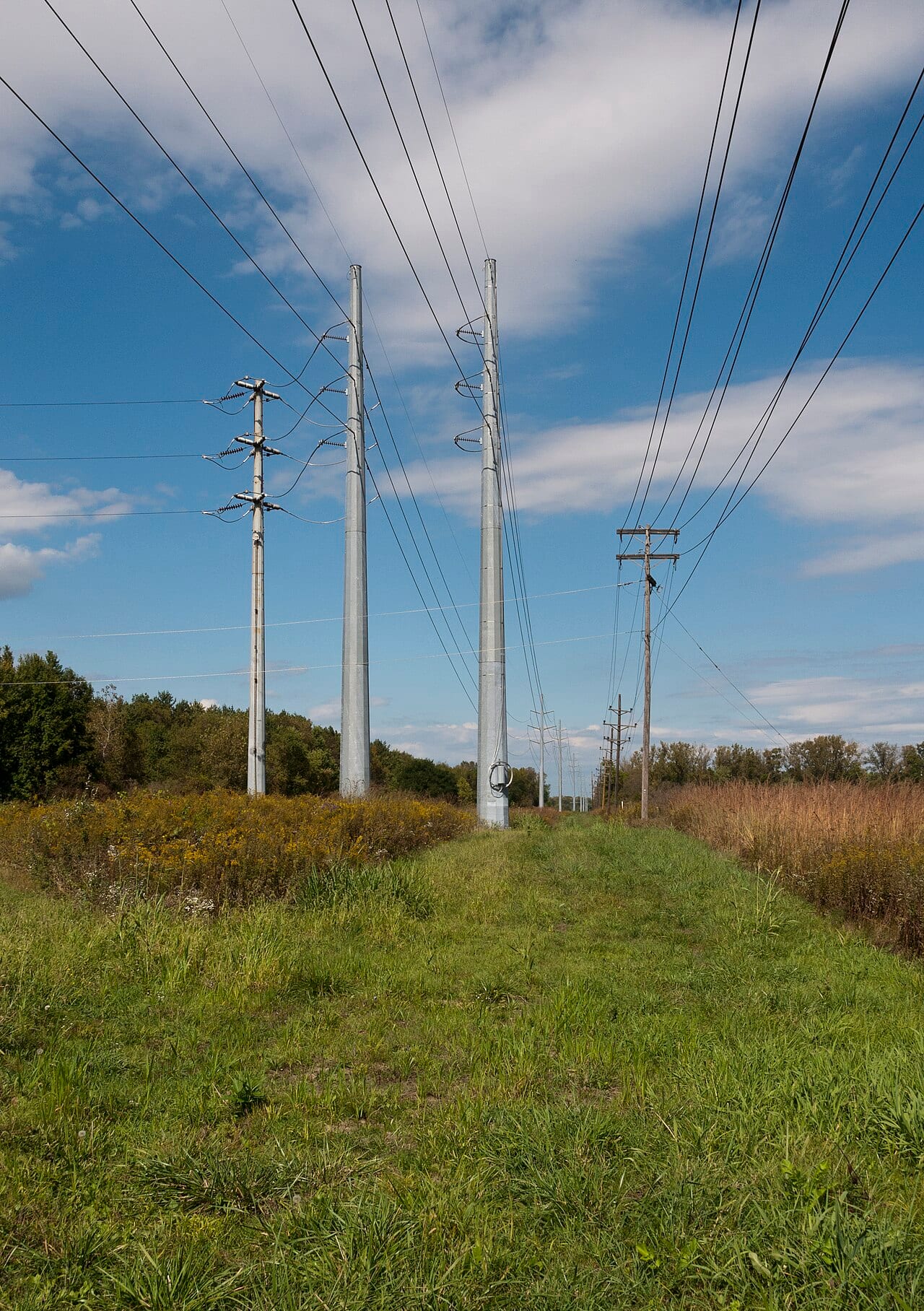
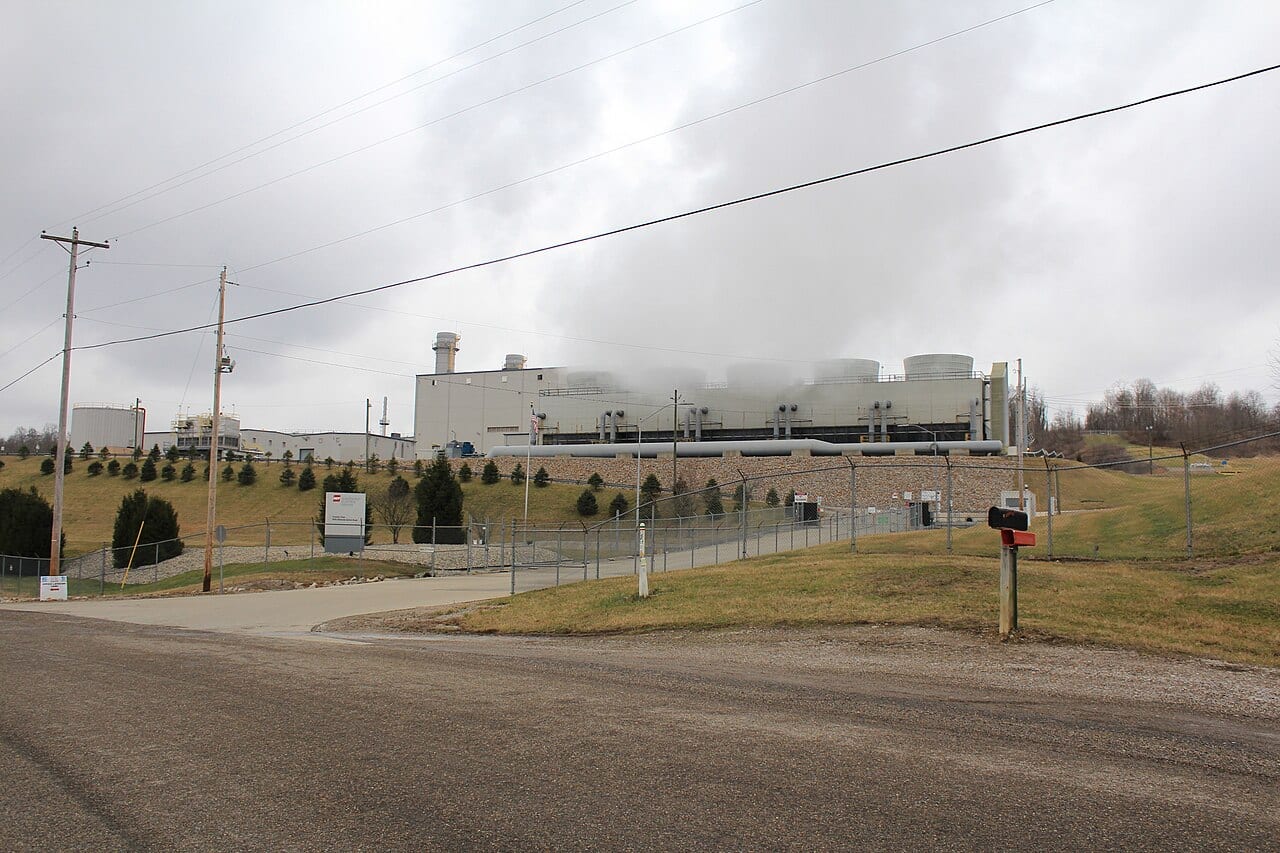
Prometheus needs power plants next door, and some neighbors are fighting the newest one. Three gas plants already serve Meta's 740-acre business park, with a combined capacity above 650 megawatts7. Ohio's Power Siting Board is weighing a fourth.
Cathy Cowan Becker spoke against it at an Oct. 7, 2026 hearing. She leads Save Ohio Parks, a group that fights fossil-fuel buildout near the state's parks. "Ohio's the No. 5 state for data center buildout. And it's the number two state for gas plant build out," she told the board7.
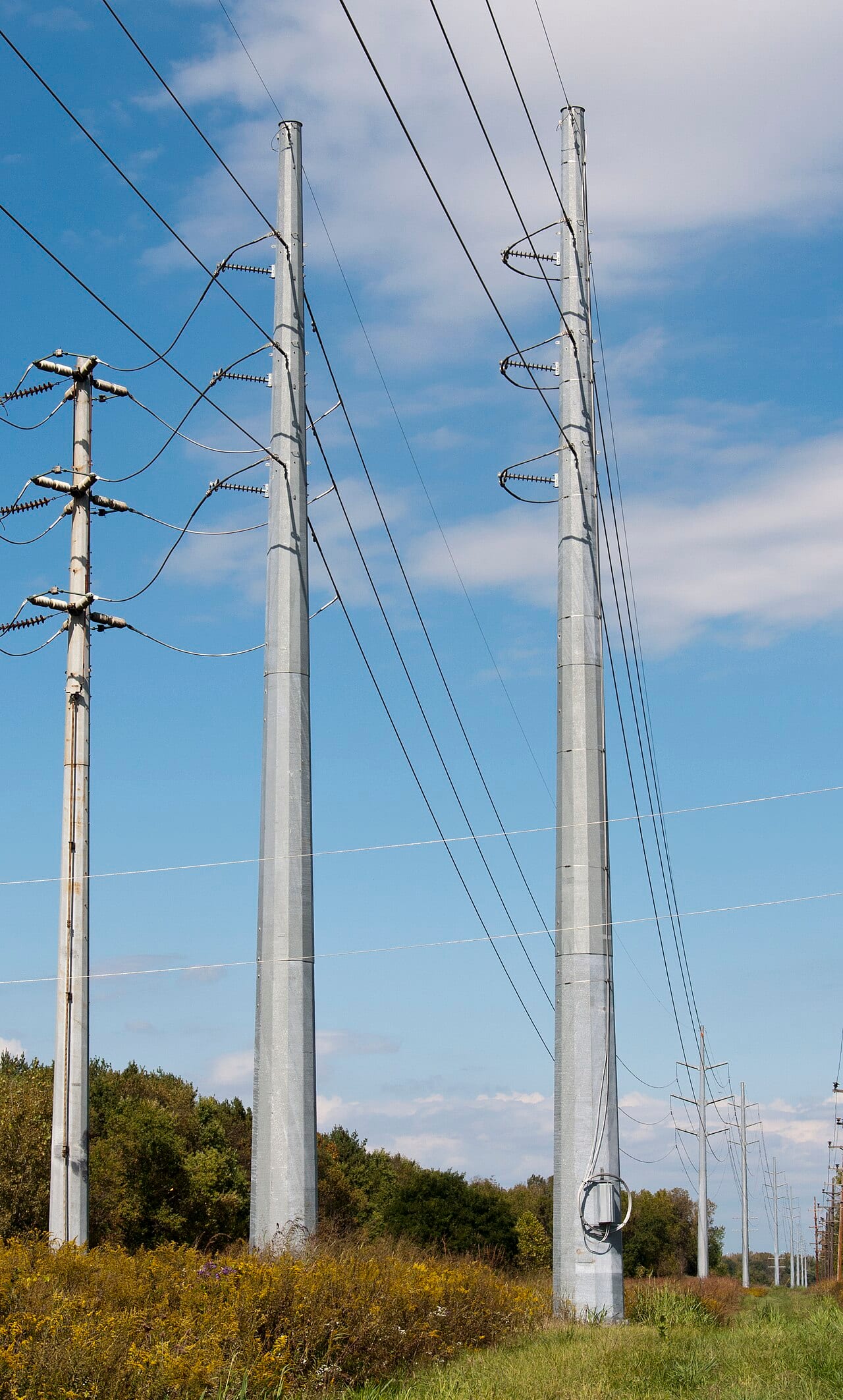
The cost shows up on power bills too. Ohio regulators let AEP raise residential rates as much as $10.28 a month by 20289. Becca Pollard directs the Buckeye Environmental Network, and she tied the increase to the state's building boom. "PUCO has approved numerous rate increases for consumers over the past few years to meet projected demand increases driven largely by proposed data centers," she said.
Meta disputes who foots that bill. "In New Albany, we've long partnered with local utilities to ensure we are paying the full cost of energy for our site," the company wrote in its October post2. Meta is also buying nuclear power from Oklo for a separate Ohio project, and investing in two existing nuclear plants nearby8.
Caroline DeWitte, Oklo's co-founder, sees the same frustration everywhere a cluster lands. "I think it's hitting a nerve, especially in Ohio, but all over the place where people are tired of it and they feel like it's not their faults," she told WOSU. "Why should they be footing the bill for these other groups?"8
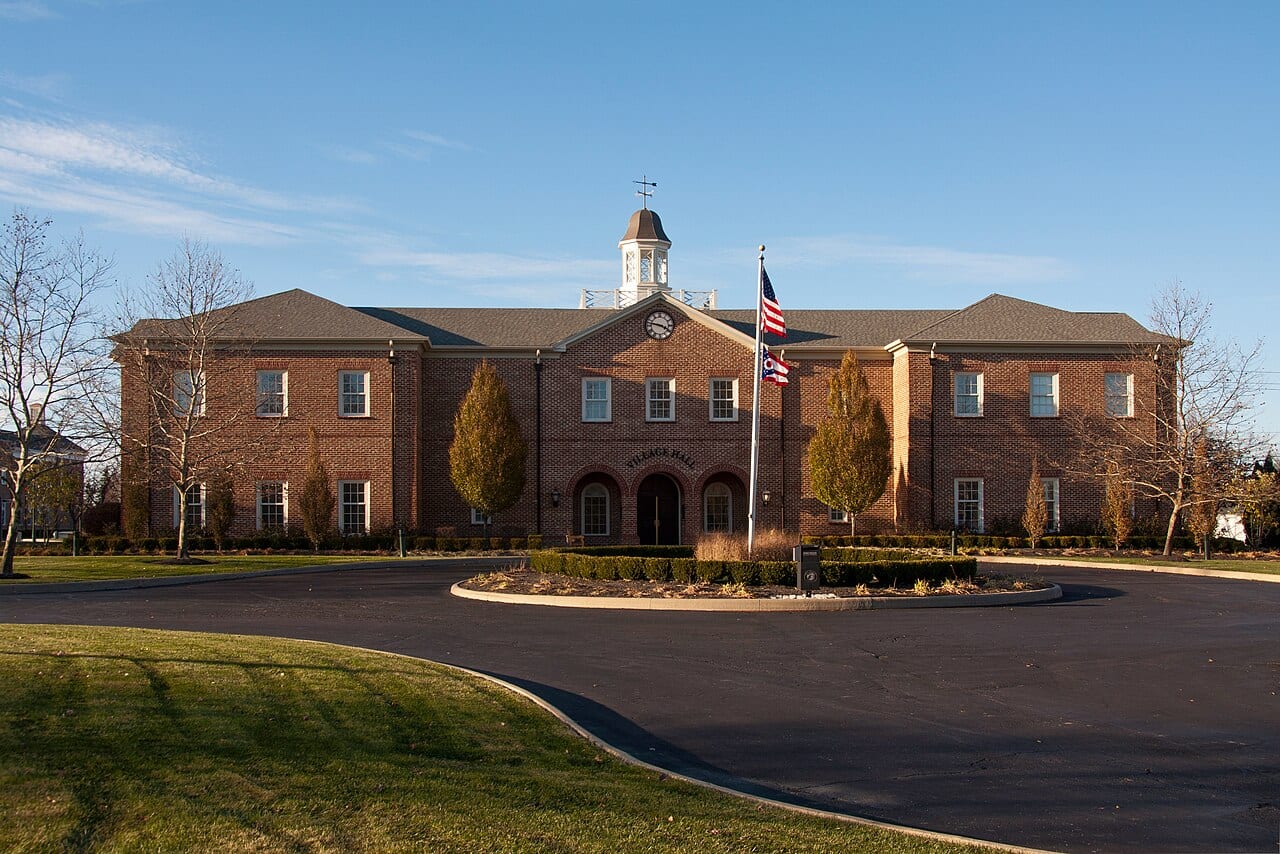
New Albany's council settled one bill already. It exempted Meta's data center from local property taxes for fifteen years, the same break it gave Microsoft11.
What Builders Actually Get
Muse Wonder reached the Meta Model API the day it shipped. It costs $4 per million input tokens and $20 per million output tokens3. A one-million-token context window comes with it, so a builder can hand it a long document in one call.
Wonder Full stays behind a subscription instead. Meta's $5 Everyday plan carries the standard Wonder model. Reaching Wonder Full needs the $50 Power plan or the $200 Maximum plan4.
Meta's own benchmark table claims both versions score near 85 on MemoryBench3. MemoryBench checks whether a model still recalls facts from earlier in a long conversation. On SWE-Marathon, a test of engineering work that runs for hours straight, Wonder Full scored higher than the standard version, 57.5 to 53.1. Meta built both tests itself, so treat the gap as a company's own measurement until an outside lab checks it.
What to Do
Test Muse Wonder on the API tier before paying for a Muse Code seat. The per-token price lets a builder measure a real workload's cost before committing to a monthly plan.
Save the $50 or $200 tiers for work that actually needs Active Memory across sessions. Everyday coding rarely does.
Weigh Prometheus's own numbers alongside Meta's benchmark claims before betting a roadmap on its scale. A cluster still racing toward its own target can slip that target too.
By the Numbers
- 471 megawatts: Prometheus's current power draw, up from a conventional data center two years ago10.
- By 2028: Meta expects that draw to reach 1,022 megawatts10.
- 54,000 GPU hours: Prometheus's current average run between training interruptions, up from 47,000 during Muse Wonder's own run2.
- 650 megawatts: the combined size of the three gas plants already approved for Meta's business park7.
- $10.28: the most Ohio regulators will let AEP add to a monthly bill by 20289.
- Fifteen years: how long New Albany exempted Meta's data center from local property taxes11.
- $4 and $20: what Meta charges per million input and output tokens for Muse Wonder3.
What to Watch
Watch Ohio's Power Siting Board rule on the fourth gas plant. Its decision will show whether state regulators side with Meta's timeline or with the residents fighting it7. Watch Prometheus's own power draw next: a jump toward its 1,022-megawatt target would confirm Meta's buildout is still on pace10. Slipping that pace would hand Becker's side a point of its own.
Sources
- Meta, "Introducing Muse Wonder and Muse Wonder Full," Oct. 12, 2026, https://research.meta.ai/blog/muse-wonder
- Kevin Lee, Yashar Bayani, Ahmed Sharif and Yee Jiun Song, "Inside Prometheus: Meta's Journey to a Gigawatt-Scale Supercluster," Meta, Oct. 19, 2026, https://engineering.fb.com/2026/10/19/data-center-engineering/inside-prometheus-meta-gigawatt-scale-supercluster/
- Josh Walters, "Put your ideas to work with Muse Wonder and Muse Wonder Full," Meta, Oct. 12, 2026, https://dev.meta.ai/resources/blog/build-with-muse-wonder
- Meta, "Muse Code," Oct. 12, 2026, https://dev.meta.ai/products/muse-code
- AI at Meta, post on X, Oct. 19, 2026, https://x.com/AIatMeta/status/2112245968750145561
- Ashley Capoot, "Meta CEO Zuckerberg says first AI data supercluster will come online in 2026," CNBC, July 14, 2025, https://www.cnbc.com/2025/07/14/meta-zuckerberg-ai.html
- Sabriel Metcalf, "Ohio board hears concerns over proposed New Albany data center power plant," Spectrum News 1, Oct. 7, 2026, https://spectrumnews1.com/oh/toledo/news/2026/10/07/ohio-board-hears-concerns-over-proposed-new-albany-data-center-power-plant
- George Shillcock, "Data center giants Meta and Microsoft try to offset rising utility rates as costs rise for consumers," WOSU, Jan. 19, 2026, https://www.wosu.org/2026-01-19/data-center-giants-meta-and-microsoft-try-to-offset-rising-utility-rates-as-costs-rise-for-consumers
- Ohio Environmental Council, "Statement on PUCO's Approval of AEP Ohio's Distribution Rate Increase," April 1, 2026, https://theoec.org/news-and-information/statement-on-pucos-approval-of-aep-ohios-distribution-rate-increase/
- Epoch AI, "Largest AI data centers ranked by power capacity, 2026," Nov. 6, 2026, https://epoch.ai/graphs/largest-ai-data-centers-by-power-capacity
- Logan Chapman, "Hollow Promises in Ohio's Silicon Heartland," The American Prospect, March 5, 2026, https://prospect.org/2026/03/05/ohio-tech-ai-data-centers-meta-amazon-google-energy/