OpenAI shipped a wallet on Friday. Its own AI agents can now buy things for a person1. A face or fingerprint check guards every purchase. The harder sale is the shopper's trust, ahead of the software itself.

A Wallet That Keeps the Card Hidden
OpenAI calls a personal agent a dot, built to act on a person's behalf1. ChatGPT Wallet runs through that dot. Three card networks back it: American Express, Mastercard and Visa, each building the system with OpenAI from scratch.
The design hides the real card number from everyone but the bank. A payment token stands in its place, a stand-in number tied to the real card but useless if it leaks2. The dot and the merchant both stay blind to what lies underneath, by design.
ChatGPT@ChatGPTNow your dot can securely complete purchases on your behalf—with your approval.
With ChatGPT Wallet, agents pay without access to your actual card details. Every purchase requires a security check.
ChatGPT Wallet is rolling out starting today to dots, for Pro subscribers in the… pic.twitter.com/EhtEZNaKnt
Chaya Nayak leads product for monetization and payments at OpenAI. She framed the whole project as a trust exercise first. "Our goal here is to really focus on merchants and our network partners and start building out a really great foundation that's safe and easy to use," she told CNBC1.
American Express chose to move slowly with her. "It just makes sense to watch it, start it in a contained environment, and then keep rolling from there," said Luke Gebb, the company's executive vice president for global innovation1. His caution reads as the whole industry's posture in miniature: build the rails first, open the gates later.
The Partners Standing Behind the Dot
Four fraud-prevention firms sit behind every purchase: Forter, Riskified, Sardine and Signifyd2. Three payment processors carry the transactions themselves: Adyen, Checkout.com and Stripe. OpenAI lined up ten outside companies in total, counting the three card networks, before it let a single agent spend a dollar.
OpenAI Lines Up 10 Outside Partners Before One Agent Can Pay
Companies named in OpenAI's own ChatGPT Wallet launch, grouped by role, one cube per company
Each cube is one named company. Blue cubes are the card networks, magenta cubes are the fraud-prevention firms, and gray cubes are the payment processors moving the money itself.
Sources: CNBC [1]; Help Net Security [2]. Chart by Kelly Dennis.
The numbers behind this chart
| Item | Value |
|---|---|
| Card networks | 3 |
| Fraud-prevention firms | 4 |
| Payment processors | 3 |
| Whole | 10 |
That list answers a specific worry. A risk system built for a human shopper can flag an agent's purchase as fraud by mistake, then cancel it2. OpenAI's partners exist to teach those systems the difference between a dot and a thief.
Access stays deliberately small for now. Only ChatGPT Pro subscribers in the U.S. qualify, and only those 18 or older1. OpenAI collects zero share of transaction revenue at launch, a choice that reads as patience over profit.
Trust Lags Behind the Technology
Forrester surveyed the market Wallet hopes to win3. Three in four U.S., U.K. and Canadian adults, 75 percent, say they stay uneasy letting an agent complete a purchase alone. The other 25 percent already feel comfortable with it. Spending limits and preset rules barely move either number.
75 Percent of Shoppers Stay Uneasy With an Agent Buying Alone
U.S., U.K. and Canadian adults surveyed by Forrester on letting an AI agent complete a purchase autonomously
The magenta arc is the share who stay uneasy letting an agent buy on its own, even with spending limits set first. The gray arc is everyone comfortable with it already.
Source: Forrester [3]. Chart by Kelly Dennis.
The numbers behind this chart
| Item | Value |
|---|---|
| Uneasy with an autonomous purchase | 75 |
| Comfortable with it already | 25 |
| Whole | 100 |
Lily Varon, a principal analyst at Forrester, names the real gap. "Who exactly is going to be held responsible for the consequences of the AI's actions if they are negative?" she asked3. OpenAI's design answers part of that question with a human check on every purchase. Who pays when a check still fails is a question that stays open for everyone building toward this future.
Sucharita Kodali, also a principal analyst at Forrester, points at the other side of the trade. "Even if these agents don't bother with the transaction and just offer themselves up as an alternative to Google search, there is still a lot of creating new information in new formats for each product that every merchant will need to do," she said4. A merchant pays that setup cost up front, regardless of how many agent sales follow.
Merchants Are Drawing Their Own Lines
United Airlines drew its own line this month5. The carrier moved to block outside AI agents from booking flights or touching a customer's account. "Sharing account credentials with personal, third-party, AI assistants can expose sensitive information, and actions taken by these tools may result in unintended purchases, account changes, or use of MileagePlus miles," United said in its new policy.
United's own numbers show a small risk so far. The airline counted only a few hundred bookings attempted through outside agents, by its own account. A policy built for a problem this size reads as a company getting ahead of a trend. The move arrives well before any real crisis lands.
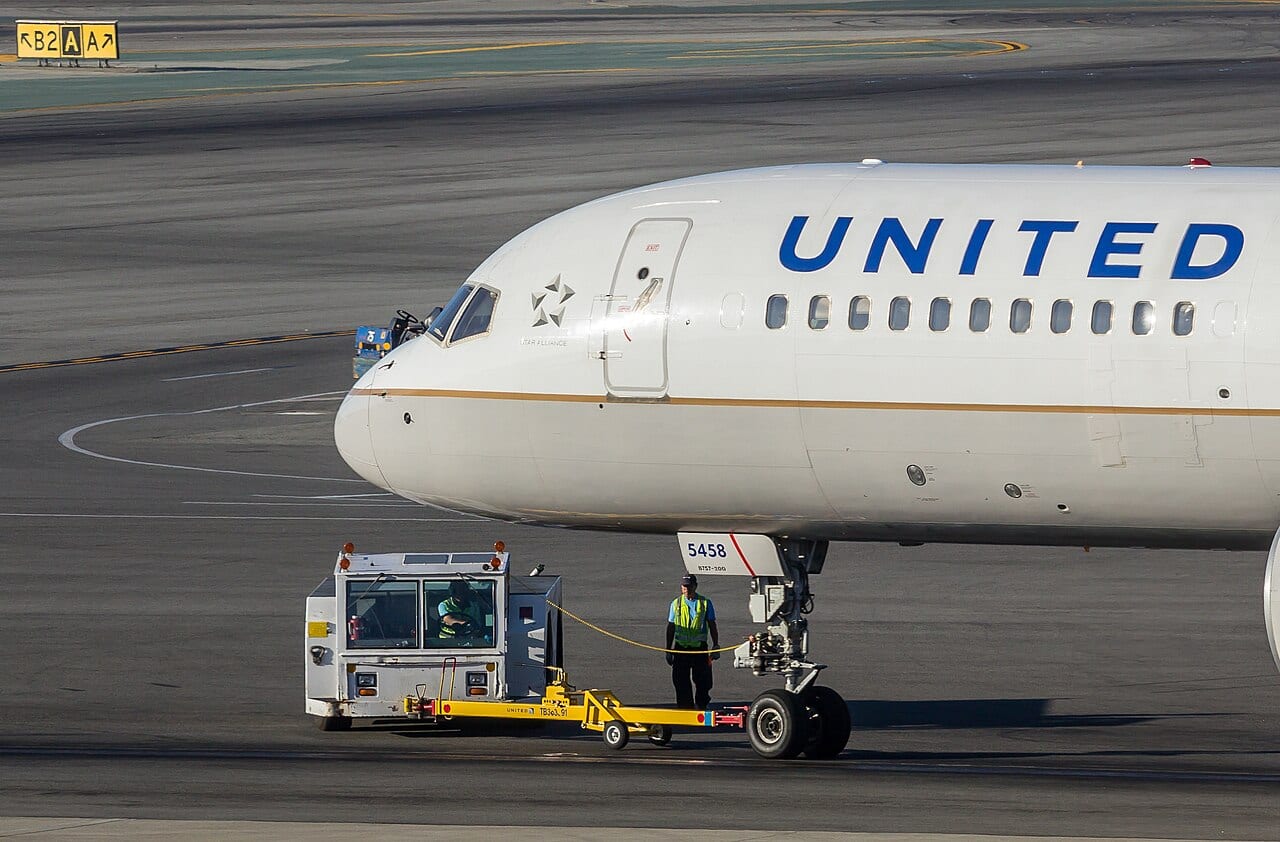
OpenAI built ChatGPT Wallet as a closed system for exactly that reason. Every network, processor and fraud firm behind it signed on in advance, a contrast with the open agents United just shut out. The difference between the two approaches is permission. OpenAI asked its partners first, and United answered a question its own customers had barely started asking.
What to do
Treat ChatGPT Wallet as a pilot, an early test short of a final verdict on agent commerce. Check your own payment and fraud systems for how they would treat a token-based agent purchase. OpenAI's own playbook names the vendors built to recognize one, a useful checklist for any business weighing agent traffic at all.
Decide a policy for agent purchases now, before a customer's own agent forces the question on your business. United chose to block first and answer questions later. A retailer that already runs the fraud tools Nayak named might choose the opposite, and open the door instead.
By the numbers
- $0: OpenAI's cut of ChatGPT Wallet transaction revenue at launch, a deliberate choice over an immediate fee1.
- 3: Card networks that built ChatGPT Wallet with OpenAI: American Express, Mastercard and Visa1.
- 4: Fraud-prevention firms OpenAI lined up before launch: Forter, Riskified, Sardine and Signifyd2.
- 18: The minimum age for a ChatGPT Wallet user, restricted to the U.S. at launch1.
- 75 percent: Share of U.S., U.K. and Canadian adults uneasy letting an agent complete a purchase alone, per Forrester3.
What to watch
Watch whether OpenAI expands ChatGPT Wallet past Pro subscribers or past the U.S. border, the two limits most likely to move first. A retailer naming ChatGPT Wallet in its own fraud policy would mark the next real test. United already named outside agents in its own booking rules this month. Forrester's next consumer survey, expected in early 2027, will show whether the 75 percent holdout figure moves at all.
Sources
- Ashley Capoot, "OpenAI launches ChatGPT Wallet, allowing its 'dots' AI agents to make purchases for users," CNBC, Nov. 13, 2026, https://www.cnbc.com/2026/11/13/openai-chatgpt-wallet-dot-purchases.html
- Anamarija Pogorelec, "ChatGPT Wallet lets agents pay without seeing your card number," Help Net Security, Nov. 13, 2026, https://www.helpnetsecurity.com/2026/11/13/openai-chatgpt-wallet/
- Lily Varon, "Consumers Aren't Ready To Delegate Payments To AI Agents," Forrester, June 15, 2026, https://www.forrester.com/blogs/consumers-arent-ready-to-delegate-payments-to-ai-agents/
- Modern Retail Staff, "Why the AI shopping agent wars will heat up in 2026," Modern Retail, Jan. 6, 2026, https://www.modernretail.co/technology/why-the-ai-shopping-agent-wars-will-heat-up-in-2026/
- Zack Whittaker, "United Airlines blocks AI agents from booking flights, citing cybersecurity risks," TechCrunch, Nov. 12, 2026, https://techcrunch.com/2026/11/12/united-airlines-blocks-ai-agents-from-booking-flights-citing-cybersecurity-risks/