Working creatives just got proof that AI saves them real time. A survey of 1,033 creatives in 103 countries found 49 percent work faster with AI1. Only 7 percent said that speed showed up as higher pay at all. One in six of them already earn the same money for less effort.
Over half the people surveyed, 52 percent, work alone as freelancers or one-person businesses1. Most performing artists already work in that same freelance shape.
Read that the easy way, and the news looks good. Faster work should mean more jobs finished and more money earned. Eighteen percent of the surveyed creatives said their clients already expect AI-assisted work to cost less. The saved hour and the lower price point to the same side of the ledger: the client's.
49% of Creatives Work Faster With AI. Just 7% Earn More.
Share of 1,033 creative professionals reporting each outcome, Envato survey, September 2026
Each column is a share of survey respondents: working faster is common, earning more for it is rare, and a flat or lower price is more common than a raise.
Every respondent is an Envato subscriber, leaving out creatives who use an entirely different toolkit.
Source: GlobeNewswire [1]. Chart by Ryan Elliott Dennis.
The numbers behind this chart
| Item | Value |
|---|---|
| Work faster | 49% |
| Earn more | 7% |
| Pay unchanged | 16% |
| Client wants less | 18% |
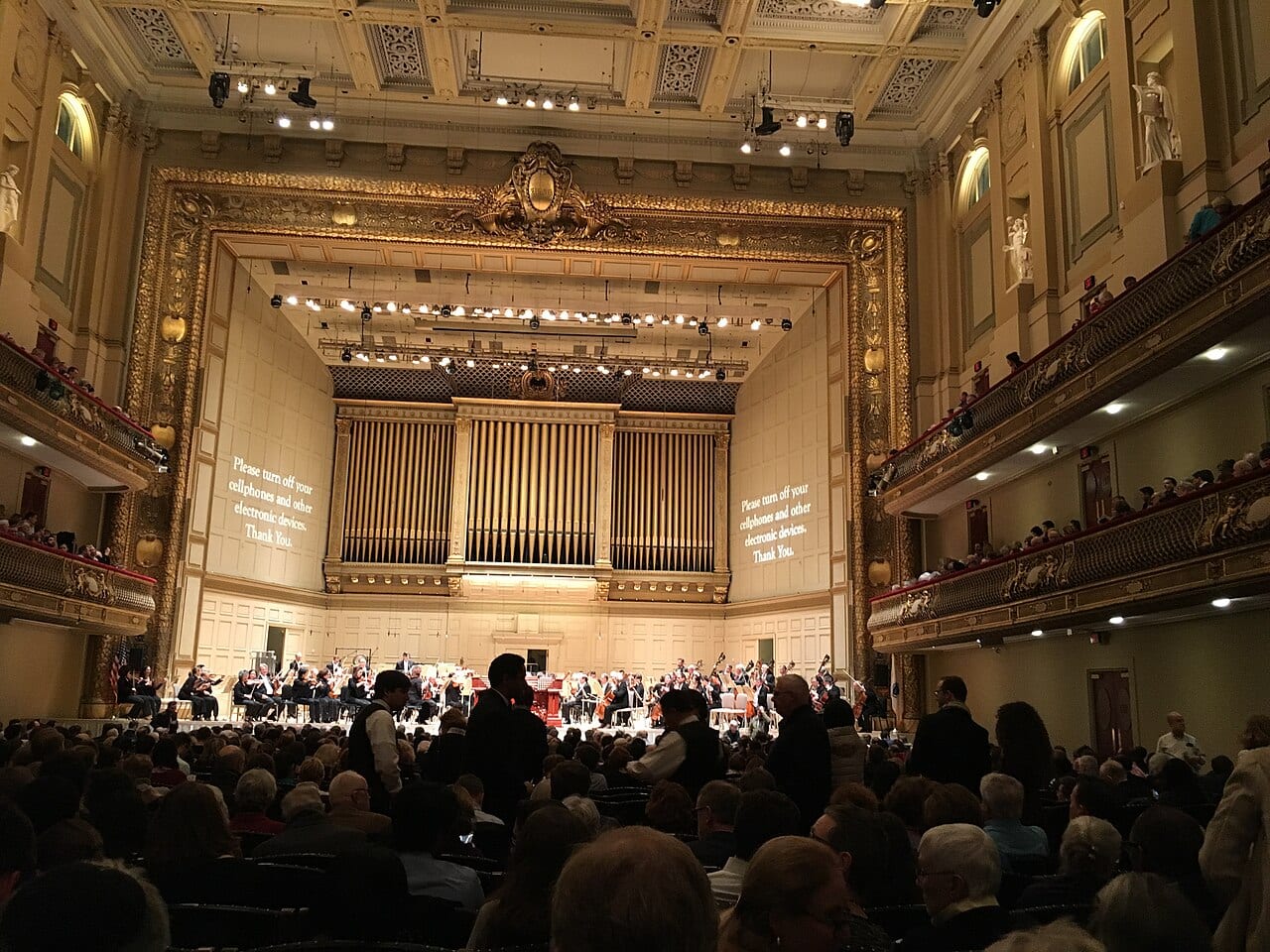
Performing arts institutions show the same split up close: Tod Machover, a composer at the MIT Media Lab, built an AI system. It listens to live musicians and plays back its own version of their sound. The Boston Symphony Orchestra premiered his piece, "already and not yet," at Symphony Hall in October2. Machover worried how his players would take it: "Even saying the word AI now, and saying it to musicians — it's understandably scary," he said.
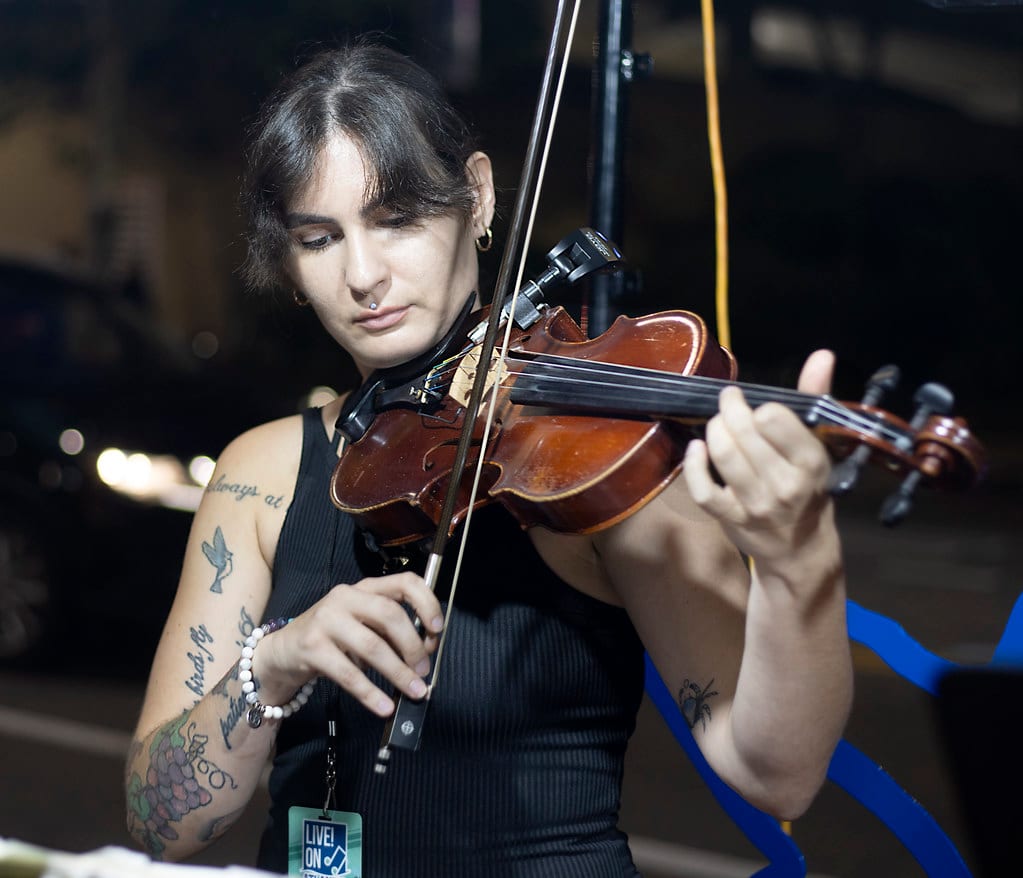
Musicians elsewhere already pushed the question into contract talks. The American Federation of Musicians represents more than 80,000 performers, 8,000 of them orchestral musicians3. Members rallied in March for new AI rules ahead of talks with record labels4. "Musicians demand fair wages – and consent, compensation and credit when A.I. uses our creativity," Gagliardi said.
Arts organizations are adopting the same tools faster than they are funding the skills to use them. Fifty-nine percent of arts professionals used AI more this year than last, Capacity found5. Ninety-one percent skip structured training for it, and 78 percent leave AI ownership undecided6. Just 29 percent carry a written policy, up from 14 percent in 2025.
Hichame Assi disagrees. He runs Envato, the company that ran the survey, and reads the same numbers more warmly. "Almost every creative we heard from is using AI at work now, but very few are letting it run unchecked," Assi said1. His own numbers answer him: 16 percent already earn the same money for less work, their pay where it started.
Ashley Ferro-Murray watches the same shift from the artists' side. She directs arts programs at the Doris Duke Foundation, which surveyed more than 300 performing artists this year. Only 23 percent use generative AI at all, and 90 percent worry about corporate exploitation of their work7. "With 90 percent of artists concerned about corporate exploitation, it is clear that we must move beyond merely helping artists adapt to these tools," Ferro-Murray said.
Most of the same artists still see real promise in the tools. Ninety-one percent said technology helps reach audiences with disabilities, and 82 percent said it opens new kinds of performance7.
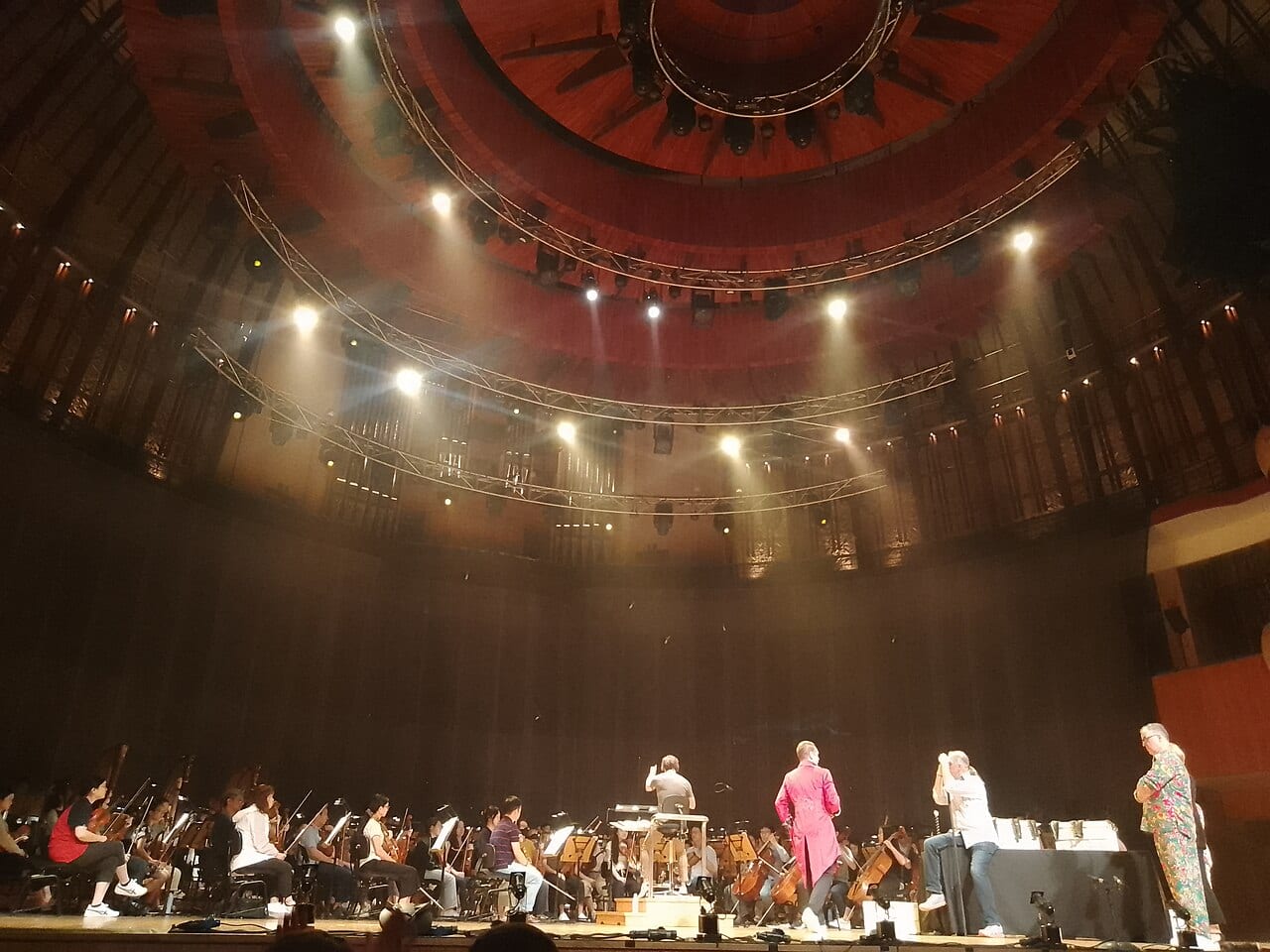
The question underneath every one of these numbers is who gets paid for the hour AI frees up. Clients and concert venues capture it first, as a lower bill or a faster turnaround. Composers, musicians and arts workers carry the cost when a budget relabels their craft as overhead. An orchestra that lets an algorithm answer its own players still must decide who signs the check for it.
59% of Arts Groups Use More AI. 91% Still Skip Training For It.
Share of arts and culture professionals or organizations reporting each practice, 2026
Each bar is a share of surveyed arts organizations: more are using AI than are training staff on it, naming an owner for it, or writing a policy for it.
The training, ownership and policy shares come from International Arts Manager's coverage of Capacity's report, separate from Capacity's own page.
Sources: Capacity [5]; International Arts Manager [6]. Chart by Ryan Elliott Dennis.
The numbers behind this chart
| Item | Value |
|---|---|
| Use AI more than in 2025 | 59% |
| Skip structured training | 91% |
| Leave AI ownership undecided | 78% |
| Have a written AI policy | 29% |
Envato's own numbers hold the verdict: speed is common, and performers who work gig to gig absorb the gap most. Readers who want the next survey, the next contract fight and the next AI premiere before the trade press notices can act first. The Signal is Ai Lately's daily email on who moved and what shipped in AI. It will carry the next pay fight in the arts before anywhere else does.
Sources
- Envato, "Beyond the Hype: The State of AI in Creative Work, Envato's Second Annual Report, Finds AI Adoption Has Outrun the Rules," GlobeNewswire, Nov. 10, 2026, https://www.financialcontent.com/article/gnwcq-2026-11-10-beyond-the-hype-the-state-of-ai-in-creative-work-envatos-second-annual-report-finds-ai-adoption-has-outrun-the-rules
- A.Z. Madonna, "As AI fears rise, a composer puts it on stage at Symphony Hall," The Boston Globe, Oct. 22, 2026, https://www.bostonglobe.com/2026/10/22/arts/machover-bso-ai-symphony/
- AFM Staff, "Coalition and Contracts: AFM Works to Combat AI and Protect Musicians," International Musician, Dec. 1, 2025, https://internationalmusician.org/coalition-and-contracts-afm-works-to-combat-ai-and-protect-musicians/
- NYCCLC Staff, "AFM Musicians Rally for AI Protections and Fair Pay," New York City Central Labor Council, AFL-CIO, Mar. 11, 2026, https://nycclc.org/events/afm-musicians-rally-ai-protections-and-fair-pay
- Capacity, "The State of AI & the Arts 2026," Capacity, Sept. 2, 2026, https://capacityinteractive.com/resources/the-state-of-ai-the-arts-2026/
- Staff, "Arts organisations using AI more but struggling to move beyond individual experimentation, report finds," International Arts Manager, Sept. 2, 2026, https://internationalartsmanager.com/arts-organisations-using-ai-more-but-struggling-to-move-beyond-individual-experimentation-report-finds/
- Doris Duke Foundation, "New Survey Finds Performing Artists See Promise in Tech — But Lack Access and Safeguards," Doris Duke Foundation, Mar. 24, 2026, https://www.dorisduke.org/news/new-survey-finds-performing-artists-see-promise-in-tech-but-lack-access-and-safeguards