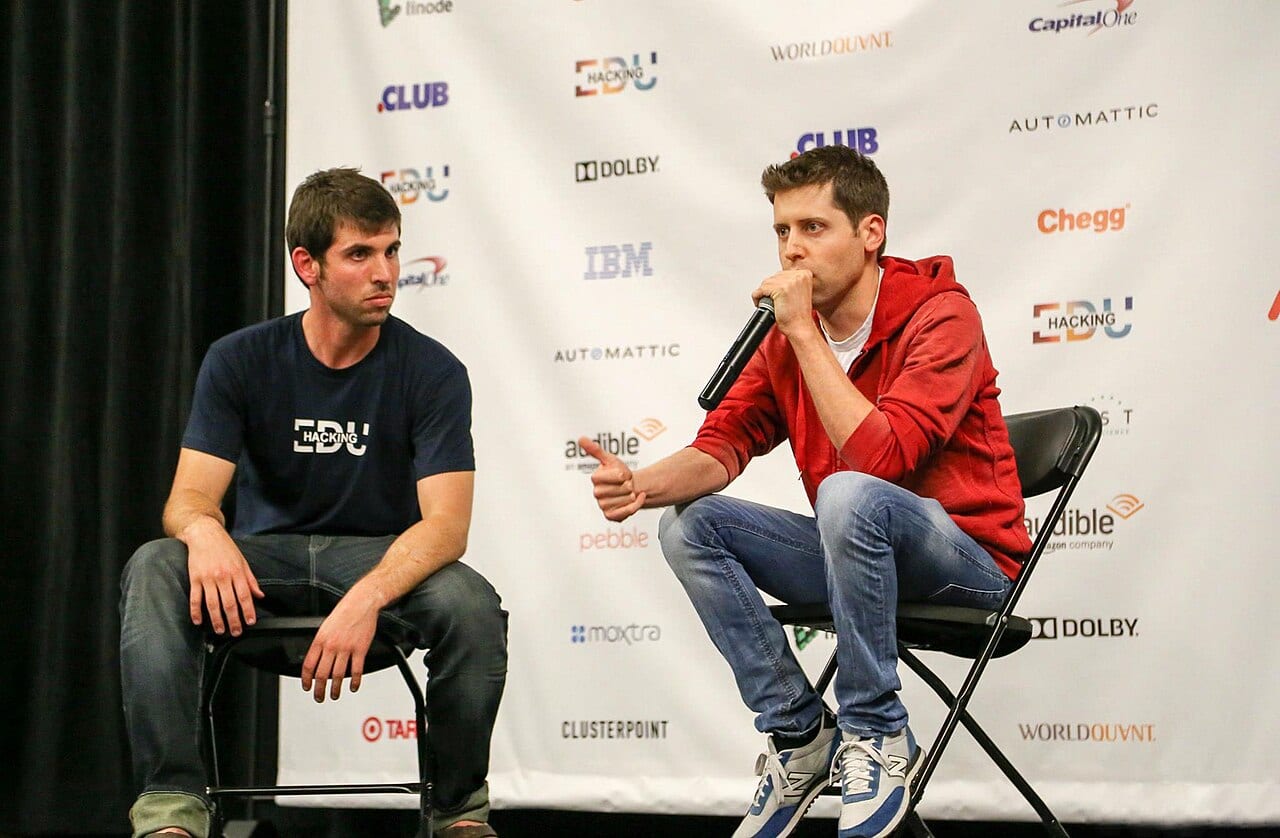
Sam Altman thinks your home computer wastes memory. The OpenAI chief executive said so on the Cheeky Pint podcast, published Oct. 291. Builders of free AI software had already proved him wrong.
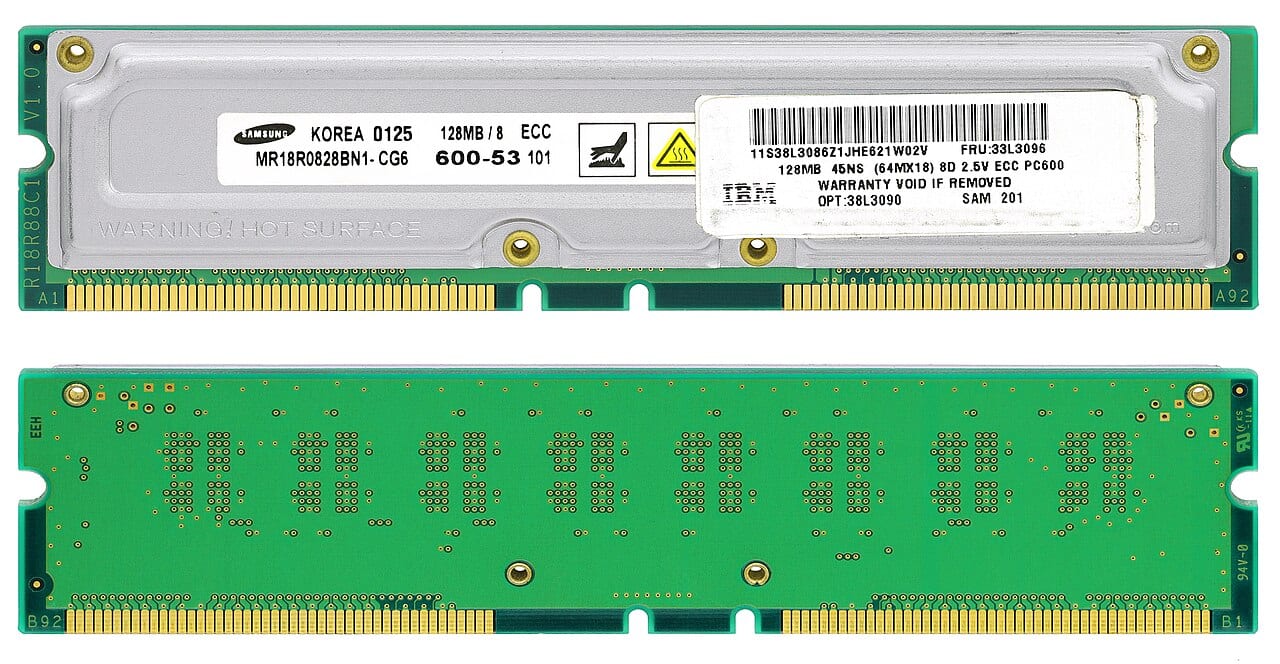
Altman said home PCs use their memory chips, called DRAM, only 5 percent of the time1. A free program called Strata already fills most of a gaming PC's memory with a giant AI model3. It does that every time someone answers a prompt with it.
A Claim From the Cheeky Pint
Altman made his claim to Stripe co-founder John Collison, who hosts the Cheeky Pint podcast1. He put a number on the problem.
"It's quite terrible to have everybody have a bunch of the world's limited supply of DRAM sitting in their own computer, and being used maybe 5% of the time," Altman said1.
He wants that memory moved elsewhere. "You want maximum utilization in the cloud if you're trying to deal with this very supply constrained environment. And somehow many people's intuition is the opposite of that," Altman said1.
Timing shaped the remark. DRAM prices have climbed for months, and OpenAI itself is one reason why7.
The Code Already Filling the RAM
A developer who goes by Niko1221 built an answer months before Altman spoke23. Niko1221 opened the Strata project on GitHub on Sept. 24.
Strata runs an open model, called Qwen3.8-Flash-Next, on ordinary gaming hardware3. The model holds 125 billion parameters. It needs just 10 of its 24,576 expert sub-models to answer any single prompt.
The engine still loads far more into memory than that. On a PC with 64 gigabytes of RAM, startup alone claims 35 to 55 gigabytes, before a single prompt arrives3.
Strata backs that claim with real speed. On a GeForce RTX 5070 with 64 gigabytes of RAM, its 2-bit version answers at 94 tokens a second3. A slower, 3-bit version trades speed for sharper answers, at 53 tokens a second.
Strata Claims 55GB of a Home PC's RAM, Far Past Altman's 5 Percent
Gigabytes of RAM in use on a 64-gigabyte gaming PC: Strata's startup load against the share Sam Altman says a home PC actually uses
Each column is gigabytes of RAM in use on a 64-gigabyte PC; magenta is Strata's own high-end startup claim, and blue is what Altman's 5 percent figure would allow.
Strata's 35-to-55-gigabyte range depends on quantization choice; the chart uses the high end BigGo Finance measured.
Sources: XDA Developers [1]; BigGo Finance [3]. Chart by Kelly Dennis.
The numbers behind this chart
| Item | Value |
|---|---|
| Strata at startup | 55GB |
| Altman's 5% figure | 3.2GB |
On a 64-gigabyte PC, that is most of the chip, far more than Altman's 5 percent figure. His own number would allow only 3.2 gigabytes of use on that same machine1. Builders noticed fast. Strata's GitHub page counted 37,866 stars and 4,124 forks on Nov. 22.
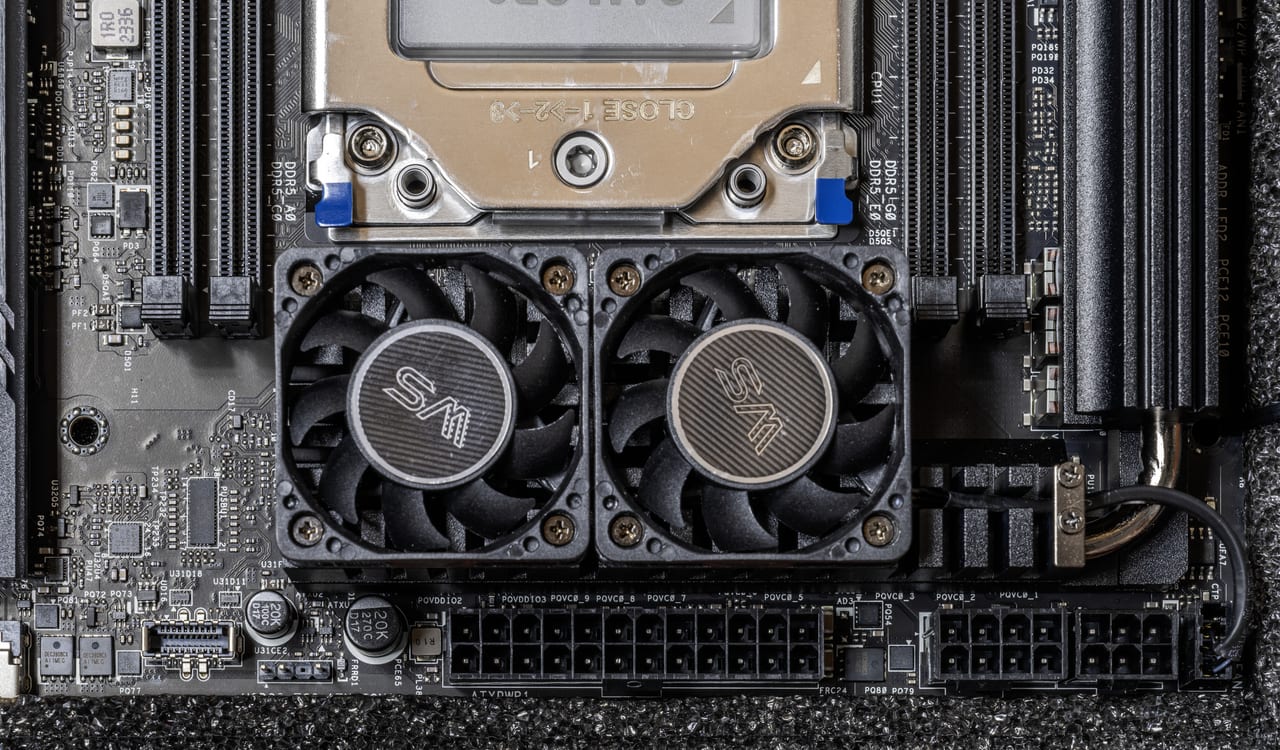
Hacker News noticed too, debating what Altman's math leaves out4.
The Shortage Behind Altman's Complaint
A real shortage backs the rest of Altman's complaint. Research firm IDC tracks the pain directly6.
Jean Philippe Bouchard is IDC's vice president of devices and consumer research. "We're not seeing any relief to the memory shortage situation before the end of 2027, which means prices will continue to rise and PC manufacturers will struggle to maintain full product portfolios for the foreseeable future," Bouchard said6.
IDC expects global PC shipments to fall 11.3 percent this year. Average selling prices should climb 17 percent over that same stretch6.
IDC Sees PC Prices Climb 17 Percent as Shipments Fall 11 Percent
IDC's 2026 forecast for the global PC market, tied to the memory shortage
Each column is a percent change IDC forecasts for 2026; the blue column is the drop in shipments, and the magenta column is the rise in average selling price.
Source: IDC [6]. Chart by Kelly Dennis.
The numbers behind this chart
| Item | Value |
|---|---|
| Shipments | −11.3% |
| Average price | 17% |
OpenAI itself helped build that pressure. The company's Stargate data center project could draw as much as 40 percent of 2025's global DRAM output7. A TechInsights estimate, tied to SK Group's own wafer forecast, set that figure.
SK Group has said OpenAI's data center plans could need up to 900,000 DRAM wafers a month7. Altman offered Collison his own reason memory makers resist building more factories. He said the industry remembers 2023, when a DRAM maker "would invest $20 billion of CapEx to make $19 billion". Boom and bust is an older pattern in that industry, and the AI boom is only its latest turn.
Shoppers feel that math at checkout. A 32-gigabyte kit of DDR5 memory cost about $500 in late October, up from roughly $400 in early April7.
What Practitioners Say They're Buying
Altman's math treats local AI as a cheaper copy of the cloud. Lycore Development, an engineering firm that builds AI tools for clients, says that premise misses the point5.
"The problem is the premise that people run models locally to save memory, or to save money. In our work, they almost never do," Lycore Development wrote5.
Its clients choose local models for reasons apart from efficiency. Sensitive data stays inside the building, under a strict compliance rule. Some workloads need a model that resists a surprise price change. A factory floor or a laptop on a plane still needs an answer when its signal drops5.
"Half right," the firm calls its own view. Latency, privacy and offline work still push some client workloads toward a local model5. The firm matches the tool to the workload, apart from ideology.
Each reason sits outside Altman's 5 percent. It describes control a cloud subscription skips.
What to do
Check your own PC's memory use before you side with either man. Open Task Manager or Activity Monitor during an ordinary workday. Most readers will find Altman's 5 percent close to true, on a PC that skips local AI entirely.
Try Strata yourself if you already own a gaming PC with 12 gigabytes of video memory or more. The project is free to download, and its GitHub page lists exact hardware specs23.
Ask any vendor pitching "cloud efficiency" what the word measures. Altman's own number describes memory sitting empty. It says little about money a reader actually wastes.
By the numbers
- 5 percent: Altman's own figure for how often a home PC's DRAM gets used, per the Cheeky Pint podcast1.
- 37,866 stars and 4,124 forks: Strata's GitHub count on Nov. 2, five weeks after its first commit2.
- 35 to 55 gigabytes: the RAM Strata claims at startup on a 64-gigabyte gaming PC3.
- 11.3 percent: the PC shipment drop IDC expects this year, tied to the memory shortage6.
- $500: the price of a 32-gigabyte DDR5 kit in late October, up from about $400 in early April7.
- Up to 40 percent: the share of 2025's global DRAM output OpenAI's Stargate project could draw, per a TechInsights estimate7.
What to watch
Watch Strata's download count next. A jump this month would turn one newsy week into lasting demand for local AI2.
Keep an eye on IDC's next forecast too. Any move off the 2027 date would mean the shortage eases faster than Bouchard expects6.
Sources
- Simon Batt, "Sam Altman says it's 'quite terrible' that people have RAM in their PCs during a shortage," XDA Developers, Oct. 30, 2026, https://www.xda-developers.com/sam-altman-says-its-quite-terrible-that-people-have-ram-in-their-pcs-during-a-shortage/
- "Niko1221/Strata," GitHub, checked Nov. 2, 2026, https://github.com/Niko1221/Strata
- "Running a 125B-Parameter LLM on a Home PC: 'Strata' Opens a New Frontier for Local AI," BigGo Finance, Oct. 5, 2026, https://finance.biggo.com/news/364b201a-bd34-4147-806a-110e01216b83
- 0x4e, "Sam Altman says DRAM capacity should go to data centers, not personal computers," Hacker News, Nov. 1, 2026, https://news.ycombinator.com/item?id=50324267
- Lycore Development, "Sam Altman Says the RAM in Your PC Is 'Quite Terrible.' For Client Work, He's Half Right," DEV Community, Oct. 31, 2026, https://dev.to/lycore/sam-altman-says-the-ram-in-your-pc-is-quite-terrible-for-client-work-hes-half-right-17ho
- "PC Market Enters Volatile Territory as Memory Shortage Persists Through 2027," IDC, June 2, 2026, https://www.idc.com/resource-center/blog/pc-market-enters-volatile-territory-as-memory-shortage-persists-through-2027/
- Rudro Chakrabarti, "'Quite terrible': Sam Altman says the RAM in your PC is a waste. OpenAI could soak up as much as 40% of supply," Moneywise, Oct. 31, 2026, https://moneywise.com/news/top-stories/sam-altman-dram-pc-openai