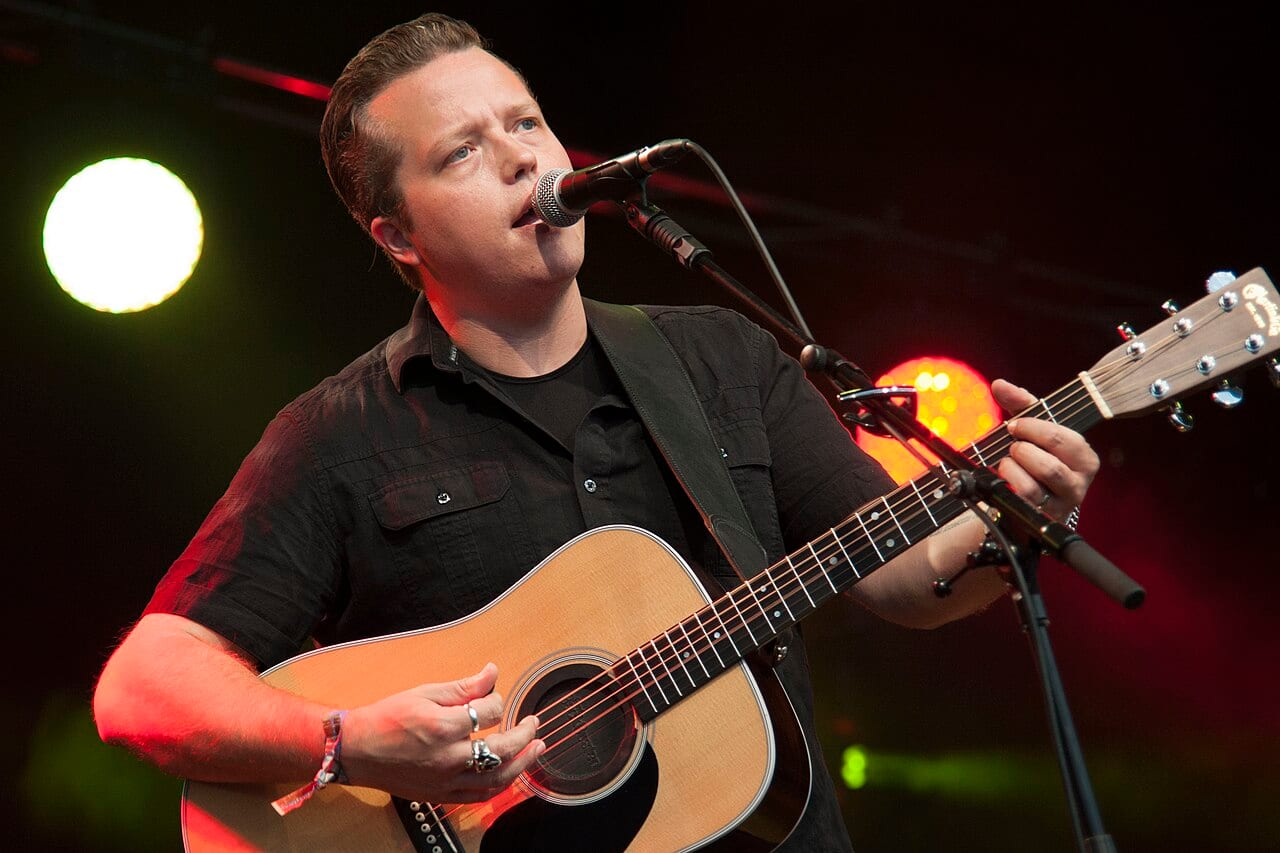
Suno asked a federal judge on Nov. 3 to throw out a lawsuit from four musicians2. Jason Isbell, David Lowery, Guy Forsyth and Eduardo Calle brought the suit. They say Suno built a product that imitates their voices on command, just from typing their names1. Suno disagrees.
The filing makes Suno's defense in one line. A producer can ask for "more of a Jason Isbell vibe," the company argued, and the First Amendment protects that23.
What Suno Told the Judge
Type an artist's name into Suno. The platform used to generate a song built to sound like that person. Dozens of examples sit in the complaint: "Jason Isbell" returned a twangy Americana track called "Paper Bell." "Buddy Guy" returned Chicago blues with a growling vocal1.
Suno's motion calls that lawful shorthand, the same move a session musician makes in a studio every day. "No state confers a right of publicity that prohibits a musician in a studio from saying to their producer, 'let's go for something here with more of a Jason Isbell vibe,' and actually achieving that result without infringing any copyright or creating a likelihood of confusion over the identity of the performer," the company wrote23.

David Lowery, the second named plaintiff, fronts Camper Van Beethoven and Cracker. He and Isbell filed together on Aug. 31, joined by blues musician Guy Forsyth and saxophonist Eduardo Calle1.
Suno's own chief executive gave the complaint one of its sharper lines. "Skill is going to matter a lot less," Mikey Shulman said in 2025, about where he sees music going1. The complaint quotes that line back at him as proof of the company's own thinking.
Two Labels Got Paid. Four Musicians Sued Instead
Suno runs its business from 17 Dunster Street, near Harvard Square in Cambridge, Massachusetts, the complaint says. The Dunster Street address is why the case landed in Boston federal court, docket number 1:26-cv-140051.

A template for paying artists already exists inside the company. Suno paid first. It settled a copyright suit with Warner Music Group on Nov. 25, 2025, and built an opt-in system around the deal5.
Warner's chief executive described the terms plainly. "AI becomes pro-artist when it adheres to our principles: committing to licensed models, reflecting the value of music on and off platform, and providing artists and songwriters with an opt-in for the use of their name, image, likeness, voice, and compositions in new AI songs," Robert Kyncl said5.
Suno struck a second deal with BMG on Aug. 12, 2026. Suno's chief executive, Mikey Shulman, said the goal was to "give artists and songwriters real choice, generate new revenue, and make music a bigger part of people's lives"6.
Suno Pays 2 Labels While 4 Musicians Sue for the Same Deal
Count of record labels under Suno's opt-in deals, and named plaintiffs in Isbell v. Suno, as of Nov. 3, 2026
Each column counts one group: labels Suno already pays under a signed deal, and musicians now suing Suno for a deal of their own.
Sources: U.S. District Court for the District of Massachusetts [1]; MusicTech [5]; MusicTech [6]. Chart by Ryan Elliott Dennis.
The numbers behind this chart
| Item | Value |
|---|---|
| Labels paid | 2 |
| Musicians suing | 4 |
Isbell, Lowery, Forsyth and Calle stand outside both deals. They sued 19 days after the BMG deal, naming Suno alone1. Suno projects $1 billion in revenue by 2028, by its own account to the press, cited in the complaint. The four plaintiffs go unpaid under either deal.
An Identity Claim, Apart From Copyright
The lawsuit skips copyright entirely. It leans on state right of publicity laws and Illinois's biometric privacy statute, a 2008 law written for fingerprints and face scans1.
Suno's training process reads a singer's pitch, timbre and phrasing, the complaint says, then stores those readings tied to a name. Illinois law calls that a voiceprint, and it requires written consent before anyone collects one1.
The proposed classes stretch across 14 states and Puerto Rico, built state by state from local right of publicity laws. New York's version dates to 1903, the oldest publicity law in the country1.
Isbell's lawyers put the core claim in one sentence. "Jason Isbell's musical identity does not cease to be his property merely because sophisticated technology is involved," the complaint reads1.
The claim he and the others bring skips whether a Suno song copies a specific recording. It asks whether the company can build a product around a person's name at all, consent granted or consent skipped.
A Filter That Still Lets Names Through
Suno has defended its rules before this suit even reached a courtroom. Asked about name-based prompts in September, the company pointed to its own blocks. "We stand by the many protections we have put into place across the platform, including blocking prompts for specific artists' names or copyrighted songs," a Suno spokesperson told Rolling Stone4.
The complaint tests that claim and finds gaps. Typing "jason isbell" as one unbroken string still returned a song built around his sound, the filing says1. A name the filter should catch slipped past it anyway.
Suno Signed Its Last Label Deal 19 Days Before the Lawsuit
Dated events in Suno's label deals and the Isbell class action, Nov. 2025 to Nov. 2026
Each pin marks one dated event: Suno's two label deals, then the musicians' suit and Suno's motion to dismiss it.
Sources: U.S. District Court for the District of Massachusetts [1]; Digital Music News [2]; MusicTech [5]; MusicTech [6]. Chart by Ryan Elliott Dennis.
The numbers behind this chart
| Date | Event |
|---|---|
| Nov. 25, 2025 | Warner deal signed. Opt-in deal begins |
| Aug. 12, 2026 | BMG deal signed |
| Aug. 31, 2026 | Musicians sue Suno. 19 days after BMG deal |
| Nov. 3, 2026 | Suno moves to dismiss |
What to Do
Musicians weighing a Suno account should read the platform's current artist-name policy closely. Suno's own history shows that policy can shift fast once a label brings its own weight to the table.
A songwriter worried about this fight should check their home state's right of publicity statute and what it covers. Illinois, Massachusetts, New York and a dozen other states named in the complaint each draw that line a different way.
By the Numbers
- "Glovebox Moonwalk": the song Suno generated from "m i c h a e l j a c k s o n," spaced out to slip past the company's own name filter1.
- $400 million: what Suno raised in its Series D round in June 2026, at a $5.4 billion valuation7.
- $1 billion: Suno's own projected revenue by 2028, cited in the complaint1.
- 19 days: the gap between Suno's BMG deal and the suit that followed it16.
- 14 states plus Puerto Rico: where the complaint's proposed classes of musicians live1.
- Four: the named plaintiffs suing Suno while standing outside its label deals1.
What to Watch
Isbell and the other plaintiffs have yet to answer Suno's motion23. The court has yet to set a hearing date.
A judge who lets the right of publicity claims proceed would open a wider fight. Suno, and every AI music platform like it, would face the same identity question Hollywood's unions have pressed against chatbots. Dismissal would still leave the Illinois biometric claim standing on its own. The BIPA statute turns on consent alone, apart from whether a style counts as protected speech.
Sources
- Korein Tillery LLC and Rose Law Partners LLP, "Isbell et al. v. Suno, Inc., Class Action Complaint, Case No. 1:26-cv-14005," U.S. District Court for the District of Massachusetts, Aug. 31, 2026, https://www.musicbusinessworldwide.com/files/2026/09/Isbell.pdf
- Digital Music News Staff, "Suno Moves to Dismiss Jason Isbell's Class Action Lawsuit," Digital Music News, Nov. 3, 2026, https://www.digitalmusicnews.com/2026/11/03/suno-moves-to-dismiss-isbell-class-action-lawsuit/
- MLex Staff, "Suno moves to dismiss musicians' US privacy suit," MLex, Nov. 3, 2026, https://www.mlex.com/mlex/articles/2545962/suno-moves-to-dismiss-musicians-us-privacy-suit
- Boston.com Staff, "Grammy winner Jason Isbell is suing a Cambridge-based AI music platform. Here's why.," Boston.com, Sept. 16, 2026, https://www.boston.com/news/entertainment/2026/09/16/jason-isbell-suno-lawsuit/
- MusicTech Staff, "Suno and Warner Music Group partner for 'next-generation licensed AI music'," MusicTech, Nov. 26, 2025, https://musictech.com/news/industry/suno-warner-music-group-partner-licensed-ai-music-revenue-opportunities/
- MusicTech Staff, "Suno forms 'global alliance' with BMG giving musicians 'real choice' over AI use," MusicTech, Aug. 13, 2026, https://musictech.com/news/industry/suno-alliance-bmg-ai-choice-artists/
- Mikey Shulman, "The Next Chapter for Suno," Suno, June 3, 2026, https://suno.com/blog/series-d-announcement