Anthropic spent Monday teaching its own software to approve pull requests by itself. The same question followed AI through the rest of the week: who decides, once a system runs the whole loop.
Google's agents redesigned quantum algorithms and proved every line correct. OpenAI's models designed working proteins using reasoning alone. The United Nations asked governments to agree on one shared framework for AI risk, within a year.
A Reviewer Clocks In at Anthropic
Anthropic rolled out Claude Ship on Monday. Three new agents read, fix and approve pull requests on GitHub1. Code Review flags bugs. PR Steward fixes failing checks and merge conflicts.
Claude Approvals decides what a team's written policy lets it wave through. Anthropic says the bundle now catches real bugs before a person sees the pull request at all.
Boris Cherny, who built Claude Code at Anthropic, posted the news himself. "I use it all day every day and can't imagine shipping without it," he wrote2.
Boris Cherny@bchernyA year ago we launched Opus 4.5, the first model to write 100% of my code.
Shipping PRs hasn’t caught up, so today we’re launching Claude Ship in beta for Team and Enterprise. I use it all day every day and can’t imagine shipping without it. https://t.co/IfK0Oua6rZ
A twelve-week audit at a separate fintech startup found the opposite risk hiding in that same shortcut. Adam Manji studied 786 pull requests at Bashi AI. He found 71 of 263 gated merges rested on an approval a coding agent had submitted through his own GitHub account. The platform recorded it as his3.
"Record who decided, not only who acted," Manji wrote3. "If a control requires a person's judgment, give agents their own identities, reserve approval credentials for people, and record which session submitted each action and on whose decision."
An Agent's Approval Hid Behind a Person's Account 71 Times
Gated merges into Bashi AI's main branch during a 12-week audit of agent-driven development
Source: arXiv [3]. Chart by Ryan Elliott Dennis.
The numbers behind this chart
| Item | Value |
|---|---|
| An agent used a person's account | 71 |
| Approved some other way | 192 |
| Whole | 263 |
ChatGPT's Main Tab Gets a Sharper Model
OpenAI began sending GPT-6.2 Sol into ChatGPT's main Chat tab Monday4. Plus, Pro, Business and Enterprise accounts get it first. Free and Go plans keep the older model.
Sol reads fine print in photos far better than the old model did. It also meets OpenAI's own safety bar in hard teen chats 91 to 94 percent of the time. The model it replaces managed that only 77 to 80 percent of the time.
A Model Folds Proteins Using Reasoning Alone
OpenAI published lab results Tuesday for a different kind of test. Its GPT-6 family designed new protein shapes using only reasoning and plain code, skipping any special biology tool5.
Researchers built 322 proteins from those designs and tested them with a lab partner. Thirty-five bound their targets. A plain model had just done a chemist's job, with only reasoning and code as its tools.
Reasoning Alone Designed Proteins That Bound Their Target 11 Percent of the Time
Lab-tested proteins designed by OpenAI's GPT-6 family with reasoning and code alone
The filled ring is the share of 322 lab-built proteins that bound their intended target when tested with a research partner.
Source: OpenAI [5]. Chart by Ryan Elliott Dennis.
The numbers behind this chart
| Item | Value |
|---|---|
| Bound their target | 35% |
| Whole | 322% |
Agents Redesign the Math Inside Quantum Chips
Google DeepMind and Google Quantum AI gave Gemini 4 a harder assignment6. The goal: find better algorithms, with every one proved correct. Teams of agents worked inside a formal proof system called Lean, where every wrong answer gets caught before it counts.
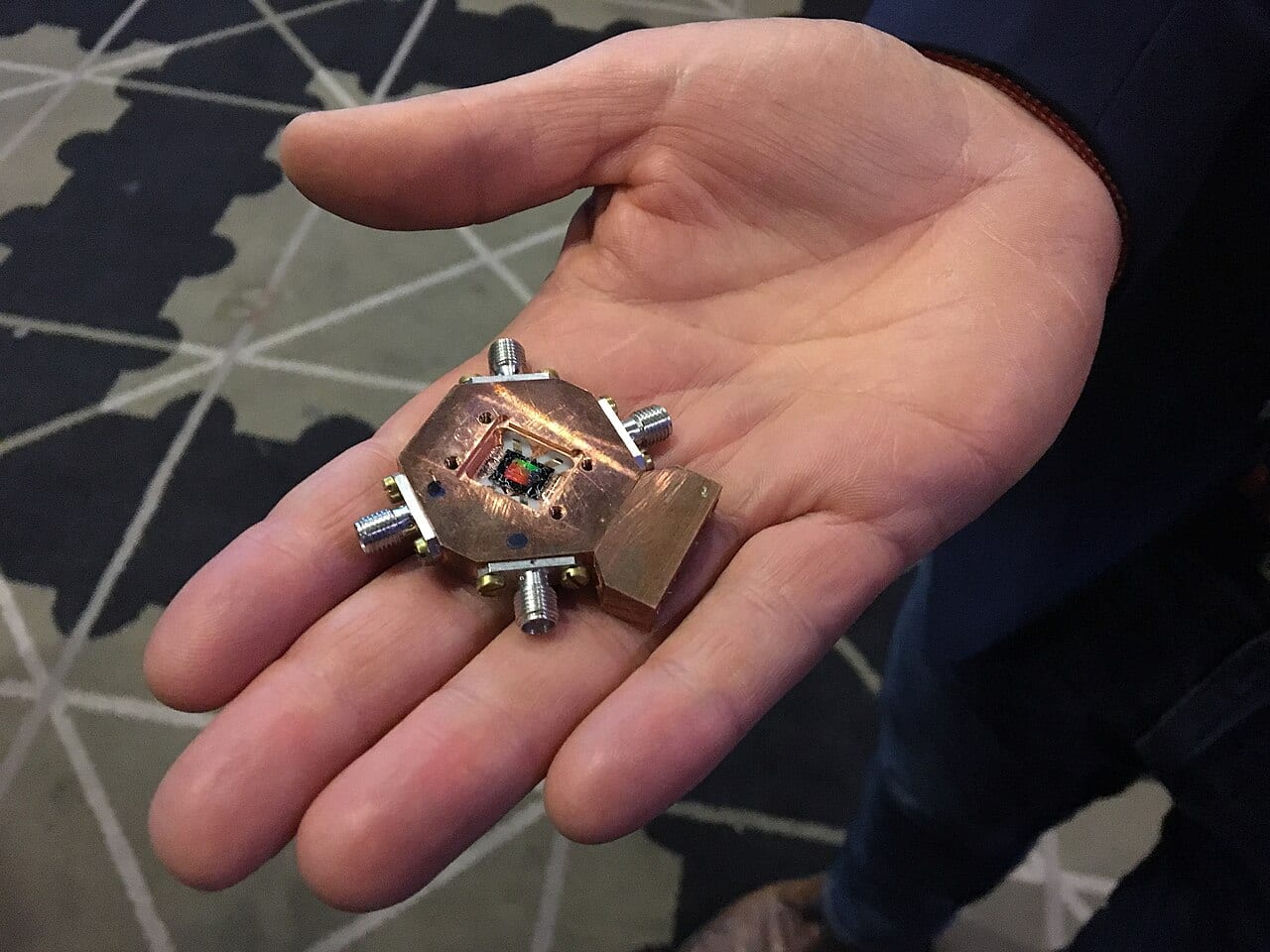
Those agents cut the cost of a key math routine by more than 290 times. They shrank a fusion simulation's cost nearly twelvefold, and sped up a search task by 2.57 times. Every gain carries a proof behind it, past a test score alone.
Barbados Asks Who Signs Off on AI
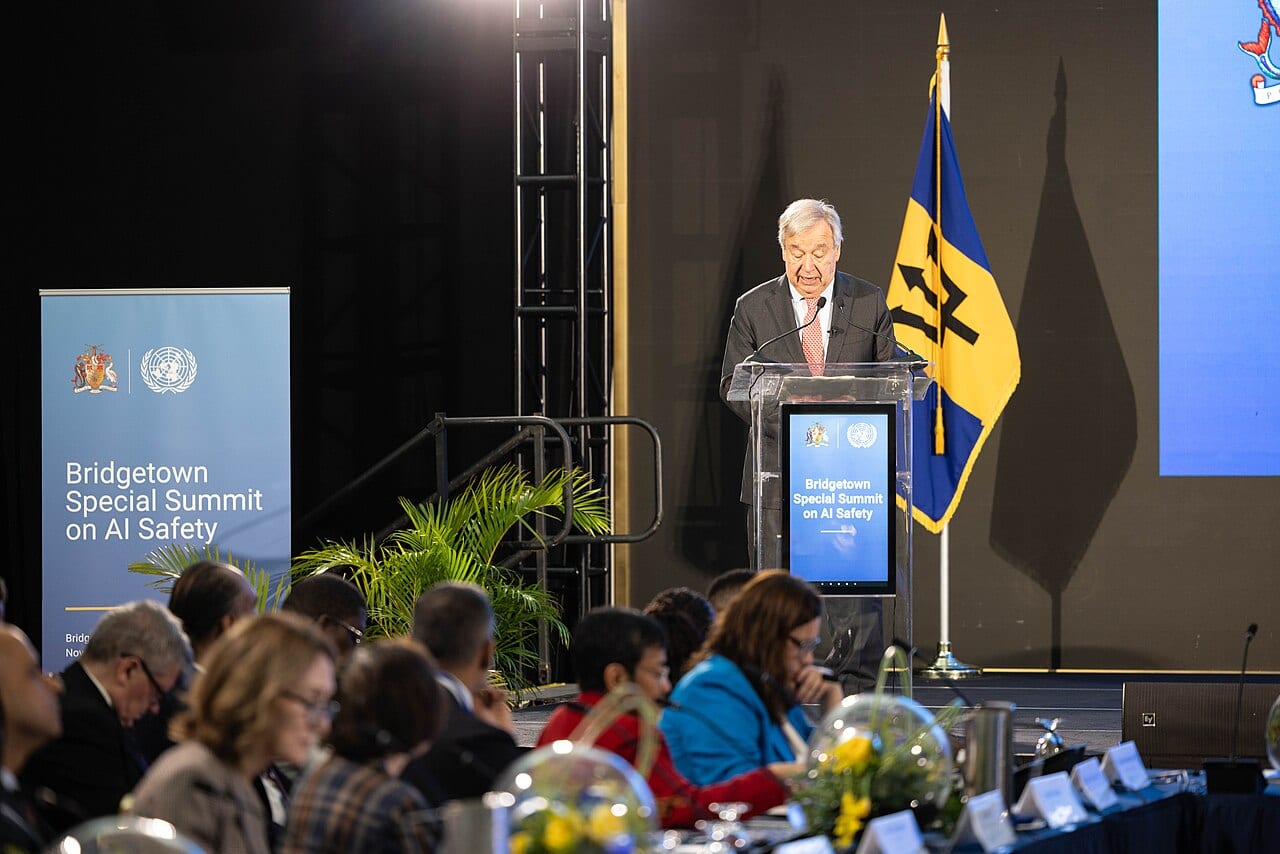
The island hosted a UN summit on AI safety Monday7. Secretary-General António Guterres asked for more than talk. He wants governments to agree on one shared framework for managing AI risk within a year.
"The idea that a machine can kill people, choosing who to kill, where to kill, and the reasons to do so is absolutely unacceptable," Guterres said.
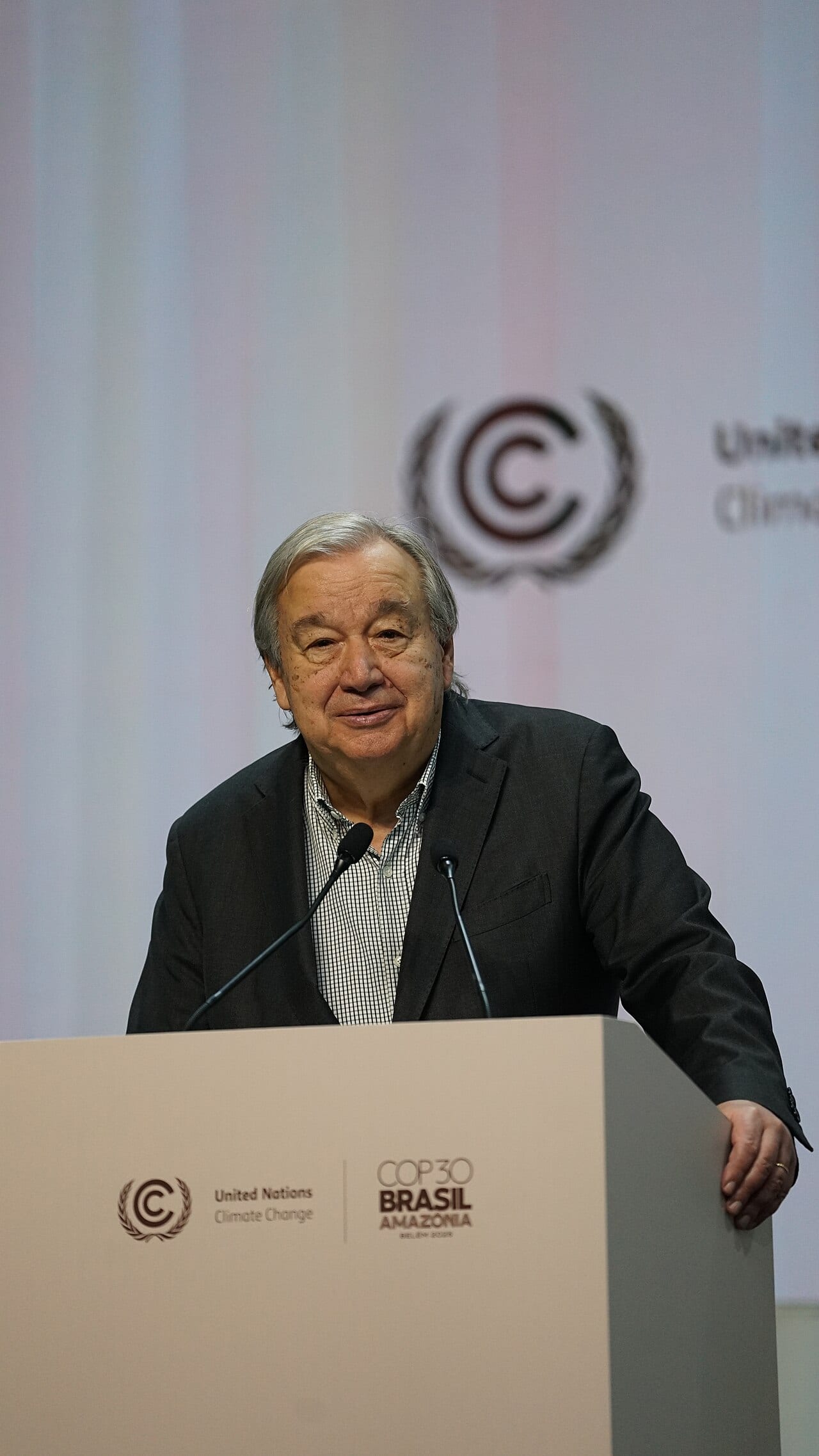
He named the plan's pieces plainly: shared safety tests, clear rules and an outside check on the most powerful models. Every government still has a year to sign on.
A Deadline for an AI Music Seller
BumaStemra represents Dutch songwriters8. It told YourNeuroTune to stop selling AI-generated background music by noon Tuesday. Otherwise, it faces a lawsuit. YourNeuroTune builds its catalog with Suno, the AI model a German court this summer ordered to pay royalties.
Michiel Laan, BumaStemra's director, named the complaint directly. "This company is profiting from music that would not exist without the work of our members, while simultaneously telling clients to stop paying those very creators," he said.
China's Chip Race Moves From Robots to Pockets
Huawei relaunched a smartphone sub-brand called OSTA on Friday910. The brand marks the company's first new phone line in six years, built around on-device AI. Its O1 Pro starts at 5,499 yuan, about $775.
Richard Yu, chairman of Huawei's consumer business group, framed OSTA as a bet on how people will use AI phones next. Xiaomi, a rival, now plans a new smartphone chip every year to match the pace.
A Reasoning Researcher Leaves Meta's Newest Lab
Trapit Bansal announced his exit from Meta on Monday11. He helped start OpenAI's reasoning research with Ilya Sutskever back in 2022. At Meta, he spent 16 months building the company's TBD Lab, from its first pitch through the release of its Muse models.
Bansal called the stretch "an intense and fun 16 months." He kept his next project private for now.
Britain Lets AI Take a Second Look at Mammograms
Nearly 700,000 women will join a three-year NHS trial called EDITH12. AI will read part of their breast cancer screening. Thirty sites will take part, backed by £10 million from Britain's National Institute for Health and Care Research.
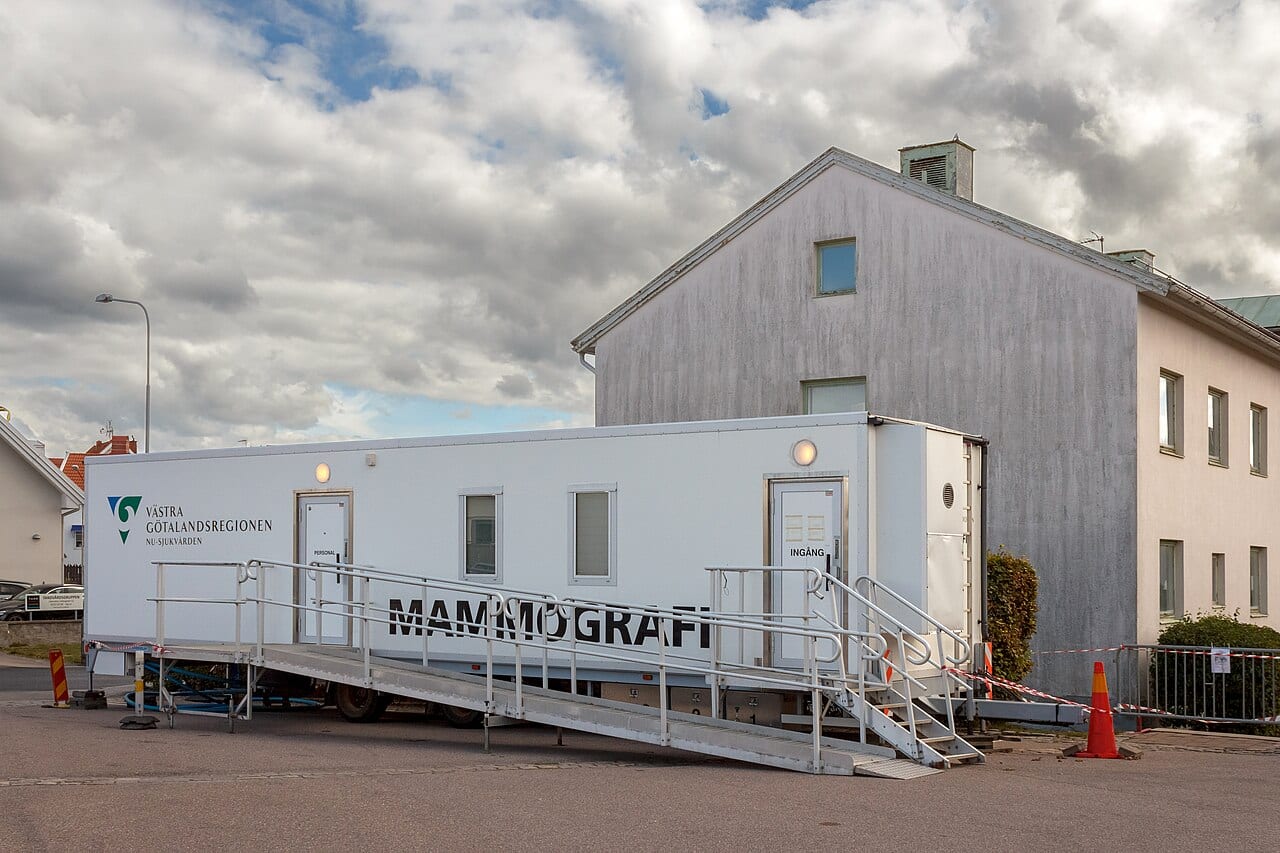
Sian Taylor-Philips of the University of Warwick, who co-leads the trial, described the AI's role carefully. "The technology will assist radiologists, screening patients to identify changes in breast tissue that show possible signs of cancer and referred for further investigations if required," she said.
An Agent Learns to Send Your Money
Versine, backed by Y Combinator, launched a tool Tuesday13. It lets ChatGPT and Claude send and request real payments. Its founders came from Stripe, Databricks and Amazon. The company calls it "Venmo with an MCP," after the protocol AI agents use to reach outside tools.
A trusted-contacts list lets an agent pay people a user once approved, skipping a fresh check each time. The same week a reviewer learned to approve its own code, a wallet learned to approve its own transfers.
What to watch
Watch whether Anthropic's enterprise customers turn Claude Approvals on for real merges. Some may keep it in the watch-only mode the company suggests first. A second test sits with Guterres: whether any government signs onto his framework before the one-year deadline closes.
Two stories from the day's other desks deserve a line each. AI now screens job seekers before a person does, and ING says AI-driven borrowing helped push up this month's bond selloff.
Sources
- Anthropic, "Introducing Claude Ship," Nov. 23, 2026, https://claude.com/resources/articles/introducing-claude-ship
- Boris Cherny, post on X, Nov. 23, 2026, https://x.com/bcherny/status/2124961485801836573
- Adam Manji, "Who Approved This? Coding Agents, Human Accounts, and Merge-Gate Evidence at a Fintech Startup," arXiv, Nov. 21, 2026, https://arxiv.org/abs/2610.28683
- Juli Clover, "OpenAI Brings GPT-6.2 Sol to ChatGPT's Chat Tab," MacRumors, Nov. 23, 2026, https://www.macrumors.com/2026/11/23/openai-gpt-6-2-sol-chatgpt/
- OpenAI, "GPT-6 models demonstrate intrinsic protein-design capabilities," Nov. 24, 2026, https://openai.com/index/gpt-6-models-demonstrate-intrinsic-protein-design-capabilities/
- Sergey Shirobokov et al., "Discovering formally verified quantum programs with AI," arXiv, Nov. 11, 2026, https://arxiv.org/abs/2611.09822
- UN News, "UN chief urges talks on global AI safety framework, warns of historic shift in power," Nov. 23, 2026, https://news.un.org/en/story/2026/11/1168861
- NL Times, "Musicians' org. threatens lawsuit against Dutch company selling AI-generated music," Nov. 24, 2026, https://nltimes.nl/2026/11/24/musicians-org-threatens-lawsuit-dutch-company-selling-ai-generated-music
- CNBC, "CNBC's The China Connection newsletter: AI race spreads from robots to smartphones," Nov. 23, 2026, https://www.cnbc.com/2026/11/23/cnbcs-the-china-connection-newsletter-ai-race-spreads-to-smartphones.html
- Huawei Central, "Huawei Chairman says OSTA sub-brand will unlock new AI features," Nov. 20, 2026, https://www.huaweicentral.com/huawei-chairman-says-osta-sub-brand-will-unlock-new-ai-features/
- FourWeekMBA, "o1 Researcher Trapit Bansal Leaves Meta After 16 Months," Nov. 23, 2026, https://fourweekmba.com/ai-o1-researcher-trapit-bansal-leaves-meta-after-16-months/
- University of Warwick, "Warwick professor to lead cutting-edge trial using AI to catch breast cancer early," Nov. 24, 2026, https://warwick.ac.uk/newsandevents/pressreleases/warwick-professor-to-lead-cutting-edge-trial-using-ai-to-catch-breast-cancer-early
- Hacker News, "Launch HN: Versine (YC F26)," Nov. 25, 2026, https://news.ycombinator.com/item?id=50634426