OpenAI launched ChatGPT Wallet on Nov. 13, 2026, built with American Express, Mastercard and Visa1. The wallet lets a dot, OpenAI's name for a personal AI agent, shop with your credit card. You approve each purchase by face or fingerprint. ChatGPT's launch post on X promised purchases "with your approval"9.
Your approval releases a payment token, a substitute card number that hides yours from the store and the dot1. It also gives your bank a record that you authorized the purchase. The record can move an agent's mistake outside the $50 federal fraud cap. Read every approval screen before you press, and keep company cards out of the wallet until American Express and OpenAI publish terms.
ChatGPT@ChatGPTNow your dot can securely complete purchases on your behalf—with your approval.
With ChatGPT Wallet, agents pay without access to your actual card details. Every purchase requires a security check.
ChatGPT Wallet is rolling out starting today to dots, for Pro subscribers in the… pic.twitter.com/EhtEZNaKnt
The $50 Cap Turns on Authority
Regulation Z, a U.S. federal regulation in force, caps a cardholder's loss from unauthorized use at $503. The rule binds credit card issuers.
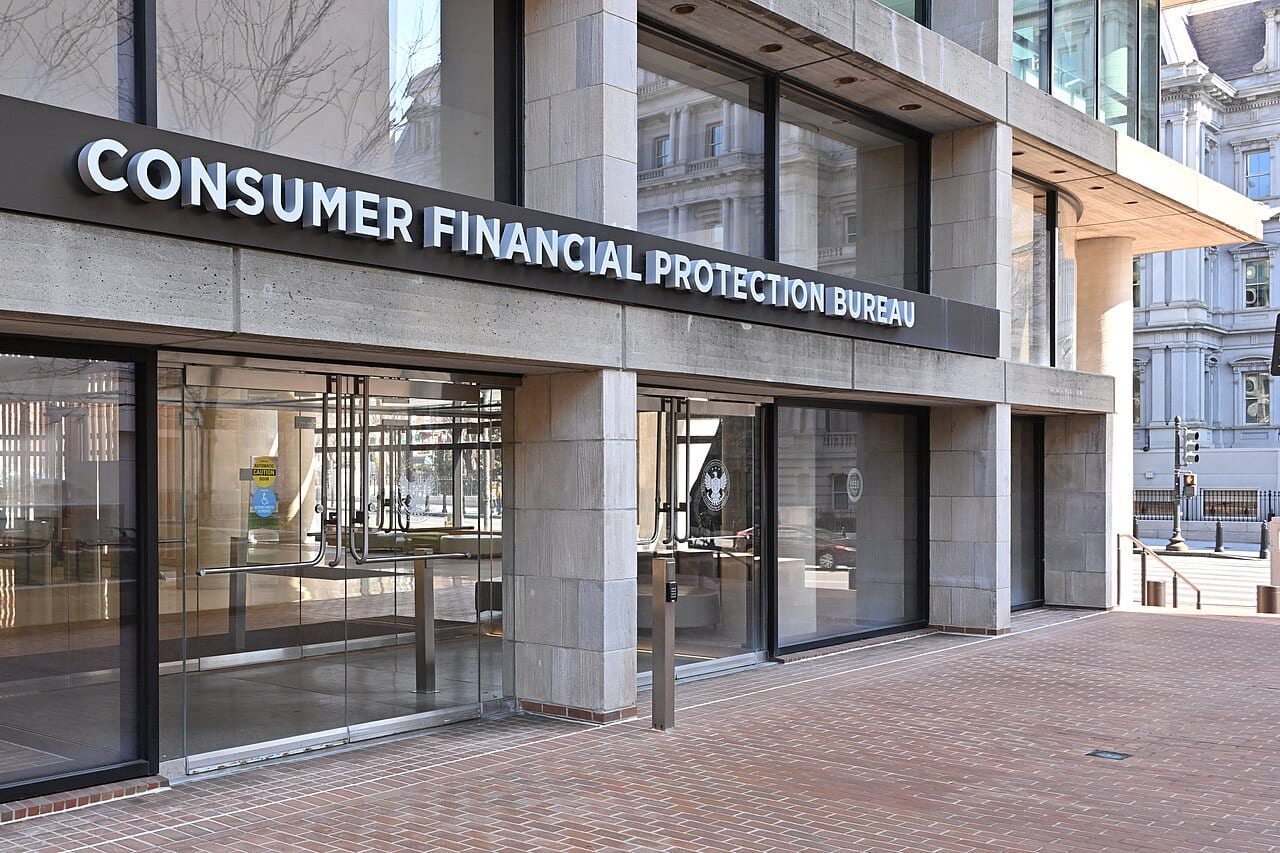
Who counts as unauthorized? The Consumer Financial Protection Bureau's posted definition covers use of a credit card "by a person, other than the cardholder, who does not have actual, implied, or apparent authority for such use, and from which the cardholder receives no benefit"3.
Put plainly, the cap protects you from a person acting outside your authority. ChatGPT Wallet builds the opposite record. "Each approval creates a clear record of the purchase the user authorized the agent to make," OpenAI's announcement says1. OpenAI chose the word authorized, and the cap turns on it.
The Cloud Security Alliance, a security industry group, asked how that record fares in a dispute4. "A dispute claiming 'I did not authorize this' will be hard to sustain when the authorization record shows a Face ID approval of the exact cart," its research note says.
ChatGPT Wallet's Fine Print Points to the Store
OpenAI's merchant guide tells stores what follows the sale: "Your business handles the order, fulfillment, customer support, and fraud decisions"2.
The wallet's terms say OpenAI "does not decide or fund merchant refunds or card chargebacks," as quoted by Flavio Copes, a developer and coding teacher7. OpenAI's one example of a covered dispute is "when an item is defective," a store's error1. The announcement stays silent on an agent's error.
Chaya Nayak leads product for monetization and payments at OpenAI. "Really, who we are speaking to here is the networks and the merchants," Nayak said8. Nayak's sentence names two audiences and leaves the cardholder out.
OpenAI takes $0 of each sale at launch and has yet to name one store that accepts the wallet811. Ai Lately's Nov. 15 piece, OpenAI Trusts Its Agents With Your Wallet, left open who pays for an agent's mistake.

The Case That Your Card Still Covers You
Luke Gebb is executive vice president and global head of innovation at American Express5. He named the gap himself in April. "If the merchant has made no error and the cardmember has made no error, but the agent has made the error, that's a new paradigm in agentic commerce today and one that has not been figured out — how to deal with that," Gebb said.
American Express then offered its answer5. "If we've accepted an agent to come in and register, and our consumer — let's say our cardmember — wants to use that agent and has a certified intent with that agent, and that agent goes and buys and they commit an error, we're covering that," Gebb said.

His promise carries two conditions: a registered agent and a certified intent. American Express put it in writing on April 14, 2026, saying it "will protect eligible customers from charges related to AI agent error"6. The release's footnote reads "Terms and conditions will apply."
ChatGPT Wallet launched 213 days later, on Nov. 13, 20261. Gebb called it the "first American Express Agentic Commerce Experiences integration"10. OpenAI is on its second try at agent checkout: Instant Checkout ran from Sept. 29, 2025 to March 20264.
ChatGPT Wallet Launches 213 Days After American Express Pledged to Cover Agent Errors
Four dated events in agent checkout at OpenAI and American Express, Sept. 29, 2025 to Nov. 13, 2026
Each pin marks one dated event, the rail spaces the pins by the real time between them, and the magenta pin is the American Express pledge.
Sources: OpenAI [1]; Cloud Security Alliance [4]; Business Wire [6]. Chart by Ryan Elliott Dennis.
The numbers behind this chart
| Date | Event |
|---|---|
| Sept. 2025 | Instant Checkout opens. OpenAI's first agent checkout opens Sept. 29, 2025 and keeps the sale inside ChatGPT |
| March 2026 | Checkout closes. OpenAI shuts it down in March 2026 |
| April 14, 2026 | American Express pledges. American Express says it will cover a registered agent's errors, with terms still to come |
| Nov. 13, 2026 | ChatGPT Wallet launches. The wallet opens to Pro subscribers in the U.S., 213 days after the pledge |
Regulation Z keeps a second right alive after approval12. A charge for property or services "not delivered to the consumer or the consumer's designee as agreed" is a billing error you can dispute with your bank. The store can contest that dispute, the Cloud Security Alliance notes4.
"A web page can trick your dot into putting the wrong thing in the cart. It can't pass Face ID for you," Copes wrote7. A dot steered by a bad page still needs your face to pay.
The Case That the Mistake Stays Yours
Two days after launch, the Cloud Security Alliance published its note4. "CSA's assessment is that, absent new network rules, per-purchase confirmation is likely to push the cost of agent errors that a human approved toward the consumer and the merchant returns process, rather than toward the issuer's fraud-dispute process," the note says. The forecast holds unless the card networks write new rules.
The note maps 7 ways a wallet purchase can go wrong and rates its confidence in who pays4. Confidence runs high in 2 cases, medium in 3 and low in 2. A wrong size the buyer approved is a medium case: the consumer likely pays, eased by store returns. Prompt injection, hidden text on a product page that steers the dot to a fraudulent seller, is a low one.
The Cloud Security Alliance Is Highly Confident Who Pays in 2 of 7 Wallet Scenarios
The group's 7 scenarios for a ChatGPT Wallet purchase gone wrong, by its confidence in who pays, one cube per scenario
Each cube is one scenario: magenta cubes are the 2 where the group's confidence is high, blue cubes are the 3 at medium, and gray cubes are the 2 at low.
The ratings are the Cloud Security Alliance's own reading of public rules, and the group says they stop short of legal advice.
Source: Cloud Security Alliance [4]. Chart by Ryan Elliott Dennis.
The numbers behind this chart
| Item | Value |
|---|---|
| High confidence | 2 |
| Medium confidence | 3 |
| Low confidence | 2 |
| Whole | 7 |
Gebb's pledge has gaps, the Cloud Security Alliance adds4. American Express "has not published coverage limits or a definition of 'erroneous'" and public statements leave open whether OpenAI's dot is a registered agent. The April release opens its promise with "In the future" and lists Agent Registration under "Services in development"6.
Preapproved Buying Comes Next
OpenAI's announcement expects users "to be able to delegate purchases entirely to their agent" within limits they set, at a date left open1. The wallet's terms already let you approve each purchase "or grant ChatGPT the authority to approve each purchase in advance," Copes reports7.
The official interpretation on the Consumer Financial Protection Bureau's site covers a helper who oversteps3. A cardholder who gives a card to "a person (such as a family member or coworker) who exceeds the authority given" is liable for the charges. Liability lasts until the cardholder tells the bank to stop. The interpretation names only people as helpers.
Copes plans to wait. "When it arrives, I'd leave it off for my own money, at least until it's clear who pays when the agent buys the wrong thing inside the limits you set," Copes wrote7.
What to do
Read the approval screen each time: merchant, items, quantity, total and card7. Take a wrong item to the store first, since it controls returns and refunds.
Running a company? The Cloud Security Alliance recommends keeping corporate cards out of consumer agent wallets until policy and evidence-retention terms are settled4.
By the numbers
- $50: Regulation Z's cap on a cardholder's loss from unauthorized use3.
- 7: Wallet scenarios the Cloud Security Alliance mapped4.
- 2, 3 and 2: Scenarios the group rated high, medium and low confidence4.
- 213 days: From the American Express pledge to the wallet's launch16.
- $0: OpenAI's cut of each wallet sale at launch8.
- 18: Youngest age for a wallet user, among ChatGPT Pro subscribers in the U.S.1.
What to watch
Gebb's case needs American Express to publish terms that cover OpenAI's dot. The Cloud Security Alliance's case needs the card networks to keep today's rules. Watch for OpenAI's date for preapproved buying. A court ruling or Consumer Financial Protection Bureau guidance on agents would settle how Regulation Z reads an approved mistake.
Sources
- OpenAI, "Introducing ChatGPT Wallet," OpenAI, Nov. 13, 2026, https://openai.com/index/introducing-chatgpt-wallet/
- OpenAI, "Accept payments," OpenAI Developers, Nov. 13, 2026, https://developers.openai.com/commerce/guides/accept-payments
- Consumer Financial Protection Bureau, "12 CFR 1026.12: Special credit card provisions (Regulation Z)," Consumer Financial Protection Bureau, accessed Nov. 18, 2026, https://www.consumerfinance.gov/rules-policy/regulations/1026/12/
- Cloud Security Alliance AI Safety Initiative, "Agents at the Checkout: Loss Allocation in Frontier-Lab Payment Wallets," Cloud Security Alliance, Nov. 15, 2026, https://labs.cloudsecurityalliance.org/research/csa-research-note-agent-payment-wallet-liability-concentrati/
- Abbas Haleem, "American Express launches developer kit, purchase protection for agentic commerce," Digital Commerce 360, April 14, 2026, https://www.digitalcommerce360.com/2026/04/14/american-express-agentic-commerce-developer-kit-purchase-protection/
- American Express, "American Express Debuts Agentic Commerce Experiences (ACE) Developer Kit and Announces Industry-First Protection for Registered Agent Purchases," Business Wire, April 14, 2026, https://www.nasdaq.com/press-release/american-express-debuts-agentic-commerce-experiences-acetm-developer-kit-and
- Flavio Copes, "A deep dive into ChatGPT Wallet," flaviocopes.com, Nov. 16, 2026, https://flaviocopes.com/chatgpt-wallet/
- Ashley Capoot, "OpenAI launches ChatGPT Wallet, allowing its 'dots' AI agents to make purchases for users," CNBC, Nov. 13, 2026, https://www.cnbc.com/2026/11/13/openai-chatgpt-wallet-dot-purchases.html
- ChatGPT (@ChatGPT), post on X, Nov. 13, 2026, https://x.com/ChatGPT/status/2121283151729496235
- Anamarija Pogorelec, "ChatGPT Wallet lets agents pay without seeing your card number," Help Net Security, Nov. 13, 2026, https://www.helpnetsecurity.com/2026/11/13/openai-chatgpt-wallet/
- Beth Duckett, "OpenAI launches ChatGPT Wallet for AI purchases through retailer checkouts," Digital Commerce 360, Nov. 16, 2026, https://www.digitalcommerce360.com/2026/11/16/openai-chatgpt-wallet-for-ai-purchases-through-retailer-checkouts/
- Consumer Financial Protection Bureau, "12 CFR 1026.13: Billing error resolution (Regulation Z)," Consumer Financial Protection Bureau, accessed Nov. 18, 2026, https://www.consumerfinance.gov/rules-policy/regulations/1026/13/