
Commerce's Bureau of Industry and Security filed a new rule on Nov. 16. It takes effect Nov. 19, the day the Federal Register prints it1. Starting that day, any data center on Earth needs a U.S. export license to keep serving certain customers.
Restricted customers sit in China, Macau or a short list of other places2. The rule also names five countries that now need a license just to receive an advanced AI chip at all.
A License for Every Rented Chip
The rule works in two layers2. Layer one covers any data center, anywhere. A supplier needs a license once it crosses one threshold. The threshold is 12 million units of "total processing performance," or TPP, sent to a company in China, Macau or another restricted place.
Chris McGuire is a senior fellow at the Council on Foreign Relations. He posted that the number lands near 800 of Nvidia's H100-class chips, or roughly 200 of its newer Blackwell chips5.
Layer two names five destinations by name: Indonesia, Malaysia, Singapore, Thailand and Brazil2. Any advanced chip bound for a data center in those countries now needs its own license, reviewed case by case. One exception survives. A data center whose ultimate owner is a U.S. company skips both licenses, as long as its exporter files a monthly report.
Existing data centers get a grace period, and it runs out fast. They have 90 days from Nov. 19 to apply, landing around Feb. 17. Comments on the rule close 60 days after publication, around Jan. 1812.
Commerce Sets Three Deadlines in the 90 Days After Nov. 19
Filing, effective, comment and license dates under Commerce's remote-access chip rule
Each dot is one dated step in the rule's own clock. The accent dot is Nov. 19, the day the rule takes effect and starts the other two countdowns.
Sources: Bureau of Industry and Security [1]; Pillsbury Winthrop Shaw Pittman LLP [2]. Chart by Ryan Elliott Dennis.
The numbers behind this chart
| Date | Event |
|---|---|
| Nov. 16, 2026 | Rule filed. Commerce files the interim final rule |
| Nov. 19, 2026 | Rule takes effect. Federal Register publication starts every other clock |
| Jan. 18, 2027 | Comments close. 60 days after publication |
| Feb. 17, 2027 | License deadline. 90-day window for data centers already serving qualifying volume |
Why These Five Countries
Four of the five named countries sit in Southeast Asia. Geography explains the list better than any alphabet would. About 75 percent of the AI computing power China rents abroad sits in Southeast Asia, by one forecast. The Institute for Progress made that October estimate for the end of this year6.
Southeast Asia Holds 75 Percent of China's Rented AI Compute
Forecast share of China's overseas AI computing power sitting in Southeast Asia by the end of 2026, per the Institute for Progress
The 75 percent figure is an October 2026 forecast for the full year, ahead of any final count.
Source: CNBC [6]. Chart by Ryan Elliott Dennis.
The numbers behind this chart
| Item | Value |
|---|---|
| Southeast Asia (estimate) | 75% |
| Everywhere else (estimate) | 25% |
| Whole | 100% |
Singapore ranks as the world's second-biggest buyer of AI chips this year. Malaysia ranks fourth and Thailand fifth, by McGuire's own count5.

Megaspeed sits behind the timing. The Singapore-based cloud firm has sat under a joint Commerce and Justice investigation since 2024. Investigators are examining whether it funneled Nvidia chips to China7. The chipmaker blacklisted Megaspeed from new orders last year.
Jensen Huang resigned as Nvidia's chief executive last week. Reports tied him to a Megaspeed executive under suspicion of working for Chinese intelligence.
Commerce's own cover page admits where the text came from. It says the rule was drafted "by and at the direction of the Department of Treasury and the National Security Council"1. McGuire called that line remarkable, since every earlier BIS rule he could recall began inside the agency itself5. Pressure from the White House moved this one, ahead of any routine agency schedule.
Why Moolenaar Backs the Rule
John Moolenaar, who chairs the House Select Committee on China, backs the rule in full3. He had already pushed Commerce in August, wanting tighter enforcement of its existing chip rules. By November, Commerce delivered a broader fix than he had asked for.

"This new rule is an important step in keeping chips out of ill-intentioned hands, strengthens our national security laws, and will help protect America's lead in the AI race," Moolenaar said3. He framed the rule as overdue discipline, owed to the system for years. "This rule sends a message to the CCP that America is serious about closing dangerous export control loopholes China has been exploiting for years," he said.
Moolenaar's case rests on where the chips actually went, more than where Commerce drew new lines. Four of the five newly named countries already rank among the world's top ten AI chip importers this year5. A rule that reaches the biggest buyers reaches the biggest risk, on his reading.
The Gap the Rule Leaves Open
Chris McGuire read the same rule and found a hole in it within hours. He posted a line-by-line breakdown on X the day Commerce filed it. "Chinese companies can legally train on large numbers of Blackwells at data centers in Northern Virginia," McGuire wrote5.
Chris McGuire@ChrisRMcGuireNEW: The Department of Commerce just published new AI and semiconductor export control regulations that close some major loopholes in existing export controls. The regulation includes new rules to: (1) counter Chinese smuggling of AI chips; (2) restrict Chinese companies from…
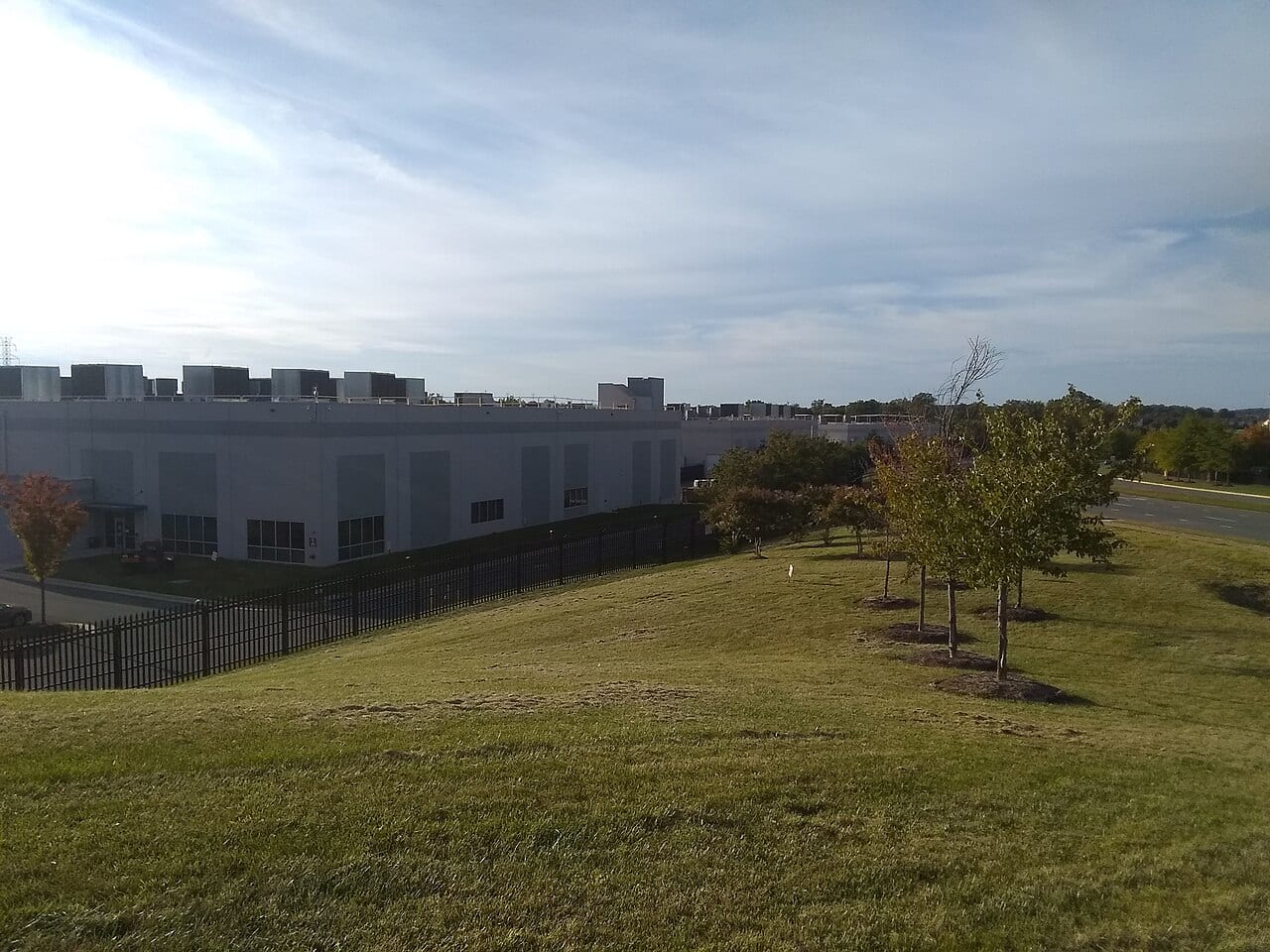
The rule's license trigger only reaches data centers outside the United States. A server hall in Ashburn or Loudoun County sits completely outside it. McGuire called the fix straightforward. "This gap should be closed immediately with a new rule that uses Commerce's US persons authority to capture this activity," he wrote5.
Jennifer Lind, an associate professor of government at Dartmouth College, reads the five-country list the way Commerce itself frames it. "The administration wants to encourage Malaysia and Singapore to remain in the American AI ecosystem, but it doesn't want them to become conduits through which Chinese firms can obtain advanced chips—or remotely access the computing power those chips provide," Lind said4.
Hanna Dohmen, a senior research analyst at Georgetown's Center for Security and Emerging Technology, expects friction either way. "The regulatory path in Washington is going to be harder and bumpier," Dohmen told Fortune before the rule's release4. Commerce has yet to file a domestic rule. The AI Overwatch Act, which McGuire says would widen the agency's reach, still sits in Congress5.
What to Do
Check your own vendor list first. A company might rent cloud compute from a data center in Indonesia, Malaysia, Singapore, Thailand or Brazil. It should confirm its provider has a license path before Nov. 19.
Start the paperwork early if your own data center already serves a customer based in China or Macau. The 90-day clock to Feb. 17 moves fast once more than one agency has to sign off.
Watch Virginia anyway. McGuire and Commerce's own rule both point toward a second filing aimed at American soil. A compliance plan built only around five named countries will need a rewrite later.
By the numbers
- 12 million TPP: the compute threshold that triggers a license, about 800 Nvidia H100-class chips by Chris McGuire's count5.
- Five countries: Indonesia, Malaysia, Singapore, Thailand and Brazil now need a license for incoming advanced chips2.
- 90 days: the window existing data centers get to apply, running to roughly Feb. 1712.
- 75 percent: Southeast Asia's forecast share of China's rented AI compute abroad by the end of this year6.
- $374,474: the top civil penalty for one export violation, or twice the transaction's value, whichever runs higher8.
- 100,000 chips: the size of the Oracle-Tencent lease Oracle canceled under U.S. pressure in early November6.
- Second-ranked: Singapore is the world's second-biggest AI chip importer this year; Malaysia ranks fourth and Thailand fifth5.
- 0.2 points: the possible hit to Malaysia's GDP growth forecast through 2028, by one analyst's estimate6.
What to watch
Watch whether Commerce files a second rule for American soil, the gap McGuire flagged within hours of the first one5. Beijing has promised countermeasures of its own, though its commerce ministry has yet to name a specific target. A 90-day compliance season that reports zero diversion cases would answer Dohmen's warning better than any press release could4.
Sources
- Bureau of Industry and Security, "BIS Issues Rule Addressing Remote Access to American Super Intelligence Technology," Nov. 16, 2026, https://www.bis.gov/press-release/bis-issues-rule-addressing-remote-access-american-super-intelligence-technology
- Nancy A. Fischer, "Closing the Cloud Loophole: Commerce Issues Interim Final Rule Restricting Remote Access to Advanced Chips," Pillsbury Winthrop Shaw Pittman LLP, Nov. 17, 2026, https://www.pillsburylaw.com/en/news-and-insights/commerce-restricts-remote-access-advanced-chips.html
- John Moolenaar, "Commerce Rule Closes Loophole China Was Exploiting to Access America's Most Advanced Semiconductors," Select Committee on China, Nov. 16, 2026, https://chinaselectcommittee.house.gov/media/press-releases/commerce-rule-closes-loophole-china-was-exploiting-to-access-america-s-most-advanced-semiconductors
- Nicholas Gordon, "The Nvidia scandal fuels tougher China chip rules as Commerce targets Singapore and Malaysia," Fortune, Nov. 16, 2026, https://fortune.com/2026/11/16/new-commerce-rule-nvidia-chip-singapore-malaysia-china/
- Chris McGuire, post on X, Nov. 16, 2026, https://x.com/ChrisRMcGuire/status/2122340547578761513
- Anniek Bao, "Southeast Asia's data center boom leaned on Chinese demand. New U.S. rules put that pipeline at risk," CNBC, Nov. 18, 2026, https://www.cnbc.com/2026/11/18/nvidia-us-ai-chip-export-controls-data-centers-.html
- Lim Hui Jie, "U.S. agencies say they initiated investigation into Nvidia partner Megaspeed in 2024," CNBC, Nov. 17, 2026, https://www.cnbc.com/2026/11/17/megaspeed-investigation-nvidia-jensen-huang.html
- Bureau of Industry and Security, "Penalties," Jan. 15, 2025, https://www.bis.gov/enforcement/penalties