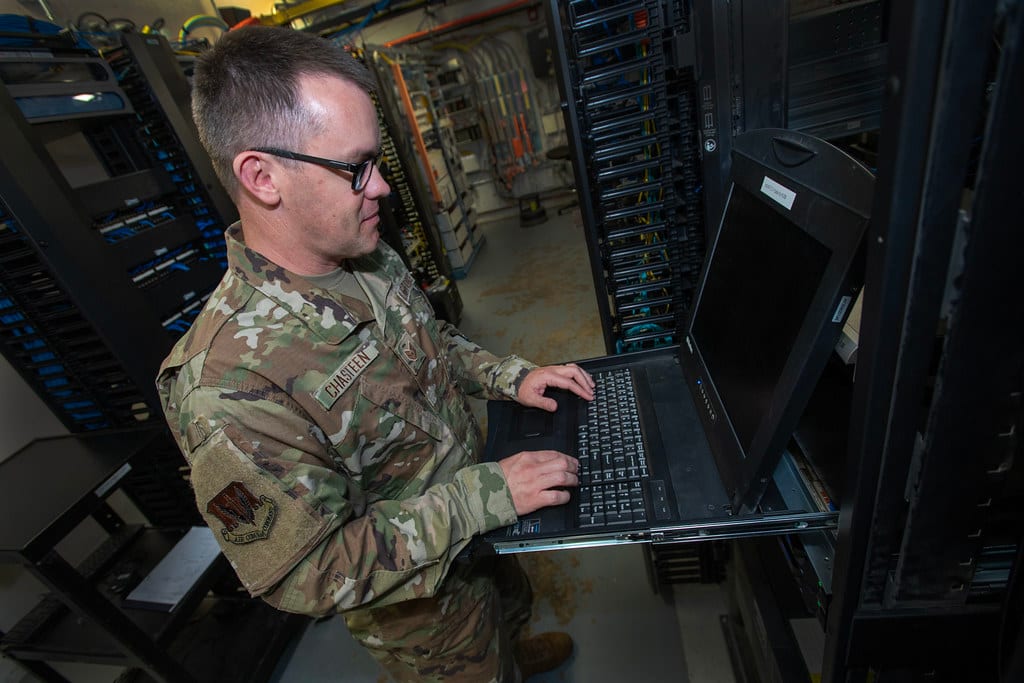
CoreWeave reported third-quarter results on Nov. 10, 20261. The company is a neocloud: it borrows money to buy Nvidia chips, then rents the computing power to AI labs. Interest expense is what it pays lenders for that money, after any interest income nets out.
Interest on that debt hit $846 million for the quarter. That is 173 percent more than a year earlier1. Revenue also jumped, to $3.66 billion, up 168 percent.
For the second straight quarter, interest grew faster than sales. The gap has narrowed. It still remains.
The Bill Beat the Guess, Barely
CoreWeave's finance chief, Nitin Agrawal, set expectations in August. "Q3 interest expense is expected to be in the range of $860 million to $940 million reflecting the growth in our debt balance to finance our accelerating deployments," he told analysts on the second-quarter call2.
The real number came in under that range1. Interest expense landed at $846 million, $14 million below Agrawal's own floor.
That beat followed a steep climb. Second-quarter interest was $640 million, 2.4 times the $267 million CoreWeave paid a year before3.
CoreWeave's quarterly interest bill nearly triples in a year, to $846 million
Net interest expense by quarter, CoreWeave earnings releases, Q3 2025 through the guided Q4 2026
Each bar is one quarter's net interest expense; the last bar is lighter and marked est. because CoreWeave has yet to report it.
The Q4 2026 bar is an estimate: the midpoint of CoreWeave's own guided range, apart from a reported result.
Sources: SEC EDGAR [1]; SEC EDGAR [3]. Chart by Ryan Elliott Dennis.
The numbers behind this chart
| Item | Value | Note |
|---|---|---|
| Q3 2025 | $310M | |
| Q2 2026 | $640M | |
| Q3 2026 | $846M | |
| Q4 2026 (estimate) | $1,100M | Midpoint of CoreWeave's $1.05B-$1.15B guide |
The climb keeps going. Agrawal's new guide for the fourth quarter runs from $1.05 billion to $1.15 billion, a midpoint 30 percent above what CoreWeave just paid1. Executives rarely guide that high unless they expect to need it.
Why the Gap Still Matters
Call it a scoreboard, tracked quarter by quarter. In the first quarter, revenue rose 112 percent. Interest rose only 103 percent. Sales were still ahead14.
The second quarter flipped that order. Revenue again rose 112 percent. Interest jumped 140 percent, a 28-point gap13. By the third quarter, that gap had shrunk to just five points.
CoreWeave buys most of its gear with floating-rate loans. Rates move, and so does the bill.
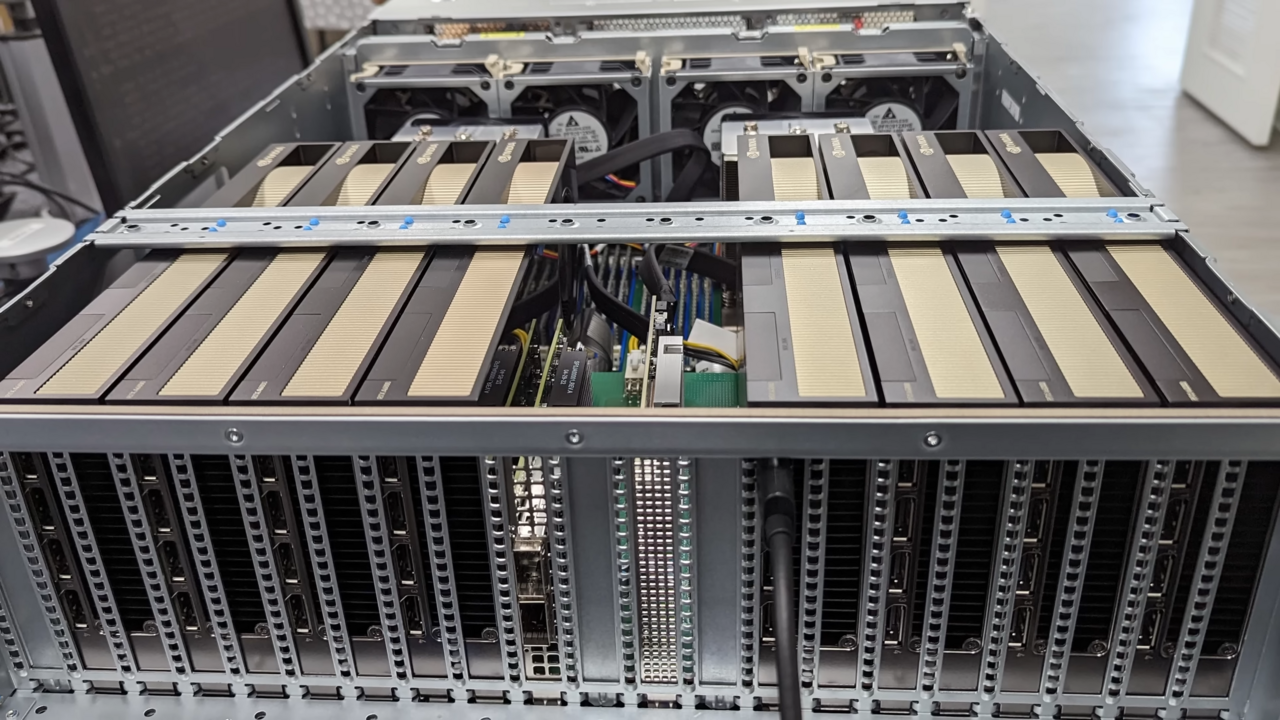
The company's own filings put a number on that risk. A one-point move in interest rates would shift CoreWeave's quarterly interest expense by about $41 million, its September filing shows. That is up from $30 million in its June filing67.
CoreWeave's interest growth closes a 28-point gap with revenue to just 5 points
Year-over-year growth rate, revenue versus net interest expense, by quarter, CoreWeave earnings releases
Each line follows one measure's year-over-year growth rate by quarter; where the interest line sits above the revenue line, interest grew faster than sales that quarter.
Growth rates compare each quarter with the same quarter a year earlier, from CoreWeave's own reported figures.
Sources: SEC EDGAR [1]; SEC EDGAR [3]; SEC EDGAR [4]. Chart by Ryan Elliott Dennis.
The numbers behind this chart
| Period | Revenue growth | Interest expense growth |
|---|---|---|
| Q1 2026 | 112% | 103% |
| Q2 2026 | 112% | 140% |
| Q3 2026 | 168% | 173% |
Debt grew faster than either number. Total debt reached $46.9 billion at the end of September, a 34 percent jump from $35.1 billion in June13.
Capital spending is climbing just as fast. CoreWeave raised its full-year capex guide to $37 billion to $39 billion1.
The Case for Riding It Out
CoreWeave's chief executive, Michael Intrator, argues the real risk is smaller than the bond market's yield suggests.
"Looking ahead, we will not use the unsecured debt market to fund our business at current yields," Intrator told analysts on the Nov. 10 call8.
He has a number behind that line. CoreWeave's blended cost of debt fell to 7.9 percent in the third quarter, down 250 basis points from a year earlier8. The company got there by shifting new borrowing toward secured, asset-backed loans instead of the open bond market. Secured loans let a lender claim specific chips if CoreWeave ever defaults, so they cost less than unsecured debt.
CoreWeave's secured loans lean on customer cash instead of public bond buyers. "The contracted cash flow from our existing customer commitments to be sufficient to service and repay the debt we have outstanding today as well as any additional debt we expect to raise to deliver these contracts," Agrawal said on the same call8.
Intrator pointed to a second cushion. CoreWeave expects to collect about $9 billion in prepayments and deposits over the next three months8. It has already retired more than $4 billion in past debt the same way.
Asked on CNBC why CoreWeave skips buying back its own bonds, yielding near 15 percent, Intrator gave a short answer.
Wall St Engine@wallstengineCoreWeave $CRWV CEO Michael Intrator, asked on CNBC why it isn't buying back bonds yielding ~15%, said:
"I can deploy the capital at a higher rate of return."
Jim Cramer pressed whether it can really earn over 16%.
Intrator also said he canceled his 10b5-1 stock trading plan.
"I can deploy the capital at a higher rate of return," Intrator said, in the exchange Wall St Engine posted from the interview11.
The Case Against Trusting the Spread
Bond investors still doubt the calm. A bond's yield rises as its price falls, so a high yield means sellers are trading it at a discount. CoreWeave's unsecured notes due 2032 carry a 9.625 percent coupon, and now trade at a yield above 16 percent9.

MoffettNathanson analyst Nick Del Deo flagged the mismatch the night before CoreWeave's earnings call. "Their unsecured parent company debt is yielding approximately 16%. It's pretty uncommon to see a company with debt yielding at that level in the market, but also have a 30 billion or so market cap. One of those two things is wrong," Del Deo said on CNBC's Closing Bell Overtime10.
Jefferies global equity strategist Christopher Wood frames the worry across the whole sector. "The most plausible way the AI capex arms race will end is that the credit card will be taken away," Wood wrote9.
Treasury's own borrowing costs cut the other way lately. The 10-year yield reached 5.17 percent in late September, then eased to 4.99 percent by Nov. 111213.
CoreWeave's bond yield held near 16 percent instead, pricing CoreWeave's own risk separate from interest rates broadly.
The two camps read the same facts differently. Intrator's secured loans and customer prepayments look solid inside CoreWeave's own numbers. Del Deo's 16 percent yield says the open market still doubts the company can keep raising billions once that cushion runs out.
What to Do
Watch which debt market CoreWeave actually uses next, more than the headline interest number. A return to unsecured bonds would answer Del Deo's question one way. Another quarter funded by secured loans and prepayments would answer it the other way.
Investors holding CoreWeave's bonds or stock should track the gap between guided and actual interest expense each quarter. A guide that keeps landing high, the way August's did, points to a debt load outrunning what management expected months earlier.
By the numbers
- Interest expense in the third quarter: $846 million, up 173 percent from $310 million a year earlier1.
- Revenue in the third quarter: $3.66 billion, up 168 percent from $1.37 billion a year earlier1.
- Fourth-quarter interest guide: $1.05 billion to $1.15 billion, 30 percent above the third quarter's actual bill1.
- Total debt: $46.9 billion at the end of September, up 34 percent from $35.1 billion in June13.
- Full-year capital spending guide: $37 billion to $39 billion1.
- Rate sensitivity: a one-point move in interest rates now shifts quarterly interest expense by about $41 million. That is up from $30 million three months earlier67.
- CoreWeave's unsecured 2032 bond: a 9.625 percent coupon, trading at a yield above 16 percent9.
- Revenue backlog: about $133 billion, up 138 percent from a year earlier8.
What to Watch
Fourth-quarter results are due in February 2027. The real interest number comes next against Agrawal's $1.05 billion to $1.15 billion guide. It will say whether the third quarter's beat was a pattern or a one-time gift.
Watch CoreWeave's bond yield too. Its yield dropping toward the 9.625 percent coupon would mean the market believes Intrator. A yield stuck near 16 percent means Del Deo's puzzle stays open.
Sources
- CoreWeave, Inc., "CoreWeave Reports Strong Third Quarter 2026 Results," SEC EDGAR, Nov. 10, 2026.
- The Motley Fool, "CoreWeave (CRWV) Q2 2026 Earnings Call Transcript," Aug. 18, 2026.
- CoreWeave, Inc., "CoreWeave Reports Strong Second Quarter 2026 Results," SEC EDGAR, Aug. 11, 2026.
- CoreWeave, Inc., "CoreWeave Reports Strong First Quarter 2026 Results," SEC EDGAR, May 7, 2026.
- CoreWeave, Inc., "CoreWeave Reports Strong Fourth Quarter and Fiscal Year 2025 Results," SEC EDGAR, Feb. 26, 2026.
- CoreWeave, Inc., Form 10-Q for the quarterly period ended Sept. 30, 2026, SEC EDGAR, Nov. 12, 2026.
- CoreWeave, Inc., Form 10-Q for the quarterly period ended June 30, 2026, SEC EDGAR, Aug. 11, 2026.
- The Motley Fool, "CoreWeave (CRWV) Q3 2026 Earnings Call Transcript," Nov. 10, 2026.
- Deena Zaidi, "The AI 'credit card' is getting costlier as CoreWeave bond yield tops 16%," CNBC, Nov. 6, 2026.
- Michael Douglass, "CoreWeave Debt Yields 16% on a $30 Billion Stock. 'One of Those Two Things Is Wrong,'" tikr.com, Nov. 10, 2026.
- Wall St Engine (@wallstengine), "CoreWeave CEO says he can beat 15% bond yields with new capital deployment," X, Nov. 11, 2026.
- Aditya Raghunath, "CoreWeave Stock Rising As Treasury Yields Push Up AI Debt Costs," tikr.com, Sept. 29, 2026.
- Saxo Strategy Team, "Market Quick Take - US Treasury yields rip higher," Saxo Bank, Nov. 11, 2026.