

Epoch AI posted a report on Sept. 22, 2026. It measured something new: the price of one fixed score on a test, separate from any model's sticker price1.
The finding is sharp. Luke Emberson and David Roodman wrote the report. They found that the price of a fixed AI score fell about 47 percent every quarter since 2023. That works out to 13 times cheaper a year1.
Every reader with an AI bill wants one answer. Does a falling price cut what you actually pay? The record splits into two honest readings, and both rest on real numbers.
What Epoch Actually Priced
A benchmark is a fixed test every AI model can take, scored the same way each time. Epoch picked five of them. They span math, science and games. Epoch then tracked the cheapest model able to hit a set score on each one1.
That is the trick. Epoch skipped one model's price over time. It tracked something else: the price of a result. The winning model could change every few months1.
GPQA Diamond, a graduate-level science exam, shows the swing best. Epoch's report dates a model called o3 to Jan. 31, 2025, scoring 75 percent for about 30 cents a question1.
OpenAI's own release history lists o3-mini going out broadly on that date. The full o3 model followed in April 2025. Epoch's date may point to the smaller model instead5. Under 18 months later, Epoch found a newer model, GPT-5.6 Luna, matching that score for four hundredths of a penny a question.
Emberson and Roodman flag their own limits. They warn that a company "may be expressly training their models for some benchmarks ('benchmaxxing'), so that improvement on the benchmarks outstrips improvement for real-world tasks"1. Their price curve also assumes a buyer who switches models constantly to chase the cheapest option, which few teams actually do. Three years of data sits behind the whole estimate.
Four Older Technologies, Left Behind
Epoch lined its curve up against four technologies with their own long price histories. AI's price fell four times faster than DNA sequencing's and six times faster than computing's under Moore's Law1.
It fell 18 times faster than lithium-ion batteries' price, and 54 times faster than electricity's price between 1892 and 1973. That leaves 53 percent of the prior quarter's price in place every three months. Each of the four older technologies fell short of that pace.
AI's Price Fell Up to 54 Times Faster Than Electricity Once Did
How many times faster a fixed AI result's price fell than each older technology's own best stretch, per Epoch AI
Each bar is how many times faster AI's price fell since 2023 than that technology's price fell in its own fastest years; a longer bar means a bigger gap.
Source: Epoch AI [1]. Chart by Kelly Dennis.
The numbers behind this chart
| Item | Value |
|---|---|
| Electricity (1892 to 1973) | 54× |
| Lithium-ion batteries | 18× |
| Computing (Moore's Law) | 6× |
| DNA sequencing | 4× |
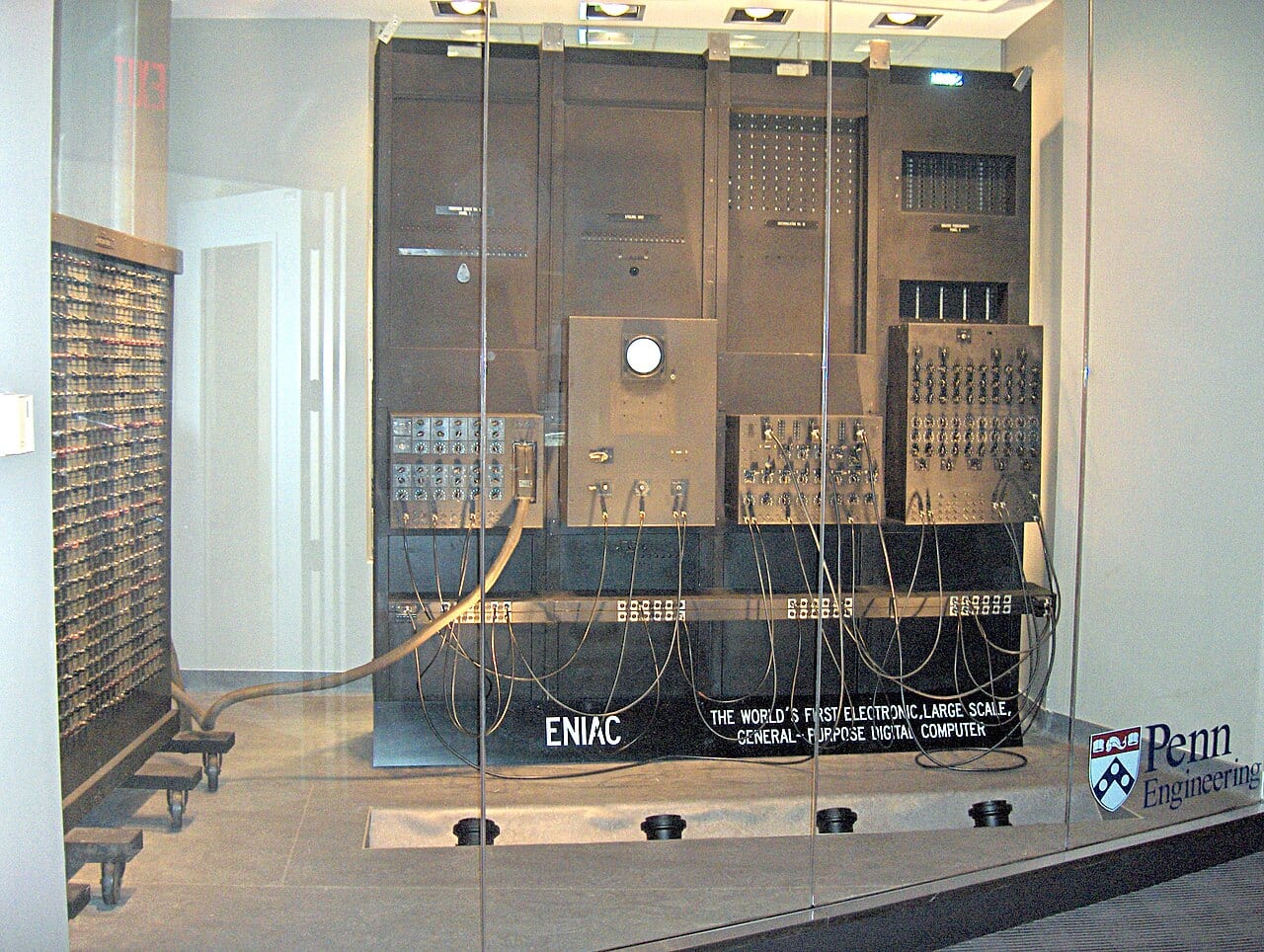
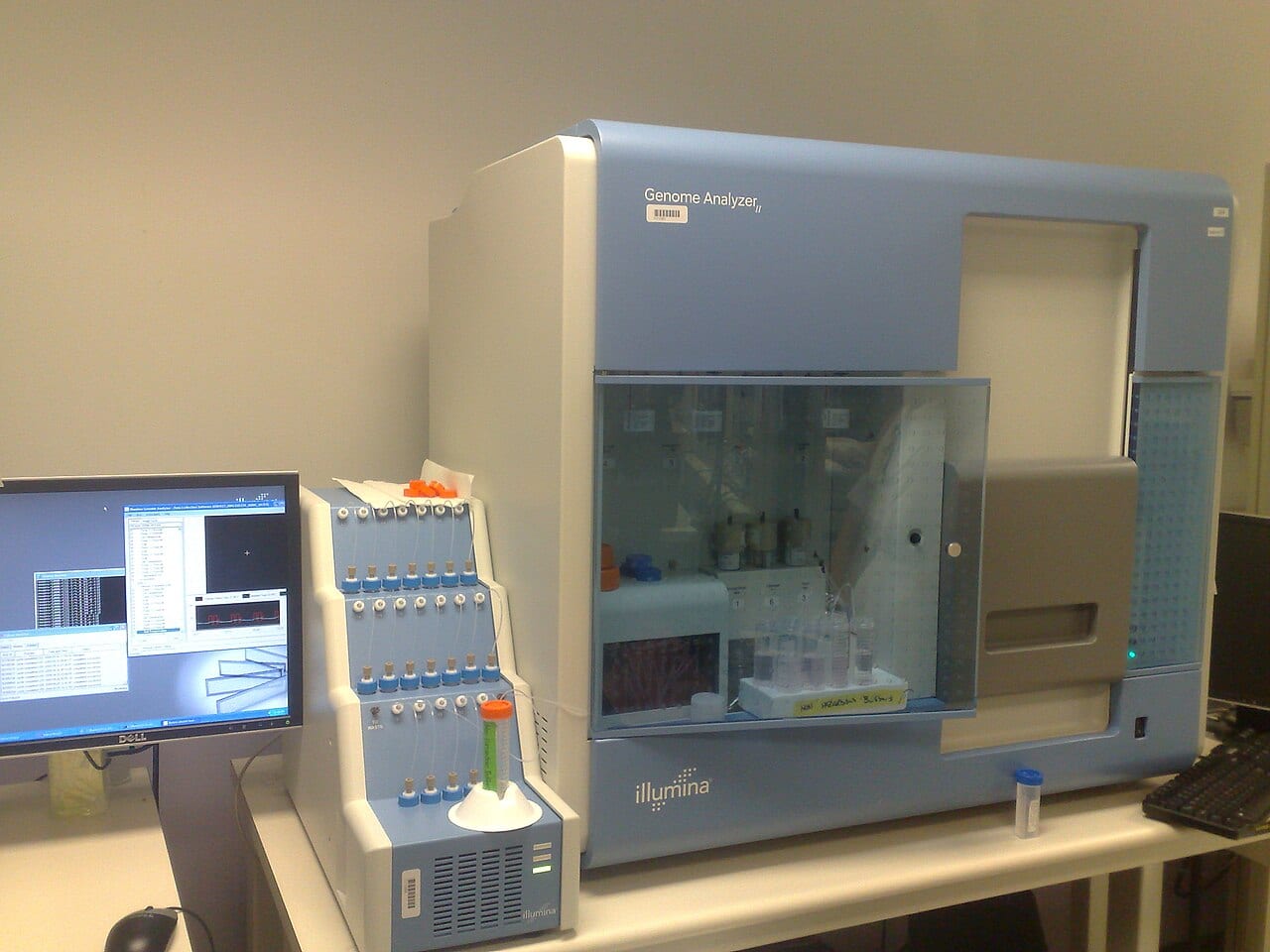
DNA sequencing took decades to fall the way AI fell in a few years.
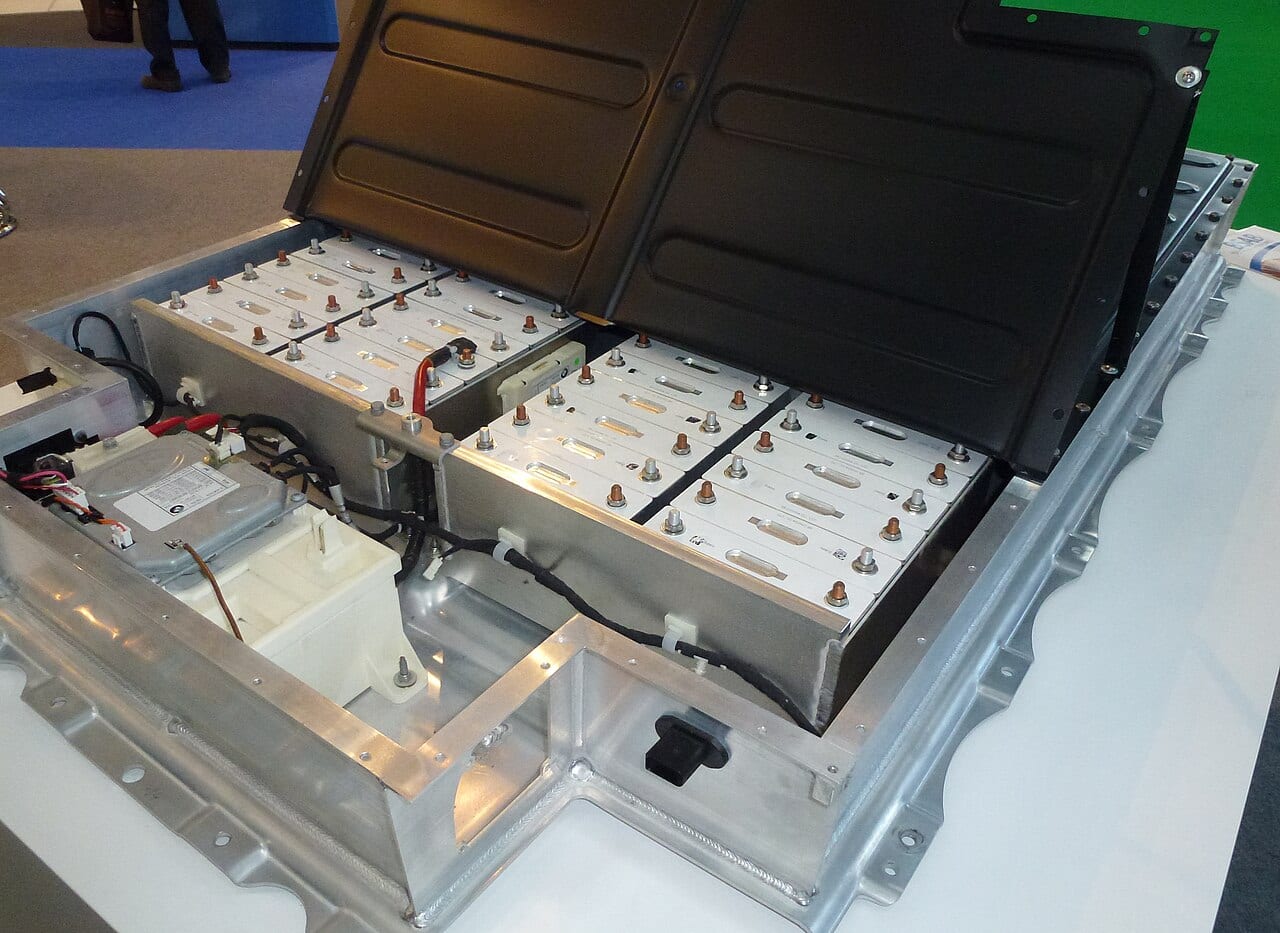
Lithium-ion batteries moved slower still, even with a global push toward electric cars and grid storage.
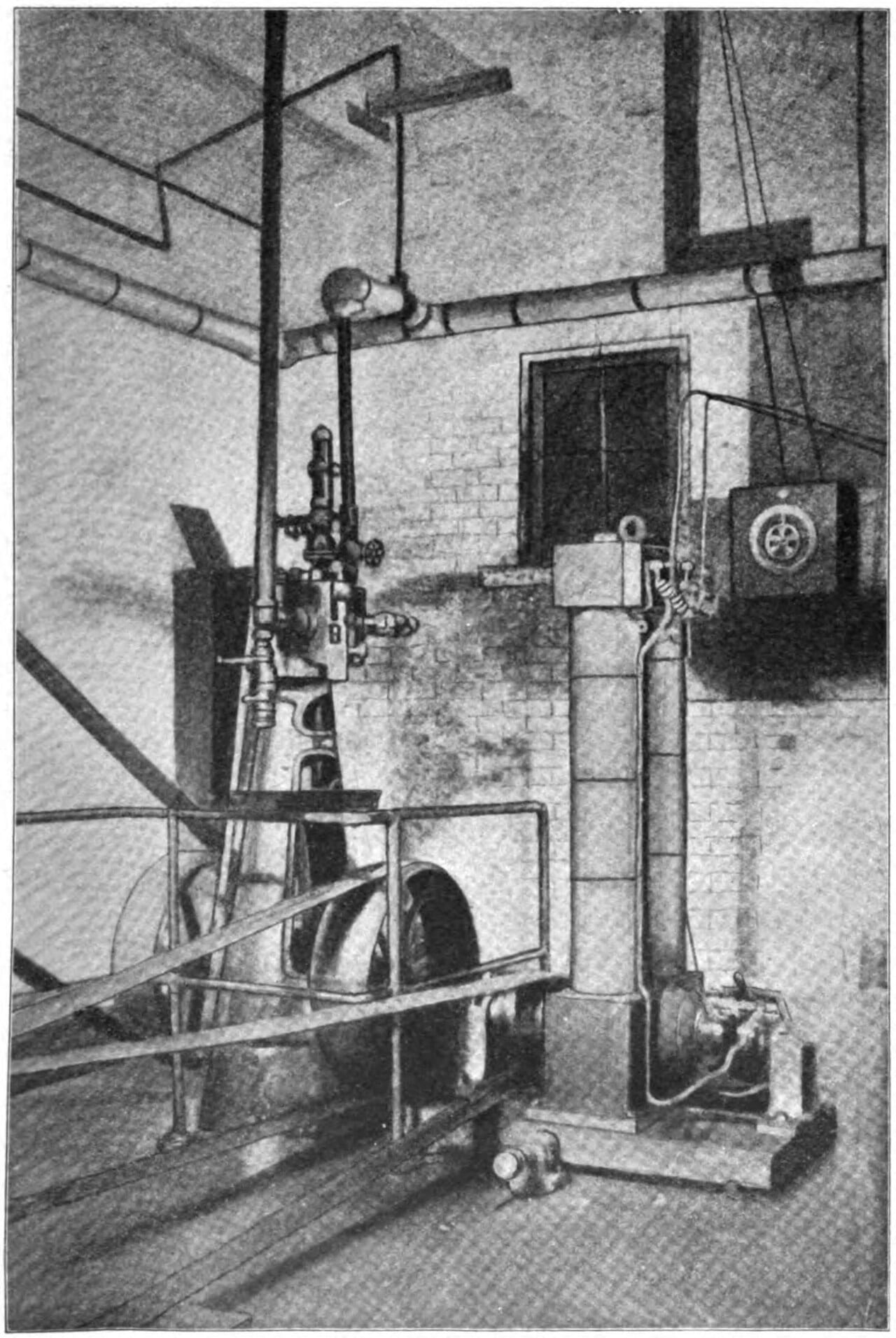
Electricity set the slowest pace of all four, across eight decades of wiring up American homes and factories.
The Case for a Wider Door
Emberson and Roodman call the pace historic. "No other general-purpose technology in history appears to have gotten so cheap so fast," they wrote1. That claim rests on three years of directly measured data; anything earlier is only a plausible estimate, by their own account.
A price curve this steep opens doors fast. Work that only a well-funded lab could run in 2023 now sits inside a free tier. A buyer who waited a single year paid a fraction of what an early mover spent for the same answer.
A 2023 AI Price Index Falls From 100 to 0.01 in 15 Quarters
Running measure of a fixed AI result's price, 100 at Q1 2023, carried forward at Epoch AI's 47 percent quarterly rate
The line carries Epoch's measured rate forward one quarter at a time, falling by the same 53 percent each quarter, so the drop keeps compounding as time passes.
This line smooths Epoch's average quarterly rate into a running measure. Epoch found a benchmark falls faster right after a model's debut and slower two years on.
Source: Epoch AI [1]. Chart by Kelly Dennis.
The numbers behind this chart
| Period | Value |
|---|---|
| Q1 2023 | 100.00 |
| Q3 2023 | 28.09 |
| Q1 2024 | 7.89 |
| Q3 2024 | 2.22 |
| Q1 2025 | 0.62 |
| Q3 2025 | 0.17 |
| Q1 2026 | 0.05 |
| Q3 2026 | 0.01 |
The chart smooths Epoch's own rate into a running line. It explains the headline: a buyer who priced a task against 2023's models is pricing against a market that has already moved past them.
Why Your Invoice Keeps Climbing
Michael Watkins, a professor of leadership and organizational change at IMD, lays out the other half of the record. A falling unit price and a rising bill are both true at once, he argues. Price and volume multiply together to make the bill.
"Suppose a unit of AI work cost a dollar last year and costs 10 cents today – a 90% cut, and a real one," Watkins wrote. "If the job that used to take one unit now takes 50, the bill goes from one dollar to five"2.
Hans Gundlach, a researcher at MIT, and three co-authors measured that second number directly. They drew on pricing data from Artificial Analysis and Epoch AI. Their own yearly estimate puts the price-for-performance decline at 5 to 10 times, roughly half Epoch's 13-fold figure. Then they found the catch: "the price of running frontier models is rising between 3× to 18× per year due to bigger models and larger reasoning demands," they wrote3.
Uber supplies the real bill. Its chief technology officer said in April that an agentic coding tool spread across 5,000 engineers, at $500 to $2,000 per engineer a month. That tool burned through the company's full 2026 AI budget in four months2.

Gartner's own estimate shows where those extra dollars go. An AI agent working through a task burns five to 30 times the tokens a single chatbot reply would use2.
What to Do
Price your own task by the finished job. Skip the sticker on a single model. The cheapest model that clears your bar this quarter may lose that title by the next one. Re-run the comparison each quarter, and skip last quarter's pick.
Budget for token volume separately from token price. A 47 percent quarterly price cut buys only a fraction of its promised saving in some quarters. Your team's agents may triple their token use the same quarter, the way Uber's did.
By the Numbers
- 47 percent: Epoch's quarterly price drop for a fixed AI score, every quarter since 20231.
- 13-fold: that same drop, restated per year1.
- 6 times faster than computing: how AI's price fall compares with Moore's Law1.
- 54-fold faster than electricity: the slowest of Epoch's four comparisons, covering 1892 to 19731.
- From thirty cents to four hundredths of a penny: the price of one GPQA Diamond question, 18 months apart1.
- 5 to 30 times: the extra tokens Gartner says one AI agent burns against a single chatbot reply2.
- Half Epoch's pace: Hans Gundlach's team put the same yearly price decline at 5 to 10 times3.
- $500 to $2,000: what Uber pays per engineer each month for the coding agent that emptied its 2026 AI budget early2.
What to Watch
Watch whether Epoch's slowest benchmark, a secret-game test built to resist gaming, keeps falling at the same pace as the rest. A gap there would support Gundlach's benchmark warning. Watch your own token count next to your per-token invoice. A buyer who tracks both numbers together will see which force wins this quarter.
Sources
- Luke Emberson and David Roodman, "The plunging price of thought," Epoch AI, Sept. 22, 2026, https://epoch.ai/publications/the-plunging-price-of-thought
- Michael Watkins, "AI Keeps Getting Cheaper. Your Bill Keeps Going Up.," IMD, Aug. 10, 2026, https://www.imd.org/ibyimd/artificial-intelligence/ai-keeps-getting-cheaper-your-bill-keeps-going-up/
- Hans Gundlach, Jayson Lynch, Matthias Mertens and Neil Thompson, "The Price of Progress: Algorithmic Efficiency and the Falling Cost of AI Inference," arXiv, Nov. 28, 2025, https://arxiv.org/abs/2511.23455
- Manuel Uth, "AI performance costs are falling faster than those of any previous technology," The Decoder, Sept. 24, 2026, https://the-decoder.com/ai-performance-costs-are-falling-faster-than-those-of-any-previous-technology/
- Wikipedia contributors, "OpenAI o3," Wikipedia, accessed Oct. 19, 2026, https://en.wikipedia.org/wiki/OpenAI_o3