

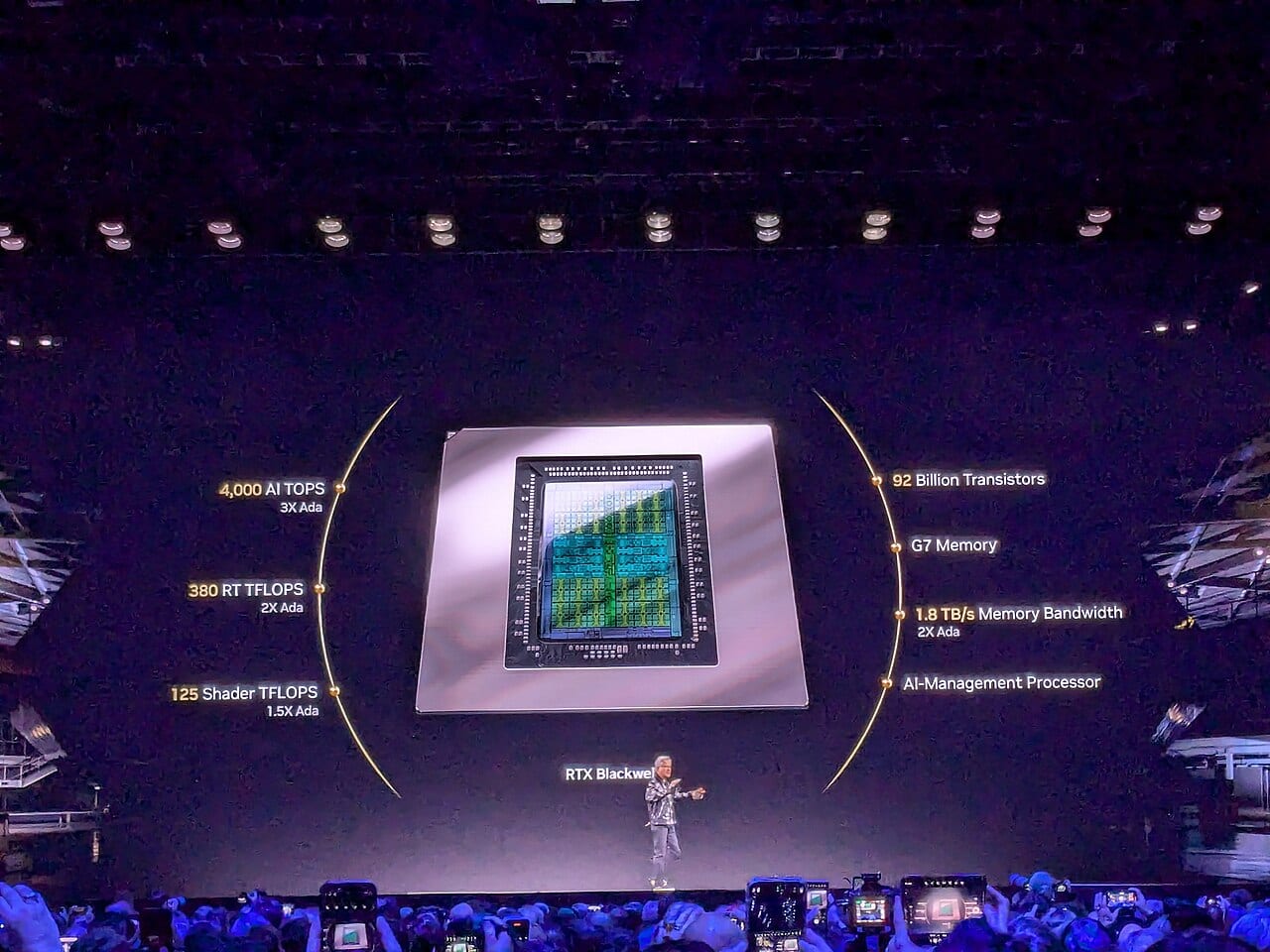
Nvidia says it can build a working AI data center in fourteen days. The old way took six months, close to 180 days1. Jensen Huang, the company's founder and CEO, announced the change at GTC Berlin on Oct. 21, 2026. He calls the design DSX POD: whole AI factories, built inside shipping containers, tested before they ever leave the factory floor2.
Nvidia Says Factory-Built Containers Cut Site Setup From 180 Days to 14
Days to get an AI data center running at a site with power already connected, Nvidia's own figures, Oct. 21, 2026
Each column counts days to reach working tokens: the tall one is the old construction timeline, the short one is Nvidia's new container.
Nvidia states the old timeline as six months; the chart estimates that as about 180 days for comparison.
Source: NVIDIA Newsroom [1]. Chart by Kelly Dennis.
The numbers behind this chart
| Item | Value |
|---|---|
| Before DSX POD (estimate) | 180 days |
| With DSX POD | 14 days |
The post that put this in front of readers came from the account Chubby♨️ on X. It called DSX POD a bigger deal than most people realize and gathered over 1,000 likes within hours6.
Seventeen hardware partners signed on to build the containers, Dell Technologies and Foxconn among them2. Full shipments begin worldwide in early 2027. Huang measures the win by how fast a factory starts earning.
The same keynote unveiled OpenShell, a design for sandboxing AI agents away from systems they could otherwise reach2. "Every single time an agent is launched, the privileges are different," Huang said. Nvidia also pledged almost 10 billion euros to European AI projects, the backdrop for building factories on that continent first.
Nvidia Builds a Factory You Can Ship
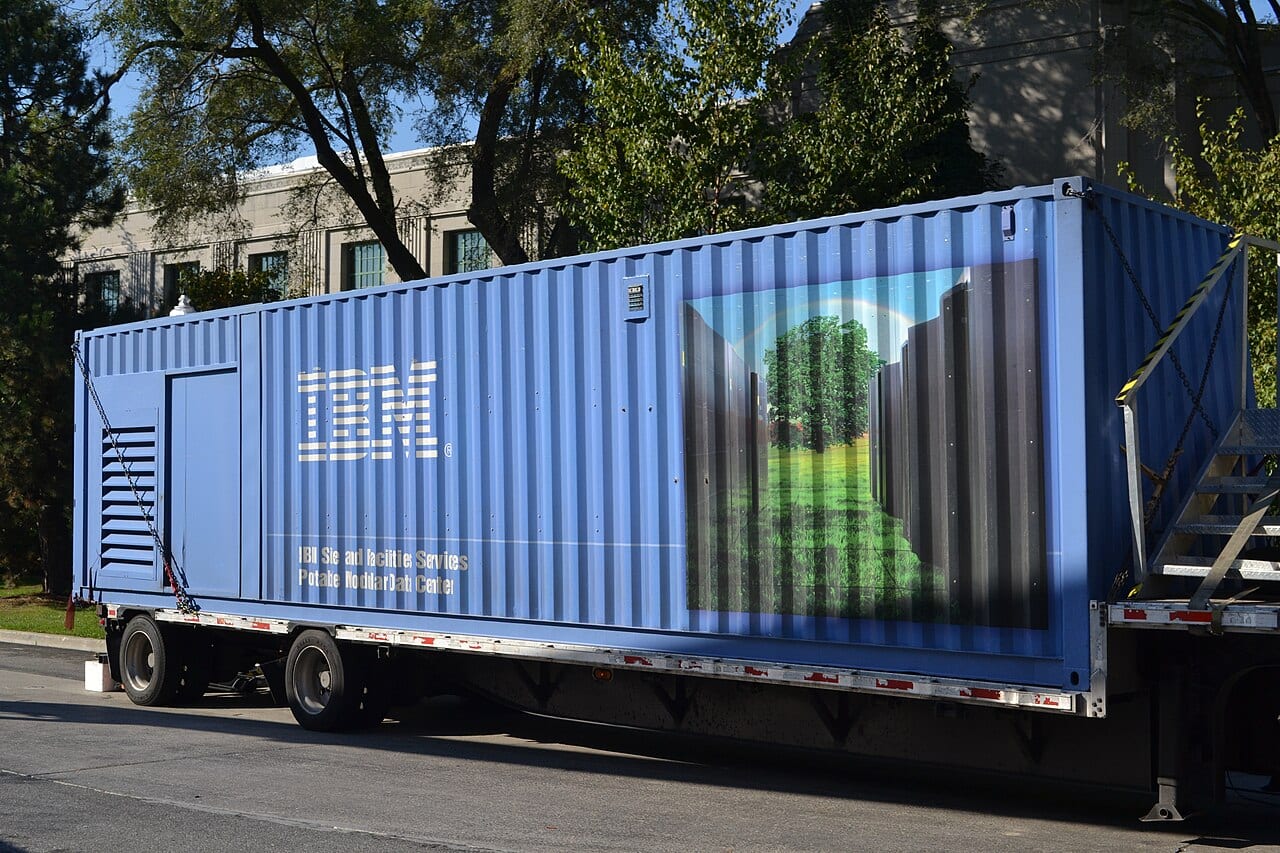
A DSX POD is a reference design. Partners build matching containers to Nvidia's spec, each one wired, networked and liquid-cooled before it ships23. The chips inside run Nvidia's new Vera Rubin platform, now in full production. Every cable and pipe gets tested at the factory, so workers on site just connect power, cooling and a network link.
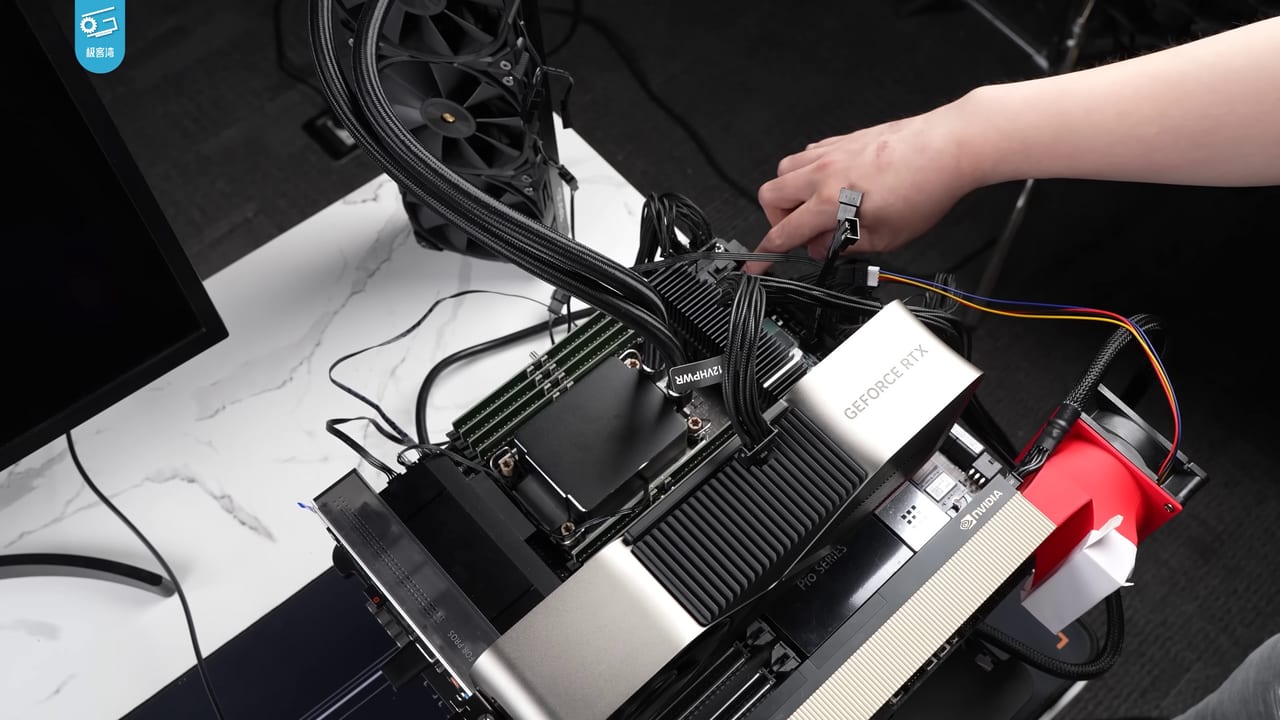
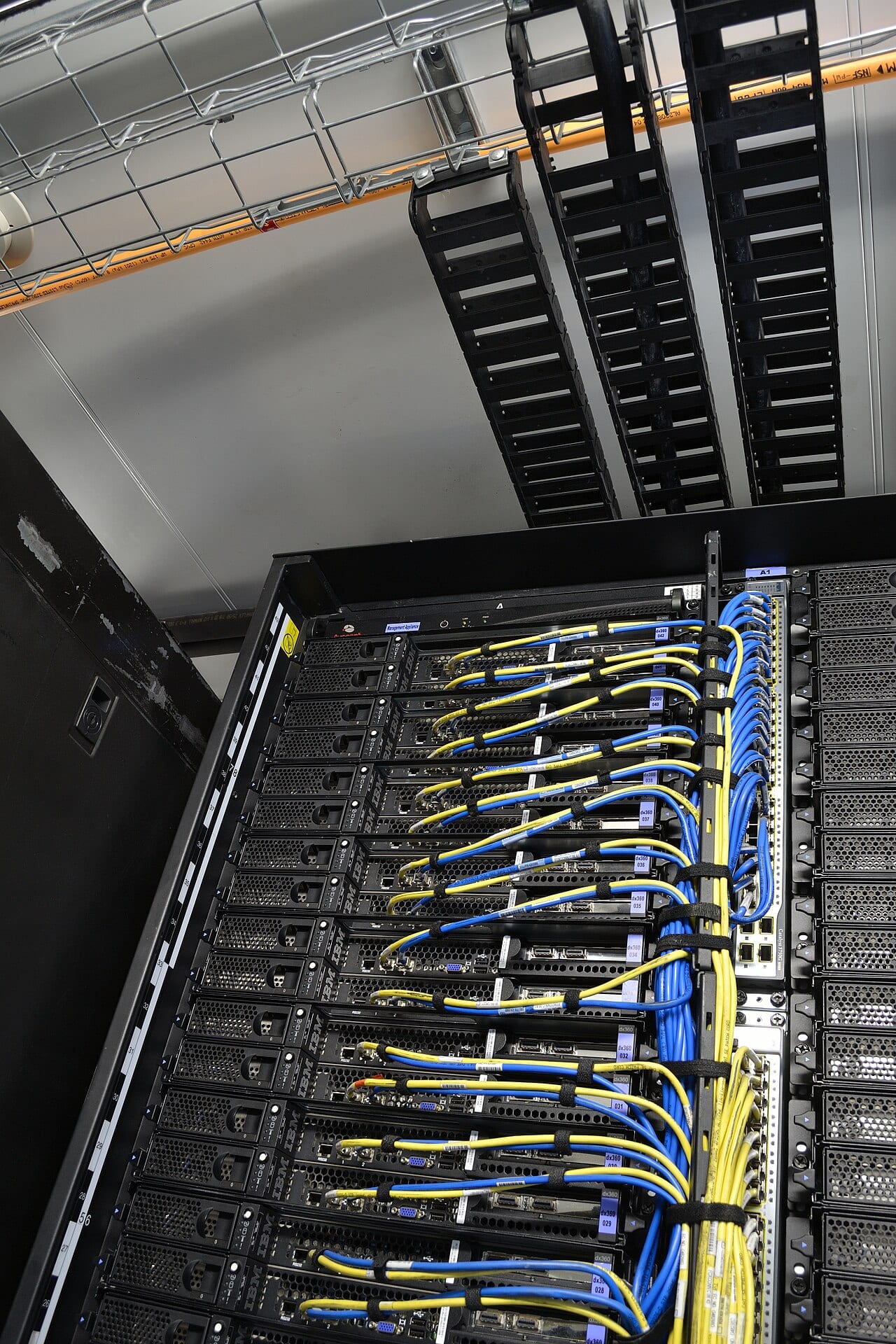
Container walls hide the hard part: rack-to-rack cabling, power bars and liquid cooling loops, all tested before the box ships3. Dell Technologies, Foxconn and 15 other partners stamp their names on different versions of the same container2. The idea is simple: ship the hard part finished, then plug it in.
The Fourteen Days Start After Power Arrives
Huang put his own spin on the number. "An AI factory creates value when it starts producing tokens — not when construction is complete," he said at the keynote2. The quote carries a hidden condition. Nvidia's release ties the fourteen-day figure to "a prepared site," one where power, cooling and a network link already run1.
Nvidia frames that gap as small. The company says the new design needs up to 30 percent less power for the same AI output3. It also claims up to 100 percent less water use. Those numbers come from Nvidia's own tests, and an independent lab's measurement would make the comparison sturdier.
Why Power Still Sets the Clock
A utility would read the fourteen-day number differently. Mark Knipfer leads data center services at Integrated Environmental Solutions, a firm that designs power and cooling for data centers5. He tracks the queues utilities keep for new electric hookups.
An interconnection queue is the list of power projects waiting for a utility to connect them to the grid. A data center joins that list the same way any new factory does. Knipfer says the list is already long.
"In some regions, interconnection queues already exceed two to three times current peak demand, according to independent system operator data," Knipfer wrote5. Set current demand at 1, and the queue in those regions already sits at 3.
Interconnection Queues Run Up to 3 Times Today's Peak Demand in Some Regions
Current peak electricity demand against pending grid interconnection requests, shown as a multiple, select U.S. regions
The short bar is current demand, set at 1. The long bar shows interconnection queues running up to 3 times that demand in the regions Knipfer cites.
Knipfer gives a range of two to three times current peak demand in the regions with the longest queues; the chart shows the high end of that range.
Source: Utility Dive [5]. Chart by Kelly Dennis.
The numbers behind this chart
| Item | Value |
|---|---|
| Current peak demand | 1x |
| Interconnection queue requests | 3x |
Knipfer's own data shows why utilities plan with caution. High-density AI computing can swing power demand by as much as 40 to 50 percent over short periods5. The swing depends on how hard the chips are working at that moment. A utility sizing new lines has to plan for that swing, above the steady average.
Fourteen days still land behind that queue. Nvidia's clock starts only once power already arrives1. The company built a faster box. Grid timelines still run on their own schedule.
Cloud Giants Are Already Lining Up
Google Cloud skipped the wait for a shipped container. Huang's keynote named it the first cloud with general availability of Vera Rubin infrastructure2.
OpenAI is one early customer with a reason to use it. The company said this week it will offer its newest model, GPT-6 Astra, through Google Cloud's marketplace4. Its Codex coding tool reaches the same marketplace, past Microsoft and Amazon both.
Anthropic, OpenAI's rival, already earns 47 percent of its 2025 revenue through Amazon and Google's clouds4. Running AI work on someone else's data center has become normal business: the default plan.
The pattern repeats here too. A cloud contract signs in days. Energizing a new substation still takes years, regardless of which company's name sits on the building. That gap, ahead of the container, decides how fast most AI buildouts actually move.
What to Do
Ask any vendor pitching a fast AI buildout one question: is the site's power connected yet? Nvidia's own numbers put power ahead of containers as the real constraint. Track the interconnection queue in the region where your company runs its AI work, the same way you track a hardware ship date.
By the numbers
- Seventeen: hardware partners building DSX POD containers, including Dell Technologies and Foxconn2.
- 14 days: time Nvidia says a DSX POD container needs to start producing tokens, once a site's power is ready1.
- 6 months: Nvidia's stated timeline for AI factory construction before DSX POD1.
- Early 2027: when Nvidia says the containers ship worldwide2.
- Power use: Nvidia claims up to 30 percent less for the same AI output3.
- Water use: Nvidia claims up to 100 percent less with the new design3.
- Two to three times: how far interconnection queues outrun current peak power demand in some regions, per Mark Knipfer5.
- 6,351: daily Wikipedia pageviews for Nvidia's page on Oct. 20, 2026, the day before this announcement7.
What to watch
Watch Nvidia's early 2027 delivery date. A container that ships on schedule would show factory-built AI data centers work past a keynote stage. Watch interconnection queues too. A region that clears its backlog faster would be the real signal that fourteen-day construction finally matters.
Sources
- NVIDIA, "NVIDIA Introduces DSX POD AI Factories to Accelerate Europe's Infrastructure Deployment," NVIDIA Newsroom, Oct. 21, 2026, https://nvidianews.nvidia.com/news/nvidia-introduces-dsx-pod-ai-factories-to-accelerate-europes-infrastructure-deployment
- NVIDIA, "GTC Berlin 2026: Live Updates From NVIDIA CEO Jensen Huang's Keynote," NVIDIA Blog, Oct. 21, 2026, https://blogs.nvidia.com/blog/gtc-berlin-2026-keynote/
- Yahoo Finance Staff, "Nvidia reveals plans for 'an AI factory in a shipping container' to build factories in weeks, not months," Yahoo Finance, Oct. 21, 2026, https://finance.yahoo.com/technology/article/nvidia-unveils-dsx-pod-a-data-center-about-the-size-of-a-shipping-container-113000508.html
- Investing.com, "OpenAI expands Google Cloud access as AI rivals deepen ties," Investing.com, Oct. 21, 2026, https://www.investing.com/news/stock-market-news/openai-expands-google-cloud-access-as-ai-rivals-deepen-ties-4962939
- Mark Knipfer, "AI Data Centers Are Upending Utility Load Planning," Utility Dive, Apr. 24, 2026, https://www.utilitydive.com/news/ai-data-centers-utility-load-planning/816806/
- Chubby♨️ (@kimmonismus), "NVIDIA just announced DSX POD. This is a bigger deal than most people realize, because it solves one of the biggest bottlenecks: scaling!" X, Oct. 21, 2026, https://x.com/kimmonismus/status/2112842412515021115
- Wikimedia Foundation, "Pageviews for Nvidia, Oct. 20, 2026," Oct. 20, 2026, https://wikimedia.org/api/rest_v1/metrics/pageviews/per-article/en.wikipedia/all-access/user/Nvidia/daily/20261020/20261020