Canada just tripled its biggest AI subsidy for small businesses. Whether that money moves fast enough to matter is a separate question, and Ottawa leaves it open.
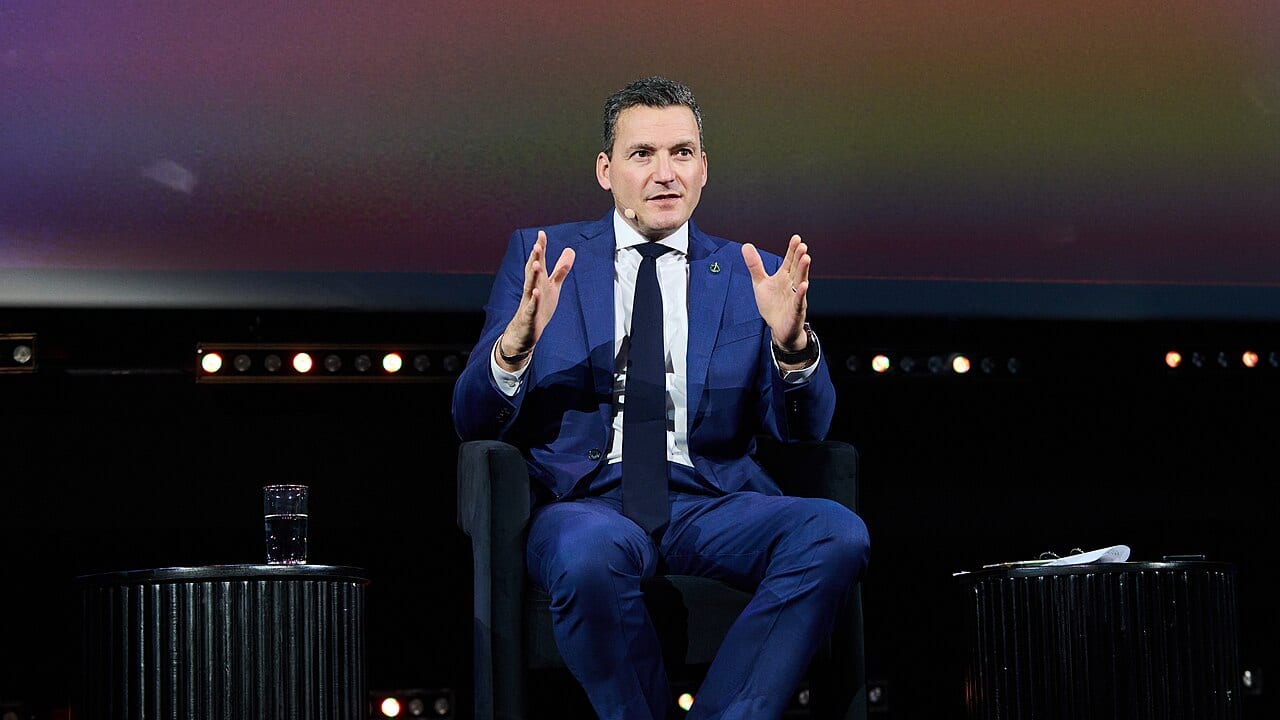
Evan Solomon, Canada's AI minister, announced the move in Toronto on Nov. 26, 20261. He added $700 million to the AI Compute Access Fund, built to help small AI firms pay their cloud bills. The fund now holds $1,000 million, which Ottawa rounds to $1 billion. That is more than triple the $300 million it launched with on Dec. 5, 20242.

Ottawa pays the bill. Small Canadian AI firms collect it. The government covers up to 80 percent of a company's compute costs when it buys from a Canadian-owned, "sovereign" cloud provider1. It covers up to 50 percent from any other eligible Canadian-based provider.
Who Gets the Subsidy First
Health and life sciences firms go first. Applicants must file a statement of interest by Dec. 17, 2026, then a full application by Jan. 4, 20272. Each project can draw between $100,000 and $5 million, and the work must finish by March 31, 2030.
Three named health projects already run on the fund. RetiSpec builds a retinal scan that looks for early signs of Alzheimer's disease. Cortico Health Technologies builds two tools that plug AI into doctors' patient records. Limina strips identifying details out of messy health data so researchers can study it1.
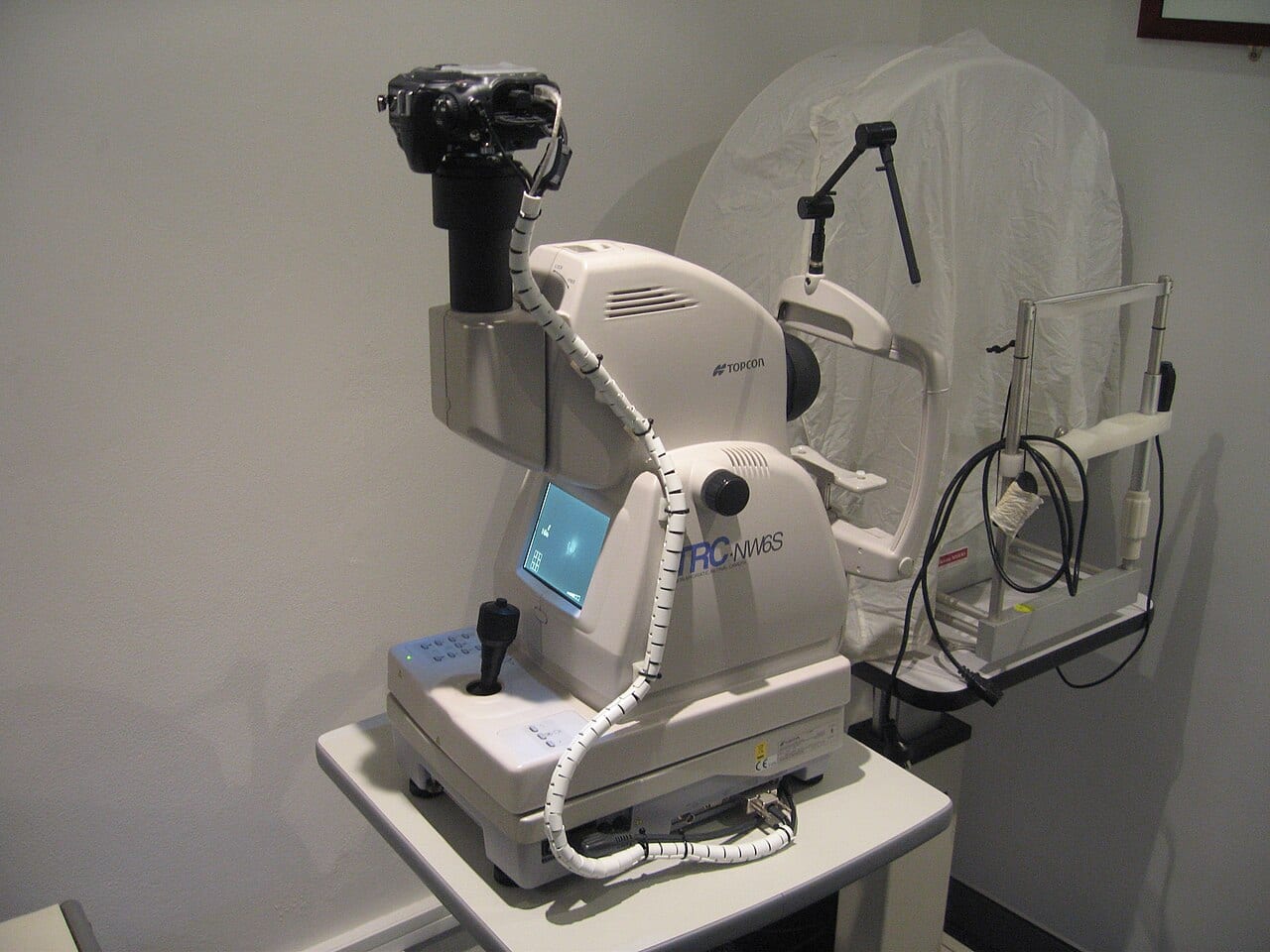
RetiSpec already had money before Ottawa's fund existed. In July 2024, the company raised $13.8 million in a Series A round led by the venture firm iGan Partners8. Eli Lilly, the drugmaker, and Topcon Healthcare, the medical device maker, both invested too.
The federal subsidy is one more line in a health AI company's budget, far from the first one.
A Fund With a Backlog Already
Solomon undersold his own fund's popularity. "We thought … we'll get a couple hundred people who need compute; [we got] 1,500 asks," he told BetaKit6. Two years after launch, the fund has committed just $118 million across 89 firms1.
Founders who tried the fund's first round called it slow. Moody Abdul co-founded the Toronto startup Klarify. He told The Globe and Mail in December 2025, "When you have a program that's a year-and-a-half in the making, you are a dinosaur by the point funds are released"3.
Simon Eskildsen, who co-founded the database company Turbopuffer in Ottawa, watched the wait stretch on. "My initial impression was light, scrappy and fast. Now it's been months and all we've heard is that we're still in," he said.

Ottawa's new sector-based round keeps a similar clock. The program's own guide gives itself about 90 business days to decide on a round once a call for proposals closes2. An applicant then gets 30 more days to accept the offer. A health company that files by Jan. 4, 2027 could wait until the following spring for an answer.
Solomon's Case for Patience
Solomon argues the fund does more than move fast. "By encouraging more companies to use Canadian computing providers, we are also helping create the demand that supports investment in infrastructure owned, operated and governed in Canada," he said in the government's announcement1.
He frames the 80-50 split as protection for smaller buyers, aimed straight at the biggest players in the market. Solomon told BetaKit the design answers a scramble he watched building. "What we're making sure is that, if there's this race to get compute, it's not just the big hyperscalers that can take the compute and grab it," Solomon said6. The strategy behind it, AI for All, targets 500 megawatts of homegrown AI compute coming online5.
Canada more than triples its AI compute fund to $1 billion
Total size of the AI Compute Access Fund, Canadian dollars, at launch and after its Nov. 26, 2026 top-up
Each column is the fund's total size at that date; the second column includes the $700 million Ottawa added on Nov. 26, 2026.
Source: Innovation, Science and Economic Development Canada [2]. Chart by Ryan Elliott Dennis.
The numbers behind this chart
| Item | Value |
|---|---|
| Dec. 2024 | $300M |
| Nov. 2026 | $1,000M |
The 500-megawatt target explains why Ottawa pays more for a Canadian-owned cloud than for any other eligible one. A dollar spent with a Canadian provider can finance a new Canadian data center. One spent with a foreign hyperscaler rarely does the same.
Weighed Against the World's AI Bill
Even at $1 billion, Canada's fund is a rounding error next to global AI spending. IDC counted $121.4 billion of worldwide AI infrastructure spending in the second quarter of 2026 alone. It raised its full 2026 forecast to $521 billion on Nov. 6, 20267.
Canada's whole AI compute fund is 0.2 percent of 2026's world AI spending
Canada's $1 billion AI Compute Access Fund against IDC's $521 billion global AI infrastructure forecast for 2026
IDC's figure covers hardware, software and services bought worldwide; Canada's fund covers only the cloud bills of small Canadian AI companies.
Sources: Innovation, Science and Economic Development Canada [2]; IDC [7]. Chart by Ryan Elliott Dennis.
The numbers behind this chart
| Item | Value |
|---|---|
| Canada's AI Compute Access Fund | $1B |
| Whole | $521B |
Canada's whole compute fund falls short of buying even one week of the world's AI spending at that rate. The bet here is narrower than out-spending anyone. A subsidy tied to Canadian-owned clouds nudges where a smaller slice of that money lands.
What to Do
A Canadian AI company weighing the fund should read the clock before the dollar figure. Budget around a 90-business-day decision window, counted from the day a call for proposals closes.
Price a Canadian-owned cloud provider against a foreign one before assuming the 80 percent subsidy wins. The math changes once raw prices, alongside the subsidy rate, get compared side by side.
Health and life sciences founders should file a statement of interest before Dec. 17, 2026. A later themed call means waiting through the same months-long backlog this fund has already produced once.
By the Numbers
- $1 billion: the fund's total size after Ottawa's Nov. 26, 2026 top-up, triple its $300 million launch size2.
- Eighty percent: the share of eligible compute costs Ottawa reimburses when a company buys from a Canadian-owned, "sovereign" cloud provider1.
- Half: the reimbursement rate for any other eligible Canadian-based cloud provider, down from the sovereign tier's 80 percent1.
- $118 million: total commitments across 89 firms in the fund's first two years1.
- 1,500: applications the fund drew against an expected "couple hundred," by the minister's own count6.
- $521 billion: IDC's forecast for worldwide AI infrastructure spending in 20267.
- $13.8 million: the private Series A round RetiSpec raised in 2024, before it tapped the federal fund8.
- 90 business days: how long Ottawa gives itself to decide a funding round once a call for proposals closes2.
What to Watch
Watch the first health-sector awards, due after the Jan. 4, 2027 deadline. A decision inside Ottawa's own 90-business-day window would answer founders who call the fund too slow to help.
Canadian cloud providers still have to add capacity to meet the new 80 percent incentive. Solomon's bet only pays off if Canadian-owned data centers grow fast enough to absorb the demand the subsidy means to create.
Sources
- Government of Canada, "Government of Canada boosts AI innovation from Canadian SMEs with $700 million expansion of the AI Compute Access Fund," Nov. 26, 2026, https://www.canada.ca/en/innovation-science-economic-development/news/2026/11/government-of-canada-boosts-the-ai-compute-access-fund-with-700-million-expansion.html
- Innovation, Science and Economic Development Canada, "Program Guide: AI Compute Access Fund," updated Nov. 26, 2026, https://ised-isde.canada.ca/site/ised/en/canadian-sovereign-ai-compute-strategy/ai-compute-access-fund/program-guide-ai-compute-access-fund
- Joe Castaldo and Sean Silcoff, "Canada wants to excel in AI, but its funding model is frustrating tech leaders," The Globe and Mail, Dec. 8, 2025, https://www.theglobeandmail.com/business/article-ai-compute-access-fund-wait-time/
- Murad Hemmadi, "Ottawa begins rolling out $700-million in AI compute funding under new sector-based approach," The Globe and Mail, Nov. 26, 2026, https://www.theglobeandmail.com/business/technology/article-ottawa-rolling-out-700-million-in-ai-compute-funding-evan-solomon/
- David Potter, "Ottawa's AI compute fund now favours Canadian-owned clouds," Digital Journal, Nov. 26, 2026, https://www.digitaljournal.com/article/ottawas-ai-compute-fund-now-favours-canadian-owned-clouds/
- Alex Riehl, "Feds will now pay 80 percent of costs under AI Compute Access Fund if purchased from a sovereign provider," BetaKit, Nov. 26, 2026, https://betakit.com/feds-will-now-pay-80-percent-of-costs-under-ai-compute-access-fund-if-purchased-from-a-sovereign-provider/
- Madhumitha Sathish, "AI Infrastructure Spending Jumps to $121 Billion in Q2 2026 as Pricing and CPU-Based AI Demand Broaden Growth; 2026 Forecast Raised to $521 Billion," IDC, Nov. 6, 2026, https://www.idc.com/resource-center/blog/ai-infrastructure-spending-jumps-to-121-billion-in-q2-2026/
- Alex Riehl, "RetiSpec secures $13.8 million Series A to detect Alzheimer's early through retinal imaging," BetaKit, July 26, 2024, https://betakit.com/retispec-secures-13-8-million-series-a-to-detect-alzheimers-early-through-retinal-imaging/