Oracle's longest bonds now yield more than 9 percent a year1. Credit traders moved even faster. Its cost to insure against its own default jumped to roughly 356 basis points on Nov. 244. Wall Street usually reserves that level for junk-rated borrowers.
Moody's and S&P still rate Oracle investment grade2. The bond market disagrees with that rating.
Next year's spending plan explains the gap. Oracle expects to put $90 billion to $95 billion into AI infrastructure in the fiscal year ending next May1. Lenders are charging more for every dollar of it.
Borrowing Gets Expensive
Oracle's five-year default insurance cost 295 basis points on Oct. 19, already up 287 percent in a single year2. By Nov. 24 it had climbed again, to about 3564. SoftBank's own five-year spread reached 501 the same week, its widest since October 2022.
The yield gap between Oracle's 30-year bonds and the Treasury rate tells the same story. It has widened past 3.5 percentage points, up from under 2 points in January5.
Oracle's Default Insurance Jumps From 295 to 356 Basis Points
Oracle's five-year credit default swap spread, in basis points, Oct. 19 to Nov. 24, 2026
The blue dot is Oracle's default-insurance cost on Oct. 19, the magenta dot is the same cost five weeks later, and the rod is the jump between them.
Sources: CNBC [2]; Disruption Banking [4]. Chart by Ryan Elliott Dennis.
The numbers behind this chart
| Item | Oct. 19 | Nov. 24 |
|---|---|---|
| Oracle 5-year CDS spread | 295 bps | 356 bps |
Gavan Nolan watches this market for a living. He is executive director of fixed income pricing at S&P Global Market Intelligence. "Oracle CDS is supported by high liquidity," he told CNBC. "Nonetheless, its spreads whipsawed over the last few days, no doubt a reflection of the fragile sentiment in AI-related names, notably those in HY and at the weaker end of the IG spectrum, such as Oracle," he said2.
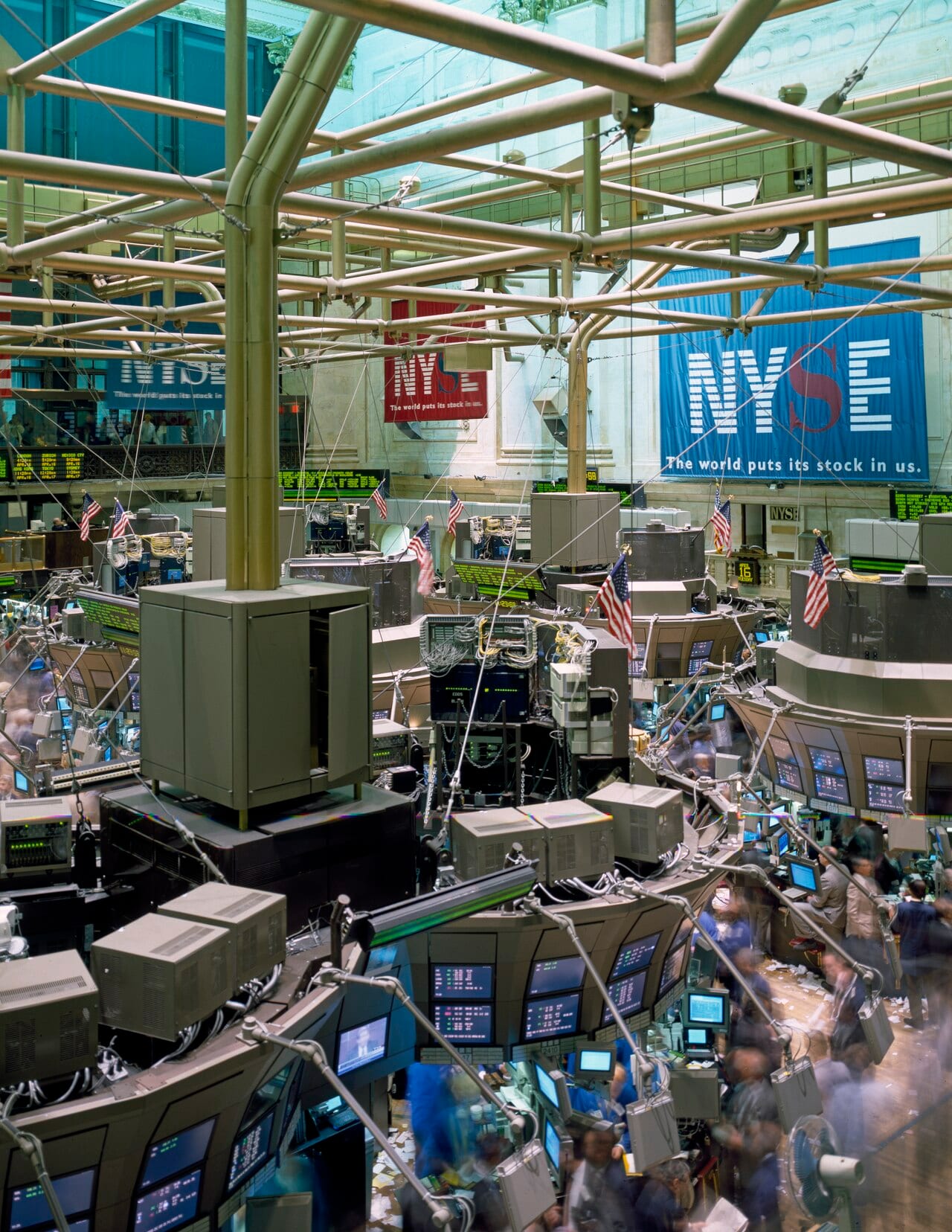
The Bill Behind the Build
Oracle needs the cash because its AI business burns more than it earns right now. Analysts expect negative free cash flow of $23.7 billion this year and $36 billion in 20272. The company carries $118 billion in long-term debt already, plus $39 billion more in lease and capital obligations.
The company calls the bet sound anyway. "The AI infrastructure business has strong economic returns and we expect it will produce strong free cash flows once projects are ramped," Oracle said2.
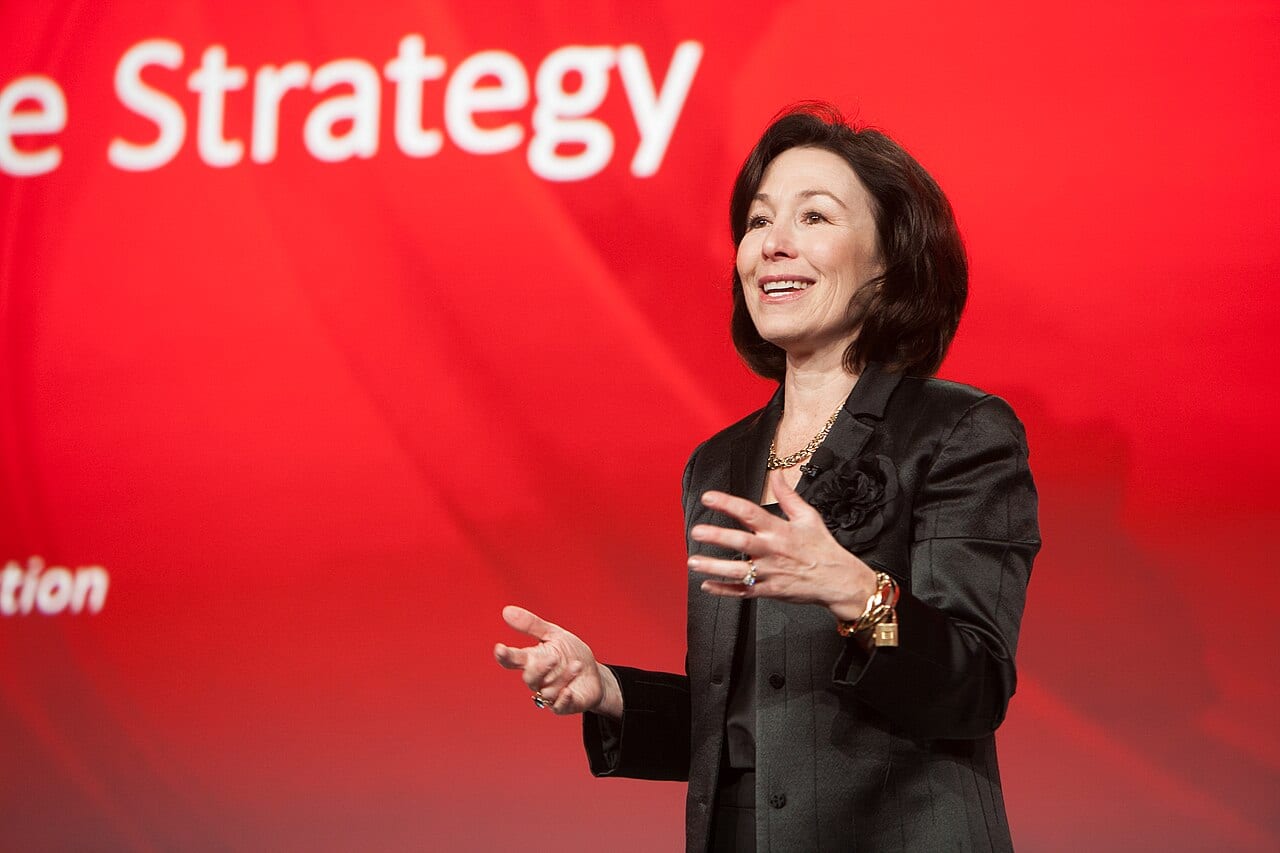
Most of that spending chases one customer. Oracle signed a $300 billion compute deal with OpenAI, the contract Wall Street now treats as the measure of its AI bet2. Banks and bondholders fund the data centers behind that deal.
OpenAI then pays Oracle to rent the finished computers. If OpenAI's growth falls short, Oracle's lenders take the first loss.
Two Reads on One Spread
The same numbers split Wall Street into two camps.
Brad Collins manages fixed income at Vanguard. He separates Oracle's spread from the panic hitting junk-rated AI debt. "Balance sheets are in a healthy starting spot, and [I] would not extrapolate what we are seeing in HY to IG," he told CNBC2.
Jim Reid reads the same market and sees an early warning instead. He is Deutsche Bank's global head of macro and thematic research. "AI financing costs aren't dramatic overall, but there are worrying themes at the edges," he told Reuters3.
CoreWeave's Default Insurance Costs 3.7 Times Oracle's
Five-year credit default swap spreads, in basis points, the week of Nov. 24, 2026
Each bar is one company's default-insurance cost that week. A longer bar means investors demand more money to insure that company's debt against default.
Source: Disruption Banking [4]. Chart by Ryan Elliott Dennis.
The numbers behind this chart
| Item | Value |
|---|---|
| CoreWeave | 1,314 bps |
| SoftBank | 501 bps |
| Oracle | 356 bps |
Chamath Palihapitiya, the founder of Social Capital, put the worried case in three words on Nov. 25. "CDS don't lie," he posted, beside a chart of the same widening spreads78.
Chamath Palihapitiya@chamathCDS don’t lie
Both men are watching the same shift. The industry's cash-rich giants can still fund data centers from their own operating profit. Oracle increasingly depends on debt instead.
The Fed Flags the Fog
Regulators are watching from a different angle. The Federal Reserve's Financial Stability Report counted more than $800 billion in on-balance-sheet debt at the seven largest AI companies by year-end6. Oracle is one of the seven. Off-balance-sheet commitments, mostly long leases and take-or-pay contracts, add more than $3 trillion on top of that.
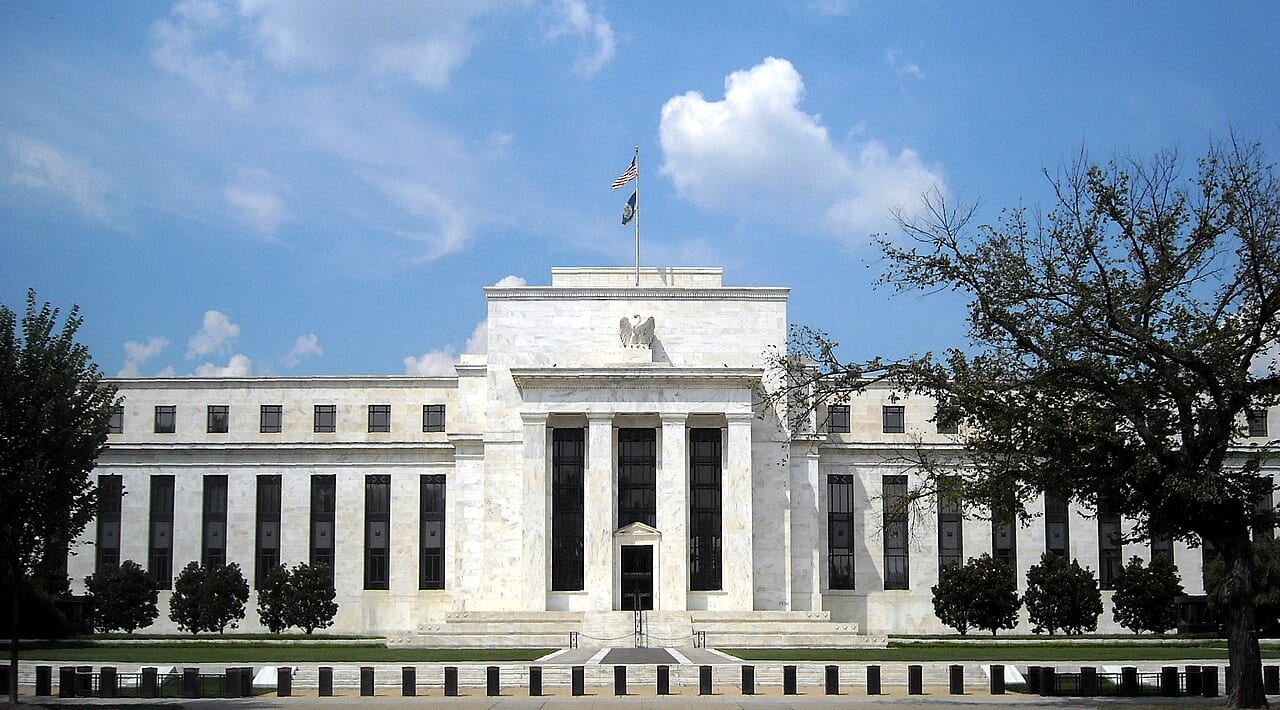
Michael Barr is a Federal Reserve governor. He warned that the structure itself hides the risk. That opacity, he said, "can exacerbate selloffs when investor sentiment shifts, as it is hard to know where risk resides"6.
A bond spread is one of the few places investors can see that risk before a company discloses it. Oracle's spread just moved first.
What to Do
Operators budgeting for AI should treat a vendor's borrowing cost as part of the price. A cloud bill built on debt that costs 9 percent gets more expensive once that debt rolls over at a higher rate. Ask your AI infrastructure vendor two questions: what it charges for compute, and how it funds the data centers behind it.
Investors holding AI-adjacent credit should watch the gap between Oracle's spread and the giants that still self-fund their buildouts. A narrower gap would say the market believes Oracle's returns are coming on schedule. Watch for a wider one too: it would say Reid's worrying edges are spreading toward the center.
By the Numbers
- 9 percent: the yield on Oracle's longest bonds, due in 2056, as of Nov. 261.
- 356 basis points: the cost of insuring Oracle's debt for five years on Nov. 24, up from 295 basis points in mid-October24.
- Ninety to ninety-five billion dollars: what Oracle plans to spend on AI infrastructure in the fiscal year ending next May1.
- A negative $23.7 billion: the free cash flow analysts expect from Oracle this year2.
- Oracle carries $118 billion in long-term debt, plus $39 billion more in lease and capital obligations2.
- $300 billion is the size of Oracle's compute contract with OpenAI, the deal behind most of the new spending2.
- 1,314 basis points: CoreWeave's five-year default-insurance cost the same week, implying a 68 percent chance of default within five years4.
- Seven companies, Oracle included, carry $800 billion in on-balance-sheet debt the Fed expects by year-end6.
What to Watch
Watch Oracle's next bond sale. A deal that prices near this month's 9 percent high would confirm Reid's warning. Pricing near last year's rate instead would back Collins's case that the panic stayed inside junk-rated names only.
CoreWeave's spread is worth a look too. Nolan says the weaker end of investment grade sits between the two camps, and it will move first.
Sources
- Yahoo Finance, "Oracle Bond Yields Hit 9% as AI Debt Fears Deepen," Yahoo Finance, Nov. 26, 2026, https://finance.yahoo.com/technology/ai/articles/oracle-bond-yields-hit-9-113300522.html
- CNBC, "Credit stress is threatening to unwind the AI bull. All eyes are on Oracle to hold the line," CNBC, Oct. 19, 2026, https://www.cnbc.com/2026/10/19/oracle-debt-faces-an-ai-stress-test-why-some-investors-arent-worried-.html
- Reuters, "AI credit worries send default insurance to record high," Insurance Journal, Oct. 16, 2026, https://www.insurancejournal.com/news/international/2026/10/16/889185.htm
- Disruption Banking, "Why Are AI Credit Default Swaps Hitting Record Spreads?," Disruption Banking, Nov. 25, 2026, https://www.disruptionbanking.com/2026/11/25/why-are-ai-credit-default-swaps-hitting-record-spreads/
- Luke Lango, "Credit: The Biggest AI Risk," Investing.com, Nov. 26, 2026, https://investing.com/analysis/credit-the-biggest-ai-risk-200692358
- Fortune, "The Fed's first close look at the AI buildout finds $3 trillion of AI commitments that aren't on big tech's balance sheet as debt," Fortune, Nov. 17, 2026, https://fortune.com/2026/11/17/fed-financial-stability-report-ai-data-center-3-trillion-off-balance-sheet-nvidia/
- Benzinga, "'CDS Don't Lie,' Chamath Warns as Credit Markets Sound Alarm on AI Spending," TradingView, Nov. 25, 2026, https://www.tradingview.com/news/benzinga:462511a74094b:0-cds-don-t-lie-chamath-warns-as-credit-markets-sound-alarm-on-ai-spending/
- Chamath Palihapitiya, post on X, Nov. 25, 2026, https://x.com/chamath/status/2125635949195674041