OpenAI opened a wallet inside ChatGPT on Nov. 13, 20261. American Express, Chase, Mastercard and Visa signed on as partners. A ChatGPT agent, OpenAI calls them Dots, can now spend from a linked card once its owner approves the order.
The wallet starts narrow. Only ChatGPT Pro subscribers, 18 or older, with an eligible U.S. card, can turn it on today1. A free or Plus account waits for a later rollout.
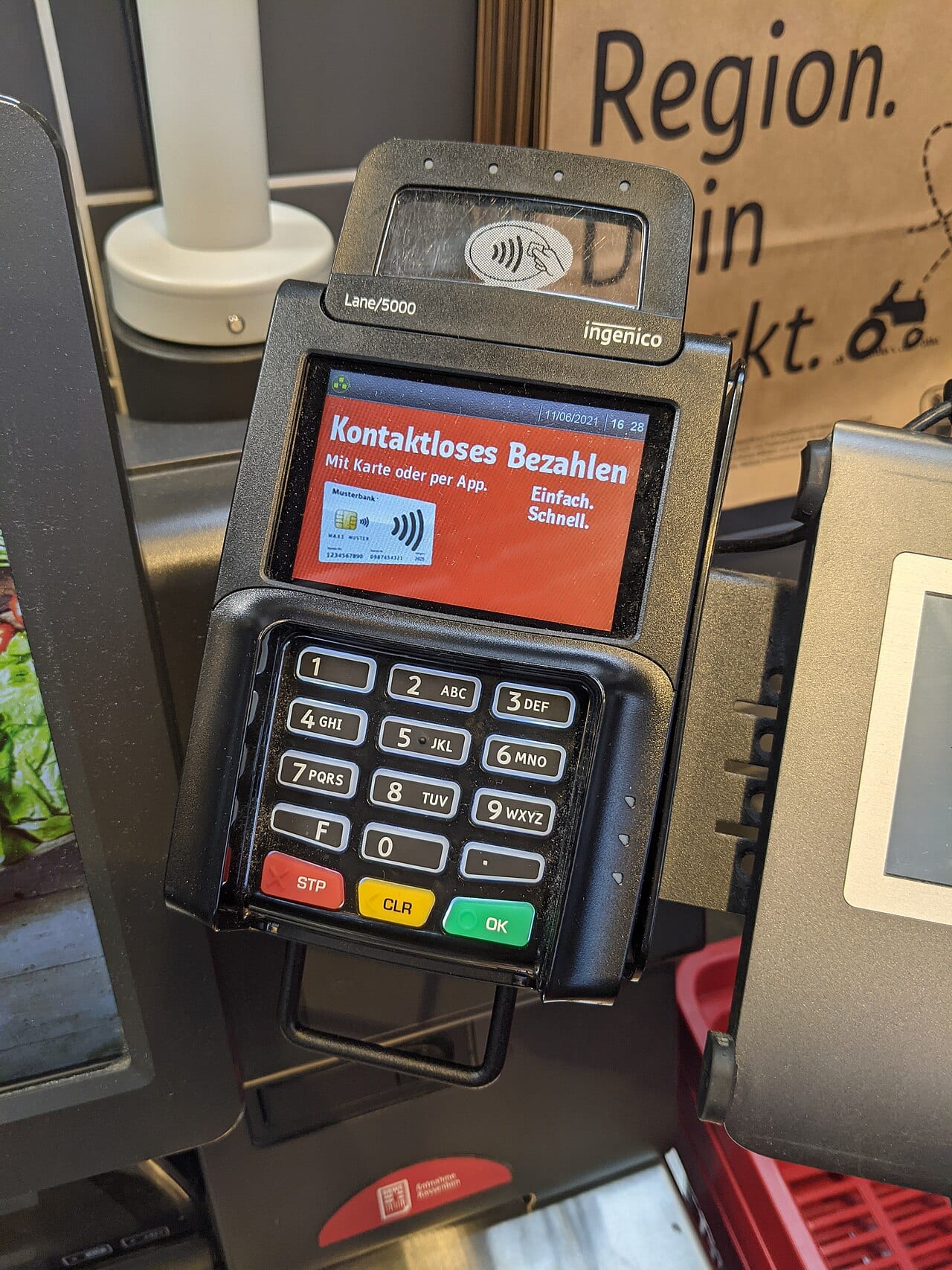
Even an eligible owner still presses the button. ChatGPT Wallet asks for a face scan or a fingerprint before every single purchase1. The face scan is the industry's current answer to a harder question about trust.
How the Wallet Checks Each Purchase
A shopper adds a card to the wallet once. After that, a Dot can shop and suggest items right inside the chat1.
Before any charge, the shopper reviews the order. They see the items, the total, and the card picked to pay1. A fingerprint or a face scan then locks in the approval.
ChatGPT@ChatGPTWe’re building ChatGPT Wallet with American Express, Mastercard, and Visa, alongside businesses and developers, to make agentic payments trusted and reliable.
OpenAI keeps the real card number away from the agent and the seller1. A one-time token stands in for it instead. Each approval also writes down a record of exactly what the shopper allowed the agent to buy.
Visa and Mastercard Built the Rails First
ChatGPT Wallet is new. The rules sitting under it are much older.
Mastercard moved first, launching Agent Pay on April 29, 2025, with Microsoft and IBM as early partners3. Its tokens tie one card to one agent, one seller and one spending cap.
Chief Product Officer Jorn Lambert called the launch an opening step. "The launch of Mastercard Agent Pay marks our initial steps in redefining commerce in the AI era, including new merchant interfaces to distinguish trusted agents from bad actors using agentic technology," he said3.

Visa followed on Oct. 14, 2025, with its Trusted Agent Protocol2. The protocol gives a shopping agent its own cryptographic signature, so a seller's site can tell a real agent from a bot. Twelve payment companies signed on early, Stripe and Shopify among them.
Chief Product and Strategy Officer Jack Forestell framed the problem around trust. "We believe the entire payments ecosystem has a responsibility to ensure sellers can trust AI agents as much as they trust their best customers and networks," he said2.
Four Agent Payment Systems Launched in 19 Months
Dated launches of the payment systems named in this piece, April 2025 to November 2026
Each pin marks one system's launch date; the newest pin, ChatGPT Wallet, sits furthest right.
Sources: OpenAI [1]; Visa [2]; Mastercard [3]; Stripe [4]. Chart by Ryan Elliott Dennis.
The numbers behind this chart
| Date | Event |
|---|---|
| April 29, 2025 | Mastercard Agent Pay. Microsoft and IBM as early partners |
| Sept. 29, 2025 | Stripe and OpenAI's ACP. a one-time Shared Payment Token |
| Oct. 14, 2025 | Visa Agent Protocol. Trusted Agent Protocol, 12 early partners |
| Nov. 13, 2026 | ChatGPT Wallet. Amex, Chase, Mastercard and Visa |

Stripe and OpenAI answered with a third standard that same autumn, the Agentic Commerce Protocol, released Sept. 29, 20254. It swaps a buyer's card number for a one-time Shared Payment Token before any seller sees it.
Stripe's Will Gaybrick called the push a bet on scale. "Stripe is building the economic infrastructure for AI. We're working alongside the most ambitious companies to create new AI-powered commerce experiences for billions of people, and building the tools businesses will need to thrive in a world where agent-led transactions are becoming the norm," he said4.
OpenAI's Fidji Simo, the company's CEO of Applications, framed the same launch around the shopper instead. "By co-developing the Agentic Commerce Protocol with Stripe, we're making it possible for businesses of all sizes to meet people where they are—and for shoppers to complete purchases seamlessly in conversation," she said4.
Visa and Mastercard both folded their older protocols into ChatGPT Wallet this month1. Mastercard's Sherri Haymond is the company's executive vice president for global digital commercialization. She said a wallet should raise the bar higher than it stood before. "An agent making a purchase should strengthen, not bypass, the trust built into payments," she said.
Visa's Rubail Birwadker, the company's head of global growth, made a similar pitch for his own network. "To deliver on the promise of agentic commerce, consumers, businesses and banks all need to trust the process. We're partnering with OpenAI to bring Visa's trusted infrastructure to the experience, helping connect user-approved purchases with the systems businesses already use," he said1.
Who Answers When the Agent Gets It Wrong
Four systems now move money for an agent. All four keep the same old rulebook for the moment an agent gets it wrong.
OpenAI's own developer guide puts that job on the seller. "Your business handles the order, fulfillment, customer support, and fraud decisions," the guide says5.
Mastercard's 2025 launch promised a familiar backstop rather than a new one. Its "best-in-class cyber, security, and authentication capabilities" protect "merchants and consumers against bad actors from end-to-end," the company said at launch3, the same pitch it gives a swiped card today.
Visa makes a similar offer. The network tells businesses they can layer "spending limits, approval workflows, authentication requirements and trusted identity signals" onto an agent's access9.
Chris Filburn, senior enforcement counsel at the New York Attorney General's office, argued the job belongs somewhere else entirely. "From a legal and policy perspective, liability should lie with whoever is best equipped to prevent the harm or loss in the first place," he said at a Clearing House panel on consumer protection7.
Kelvin Chen, head of policy at the Consumer Bankers Association, named the blind spot banks still carry. "We are not in a position to understand the nature of the conversation between the user and the agent, or the underlying relationship," he said at the same panel7.
The Benchmark Visa Published on Itself
Visa tested its own premise on Nov. 5, 2026. The company ran 22 AI models from 12 labs through 15 shopping tasks6. Those tasks included buying a television or a personal care gadget.
The agents failed 42.8 percent of those runs6. In 54 percent of the failed runs, the agent still completed a purchase, one that missed what the shopper actually wanted.
Put the two numbers together, and close to one test run in four ends in a purchase the shopper regrets.
Visa's own Rubail Birwadker called that result a warning rather than a victory lap. "AI agents have the potential to power the next era of commerce, but trust is key to making it work," he said6.
Visa's Own Test Finds AI Shopping Agents Buy the Wrong Item in 23 Percent of Runs
Outcomes of 22 AI models across 15 shopping tasks, Visa's agentic shopping benchmark, published Nov. 5, 2026
The bar splits every test run Visa counted: the magenta share bought the wrong item, the gray share skipped the purchase, and the blue share completed the task correctly, where higher is better.
Source: Visa [6]. Chart by Ryan Elliott Dennis.
The numbers behind this chart
| Item | Value |
|---|---|
| Completed the task | 57.2% |
| Skipped the purchase | 19.7% |
| Bought the wrong item | 23.1% |
What to Do
Turn on the security check first. Every wallet in this piece locks a purchase behind a face scan or a fingerprint. Skipping that step gives up the one guardrail a shopper controls directly13.
Set a spending cap before the first purchase, ahead of any surprising one. Visa, Mastercard and OpenAI each let an owner set a cap the agent must follow on every purchase123.
Keep the approval record the wallet creates. OpenAI says every approval "creates a clear record of the purchase the user authorized the agent to make"1, the paper trail a dispute will need later.
By the Numbers
- 22 AI models: Visa tested them across 12 labs in its agentic shopping benchmark, published Nov. 5, 20266.
- A 42.8 percent failure rate: how often the agent missed the shopping task in Visa's benchmark6.
- More than half of those failures: how often the agent still bought something anyway6.
- Four partners: American Express, Chase, Mastercard and Visa back ChatGPT Wallet1.
- April 29, 2025: Mastercard launched Agent Pay, the oldest of the four rails in this piece3.
- Twelve companies: Visa named these as early partners at its Trusted Agent Protocol launch2.
What to Watch
Watch for the first public dispute over a ChatGPT Wallet purchase. The dispute will show whether a bank, OpenAI or the seller pays first, and how fast.
Visa's next benchmark deserves a look too. A lower failure rate would show the industry's safeguards are catching up with the job it handed its agents6.
Sources
- OpenAI, "Introducing ChatGPT Wallet," openai.com, Nov. 13, 2026, https://openai.com/index/introducing-chatgpt-wallet/
- Visa, "Visa Introduces Trusted Agent Protocol: An Ecosystem-Led Framework for AI Commerce," usa.visa.com, Oct. 14, 2025, https://usa.visa.com/about-visa/newsroom/press-releases.releaseId.21716.html
- Mastercard, "Mastercard Unveils Agent Pay, Pioneering Agentic Payments Technology to Power Commerce in the Age of AI," investor.mastercard.com, April 29, 2025, https://investor.mastercard.com/investor-news/investor-news-details/2025/Mastercard-Unveils-Agent-Pay-Pioneering-Agentic-Payments-Technology-to-Power-Commerce-in-the-Age-of-AI/default.aspx
- Stripe, "Stripe Powers Instant Checkout in ChatGPT and Releases Agentic Commerce Protocol Codeveloped With OpenAI," stripe.com, Sept. 29, 2025, https://stripe.com/newsroom/news/stripe-openai-instant-checkout
- OpenAI, "Accept Payments," developers.openai.com, accessed Nov. 28, 2026, https://developers.openai.com/commerce/guides/production
- Visa, "Visa Releases First-of-Its-Kind Industry Benchmark for AI Shopping; Almost Half of Test Runs Fail," usa.visa.com, Nov. 5, 2026, https://usa.visa.com/about-visa/newsroom/press-releases.releaseId.22936.html
- PYMNTS, "Panel Weighs Who Pays When AI Agents Exceed Consumers' Instructions," pymnts.com, Nov. 19, 2026, https://www.pymnts.com/news/artificial-intelligence/2026/panel-weighs-who-pays-when-ai-agents-exceed-consumers-instructions/
- ChatGPT, post on X, Nov. 13, 2026, https://x.com/ChatGPT/status/2121283153205883030
- Visa, "Enabling AI Agents to Buy Securely and Seamlessly," visa.com, accessed Nov. 28, 2026, https://www.visa.com/en-us/solutions/intelligent-commerce