

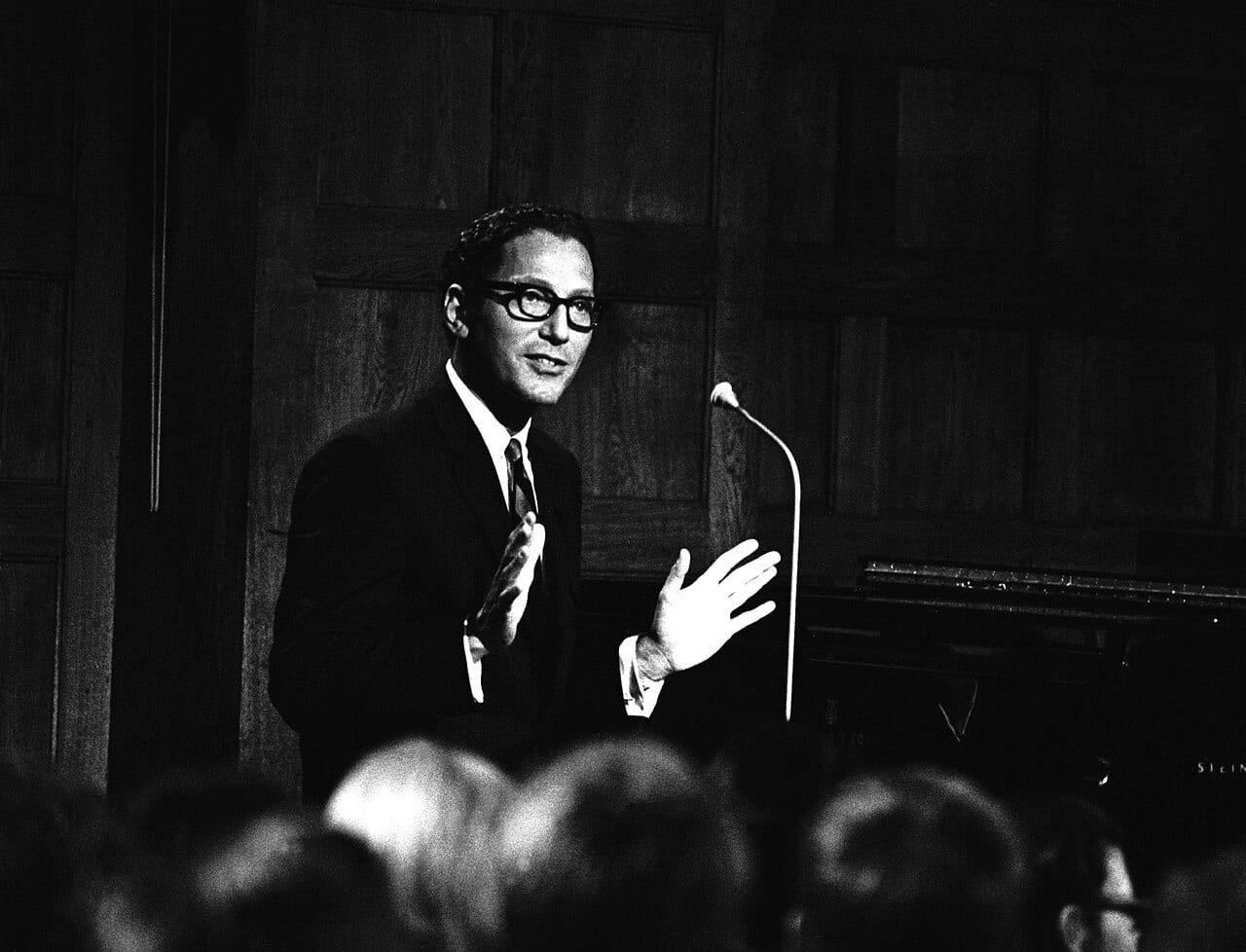
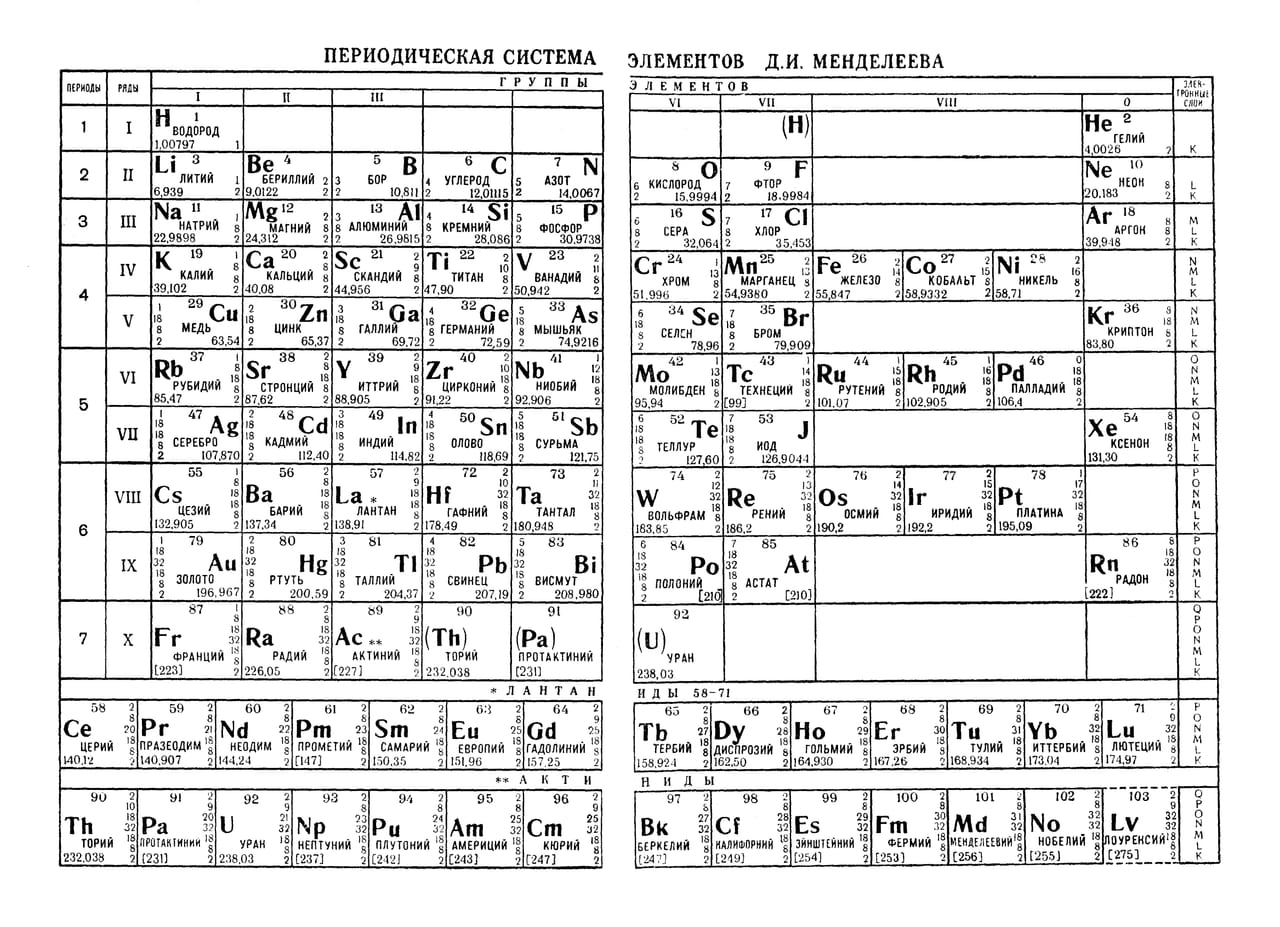
Google DeepMind posted a video Tuesday. A periodic table spins through the clip in three dimensions. Its newest AI model built the table. The model set it to a comedy song from 19591.
The model is Gemini 4 Argon, released Oct. 13 for heavy technical work like coding and cyber defense2. Google built the video inside Antigravity, a tool that lets AI agents write and test software largely on their own3. DeepMind posted the clip with one line describing what it shows1.
A Chemistry Lesson Built Overnight
The clip runs 88 seconds. A periodic table hangs in space, glowing as the song names each element. Electrons orbit in rings around the symbols. Light spectra flash beside each one as it plays1.
Gemini 4 Argon reads text, images, audio and video, and it writes its answers back in text2. The model also carries a one million token output limit, Google's largest yet. Antigravity, launched in November 2025, lets that same model plan a task, carry it out, and check its own work3. A person still wrote the prompt that asked for a singing, spinning chemistry lesson.
Sixteen Elements the Song Missed
Tom Lehrer wrote "The Elements" in 1959. He set the periodic table's names to a tune from Gilbert and Sullivan's The Pirates of Penzance, an 1879 comic opera4. The borrowed song is "The Major-General's Song." Decades later, actor Daniel Radcliffe performed Lehrer's version on British television and called him his hero5.
Lehrer named 102 elements in his lyrics, every one chemists knew in 19594. Scientists found 16 more elements after that. The periodic table now holds 118 named elements. Lehrer's song still holds the smaller count.
Tom Lehrer's 1959 song names 102 elements, 16 short of today's 118
Elements named in 'The Elements' against the periodic table chemists recognize now
Each column counts named elements at one point in time: Lehrer's 1959 lyrics, then the full periodic table today.
Source: Wikipedia [4]. Chart by Kelly Dennis.
The numbers behind this chart
| Item | Value |
|---|---|
| 1959 song | 102 elements |
| 2026 table | 118 elements |
Particle accelerators produced those 16 elements, decades after Lehrer finished his lyrics4. Lehrer left his own lyrics alone through all of them. Wikisource now hosts an updated version that carries the song through element 118, written by other hands.
Lehrer gave up something else first. In October 2020, he signed away every right to his own songs6. "In short, I no longer retain any rights to any of my songs. So help yourselves, and don't send me any money," he said.
That gift let Google skip a licensing call entirely. Any company can use the song free, on the strength of Lehrer's own release6. Lehrer died on July 26, 2025, in Cambridge, Massachusetts, at 975.
A Teaching Tool, DeepMind Says
DeepMind frames the demo as proof of range, more than spectacle. "Gemini 4 Argon built a 3D periodic table synced to Tom Lehrer's song, 'The Elements.' Created in @Antigravity, it animates orbiting electrons, atomic data, and light spectra," the company wrote1.
Allison Bacon watches this kind of clip for a living. She coordinates instructional technology for the Ossining Union Free School District in New York7. Her test skips the colors and the motion entirely.
Bacon doubts the format on its own terms, before she ever reaches this specific clip. "It's easy to make an eight-second AI video, and we wind up with these very quick, colorful, fun things that don't really have any meaning," she told EdSurge7.
DeepMind's video runs 88 seconds, ten times the length of Bacon's example. That length answers little of what she raised. The open question is whether 88 seconds of orbiting electrons teaches a fact, or only performs one.
Search interest already leans one way. On Oct. 19, the day before DeepMind posted its video, Tom Lehrer's own Wikipedia page drew 509 views10. Gemini's Wikipedia page drew 149 views that same day11. Readers searched for the comedian more than for the chatbot that put his words back on screen.
Tom Lehrer's Wikipedia page outdrew Gemini's by more than 3 times
English Wikipedia pageviews, all access, Oct. 19, 2026
Each bar counts one page's views on the day before DeepMind posted the video. Lehrer's page drew the most traffic.
Sources: Wikimedia Pageviews API [10]; Wikimedia Pageviews API [11]. Chart by Kelly Dennis.
The numbers behind this chart
| Item | Value |
|---|---|
| Tom Lehrer | 509 views |
| Gemini (chatbot) | 149 views |
Nvidia Takes Its Own Turn in Europe
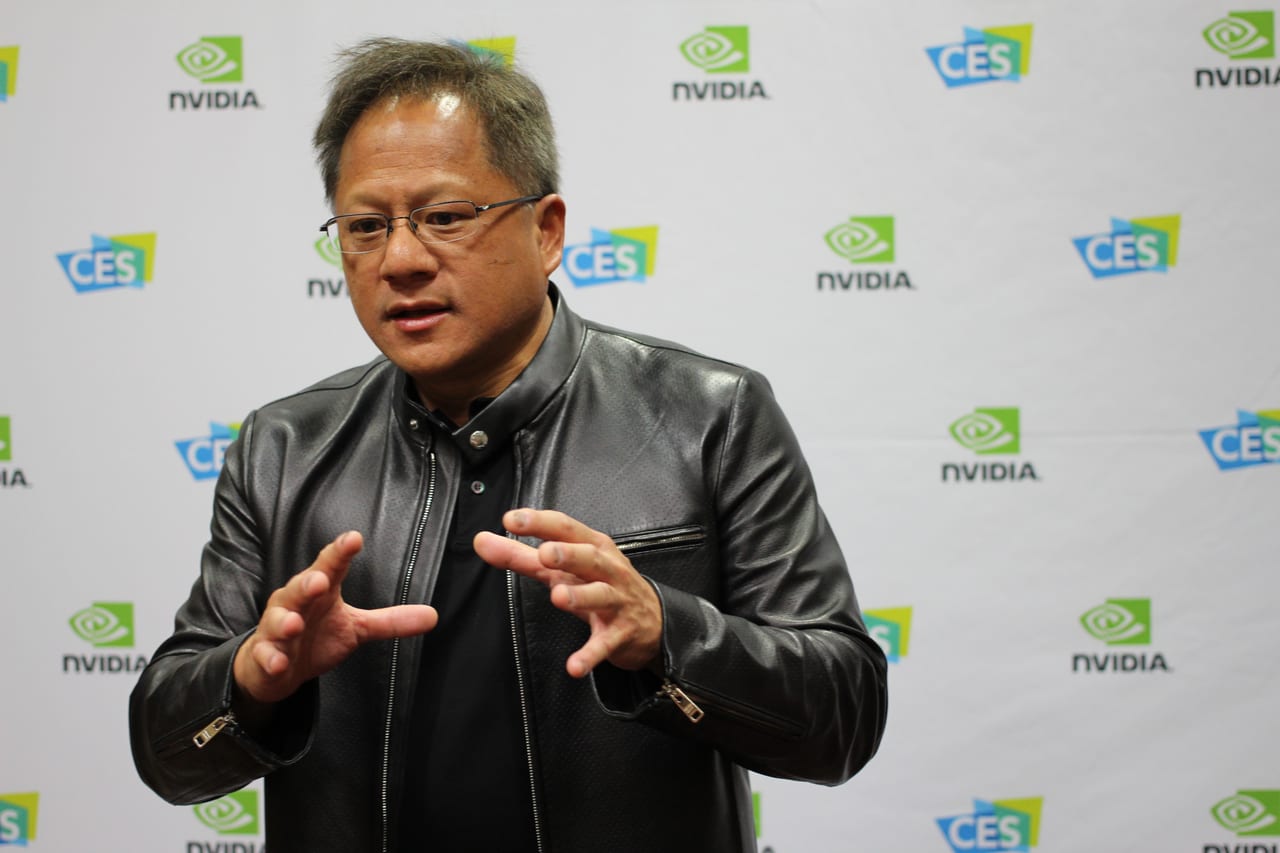
The company staged its own moment Tuesday too. Nvidia posted a teaser the same day as DeepMind's video8. It picked words over visual tricks: "Four cities. One clear message: Europe is building what's next in AI. Tomorrow, Jensen takes the stage at #NVIDIAGTC Berlin to continue the conversation. See you there," it wrote.
Jensen Huang runs Nvidia as its co-founder and chief executive, a job he has held since 1993. His keynote happens Wednesday at Berlin's Tempodrom, from 11 a.m. to 1 p.m. local time9.
Huang's teaser drew 141 likes and 35 replies8. DeepMind's chemistry clip drew far more attention, by the numbers alone, the same Tuesday1. A singing periodic table outdrew a conference preview, whatever each one actually taught a reader.
What to do
Watch the DeepMind clip for its range alone. Gemini 4 Argon reads video and audio and writes answers in one pass. That skill matters more for a product demo than for a classroom.
Apply Bacon's test to any AI clip your own team posts. Ask whether a viewer could repeat one fact back after the colors and the motion fade7.
Reuse Lehrer's gift the way Google did. His lyrics and music stay free to use for any company that credits him, since he released every right in 20206.
By the numbers
- DeepMind's video drew 846 likes and 121 replies when AI Lately checked it Tuesday1.
- Today's periodic table holds 118 elements, 16 more than Lehrer's 1024.
- Lehrer died July 26, 2025, in Cambridge, Massachusetts, at age 975.
- He released every right to his songs in October 20206.
- Wikipedia logged 509 views for Lehrer's page on Oct. 19, against 149 for Gemini's own page1011.
- Nvidia's keynote teaser drew 141 likes and 35 replies the same day8.
- Huang's Berlin keynote runs Wednesday from 11 a.m. to 1 p.m. at the Tempodrom9.
What to watch
Watch whether Google turns this clip into a lesson series, with real assignments attached, or lets it stay a one-off post. Bacon's own district may offer the next verdict, once a teacher actually tries an AI science video in class. Nvidia's Berlin keynote lands Wednesday, and any Argon news inside it would tie both of Tuesday's stories together.
Sources
- Google DeepMind, "Gemini 4 Argon built a 3D periodic table synced to Tom Lehrer's song, 'The Elements,'" X, Oct. 20, 2026, https://x.com/GoogleDeepMind/status/2112557925264752930
- Google DeepMind, "Gemini 4 Argon," Model Card, Oct. 13, 2026, https://deepmind.google/models/model-cards/gemini-4-argon/
- Google, "Build with Google Antigravity, our new agentic development platform," Google Developers Blog, Nov. 20, 2025, https://developers.googleblog.com/build-with-google-antigravity-our-new-agentic-development-platform/
- Wikipedia contributors, "The Elements (song)," Wikipedia, Oct. 20, 2026, https://en.wikipedia.org/wiki/The_Elements_(song)
- Wikipedia contributors, "Tom Lehrer," Wikipedia, Oct. 20, 2026, https://en.wikipedia.org/wiki/Tom_Lehrer
- Colin Marshall, "Tom Lehrer Puts His Songs into the Public Domain & Makes Them Free to Download (for a Limited Time)," Open Culture, Dec. 22, 2022, https://www.openculture.com/2022/12/tom-lehrer-puts-his-songs-into-the-public-domain-makes-them-free-to-download.html
- Adam Stone, "AI Videos Are Warping Early Learning, Teachers Say. Here's How They're Responding," EdSurge, Sept. 8, 2026, https://www.edsurge.com/news/ai-videos-are-warping-early-learning-teachers-say-heres-how-theyre-responding
- Nvidia, "Four cities. One clear message: Europe is building what's next in AI," X, Oct. 20, 2026, https://x.com/nvidia/status/2112570851597943267
- Nvidia, "GTC Berlin AI Conference," Oct. 20, 2026, https://www.nvidia.com/en-eu/gtc/
- Wikimedia Foundation, "Tom Lehrer, daily pageviews," Wikimedia Pageviews API, Oct. 19, 2026, https://wikimedia.org/api/rest_v1/metrics/pageviews/per-article/en.wikipedia/all-access/user/Tom_Lehrer/daily/20261019/20261019
- Wikimedia Foundation, "Gemini (chatbot), daily pageviews," Wikimedia Pageviews API, Oct. 19, 2026, https://wikimedia.org/api/rest_v1/metrics/pageviews/per-article/en.wikipedia/all-access/user/Gemini_(chatbot)/daily/20261019/20261019