


CNBC told readers Oct. 18 that a new wave of AI gadgets is running into an old law1. Apple's Siri Recap, Amazon's Bee pendant and Meta's Ray-Ban glasses all listen for a living. Each one skips asking the stranger next to you first.
California passed that old law in 1967, the year it turns 59. Lawmakers aimed it at reel-to-reel bugs and phone taps. It still binds the person wearing the gadget, and the company that built it stays clear.
Any company with staff in the 12 all-party-consent states should write a policy for these gadgets now, ahead of the first case.
The devices that started the clock
Apple's Siri Recap summarizes a conversation from your wrist. The watch sends encrypted audio to your phone, strips it down to text, then deletes the original sound5. Apple says every bit of that audio gets erased once the summary is written.
Amazon's Bee pendant works the same way, listening for reminders and to-do items in whatever room you carry it into. Meta's Ray-Ban glasses add a camera to the same bet: that summarizing a conversation is gentler than recording one.
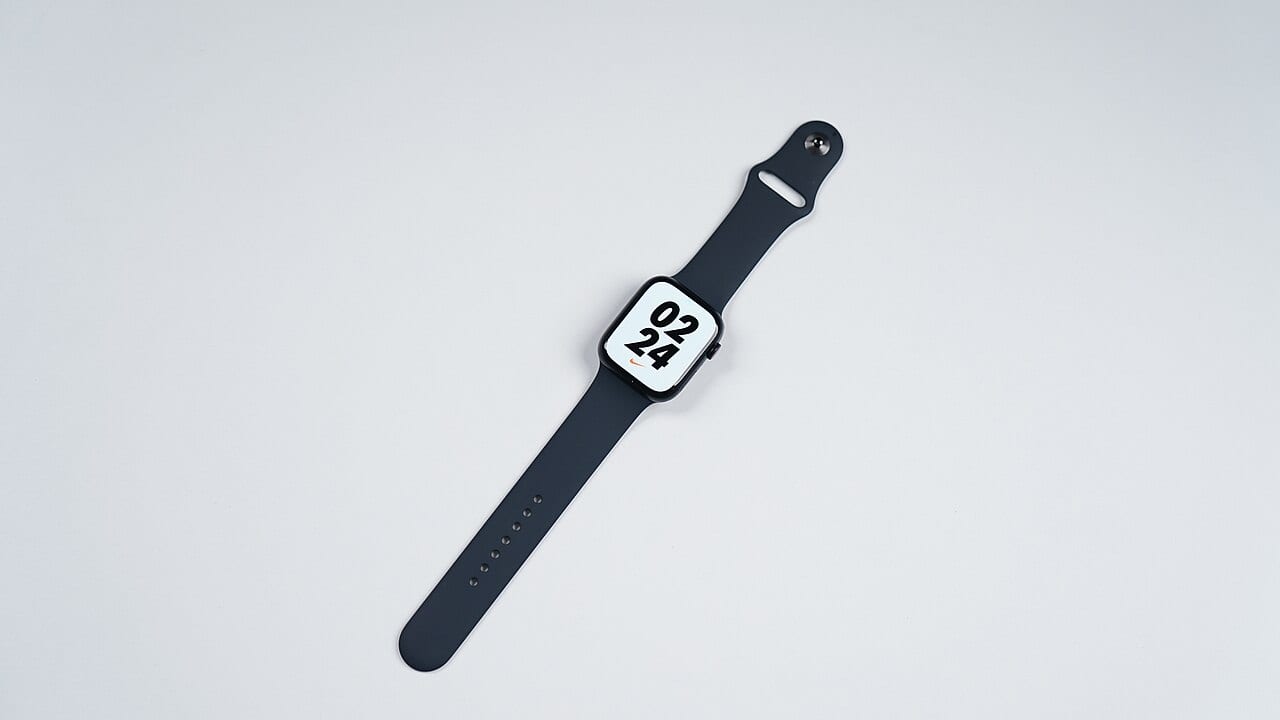
Each pitch skips the person across the table. Karen Panetta, dean of graduate education at Tufts' School of Engineering, raised exactly that gap when CNBC asked her about the devices1. Your own consent to be recorded, she said, leaves out the people standing near you.
A 1967 Law Meets a Smartwatch
California's Penal Code 632 requires every party's consent to use a recording device on a conversation7. Lawyers call that all-party consent: everyone present has to agree, the wearer included.
A first violation carries a fine up to $2,500, up to a year in county jail, or both7. Civil damages run to $5,000 per violation, and a bystander can collect them even when prosecutors skip the case entirely. Twelve of the 50 states run some version of this rule, among them Massachusetts, New Hampshire and Washington1. The other 38 ask for only one party's consent.
12 of the 50 states require every party's consent to record a talk
State wiretap and eavesdropping statutes, by consent rule, as of Oct. 18, 2026
Each cube is one state; magenta cubes are the 12 states that require every party's consent, including California, Massachusetts and New Hampshire, the states this piece's legal fight centers on.
Source: CNBC [1]. Chart by Ryan Elliott Dennis.
The numbers behind this chart
| Item | Value |
|---|---|
| Require every party's consent | 12 |
| Require only one party's consent | 38 |
| Whole | 50 |
The statute skips any mention of audio files. It bans eavesdropping, a word a 1967 Legislature wrote for reel-to-reel tape. Apple's Secure Enclave, summarizing speech and discarding the sound a moment later, is a different machine entirely.
Brian McGinnis is a partner at Barnes & Thornburg who tracks ambient AI law. His client note lays out the matching federal and state definitions of interception, built for exactly this question6.
Liability under Penal Code 632 falls on the eavesdropper. The manufacturer stays outside the statute's reach7. Apple can build a feature that deletes every byte of audio. The legal exposure still lands on whoever straps the watch to a wrist in a two-party-consent state.
California wrote a new rule. The governor vetoed it.
State Sen. Eloise Gómez Reyes introduced Senate Bill 1130 on Feb. 172. It would have made it a misdemeanor to secretly record someone with a wearable inside a business.
The bill also would have barred disabling a device's recording light. Gómez Reyes built the bill, she said, to address "the rapid rollout of always-listening tech".
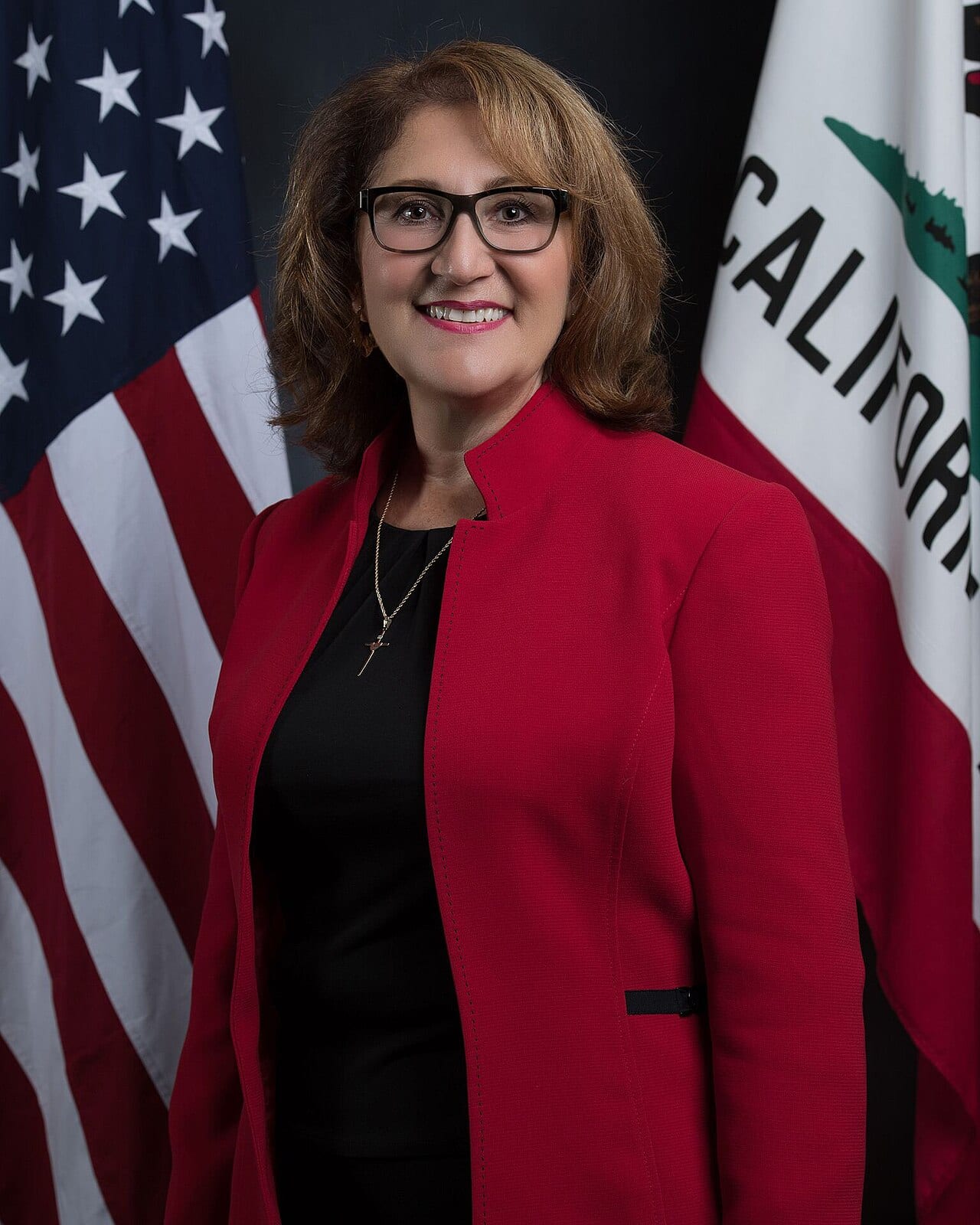
Gov. Gavin Newsom vetoed the bill Sept. 30. He said its definition of a wearable recording device ran too broad and too imprecise. It also duplicated protections already written into California law2.

Sacramento's Legislature had already passed the bill before it reached his desk.
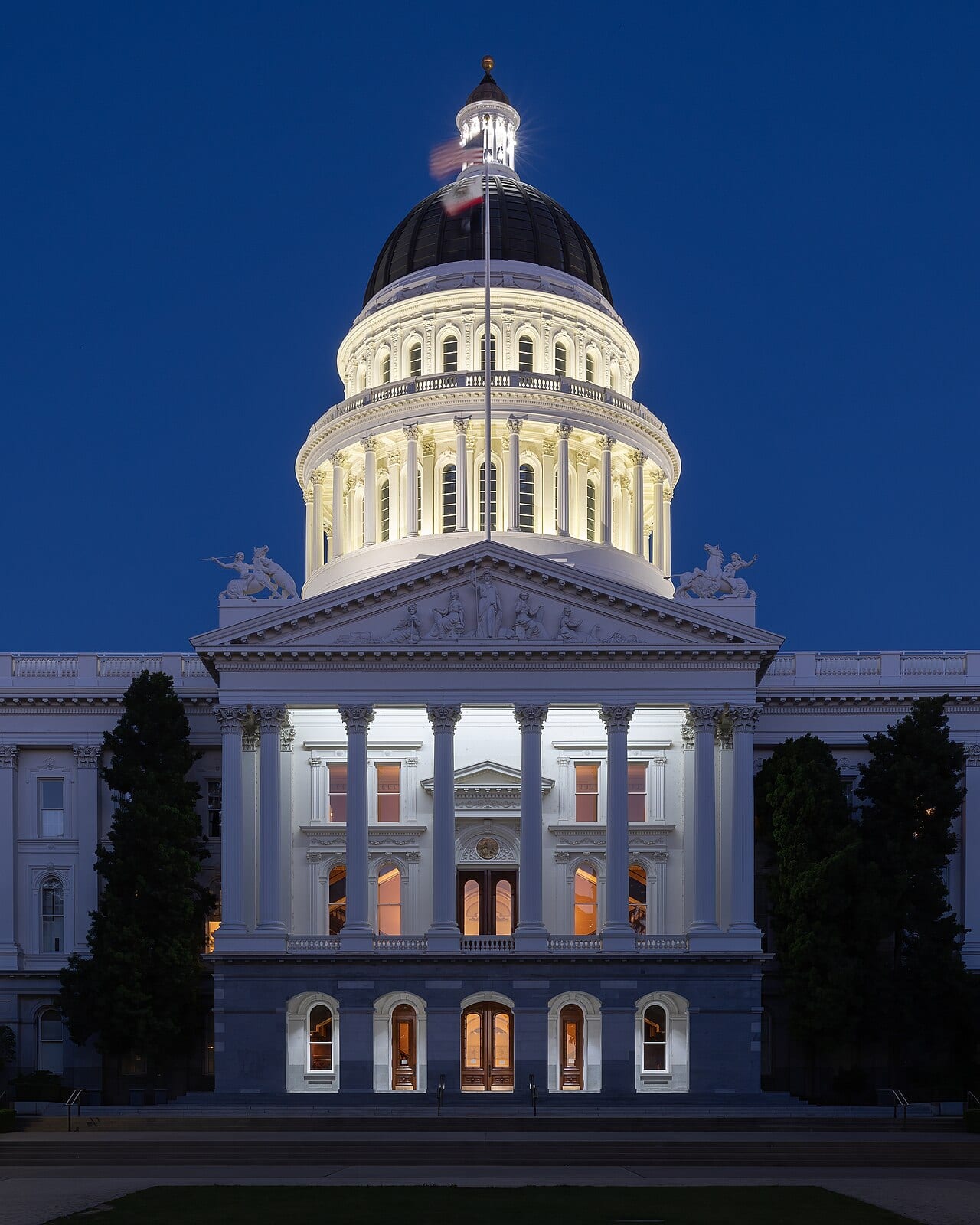
That veto did more than kill one bill. It left the 1967 statute as the only rule standing over a product category that arrived decades after lawmakers wrote it. Meta alone sold more than 7 million pairs of its camera glasses last year2.
A 59-year-old wiretap law outlasts California's own wearable rule
Senate Bill 1130's path, from introduction to the veto that left Penal Code 632 standing alone, Feb. 17 to Oct. 18, 2026
Each dot marks one dated event; the magenta dot is Newsom's veto, the moment California's specific wearable rule died and the 1967 wiretap law became the only one left.
Sources: CNBC [1]; TechCrunch [2]; MacRumors [5]. Chart by Ryan Elliott Dennis.
The numbers behind this chart
| Date | Event |
|---|---|
| Feb. 17, 2026 | Gómez Reyes introduces SB 1130 |
| Sept. 10, 2026 | Apple details Siri Recap's data handling. MacRumors reports the feature deletes audio after it writes a summary |
| Sept. 30, 2026 | Newsom vetoes SB 1130. Calls its device definition too broad |
| Oct. 18, 2026 | CNBC reports the wiretap-law exposure. Names Apple, Amazon and Meta wearables |
Two Readings of One Law
Phil Lauer, a defense attorney in Pennsylvania, told The Next Web the devices sit close to the line. They probably stay legal, he said, "because it's not an individual who is actually receiving and using this data"4. His reading rests on the processing happening inside a machine, a step removed from a person.
Adam Schwartz, privacy litigation director at the Electronic Frontier Foundation, rejects that distinction. "Our right to conversational privacy must include freedom from other people, without our clear opt-in consent, using technology to document what we are saying," he told PCWorld3.
McGinnis frames the gap the same way, staying neutral on the outcome. He writes that a system can continuously listen, interpret speech and turn it into a summary. The question is whether that counts as an interception, even after it deletes the underlying audio moments later6.
What to do
A security or legal lead should treat every always-on AI wearable as a recording device. Apply the strictest law in play, ahead of the mildest one. Set a policy before an employee walks into a meeting wearing one: announce it, mute it, or leave it in a bag.
Write the rule for all-party-consent states first. California, Massachusetts, New Hampshire and nine other states keep running their own clocks, apart from Congress or a vendor's privacy page.
By the numbers
- 12 states require every party's consent before a conversation can be recorded, including California, Massachusetts and New Hampshire1.
- $2,500: the maximum criminal fine for a first violation of California's wiretap statute, Penal Code 6327.
- One year: the maximum jail term for that same first violation7.
- $5,000: the civil damages a bystander can collect per violation, even when prosecutors skip the case entirely7.
- 59 years: how long California's wiretap law has stood since the Legislature passed it in 19677.
- 7 million: the pairs of Ray-Ban Meta glasses the company sold last year2.
- Feb. 17, 2026: the day Sen. Gómez Reyes introduced Senate Bill 11302.
- Sept. 30, 2026: the day Gov. Newsom vetoed it2.
What to watch
Watch which party a district attorney in a two-party-consent state charges first. The statute names the wearer, the party the law actually targets. A visible, audible signal that a device is capturing speech would settle the easiest version of the question. Apple, Amazon or Meta could add it, the fix several lawyers in this piece name.
Sacramento stays in play too. Gómez Reyes can rewrite a narrower bill for 2027, and Newsom's veto message told her exactly which words to fix.
Sources
- MacKenzie Sigalos and Annie Palmer, "New AI wearables push the limits of privacy and wiretap laws," CNBC, Oct. 18, 2026, https://www.cnbc.com/2026/10/18/ai-wearables-privacy-wiretap-laws.html
- Zack Whittaker, "California governor vetoes bill banning use of 'pervert glasses' to secretly record people," TechCrunch, Oct. 1, 2026, https://techcrunch.com/2026/10/01/california-governor-vetoes-bill-banning-use-of-pervert-glasses-to-secretly-record-people/
- Ben Patterson, "Will Siri Recap make the Apple Watch creepy? Privacy experts weigh in," PCWorld, Sept. 11, 2026, https://www.pcworld.com/article/3232402/will-siri-recap-make-the-apple-watch-creepy-privacy-experts-weigh-in.html
- Ana Maria Constantin, "Lawyers in 4 states say the new Apple Watch may break eavesdropping law," The Next Web, Sept. 14, 2026, https://thenextweb.com/news/apple-watch-siri-recap-live-rewind-eavesdropping-laws
- Juli Clover, "Apple Explains What Happens to Conversations Siri Recap Hears," MacRumors, Sept. 10, 2026, https://www.macrumors.com/2026/09/10/apple-watch-siri-recap/
- Brian J. McGinnis, "Apple's Siri Recap and the Rise of Ambient AI: Privacy Without an Interface," The National Law Review, Sept. 11, 2026, https://natlawreview.com/article/apples-siri-recap-and-rise-ambient-ai-privacy-without-interface
- FindLaw, "California Penal Code Section 632," Jan. 1, 2026, https://codes.findlaw.com/ca/penal-code/pen-sect-632/