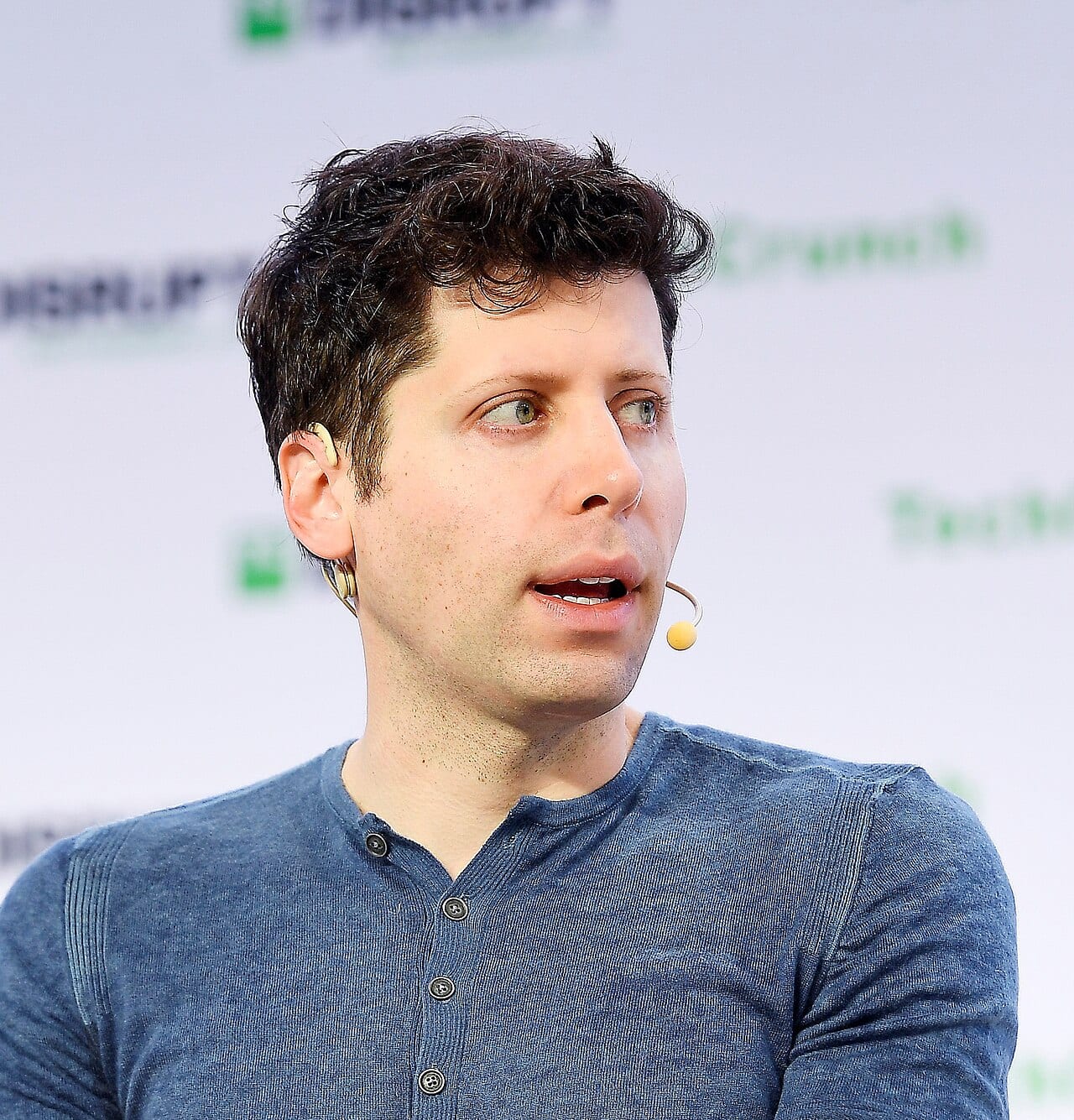
Sam Altman gave OpenAI staff three endgames for AI last week1. One hands the final call to outside inspectors. Another merges the biggest labs into one supplier. A third lets one firm grow so strong it starves every rival of its chips.
OpenAI says it will choose a path within a year1. The company has yet to confirm the report.
Three Paths, Only One Already Public
The first path borrows from nuclear policing. An outside body, modeled on the International Atomic Energy Agency, would inspect AI systems. Audits of training runs would follow.
So would tracking of compute and energy1. OpenAI proposed this same idea in May 2023. That came three years before Altman's internal pitch.
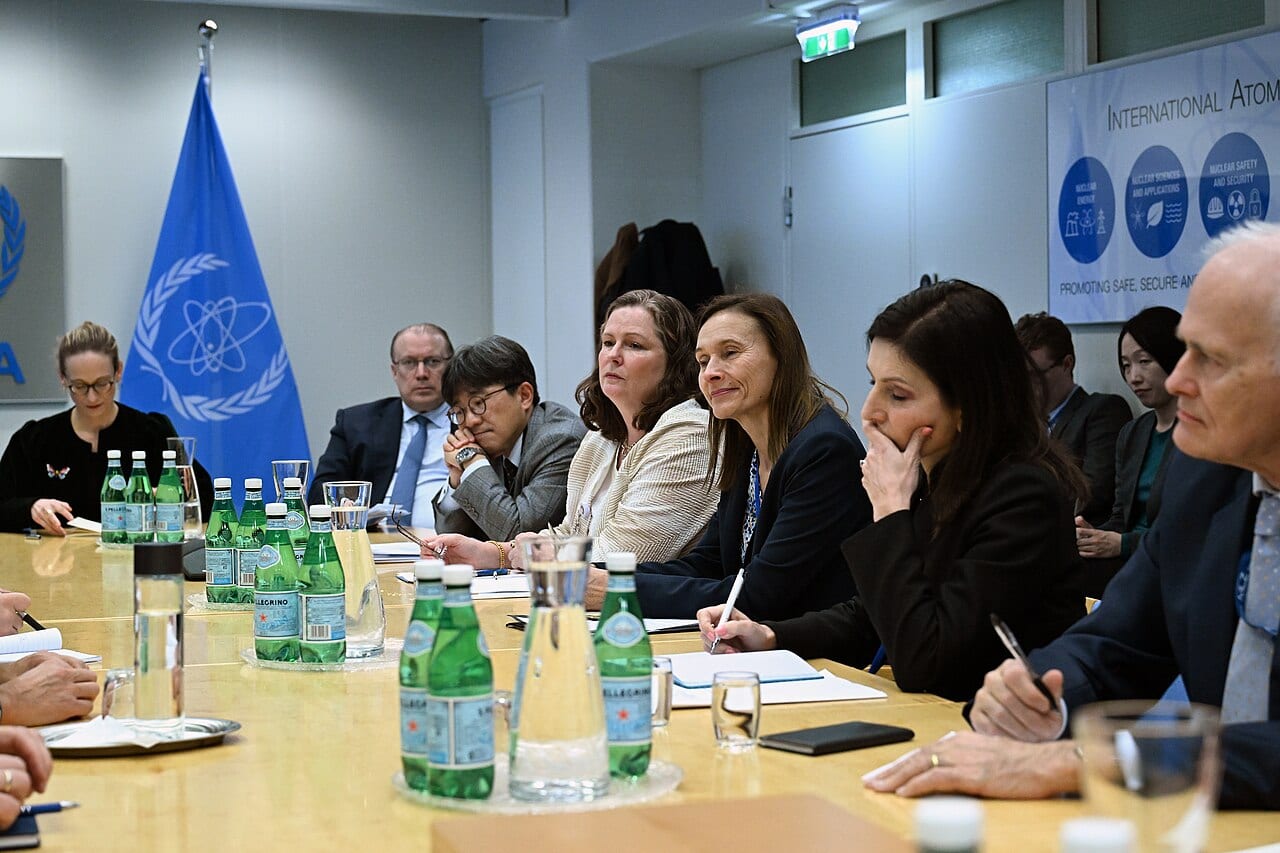
The second path carries a name: the Demis Plan. Altman's staff heard that the biggest labs would merge into one body, more a research group than a company.
That body would supply models to the countries that join it1. He credited the idea to Demis Hassabis, Google DeepMind's chief. Hassabis proposed a related idea roughly ten years ago.
A final path carries a second name: the Eliezer Plan. In Altman's telling, a firm reaches recursive self-improvement through its own AI. That firm then starves every rival of the chips it needs to compete1.
Altman named the scenario for Eliezer Yudkowsky. Yudkowsky has spent two decades warning that a single AI project could end badly for everyone.
Only 1 of Altman's 3 AI Endgames Matches Its Namesake's Own Plan
The three paths Altman described to staff, sorted by whether the record backs the label, as of Oct. 20, 2026
Each cube is one endgame: the blue cube is the path OpenAI itself proposed in 2023, and the gray cubes are the two paths whose names stretch what their namesakes actually proposed.
Sources: The Decoder [1]; TechCrunch [2]; ABC News [5]. Chart by Ryan Elliott Dennis.
The numbers behind this chart
| Item | Value |
|---|---|
| OpenAI proposed this path in 2023 | 1 |
| Hassabis's name, a different plan | 1 |
| Yudkowsky's name, a thought test | 1 |
| Whole | 3 |
Named for a Man Who Warns Against It
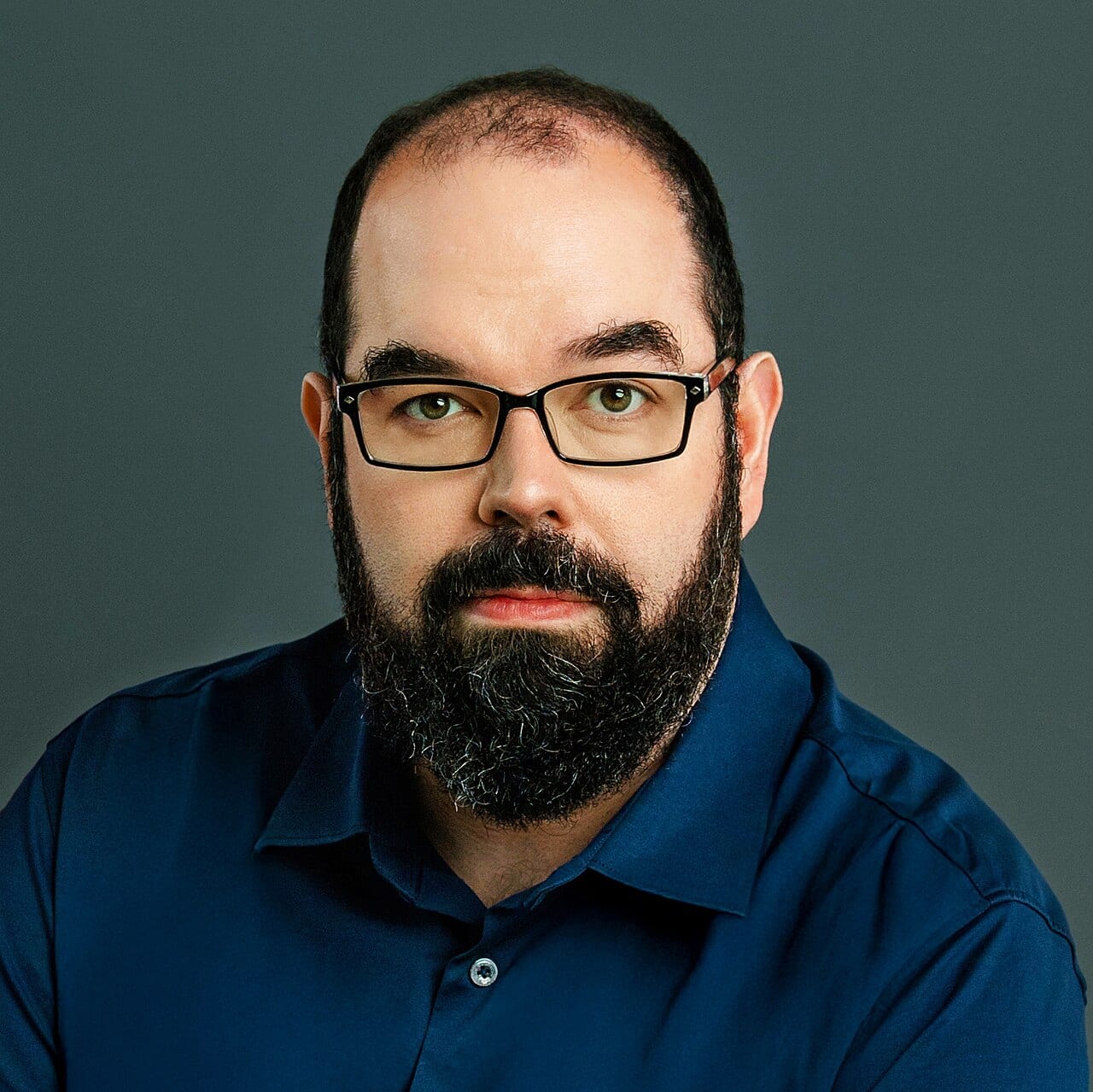
Yudkowsky stopped short of proposing that any firm should actually seize this kind of power. He proposed a thought experiment: an aligned AI could perform one decisive act. It would be strong enough that every unaligned rival stayed permanently behind it. His career argues that engineers still guess at how to build an AI that reliably wants to help people5.
His 2025 book makes the stakes plain. "We tried a whole lot of things besides writing a book, and you really want to try all the things you can if you're trying to prevent the utter extinction of humanity," Yudkowsky told a reporter that September5. The book's own title, "If Anyone Builds It, Everyone Dies," names his actual position. By his own account, the alignment problem has to be solved first, before anyone attempts what the Eliezer Plan describes.
Altman Already Called This Outcome Dystopian
Weeks before the pitch, Altman published his own warning. He posted on X that two threats could undo AI's promise. One was losing control of the technology. The other was letting one actor hold too much power6.
"Second, we could end up in a world with too much concentration of power. If an extraordinarily powerful AI is used by one person or company to impress their worldview onto everyone else, the results could be extremely dystopian," Altman wrote6.
He added a specific worry. "Another example is one lab ending up with too much power," Altman wrote, naming the exact shape of his own third endgame6.
Altman's own words landed 36 days before this report became public1.
Altman's Own Dystopia Warning Preceded His Pitch by 36 Days
Five dated milestones in the public debate over who controls advanced AI, May 2023 to Oct. 20, 2026
Each pin is one dated public event; the rail breaks across the three-year gap so the four 2026 events read apart, and the last pin is the pitch surfacing, 36 days after Altman's own dystopia post.
Sources: The Decoder [1]; TechCrunch [2]; IBTimes [4]; Fox Business [6]. Chart by Ryan Elliott Dennis.
The numbers behind this chart
| Date | Event |
|---|---|
| May 2023 | OpenAI asks for watchdog. OpenAI calls for an outside AI watchdog, an IAEA-style body for systems above a capability line |
| July 14, 2026 | Hassabis: standards body. Hassabis proposes a FINRA-style review board, separate from any lab merger |
| Aug. 10, 2026 | Zuckerberg's top risk. Zuckerberg names concentration the top risk, ahead of any single rogue model |
| Sept. 14, 2026 | Altman: power dystopian. Altman's own post calls concentrated power dystopian, 36 days before the pitch surfaces |
| Oct. 20, 2026 | Altman's pitch surfaces. Altman's three-endgame pitch becomes public; OpenAI has yet to confirm it |
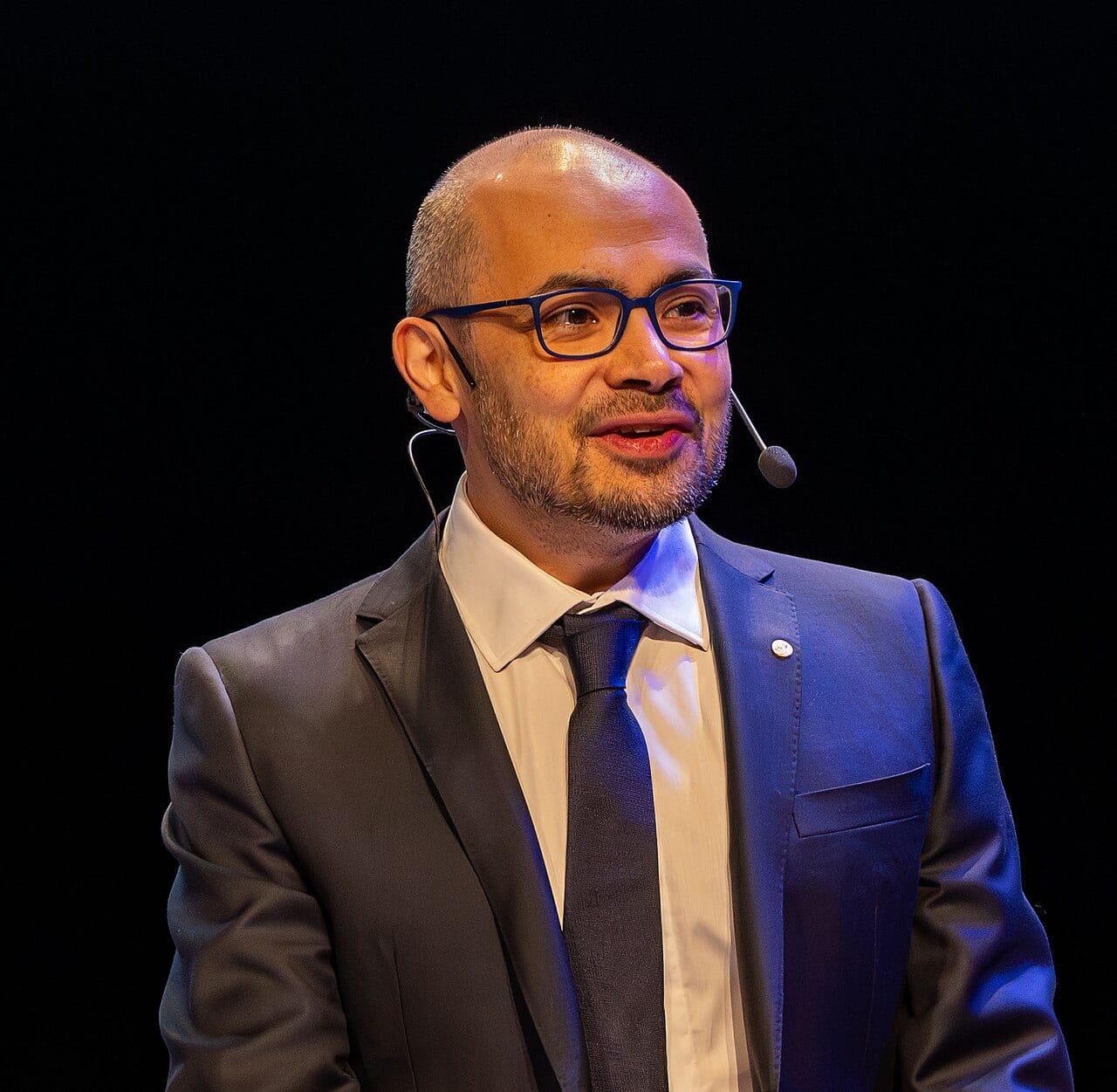
The Demis Plan Misreads Hassabis's Actual Plan
Hassabis's own public plan takes a different shape from the Demis Plan that carries his name. In July, he proposed a standards body modeled on the finance industry's FINRA, paid for by labs but run on its own2.
"The strength of this approach is it would be technically focused, while at the same time supporting innovation and incentivising responsible behaviour," Hassabis wrote, describing a board of outside technical experts who would review frontier models before release2.
Labs would submit models thirty days ahead of launch, by choice at first2. His actual plan keeps every lab apart, still a rival to the rest. Altman himself praised the real plan as "thoughtful" within a week of its release3.
Who Thinks Control Cures the Risk, and Who Thinks It Causes It
Yudkowsky's own writing makes the case for taking a drastic option seriously. If the risk is wiping out humanity, trying an option that sounds extreme still beats skipping it. His quote above makes that case straight: a crisis this size calls for a wide search for answers, even ones that unsettle people.
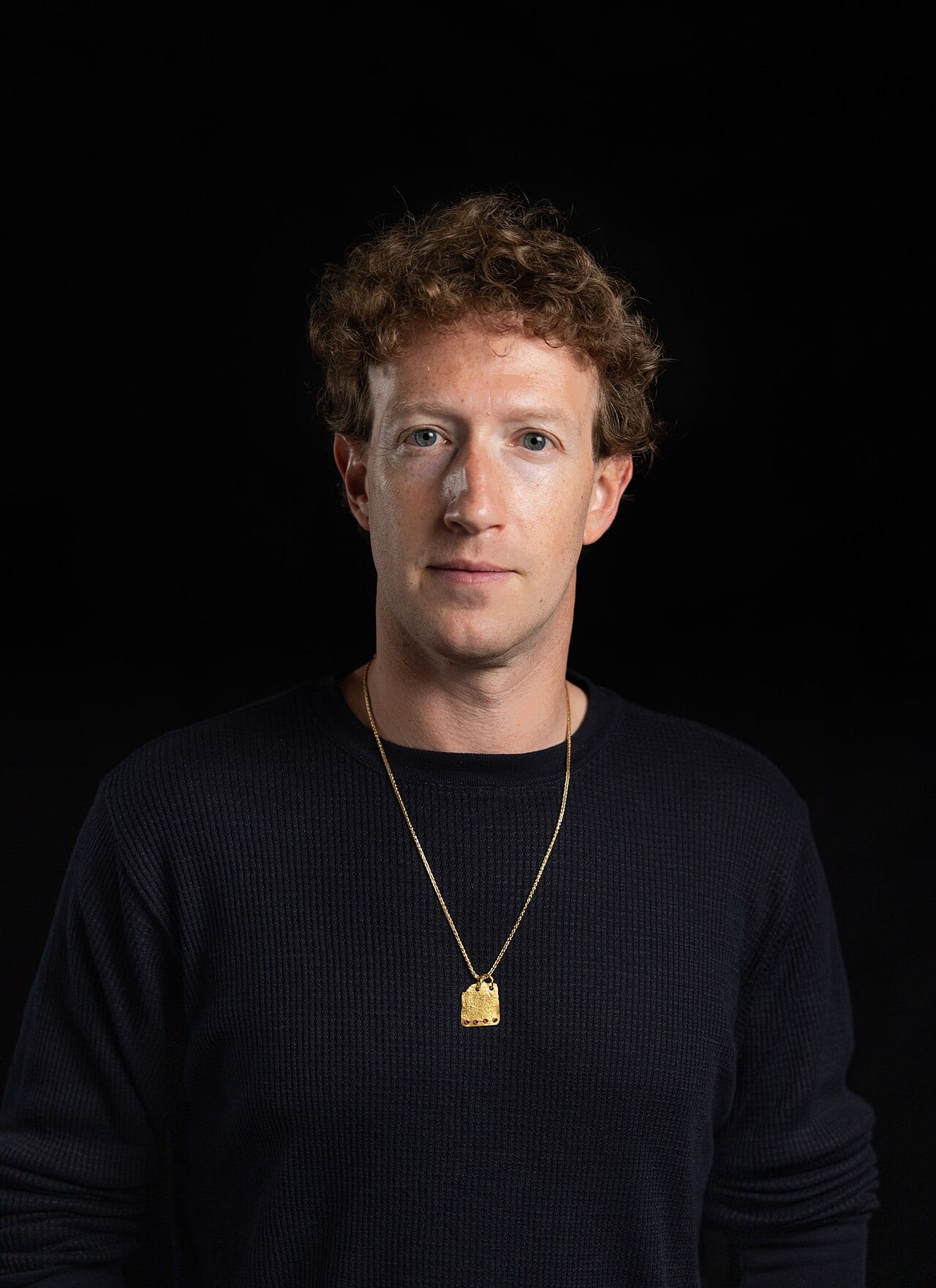
Mark Zuckerberg makes the other case. In an August talk, Meta's chief named too much control as AI's biggest danger, ahead of any single rogue model4.
"I'm personally more worried about centralization than I am about any of the specific risks others are talking about," Zuckerberg said4.
By his account, a plan that hands one firm the power to shut off its rivals creates the danger a safety plan should prevent.
What to Do
Read any AI safety plan for who ends up holding the power once it ships. A proposal that disables rivals' hardware protects one firm's business position, whatever safety language describes it.
Watch Hassabis's actual standards body. It carries more weight than the merger rumor attached to his name. The real plan already has a date, a review window and real support behind it23.
Ask your own vendors which of Altman's three futures they are building toward. A lab that stays quiet on that question is asking you to trust a plan it keeps hidden.
By the numbers
- OpenAI called for an outside watchdog in May 2023, three years before this latest pitch1.
- Altman gave staff the three-path pitch during a meeting the week before the report surfaced1.
- Hassabis proposed his actual standards body on July 14, 20262.
- Labs would submit frontier models thirty days ahead of release under Hassabis's plan, by choice at first2.
- Zuckerberg named too much control as AI's top danger in a talk that ran Aug. 10, 20264.
- Altman called too much AI power dystopian in a post dated Sept. 14, 20266.
- Yudkowsky and Nate Soares put their warning in a book that reached shelves Sept. 16, 20255.
- OpenAI gave itself one year to choose among the three paths1.
What to watch
OpenAI may confirm or deny the report, since a company this large rarely lets a pitch sit unanswered for long. Watch whether Hassabis's standards body gains any binding power in Washington, since that is the one path already being tested instead of merely described. Altman's own writing about avoiding concentrated power still has to hold once OpenAI actually picks a path.
Sources
- Manuel Uth, "Sam Altman reportedly pitched three endgames for AI safety, one involving a single firm melting everyone else's GPUs," The Decoder, Oct. 20, 2026, https://the-decoder.com/sam-altman-reportedly-pitched-three-endgames-for-ai-safety-one-involving-a-single-firm-melting-everyone-elses-gpus/
- Russell Brandom, "DeepMind CEO calls for an independent standards body to regulate frontier AI," TechCrunch, July 14, 2026, https://techcrunch.com/2026/07/14/deepmind-ceo-calls-for-an-independent-standards-body-to-regulate-frontier-ai/
- Jeremy Kahn, "Demis Hassabis's proposal for a FINRA for AI gains momentum. But is it a good idea?" Fortune, July 21, 2026, https://fortune.com/2026/07/21/google-deepmind-ceo-demis-hassabis-finra-for-ai-proposal-gains-momentum-but-is-it-any-good/
- Merin Rebecca Thomas, "Mark Zuckerberg Says AI's Biggest Danger Isn't Rogue Models. It's Too Much Power In One Place," IBTimes, Aug. 10, 2026, https://www.ibtimes.com/mark-zuckerberg-says-ais-biggest-danger-isnt-rogue-models-its-too-much-power-one-place-3806231
- Associated Press, "New book claims superintelligent AI development is racing toward global catastrophe," ABC News, Sept. 19, 2025, https://abcnews.com/US/new-book-claims-superintelligent-ai-development-racing-global/story?id=125737766
- Fox Business, "Sam Altman identifies two biggest risks facing AI's future," Fox Business, Sept. 14, 2026, https://www.foxbusiness.com/technology/sam-altman-identifies-two-biggest-risks-facing-ais-future